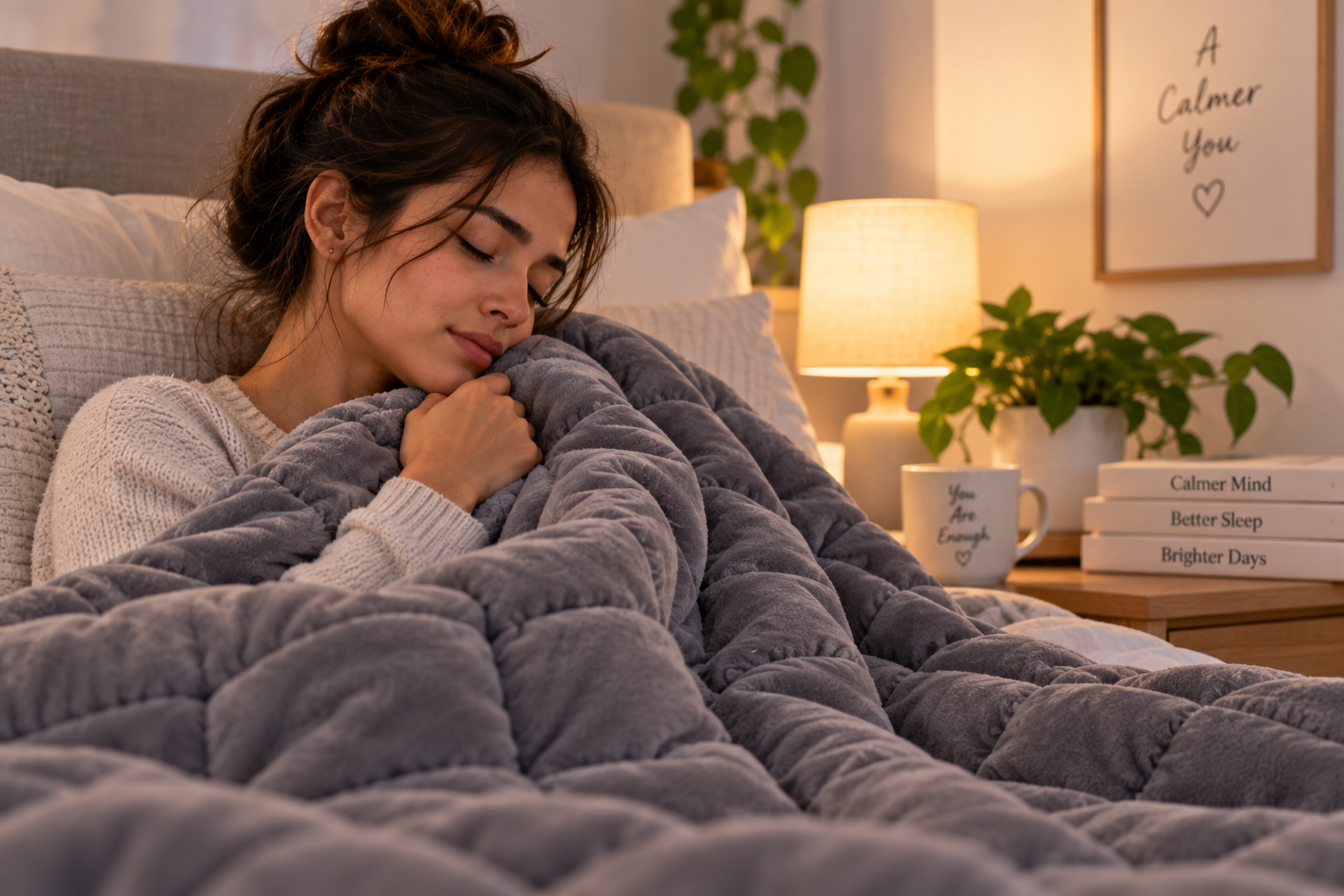
Sleep Hygiene 101: A Simple Wind-Down Routine That Actually Works
Consistency Beats Duration
A consistent sleep and wake time — even on weekends — does more for sleep quality than chasing an extra hour on an irregular schedule. Your circadian rhythm responds to regularity, not just total hours.
Light Is the Strongest Lever
Bright light (especially blue-spectrum light from screens) in the hour before bed delays melatonin release; bright light shortly after waking helps anchor your body clock for the day. Dimming lights in the evening and getting outside light in the morning are two of the highest-leverage changes available.
Temperature
A cooler bedroom (around 18-19°C / 65-67°F for most people) supports the natural drop in core body temperature that accompanies sleep onset — a room that is too warm is one of the most common, and most fixable, reasons for restless sleep.
A 20-Minute Wind-Down
A short, repeated pre-bed routine — dim lights, no new screens, something low-stimulation like reading or stretching — signals to your brain that sleep is coming, the same way a consistent routine helps a child fall asleep faster.
What to Skip
Alcohol as a sleep aid, checking the clock repeatedly when you can't sleep, and staying in bed while wide awake all reliably make sleep worse, even though each is a common habit.