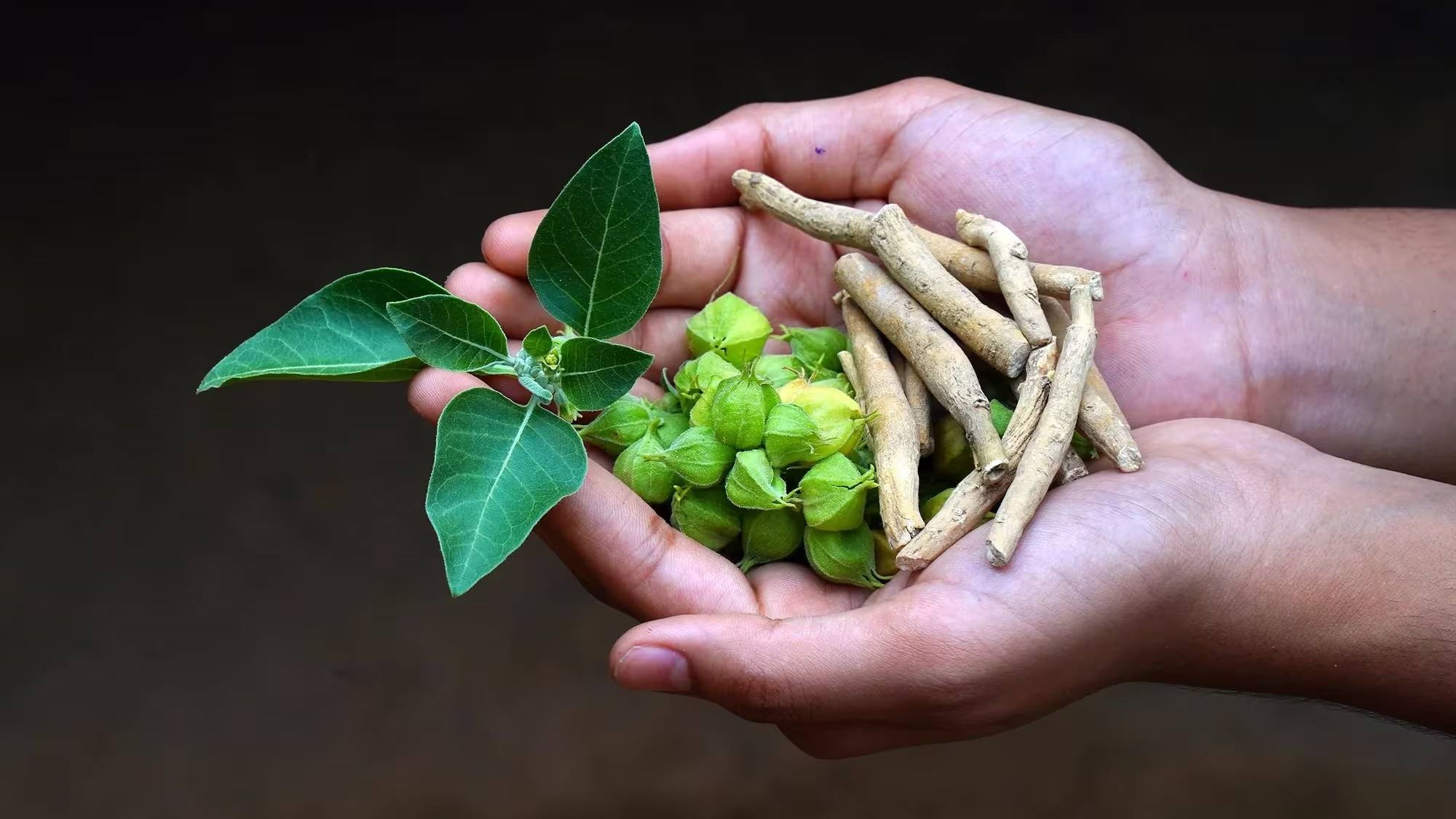
Ashwagandha for Anti-Aging: Cortisol, Telomeres and the Adaptogen Longevity Evidence
Chronic psychological stress is one of the most potent accelerators of biological aging. It elevates cortisol chronically, drives systemic inflammation through NF-kB activation, shortens telomeres, impairs sleep architecture, and suppresses immune function — simultaneously hitting six of the nine recognised hallmarks of biological aging. Managing stress is therefore not merely a wellness preference but a core anti-aging lifestyle strategy. Ashwagandha (Withania somnifera) is the most extensively clinically researched adaptogen for this purpose, with over 24 human RCTs supporting its effects on cortisol, stress perception, sleep, physical performance, and cognitive function.
The Stress-Aging Connection: Why This Matters
The biological mechanisms linking chronic stress to accelerated aging are well established:
- Cortisol and telomere erosion: Sustained cortisol elevation increases oxidative stress at telomeric DNA and suppresses telomerase — the enzyme that maintains telomere length. Nobel laureate Elizabeth Blackburn's research showed that women with the highest perceived stress had telomeres equivalent to 10 years of additional biological aging compared to low-stress counterparts.
- HPA axis dysregulation: Chronic stress exhausts hypothalamic-pituitary-adrenal (HPA) axis regulation, leading to flattened cortisol diurnal rhythms — a pattern strongly associated with accelerated aging, cardiovascular disease, and cognitive decline.
- Inflammaging acceleration: Cortisol chronically activates NF-kB, driving the sustained low-grade inflammation central to biological aging.
- Sleep disruption: Elevated evening cortisol suppresses melatonin, impairs deep sleep, and reduces growth hormone secretion — all critical for cellular repair and regeneration.
Research: Cortisol Reduction
Ashwagandha's most replicated clinical finding is significant cortisol reduction. The active compounds — withanolides, particularly withaferin A and withanolide D — modulate the HPA axis, reducing the magnitude and duration of the cortisol stress response.
A double-blind RCT (Chandrasekhar et al., 2012) in 64 chronically stressed adults found that KSM-66 ashwagandha (300mg twice daily) reduced serum cortisol by 27.9% compared to placebo over 60 days — a clinically significant reduction accompanied by significant improvements in all stress and anxiety questionnaire scores. A second RCT using 240mg KSM-66 daily found significant cortisol reduction alongside improvements in morning cortisol awakening response — normalising the diurnal cortisol pattern disrupted by chronic stress.
Research: Sleep Quality
Sleep is arguably the most important anti-aging lifestyle factor — it is the primary window for cellular repair, glymphatic brain waste clearance, growth hormone secretion, and immune consolidation. Ashwagandha has shown significant sleep benefits in multiple RCTs:
- A double-blind RCT in 150 healthy adults (Langade et al., 2021) found 120mg KSM-66 ashwagandha daily for 6 weeks significantly improved sleep onset latency (time to fall asleep), total sleep time, sleep efficiency, and morning alertness compared to placebo — with effects confirmed by actigraphy (wrist-worn sleep tracking device) as well as self-report.
- The mechanism involves cortisol suppression (removing the primary inhibitor of melatonin synthesis), GABA-A receptor modulation by withanolides (promoting sedation without dependence), and reduction of the anxious rumination that delays sleep onset.
Research: Physical Performance and Muscle Preservation
Sarcopenia — age-related muscle loss — accelerates from age 40 and is directly worsened by chronically elevated cortisol, which is catabolic to muscle tissue. Ashwagandha addresses this through both cortisol reduction and direct anabolic signalling:
- A double-blind RCT (Wankhede et al., 2015) in 57 adult men found that 300mg KSM-66 twice daily combined with resistance training produced significantly greater gains in muscle strength (bench press +46.4kg vs +26.4kg placebo), muscle size, and recovery compared to placebo — alongside significantly greater reductions in exercise-induced cortisol and muscle damage markers.
- A second RCT in older adults (65+) found ashwagandha supplementation significantly improved muscle strength, physical function, and reduced fatigue compared to placebo — directly relevant to sarcopenia prevention.
Research: Cognitive Function and Brain Aging
Chronic stress accelerates hippocampal neurodegeneration — the hippocampus is particularly vulnerable to cortisol-driven damage and is the first brain region to show significant atrophy in stress-related aging and early Alzheimer's disease. Ashwagandha addresses brain aging through multiple pathways:
- A double-blind RCT found 300mg KSM-66 twice daily for 8 weeks significantly improved immediate and general memory, executive function, sustained attention, and information processing speed in adults with mild cognitive impairment.
- Withanolides have been shown to promote neurite outgrowth and synaptic reconstruction in damaged neurons, and to inhibit acetylcholinesterase — the enzyme targeted by Alzheimer's drugs — increasing acetylcholine availability in neural synapses.
- Ashwagandha also upregulates BDNF (Brain-Derived Neurotrophic Factor) — the primary growth factor for hippocampal neuroplasticity that declines with stress and age.
Research: Testosterone and Hormonal Aging
Testosterone declines approximately 1–2% per year from age 30 in men, driven partly by chronic cortisol elevation (cortisol and testosterone have an inverse relationship via shared steroidogenic precursors). A double-blind RCT in 46 infertile men found ashwagandha supplementation significantly increased testosterone (+17%), LH, and sperm quality. A second RCT in healthy men doing resistance training found significant testosterone increases compared to placebo. For women, ashwagandha has demonstrated improvements in sexual function and DHEA-S levels — another adrenal hormone that declines with age and chronic stress.
Research: Cardiovascular and Metabolic Aging
Chronic stress accelerates cardiovascular aging through sustained sympathetic nervous system activation, elevated inflammatory markers, and cortisol-driven metabolic dysfunction. RCTs have shown ashwagandha supplementation significantly reduces blood pressure, CRP, fasting blood glucose, triglycerides, and LDL cholesterol — addressing multiple cardiovascular aging risk factors simultaneously through its cortisol-lowering and anti-inflammatory mechanisms.
How to Use Ashwagandha as a Lifestyle Anti-Aging Strategy
The most clinically validated extract is KSM-66 — a full-spectrum root extract standardised to ≥5% withanolides using a proprietary water-based extraction process preserving the complete withanolide profile. Sensoril (ashwagandha root and leaf) is the second most studied extract.
- Dose: 300–600mg KSM-66 daily. 300mg twice daily (morning and evening) is the most studied protocol for cortisol, stress, and performance outcomes
- Timing: Evening dose is particularly important for sleep benefits — take 60 minutes before bed
- Onset: Cortisol and stress benefits typically appear within 2–4 weeks; sleep benefits often within the first week; physical performance benefits require 8+ weeks of consistent use
- With food: Taking with a small meal reduces the mild gastrointestinal sensitivity some people experience
Safety
Ashwagandha is well tolerated in clinical trials up to 600mg daily for 12 weeks. Rare cases of liver injury have been reported at high doses — use established branded extracts (KSM-66, Sensoril) at recommended doses. Contraindications: pregnancy (uterine stimulant at high doses), autoimmune conditions (immunostimulatory effects), thyroid conditions (may increase thyroid hormone levels — monitor if on thyroid medication).
References & Further Reading
- Chandrasekhar K, et al. (2012). A prospective, randomized double-blind, placebo-controlled study of safety and efficacy of a high-concentration full-spectrum ashwagandha root extract. Indian Journal of Psychological Medicine, 34(3), 255–262.
- Langade D, et al. (2021). Clinical evaluation of the pharmacological impact of ashwagandha root extract on sleep in healthy volunteers and insomnia patients. Medicine, 100(17), e25512.
- Wankhede S, et al. (2015). Examining the effect of ashwagandha supplementation on muscle strength and recovery. Journal of the International Society of Sports Nutrition, 12, 43.
- Choudhary D, et al. (2017). Efficacy and safety of ashwagandha root extract in improving memory and cognitive functions. Journal of Dietary Supplements, 14(6), 599–612.
- Blackburn EH & Epel ES. (2017). The Telomere Effect. Orion Spring.
- Lopresti AL, et al. (2019). An investigation into the stress-relieving and pharmacological actions of an ashwagandha extract. Medicine, 98(37), e17186.