Collagen Peptides for Anti-Aging: What the Clinical Evidence Actually Shows
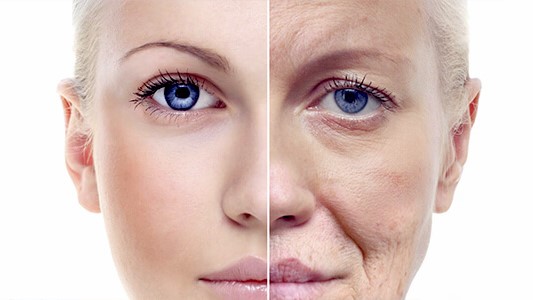
Collagen is the structural scaffold of the body — the most abundant protein by mass, accounting for roughly 30% of total protein content. It provides tensile strength to skin, flexibility to tendons and cartilage, structural integrity to bones, and elasticity to blood vessels. From the mid-20s onwards, collagen synthesis declines at approximately 1% per year, and collagen quality deteriorates as accumulated oxidative damage and glycation cross-link fibres into rigid, dysfunctional structures. The visible and functional consequences of this decline — wrinkles, joint stiffness, brittle bones, arterial stiffening — are among the most recognisable signs of aging.
The question for supplementation is whether oral collagen peptides can meaningfully reverse or slow this process. The answer, based on the current clinical evidence, is a qualified yes — with specifics that matter.
How Oral Collagen Peptides Work: The Mechanism
For years, nutritionists argued that oral collagen would simply be digested into amino acids like any other protein, making targeted collagen supplementation redundant. The clinical evidence has shown this assumption to be incorrect, for two reasons:
- Bioactive di- and tripeptides survive digestion: Collagen hydrolysate is partially digested into specific small peptides — particularly hydroxyproline-proline (Hyp-Pro) and hydroxyproline-glycine (Hyp-Gly) — that are absorbed intact through the intestinal epithelium and detected in blood plasma. These peptides are not produced by digesting other proteins and are not present in significant quantities from dietary sources.
- Fibroblast stimulation: These circulating Hyp-Pro and Hyp-Gly peptides have been shown in cell studies to directly stimulate dermal fibroblasts to upregulate collagen synthesis, hyaluronic acid production, and elastin expression. They act as signalling molecules that communicate collagen breakdown to the cells responsible for replacement.
This mechanism distinguishes collagen peptides from simply eating high-protein foods — the bioactive peptide profile is specific to hydrolysed collagen and is not replicated by whey, egg, or plant protein sources.
Research: Skin Aging
Skin is where the collagen peptide evidence is strongest. Multiple randomised controlled trials have demonstrated measurable improvements in skin aging biomarkers:
- A double-blind RCT published in the Journal of Cosmetic Dermatology (Proksch et al., 2014) found that 2.5g collagen peptides daily for 8 weeks significantly improved skin elasticity compared to placebo, with effects persisting 4 weeks after supplementation ended — indicating genuine fibroblast upregulation rather than transient hydration effects.
- A second RCT (Asserin et al., 2015) in 106 women found that collagen supplementation significantly increased skin hydration and collagen density (measured by confocal microscopy) after 8 weeks, with the collagen density increase confirmed by skin biopsy analysis.
- A meta-analysis of 19 studies (de Miranda et al., 2021) covering 1,125 participants found that oral collagen supplementation consistently and significantly improved skin hydration, elasticity, and wrinkle depth, with effect sizes that were clinically meaningful rather than marginal.
The dose range across positive trials is 2.5–10g daily, with most showing benefits at the lower end of this range when using hydrolysed collagen (peptides) rather than gelatin or native collagen.
Research: Joint Health and Cartilage
Cartilage is avascular — it receives nutrients by diffusion and has extremely limited regenerative capacity. Collagen type II is the primary structural protein in articular cartilage, and its degradation is central to osteoarthritis — the most prevalent age-related joint condition.
A 24-week RCT in athletes (Shaw et al., 2017, American Journal of Clinical Nutrition) found that 15g of vitamin C-enriched collagen peptides taken before exercise significantly increased collagen synthesis markers compared to placebo, with implications for both injury prevention and joint aging. A separate RCT in 147 athletes (McAlindon et al., 2011) found collagen hydrolysate supplementation significantly reduced joint pain and improved mobility compared to placebo over 24 weeks.
The key mechanism here is that circulating Hyp-Pro peptides stimulate chondrocytes (cartilage cells) to upregulate type II collagen and proteoglycan synthesis — providing the raw material for cartilage maintenance that the avascular tissue cannot easily source otherwise.
Research: Bone Density
Bone is approximately 30% collagen by weight — providing the flexible matrix into which calcium and phosphate minerals are deposited. Age-related bone loss involves both mineral loss and collagen matrix deterioration. A 12-month RCT in postmenopausal women (König et al., 2018) found that specific collagen peptides (5g daily) significantly increased bone mineral density at the spine and femoral neck compared to placebo, and also reduced bone degradation markers — suggesting both reduced resorption and increased formation.
Research: Muscle and Body Composition
Sarcopenia — the age-related loss of muscle mass and function — accelerates from age 50. While whey protein has the strongest evidence for muscle protein synthesis, collagen peptides have shown specific benefits in older adults with sarcopenia. A 12-week RCT found that 15g collagen peptides combined with resistance training produced significantly greater gains in fat-free mass and muscle strength compared to resistance training with placebo protein — attributed in part to collagen's role in connective tissue remodelling that supports force transmission from muscle to bone.
Type I vs Type II vs Type III: Does Collagen Type Matter?
- Type I: Most abundant in skin, tendons, bone. The primary type in most skin and general anti-aging supplements. Derived from bovine hide or marine fish scales.
- Type II: Dominant in cartilage. Undenatured type II collagen (UC-II) has specific evidence for joint pain at very low doses (40mg), working through immune tolerance rather than structural substrate provision.
- Type III: Co-localises with type I in skin and blood vessels. Often present alongside type I in bovine-source supplements.
For general anti-aging (skin, bone, body composition), hydrolysed type I/III collagen peptides at 5–10g daily is the best-evidenced approach. For joint-specific use, type II deserves consideration.
Marine vs Bovine Collagen
Marine collagen (from fish skin and scales) is predominantly type I, with smaller peptide sizes that may improve intestinal absorption compared to bovine collagen. It is appropriate for those avoiding mammalian products. Bovine collagen provides both type I and type III and has the longest clinical trial history. Both sources have demonstrated efficacy in RCTs — source selection is primarily a matter of dietary preference and budget.
Vitamin C: The Non-Negotiable Co-Factor
Collagen synthesis requires vitamin C as an essential cofactor for prolyl hydroxylase and lysyl hydroxylase — the enzymes that stabilise the collagen triple helix. Without adequate vitamin C, newly synthesised procollagen cannot be properly cross-linked and is rapidly degraded. The Shaw et al. RCT specifically used vitamin C-enriched collagen for this reason. If your collagen supplement does not include vitamin C, take it alongside a vitamin C-containing food or supplement.
How to Use Collagen Peptides
5–10g daily of hydrolysed collagen peptides covers skin, bone, and joint benefits based on the clinical evidence. Higher doses (15g) are used in muscle and joint-specific protocols. Collagen peptides dissolve easily in hot or cold liquids with minimal flavour — add to coffee, smoothies, soups, or plain water. Take with or immediately before vitamin C.
References & Further Reading
- Proksch E, et al. (2014). Oral supplementation of specific collagen peptides has beneficial effects on human skin physiology. Skin Pharmacology and Physiology, 27(1), 47–55.
- Asserin J, et al. (2015). The effect of oral collagen peptide supplementation on skin moisture and the dermal collagen network. Journal of Cosmetic Dermatology, 14(4), 291–301.
- de Miranda RB, et al. (2021). Effects of hydrolyzed collagen supplementation on skin aging: a systematic review and meta-analysis. International Journal of Dermatology, 60(12), 1449–1461.
- Shaw G, et al. (2017). Vitamin C-enriched gelatin supplementation before intermittent activity augments collagen synthesis. American Journal of Clinical Nutrition, 105(1), 136–143.
- König D, et al. (2018). Specific collagen peptides improve bone mineral density and bone markers in postmenopausal women. Nutrients, 10(1), 97.
- Zdzieblik D, et al. (2015). Collagen peptide supplementation in combination with resistance training improves body composition in elderly sarcopenic men. British Journal of Nutrition, 114(8), 1237–1245.