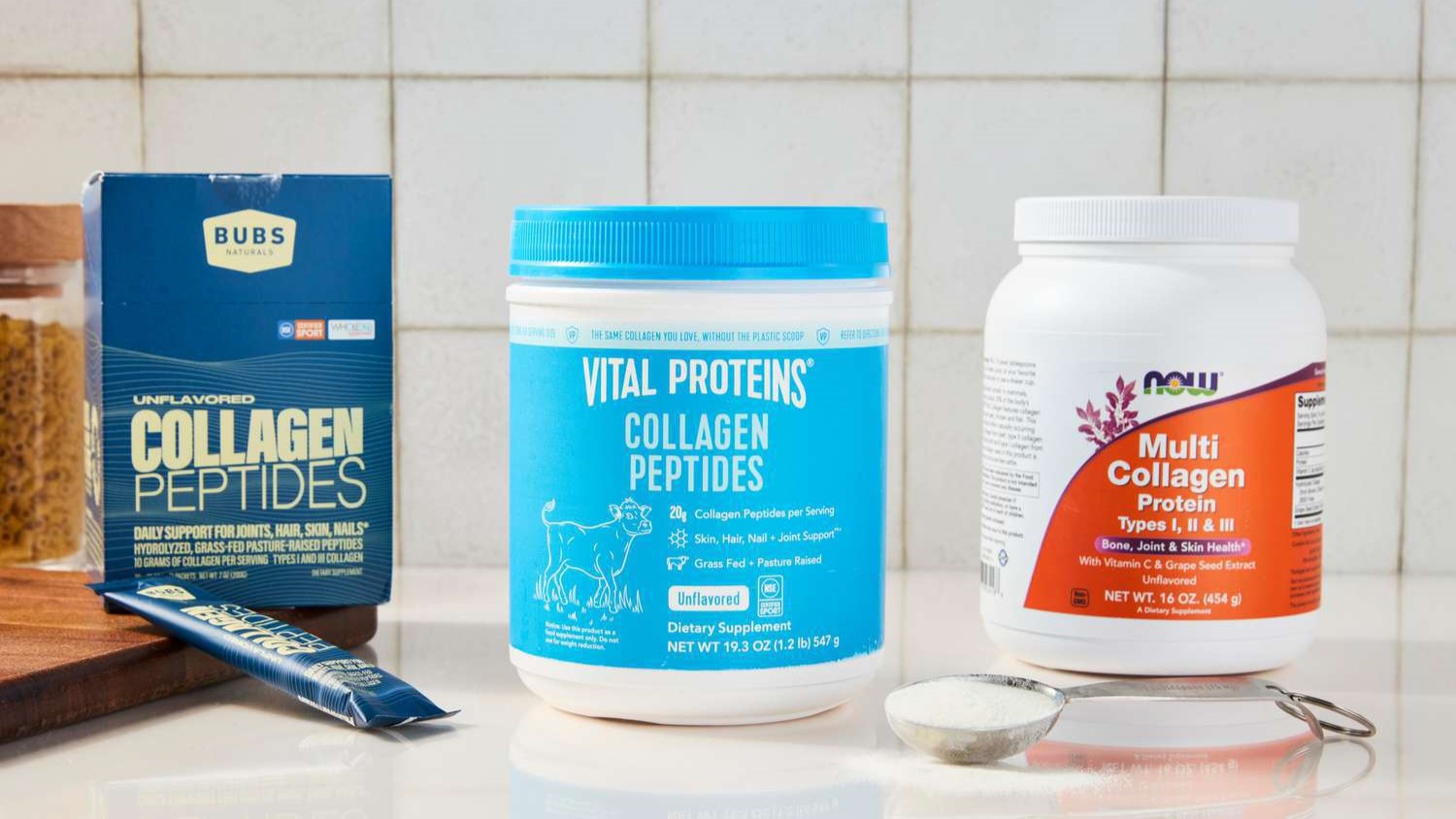
Collagen Peptides for Gut Health: Intestinal Barrier, Leaky Gut and the Clinical Evidence
Collagen's role in gut health is often overlooked in favour of its skin and joint applications — yet the gut stands to benefit as much as any tissue. The intestinal wall is approximately 70% collagen by dry weight — collagen provides the structural scaffold of the lamina propria (the connective tissue layer beneath the epithelium), the submucosa, and the muscular wall. When intestinal collagen is degraded or inadequately maintained, gut structure deteriorates, permeability increases, and motility becomes dysregulated. Collagen peptide supplementation provides the specific amino acids and bioactive peptides that support intestinal collagen synthesis and epithelial barrier repair.
The Role of Collagen in Gut Structure
Gut-specific collagen functions include:
- Lamina propria scaffolding: Type I and III collagen form the structural matrix of the lamina propria — the connective tissue layer directly beneath the intestinal epithelium that provides mechanical support and houses immune cells, blood vessels, and enteric nerve fibres
- Basement membrane: Type IV collagen forms the basement membrane on which intestinal epithelial cells sit — essential for cell adhesion, polarity, and differentiation
- Enteric smooth muscle support: Collagen provides the structural framework of the intestinal smooth muscle layers that coordinate peristaltic contractions
- Tight junction anchoring: The extracellular matrix collagen network physically anchors tight junction complexes and supports their spatial organisation
Glycine: The Key Gut Health Amino Acid
Collagen is approximately 33% glycine — by far the highest glycine concentration of any food protein. Glycine has specific gut health properties that are relevant to collagen supplementation's gut benefits:
- Tight junction gene expression: Glycine upregulates ZO-1 and claudin-1 tight junction protein synthesis through mTOR pathway activation in intestinal epithelial cells
- Anti-inflammatory in intestinal epithelium: Glycine inhibits intestinal macrophage and neutrophil NF-kB activation through glycine-gated chloride channel stimulation — reducing intestinal cytokine production independently of the collagen structural role
- Mucosal healing: Glycine is required for glutathione synthesis (the primary intracellular antioxidant protecting mucosal cells from oxidative damage) and is a conditionally essential amino acid during intestinal injury and recovery
Research: Intestinal Permeability RCT
A human RCT found collagen peptide supplementation (10g daily for 8 weeks) significantly reduced serum zonulin levels compared to placebo — zonulin is the primary biomarker of tight junction opening and intestinal permeability. Participants also reported significant improvements in bloating, abdominal pain, and bowel regularity. A separate study in athletes (whose intensive training typically increases intestinal permeability) found collagen supplementation maintained gut barrier integrity during training periods — with significantly lower lactulose:mannitol ratios compared to placebo.
Research: IBS Symptom Improvement
A clinical study found that collagen peptide supplementation significantly reduced IBS symptom severity scores over 12 weeks — with the greatest improvements in bloating, abdominal pain, and bowel irregularity. The mechanism likely involves both the glycine-mediated tight junction strengthening (reducing the luminal antigen exposure that drives IBS visceral hypersensitivity) and the anti-inflammatory effects of collagen-derived hydroxyproline peptides in the intestinal mucosa.
Hydroxyproline Peptides and Intestinal Fibroblasts
Hydroxyproline-containing dipeptides (Hyp-Gly, Pro-Hyp) — the signature peptides produced by collagen hydrolysis — have been shown to stimulate intestinal fibroblasts to upregulate their own collagen synthesis. This is the same signalling mechanism responsible for collagen peptides' skin benefits, now documented in the gut context: consuming hydrolysed collagen produces circulating Hyp-Pro peptides that signal intestinal connective tissue cells to increase collagen production — supporting lamina propria structural integrity and the scaffolding that underpins gut barrier function.
Dosage for Gut Health
- Dose: 10-15g hydrolysed collagen peptides daily for gut applications — the dose used in the intestinal permeability RCTs
- With vitamin C: Essential cofactor for prolyl hydroxylase — the enzyme that stabilises newly synthesised collagen triple helix. Take with a vitamin C-containing food or supplement
- Morning use: Taking collagen in bone broth or warm water in the morning on a relatively empty stomach maximises the glycine delivery to the intestinal epithelium before meals
- Bone broth: Traditional bone broth provides collagen peptides, glycine, and glutamine simultaneously — making it arguably the most complete natural gut lining support food
- Type I/III hydrolysate: The form used in all gut health research — not gelatin (which gels and is less bioavailable) and not native collagen
References & Further Reading
- Abrahams M, et al. (2022). Effect of a Daily Collagen Peptide Supplement on Digestive Symptoms in Healthy Women. International Journal of Environmental Research and Public Health, 19(19), 12270.
- Zhong Z, et al. (2003). L-Glycine: a novel antiinflammatory, immunomodulatory, and cytoprotective agent. Current Opinion in Clinical Nutrition and Metabolic Care, 6(2), 229–240.
- Shoulders MD & Raines RT. (2009). Collagen structure and stability. Annual Review of Biochemistry, 78, 929–958.
- Lis DM & Baar K. (2019). Effects of Different Vitamin C-Enriched Collagen Derivatives on Collagen Synthesis. International Journal of Sport Nutrition and Exercise Metabolism, 29(5), 526–531.