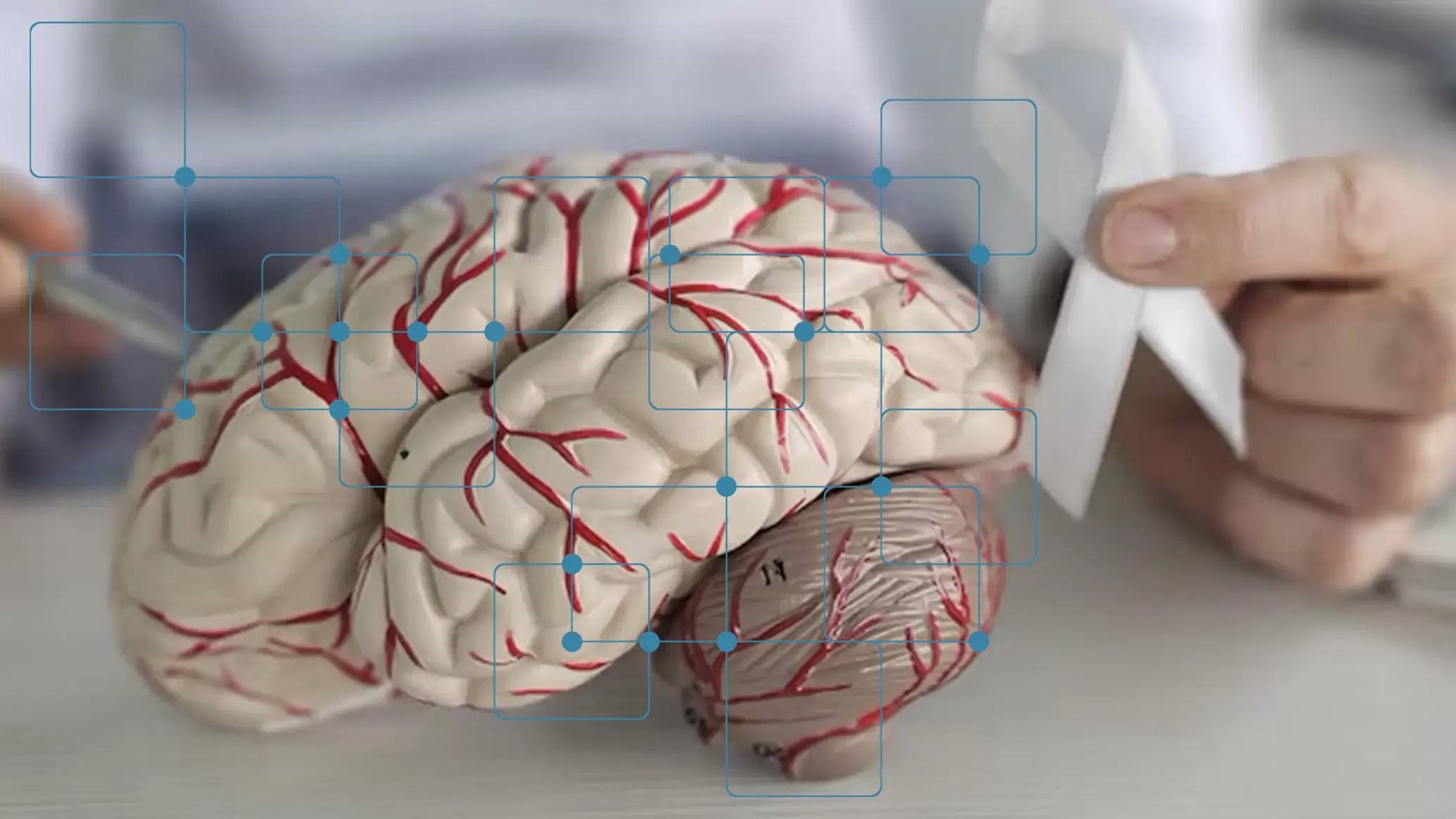
Creatine for Cognitive Function and Brain Health: What 16 RCTs and the Muscle-Brain Axis Show
The brain accounts for approximately 20% of the body's total energy expenditure despite representing only 2% of body weight. Neuronal firing, synaptic transmission, and the maintenance of ion gradients across cell membranes all require continuous, high-volume ATP production. The phosphocreatine energy buffer — which creatine supplementation directly replenishes — is as active in the brain as it is in skeletal muscle. Brain creatine stores decline with age, and low dietary creatine intake is directly associated with poorer cognitive function in older adults.
Despite this well-established neurological relevance, creatine's cognitive benefits remain largely unknown outside research circles — obscured by its gym supplement reputation. The evidence base has now reached sufficient breadth and depth to warrant serious consideration of creatine as a cognitive health intervention for adults over 40.
The 2024 Meta-Analysis: Memory, Attention, Processing Speed
A systematic review and meta-analysis published in Frontiers in Nutrition (Xu et al., July 2024) analysed 16 RCTs in 492 adults aged 20.8–76.4 years — all using creatine monohydrate — and assessed effects on overall cognitive function, memory, executive function, attention, and information processing speed.
Key quantified findings:
- Memory: SMD = 0.31 — a statistically significant improvement in memory performance compared to placebo. SMD values above 0.20 are considered a small but clinically meaningful effect in cognitive research
- Attention time: SMD = −0.31 — significant improvement in attention speed (negative SMD indicates faster response times)
- Information processing speed: SMD = −0.51 — the largest and most consistent cognitive effect, representing a moderate-magnitude improvement in how quickly the brain processes and responds to information
- Overall cognitive function: No statistically significant improvement at the pooled level — consistent with creatine having targeted effects on energy-demanding cognitive domains (memory recall, sustained attention, rapid processing) rather than broad non-specific cognitive enhancement
Benefits were most pronounced in participants with pre-existing health conditions, adults aged 18–60, and female subjects. No significant difference was observed between short-term and long-term intervention durations — suggesting the cognitive benefits appear relatively quickly and are maintained with continued supplementation.
Cognitive Benefits in Older Adults: The 2025 Systematic Review
A separate systematic review published in Nutrition Reviews (Marshall et al., September 2025) specifically examined creatine and cognition in older adults, searching eight electronic databases and including both RCT interventions and cross-sectional dietary creatine studies. Key findings:
- 5 of 6 studies (83.3%) reported a positive relationship between creatine and cognition in older adults
- Benefits were most consistent in the domains of memory and attention — directly mapping to the energy-intensive cognitive tasks that phosphocreatine buffering supports
- Cross-sectional data confirmed the dietary creatine-cognition association: older adults consuming less than 0.95g/day dietary creatine had measurably poorer cognitive function than those consuming more
- The review identified a significant research gap: most existing high-quality RCT evidence is in younger adults, with fewer rigorous long-term trials specifically in older populations — making supplementation in older adults potentially even more beneficial than current trial data can fully quantify
The Muscle-Brain Axis: Why Sarcopenia and Cognitive Decline Co-Occur
An emerging area of research — the muscle-brain axis — has established that skeletal muscle and cognitive function are bidirectionally linked through shared biological pathways. A 2026 narrative review in Frontiers in Nutrition (Li et al.) reviewed the evidence for this axis in the context of creatine supplementation:
- Sarcopenia and cognitive impairment co-occur at rates far above what chance would predict — longitudinal studies show that muscle mass loss in adults 65–86 is significantly associated with cognitive decline over a 3-year follow-up
- Shared mechanisms include: mitochondrial dysfunction, chronic low-grade inflammation (inflammageing), insulin resistance, and reduced neurotrophic factor (BDNF) production
- Creatine addresses the muscular component directly (sarcopenia prevention) and the neurological component directly (brain phosphocreatine stores) — making it one of the only interventions that simultaneously targets both ends of this axis
This framework helps explain why the cognitive benefits of creatine are particularly pronounced in older adults with low muscle mass — the population where both arms of the muscle-brain axis are most compromised.
Sleep Deprivation and Cognitive Resilience
A particularly practical application of creatine's cognitive effects is documented in sleep deprivation research. A 2024 RCT found that creatine supplementation significantly improved cognitive function and reduced mental fatigue in sleep-deprived individuals — a finding with obvious relevance for anyone experiencing disrupted sleep (a near-universal feature of ageing from the mid-40s onwards).
The mechanism is consistent with creatine's core pharmacology: sleep deprivation depletes brain phosphocreatine stores, impairing ATP regeneration during sustained cognitive demand. Supplementation maintains higher baseline brain creatine levels, providing a larger energy buffer against the cognitive costs of sleep loss. This is particularly relevant for older adults, who experience significant age-related changes in sleep architecture independent of any sleep disorder.
Vegetarians and Vegans: The Largest Cognitive Benefit
Vegetarians and vegans have effectively zero dietary creatine intake — their baseline muscle and brain creatine levels are measurably lower than omnivores on standard blood and MRI spectroscopy measurements. The cognitive effect size of creatine supplementation in vegetarians is therefore substantially larger than in meat-eating populations, because supplementation is elevating creatine from a genuinely deficient baseline rather than a merely suboptimal one.
A 2022 meta-analysis (Avgerinos et al., Nutritional Neuroscience) confirmed the largest cognitive improvements from creatine were seen in vegetarians and older adults — the two groups with the lowest baseline creatine availability. For plant-based diet followers over 40, creatine supplementation is arguably the single highest-priority supplement based on dietary gap and documented benefit.
Mood and Neuropsychiatric Applications
Emerging evidence extends creatine's brain effects beyond pure cognitive performance into mood and depression. The 2025 Taylor & Francis review (Forbes et al.) noted that creatine's role in increasing brain phosphocreatine stores supports hippocampal neurogenesis and neurotransmitter activity — mechanisms relevant to mood regulation. A systematic review by Prokopidis et al. reported significant improvements in memory and mood outcomes following creatine supplementation, particularly in healthy individuals under cognitive or emotional stress. Creatine may also increase serotonin production and improve synaptic plasticity through mechanisms that partially overlap with antidepressant pharmacology — without the side effect profile.
Practical Protocol for Cognitive Applications
- Dose: 3–5g creatine monohydrate daily; cognitive benefits do not appear to require loading — standard daily dosing achieves the brain creatine elevation needed
- Population priority: Vegetarians/vegans (any age), adults over 55 with low meat/fish consumption, anyone experiencing age-related cognitive fatigue or sleep disruption
- Combination: Creatine pairs well with omega-3 fatty acids (neuroinflammation), lion's mane mushroom (nerve growth factor), and B vitamins (homocysteine, methylation) for a comprehensive brain health stack
- Timeline: Cognitive improvements are measurable from 4–8 weeks of consistent supplementation; the muscle-brain axis benefits compound over months of maintained supplementation and resistance training
References
- Xu C, et al. (2024). Effects of creatine monohydrate on cognitive function: 16-RCT meta-analysis. Front Nutr, 11:1424972.
- Marshall S, et al. (2025). Creatine and Cognition in Aging: Systematic Review. Nutrition Reviews, nuaf135.
- Li N. (2026). Creatine supplementation and the muscle-brain axis in aging. Front Nutr, 12:1687719.
- Forbes SC, et al. (2025). Creatine as an adjunct to healthy aging. Taylor & Francis, 2565997.
- Avgerinos KI, et al. (2022). Creatine supplementation for cognition: meta-analysis. Nutritional Neuroscience.