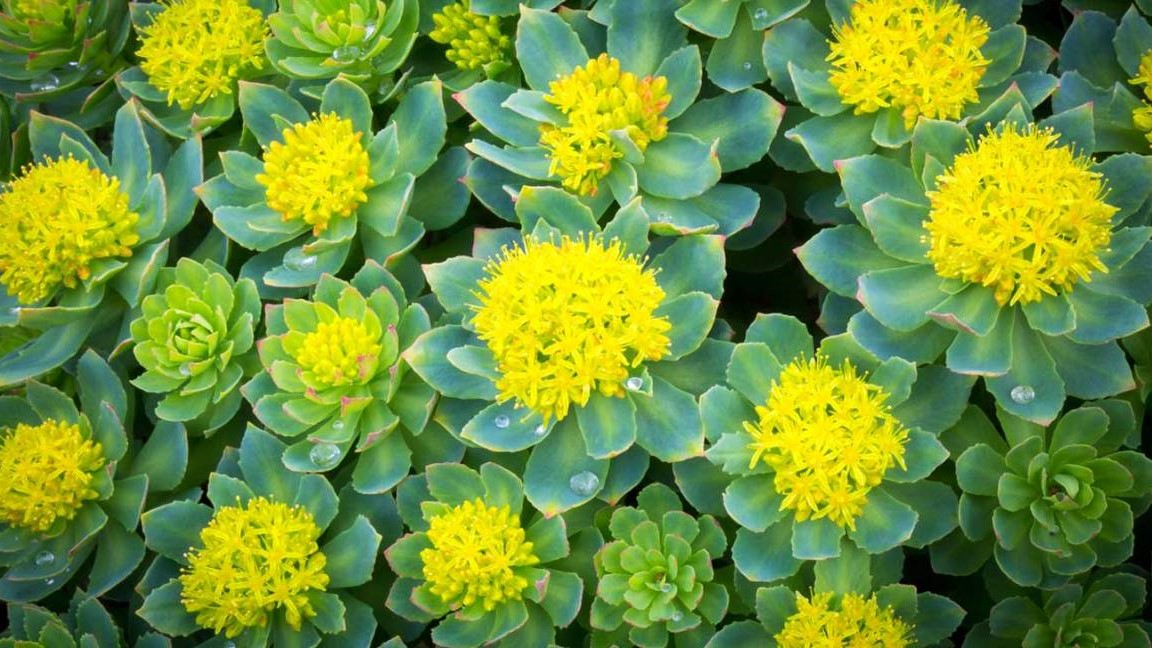
Rhodiola Rosea Explained: Rosavins, Salidroside, and Why Most Supplements Fail the Quality Test
Rhodiola rosea has one of the most intriguing pharmacological profiles of any adaptogenic herb — and one of the most serious quality problems in the supplement market. Understanding what makes Rhodiola rosea specifically effective, and why so many commercial products fail to deliver it, is essential before purchasing any supplement in this category.
What Rhodiola Rosea Actually Is
Rhodiola rosea — also called golden root, arctic root, or roseroot — is a perennial herb native to the cold high-altitude regions of the Arctic, Siberia, Scandinavia, and mountainous areas of Central Asia. It grows in dry, rocky soil at elevations up to 5,400 metres, conditions that drive the accumulation of protective bioactive compounds in its root and rhizome. It has been used in traditional medicine across Russia, Scandinavia, China, and Central Asia for centuries — valued for physical endurance, fatigue resistance, and stress adaptation.
There are over 200 species in the Rhodiola genus. This distinction is critical: only Rhodiola rosea contains the rosavin group of compounds. Other Rhodiola species (Rhodiola crenulata, Rhodiola imbricata, etc.) contain salidroside but not rosavins — meaning they have a fundamentally different and less well-documented pharmacological profile. A supplement labelled simply "Rhodiola" without specifying Rhodiola rosea may be a different species entirely.
The Two Key Bioactive Families
Rosavins: The Rhodiola rosea Signature Compounds
Rosavins are a group of phenylpropanoid glycosides — specifically rosavin, rosarin, and rosin — found almost exclusively in Rhodiola rosea among the entire Rhodiola genus. They serve as the chemical authentication markers for genuine Rhodiola rosea identity. Their mechanisms include:
- Monoamine oxidase (MAO) inhibition — increasing the availability of serotonin, dopamine, and noradrenaline in the brain; the same neurotransmitter systems targeted by antidepressant medications but through a gentler, non-selective modulation
- Beta-endorphin stimulation — rosavins trigger opioid receptor-mediated stress tolerance, contributing to Rhodiola's pain-buffering and resilience-enhancing effects
- HPA axis modulation — reducing the overactivation of the hypothalamic-pituitary-adrenal axis that drives cortisol overproduction during chronic stress
The naturally occurring ratio of rosavins to salidroside in genuine Rhodiola rosea root is approximately 3:1 — a ratio that quality extracts are standardised to replicate.
Salidroside: The Shared Compound with Unique Roles
Salidroside (also called rhodioloside) is found across multiple Rhodiola species and has its own independent research base. Its documented mechanisms include:
- AMPK activation — the same metabolic master switch activated by exercise, caloric restriction, and metformin; driving cellular energy optimisation and longevity pathway activation
- SIRT1 activation — a key sirtuin longevity deacetylase, linking Rhodiola to the same anti-ageing pathways as resveratrol and green tea EGCG
- Nrf2 upregulation — activating the body's endogenous antioxidant enzyme cascade
- NF-kB inhibition — reducing pro-inflammatory signalling
- Neuroprotection — salidroside protects neurons against oxidative stress and hypoxic damage, with particular relevance for brain resilience under cognitive demand and high-altitude conditions
Pharmacokinetic studies in healthy volunteers confirm that maximum plasma concentrations of both salidroside and rosavin are reached approximately 2 hours after oral ingestion, then decline exponentially, reaching non-detectable levels at around 8 hours. This pharmacokinetic profile means effects are relatively acute and timing matters — consistent with the clinical observation that single-dose Rhodiola administration can produce measurable mental performance improvements within 2 hours.
The Supplement Quality Crisis
A 2016 analysis of 40 commercial Rhodiola supplements available in Europe (Booker et al., Phytomedicine) produced alarming findings:
- 23% of "Rhodiola" supplements contained no rosavin at all — suggesting the product contained a non-rosea Rhodiola species or no Rhodiola at all
- Seven of the 40 samples were adulterated with other Rhodiola species or unknown plant material
- Two samples contained no Rhodiola whatsoever — one was found to contain 5-hydroxytryptophan (5-HTP) instead
- Consistency of active compound content varied enormously even among products that did contain genuine Rhodiola rosea
This represents a more severe adulteration problem than most other popular herbs. The practical implication: a significant proportion of Rhodiola supplements on the market will produce no adaptogenic benefit because they contain none of the compounds responsible for it.
The European Medicines Agency Approval
In 2011, the European Medicines Agency (EMA) granted a Traditional Herbal Medicinal Product (THMP) approval to Rhodiola rosea root extract — specifically for the traditional use as an adaptogen for the temporary relief of symptoms of stress, fatigue, exhaustion, and weakness. The EMA concluded that long-standing use and the outcomes of available clinical trials supported the plausibility of this indication. This is the highest level of regulatory recognition any adaptogenic herb has received in Europe — and it is specific to Rhodiola rosea (not other Rhodiola species), further underscoring the importance of species identification in supplement selection.
How to Choose a Quality Rhodiola rosea Supplement
- Species name must be Rhodiola rosea — not "Rhodiola sp." or other species; the species name should be explicitly stated on the label
- Standardised to 3% rosavins and 1% salidroside minimum — this is the accepted quality standard reflecting the natural 3:1 rosavin:salidroside ratio. Some higher-potency extracts use 3% rosavins and 2.5% salidroside. Both are acceptable; what matters is that rosavins are present and quantified
- Root extract specified — the root and rhizome are the documented medicinal parts; avoid products that do not specify the plant part used
- Third-party testing — given the documented adulteration rate, third-party identity and potency verification (NSF, USP, or independent certificate of analysis) is particularly important for Rhodiola compared to most other supplements
- Sustainable sourcing disclosure — wild Rhodiola rosea populations in the Altai region of Siberia (the primary commercial source) are under conservation pressure; sustainably cultivated or responsibly wild-harvested products are preferable
References
- Booker A, et al. (2016). The authenticity and quality of Rhodiola rosea products. Phytomedicine, 23:754–762.
- EMA. (2011). Community herbal monograph on Rhodiola rosea L., rhizoma et radix. EMA/HMPC/232091/2011.
- Lucius K. (2024). Rhodiola rosea: Clinical Evidence for Adaptogenic and Ergogenic Effects. Integrative and Complementary Therapies.
- Tinsley GM, et al. (2024). Rhodiola rosea as an adaptogen to enhance exercise performance. British Journal of Nutrition, 131:461–473.