Adaptogen
Rhodiola Rosea
Adaptogenic herb with 40+ clinical trials supporting cortisol reduction, mental fatigue relief and stress resilience — the ideal lifestyle companion to Ashwagandha.
Adaptogenic herb with 40+ clinical trials supporting cortisol reduction, mental fatigue relief and stress resilience — the ideal lifestyle companion to Ashwagandha.
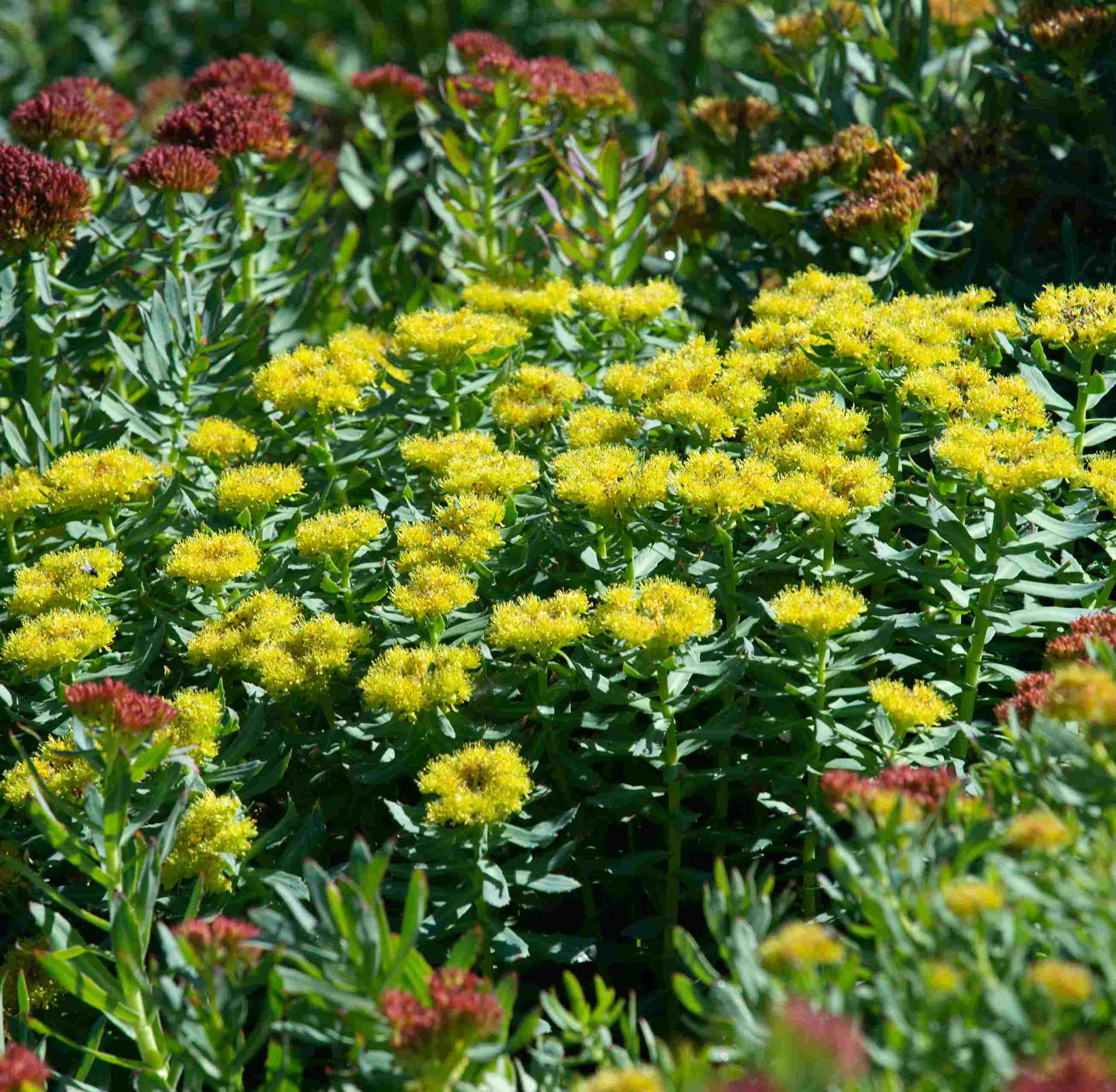
Rhodiola rosea — also known as golden root or arctic root — is a flowering plant native to the cold mountainous regions of Europe, Asia, and North America. Used for centuries in Scandinavian, Russian, and Chinese traditional medicine for endurance, fatigue reduction, and stress adaptation, it is classified as an adaptogen — a substance that helps the body maintain balance and resilience under stress.
The primary bioactive compounds are rosavins (unique to Rhodiola rosea) and salidroside — both shown to modulate the HPA (hypothalamic-pituitary-adrenal) axis, the body's central stress response system.
Rhodiola modulates the HPA axis — reducing excessive cortisol release during stress while maintaining the normal alertness response. A randomised, double-blind, placebo-controlled trial in Phytomedicine found 400mg/day for 4 weeks significantly reduced burnout and stress assessment scores vs placebo. Chronically elevated cortisol accelerates ageing via telomere shortening, immune suppression, muscle breakdown, and disrupted sleep.
Rhodiola has among the strongest evidence of any adaptogen for mental fatigue. A landmark crossover study (Shevtsov et al., Phytomedicine) found a single dose significantly improved associative thinking, short-term memory, calculation, and concentration in fatigued physicians on night shifts. A 2012 study found 576mg/day for 8 weeks significantly reduced mental fatigue and improved wellbeing in burnout patients.
Multiple RCTs demonstrate Rhodiola reduces physical fatigue and improves exercise capacity. De Bock et al. (2004) found it significantly reduced perceived exertion and improved endurance. The mechanism involves reduced exercise-induced oxidative stress and improved mitochondrial efficiency — without a stimulant rebound crash.
A placebo-controlled trial in the Nordic Journal of Psychiatry found 340mg/day significantly improved mild-to-moderate depression scores over 6 weeks. A 2015 comparative study found Rhodiola produced similar mood improvements to sertraline with significantly fewer side effects. The proposed mechanism involves MAO inhibition — increasing serotonin and dopamine availability.
Salidroside activates AMPK and SIRT1 (longevity pathways shared with caloric restriction and resveratrol). Rosavins inhibit NF-kB inflammatory signalling. Rhodiola has extended lifespan in C. elegans and Drosophila model organisms through stress-resistance pathway activation.
These are complementary, not competing, adaptogens. Ashwagandha primarily reduces cortisol and promotes deep sleep and recovery — better for evening use and hormonal rebalancing. Rhodiola enhances performance under acute stress and reduces fatigue — better for morning or pre-work use. Together they provide comprehensive adaptogenic coverage.
Clinical trials use 200-600mg daily of standardised extract (3% rosavins, 1% salidroside). Take in the morning or early afternoon on an empty stomach — its mild stimulating properties can interfere with sleep if taken late. Effects on mental fatigue are often noticeable within a single dose; anti-stress and mood effects build over 2-4 weeks.
In-depth science-based articles about this product
Rhodiola is well studied for mental fatigue and burnout, but a smaller, separate set of trials has t...
.jpg)
Rhodiola rosea modulates the acute cortisol stress response, inhibits MAO enzymes that deplete calmi...
Rhodiola rosea is a cold-climate adaptogen with 40+ clinical trials demonstrating significant effect...
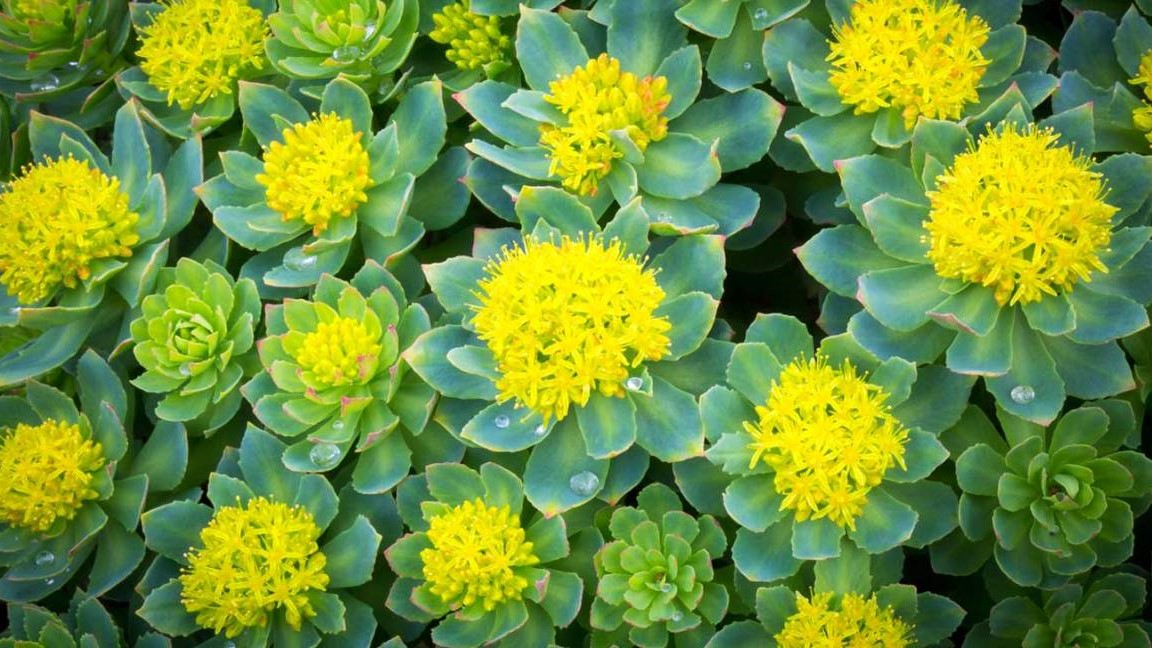
Rhodiola rosea is the only species in the Rhodiola genus that contains rosavins — the compounds th...

Rhodiola rosea is the only adaptogen with an EMA-approved indication specifically for stress-related...

A 2025 systematic review and meta-analysis (Frontiers in Nutrition) confirmed Rhodiola rosea supplem...
Learn more about how Rhodiola Rosea supports these health areas