Depression affects over 280 million people worldwide. A landmark 2025 scoping review in Frontiers in Pharmacology analysed 209 clinical trials across 64 OTC products for depression — finding strong evidence concentrated on a small number of natural interventions.
? The Evidence Hierarchy at a Glance
- ? St John's Wort — 38 clinical trials; equivalent to antidepressants in 11 head-to-head studies; highest "+++ Recommended" WFSBP/CANMAT rating for any herbal product
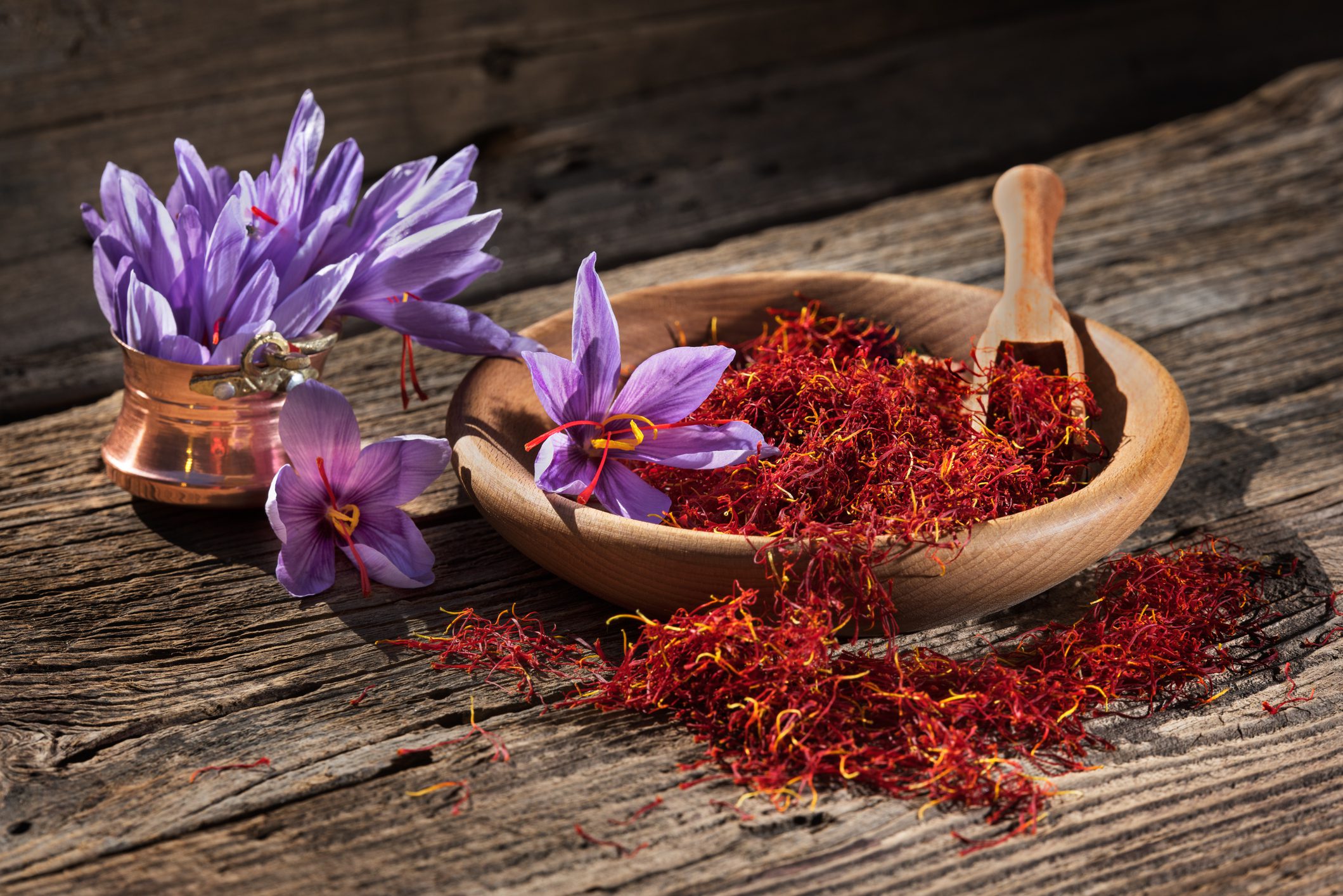
- ? Saffron (30mg/day) — 18 trials; matched fluoxetine in 6 direct comparison studies; "++" provisionally recommended by international psychiatric guidelines
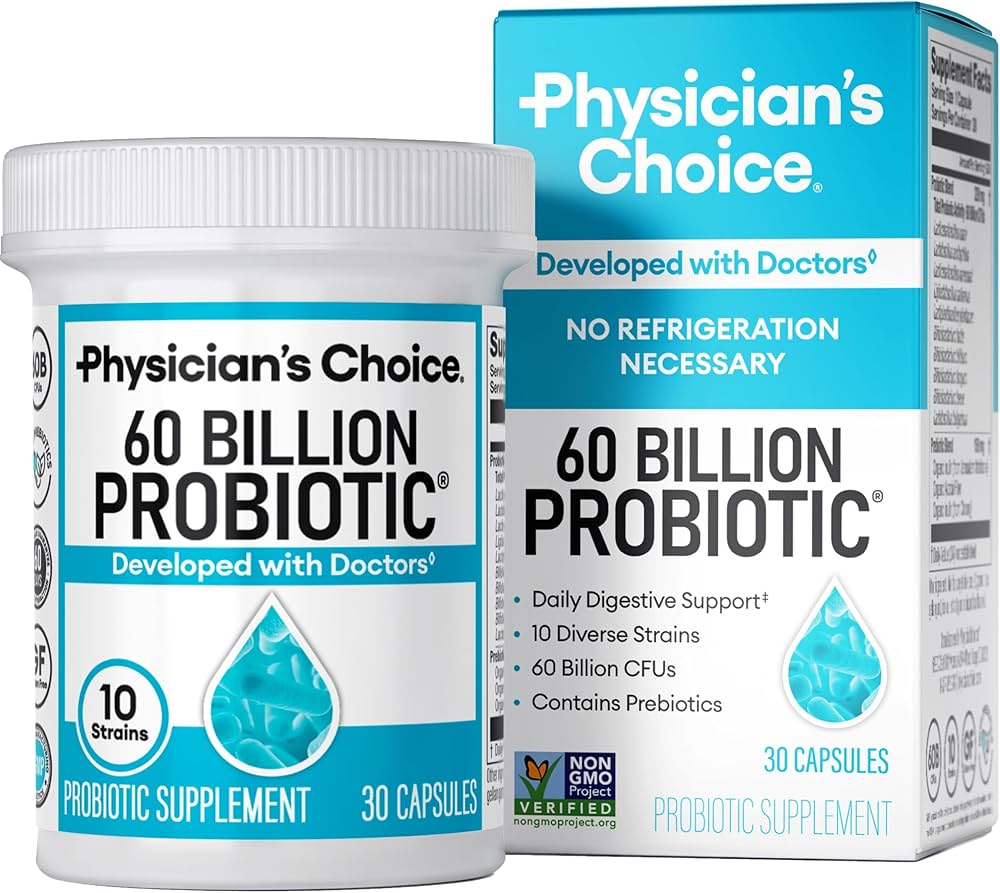
- ? Probiotics (multi-strain) — 18 trials; consistent positive signal, particularly as adjunct to antidepressants; gut-brain axis mechanism
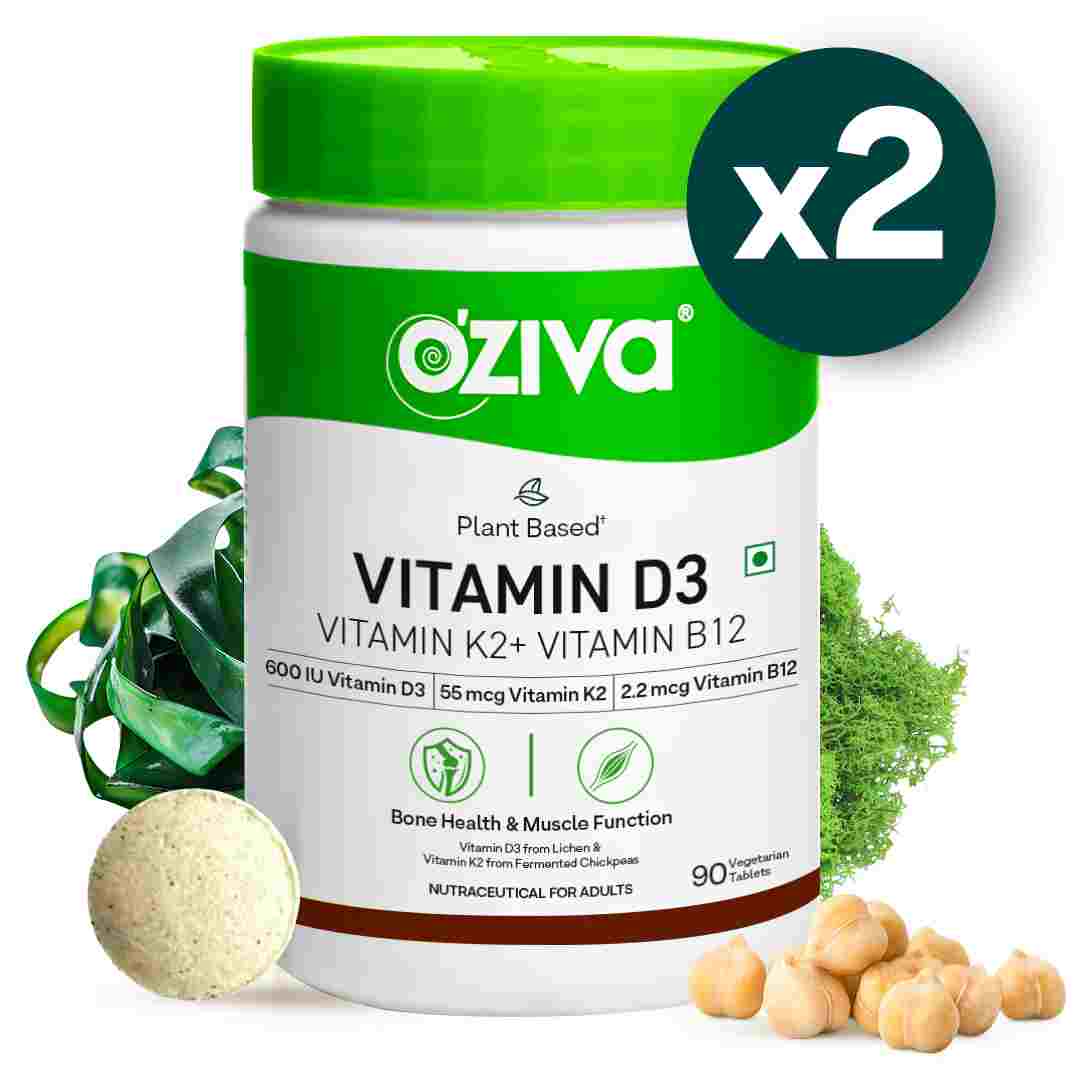
- ? Vitamin D — 14 trials; strongest evidence in deficient populations (very common in northern latitudes)
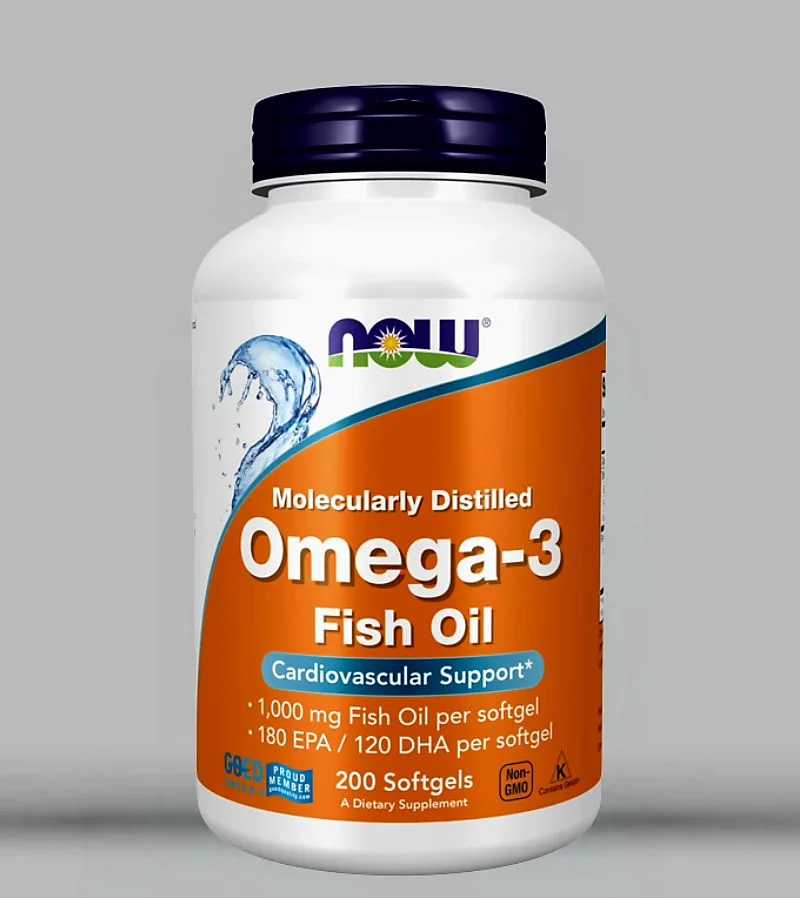
- ? Omega-3 (EPA-dominant) — 39 trials but mixed; EPA:DHA ratio >2:1 shows more consistent results; best as adjunct therapy
? Why Natural Interventions Can Work for Mood
- ? Serotonin reuptake inhibition — saffron's crocin compound inhibits serotonin reuptake via the same pathway as SSRIs
- ? Neurotransmitter multi-targeting — St John's Wort (hyperforin) inhibits reuptake of serotonin, dopamine, noradrenaline, and GABA simultaneously
- ? Gut-brain axis — gut bacteria produce 90–95% of the body's serotonin; probiotics directly influence mood via microbiome-neurotransmitter pathways
- ? Neuroinflammation — omega-3 EPA and vitamin D reduce inflammatory cytokines that directly impair mood regulation and emotional resilience
⚠️ Critical Disclaimer
Natural supplements are not established treatments for severe depression, suicidal ideation, or clinical depression without professional involvement. They work best for mild-to-moderate symptoms, as adjuncts to conventional treatment, and for mood maintenance. St John's Wort has serious drug interactions — read the full guide before use. Always consult a healthcare professional for depression assessment and treatment planning.