Natural Supplements for Depression: What 209 Clinical Trials and a 2025 Scoping Review Show
Natural supplements for depression represent one of the most-searched health topics online — and one of the most emotionally loaded. People seeking natural approaches to low mood want honest information about what the clinical evidence actually shows, not enthusiastic marketing. A landmark 2025 scoping review in Frontiers in Pharmacology provided exactly that: a systematic analysis of 209 clinical trials across 64 OTC products evaluated for depressive symptoms. Here is what it found.
The Evidence Landscape: Not All Natural Supplements Are Equal
The 2025 scoping review (Frontiers in Pharmacology, DOI: 10.3389/fphar.2025.1609605) identified a clear evidence hierarchy among natural depression interventions. The researchers found trial evidence concentrated on five key products, with the remainder having sparse or low-quality evidence. The honest picture is this: a small number of natural interventions have genuinely solid evidence; the majority remain untested or poorly evidenced despite widespread popularity.
Strong Evidence — Consistently Outperforms Placebo
St John's Wort (Hypericum perforatum): The most extensively studied herbal product for depression with 38 clinical trials in the review. Results: 16 positive versus 9 negative placebo-controlled trials — a clear overall positive signal. In head-to-head trials against antidepressants (fluoxetine, sertraline, imipramine): equivalent efficacy in 11 of 16 comparative studies. The World Federation of Societies of Biological Psychiatry (WFSBP) and CANMAT international guidelines gave St John's Wort the highest-level "+++ Recommended" rating for monotherapy depression treatment — the only herbal product to achieve this rating. Evidence is strongest for mild-to-moderate depression.
Saffron (Crocus sativus): 18 clinical trials in the review with 8 positive versus 3 negative placebo-controlled studies. In comparisons to antidepressants, 6 studies found saffron equivalent, 2 found differential effects by product. WFSBP/CANMAT guidelines gave saffron a "++" provisionally recommended rating for both adjunctive and monotherapy use. ScienceDaily's 2025 summary of the review highlighted saffron and St John's Wort as the supplements that "more often showed effects compared to placebo" out of the 64 products evaluated. Dose used in most trials: 30mg/day of standardised extract.
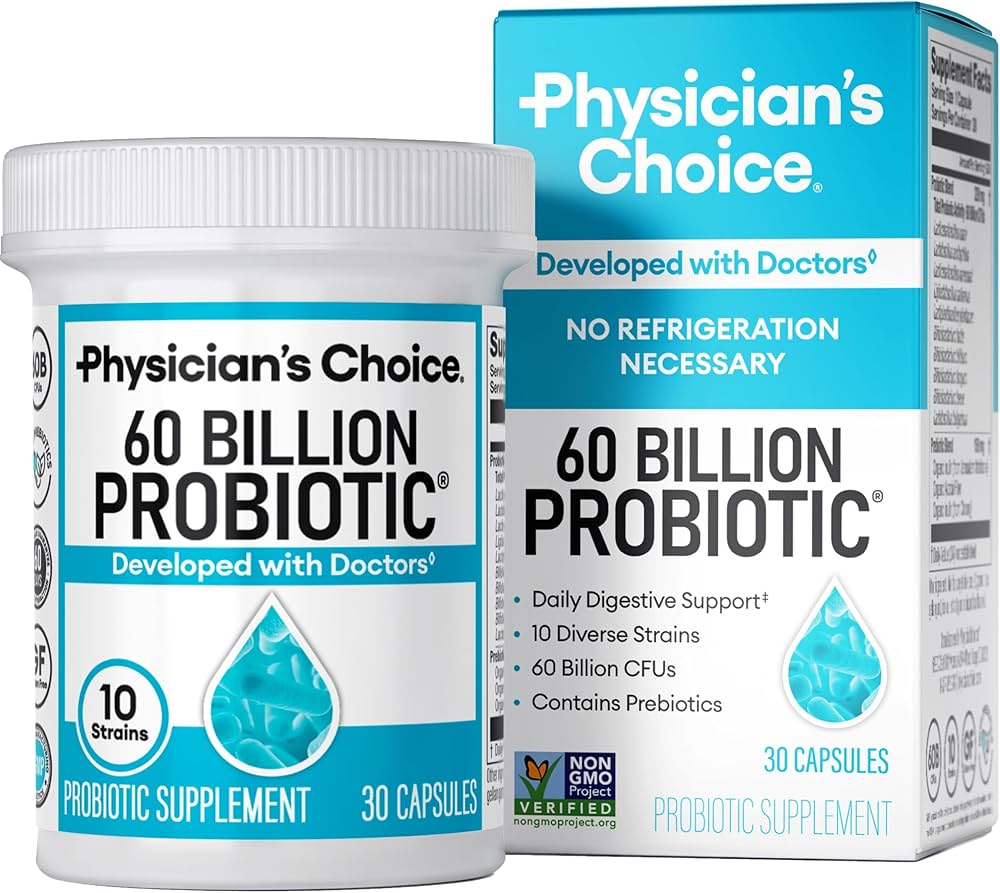
Probiotics: 18 trials in the review, with consistent positive signals particularly for multi-strain formulations. The WFSBP/CANMAT guidelines rate adjunctive probiotic use as "++" provisionally recommended. Mechanism involves the gut-brain axis — gut microbiome modulation influences serotonin production, neuroinflammation, and HPA axis sensitivity. Most effective as adjunct to antidepressant treatment or in populations with concurrent gut symptoms.
Promising — More Positive Than Negative, but Inconsistent
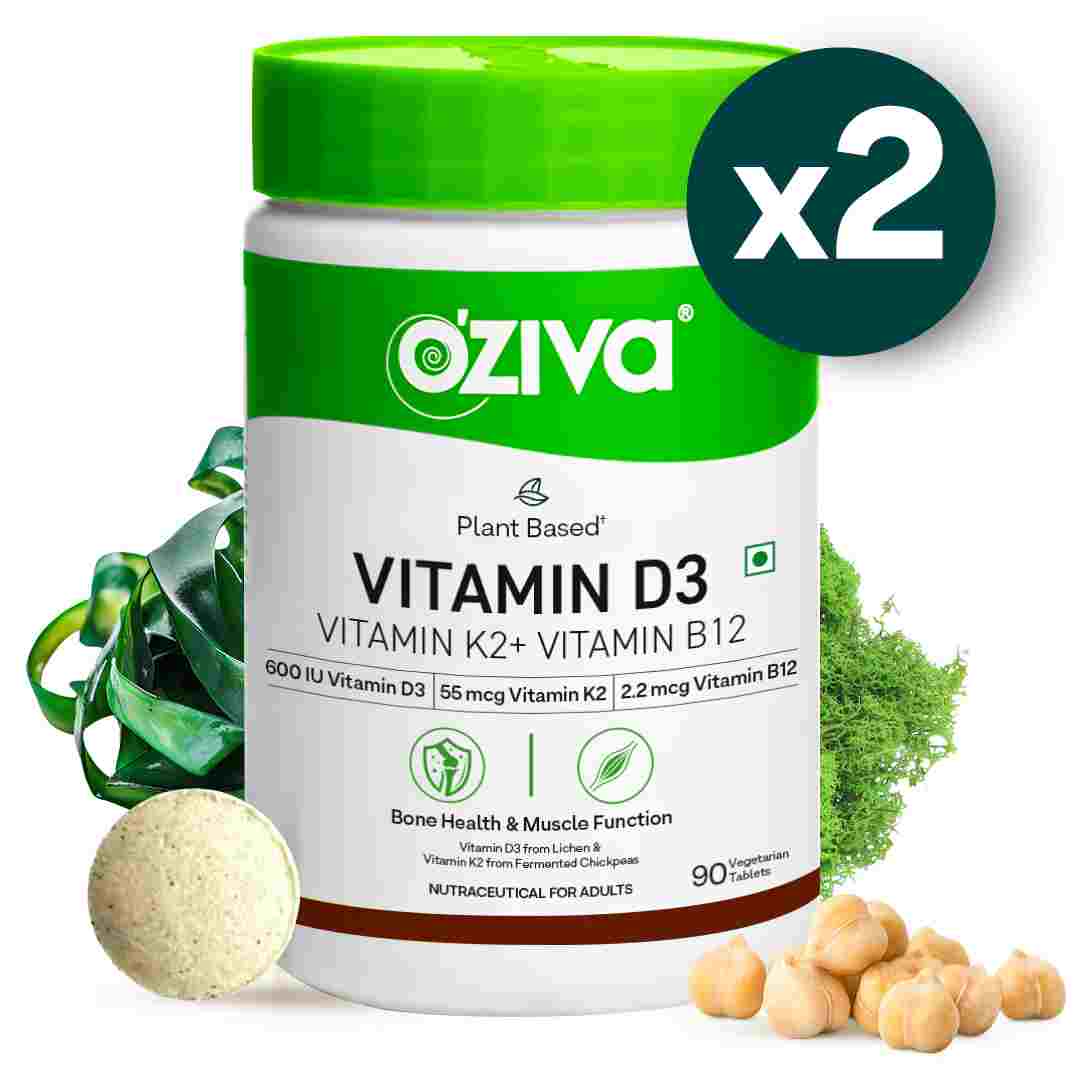
Vitamin D: 14 trials in the review; consistent positive effects in people with established vitamin D deficiency — which is extremely common in northern latitudes. The WFSBP/CANMAT guidelines give vitamin D a "+" weakly recommended rating for adjunctive or monotherapy. Given the high prevalence of deficiency and the extremely favourable safety profile, testing vitamin D status and correcting deficiency is widely recommended as a first step in natural depression management.
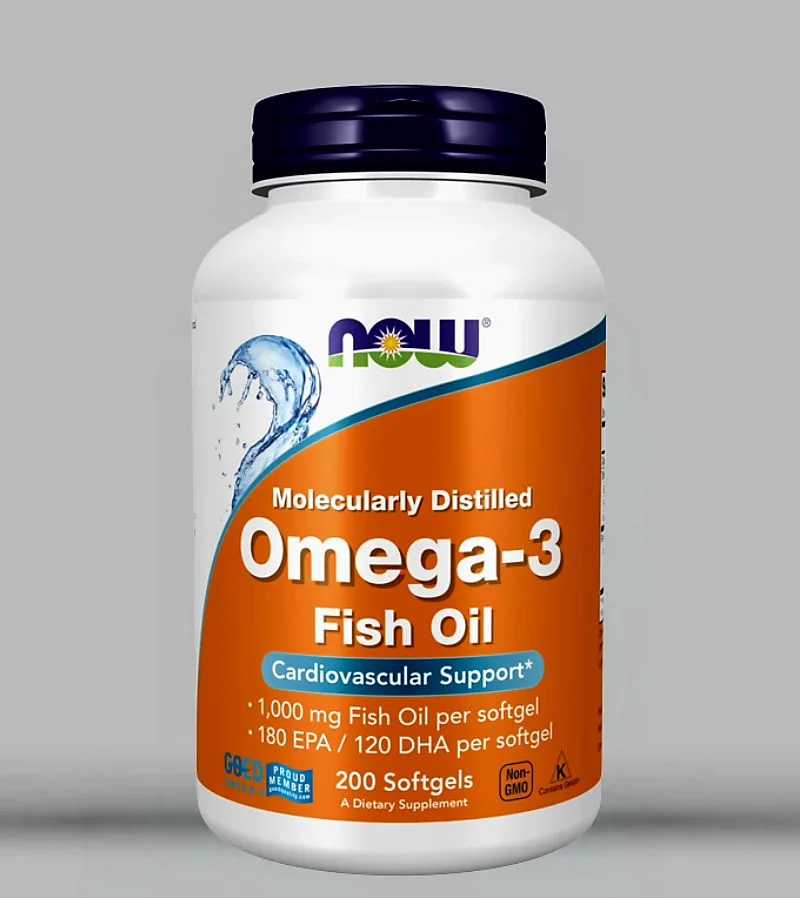
Omega-3 fatty acids (EPA): The most-studied category with 39 trials — yet results are paradoxically mixed. EPA-dominant formulations (EPA:DHA ratio >2:1) show more consistent positive results than DHA-dominant or equal-ratio formulations. The WFSBP/CANMAT guidelines rate adjunctive omega-3 as "+++ Recommended" — but specifically for adjunctive use alongside antidepressants, not monotherapy. The evidence for omega-3 as standalone depression treatment is weaker than the volume of trials might suggest. Consumer Reports noted that while one meta-analysis of 25 trials showed slight benefit over placebo, improvements were modest.
Emerging Evidence — Promising but Insufficient
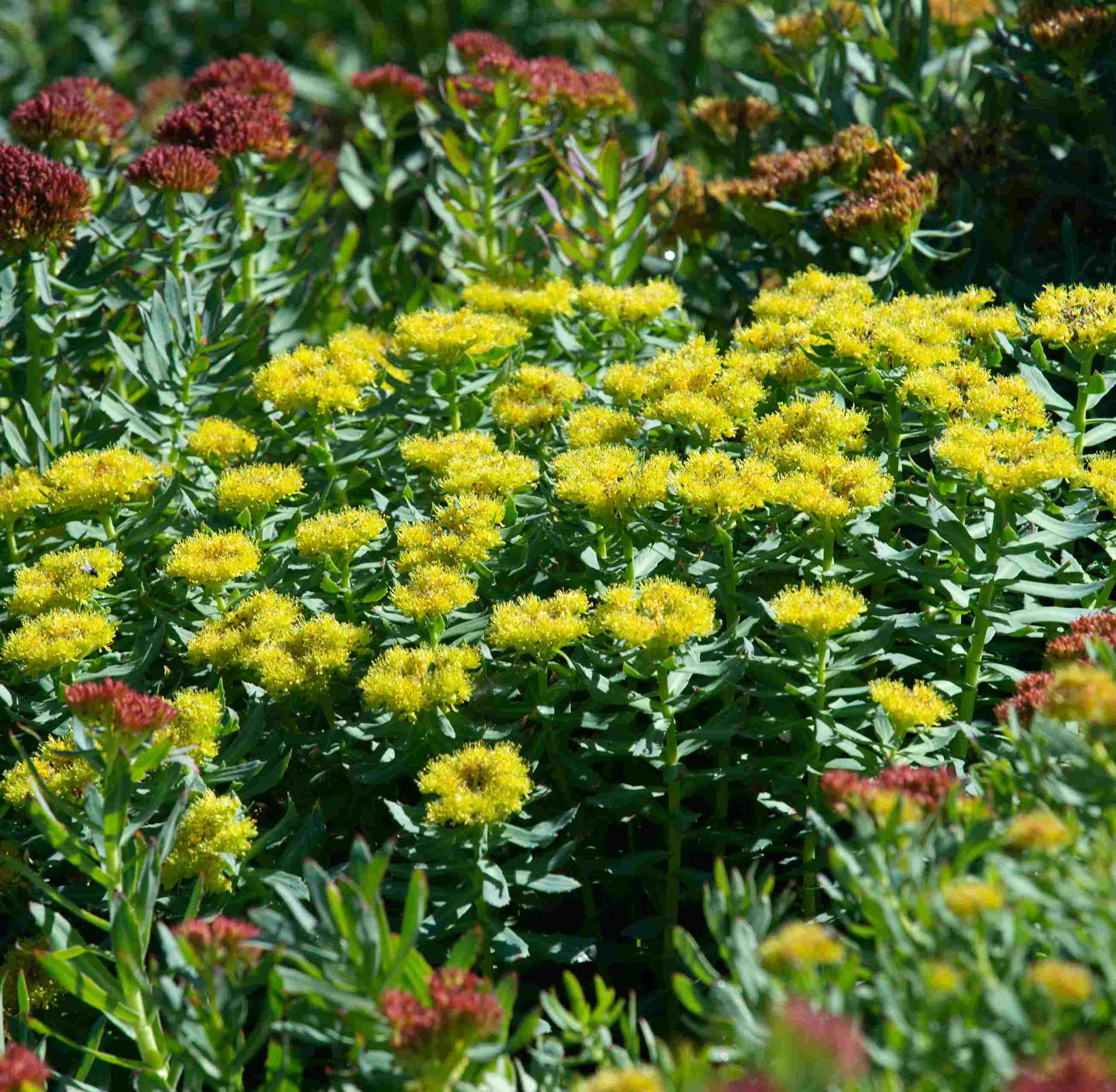
The 2025 review and the ScienceDaily summary identified these as showing promise in limited trials: folic acid, zinc, tryptophan/5-HTP, rhodiola rosea, lemon balm, lavender. Each had positive signals in small trials but insufficient replication for confident recommendation.
Mixed or Insufficient Evidence
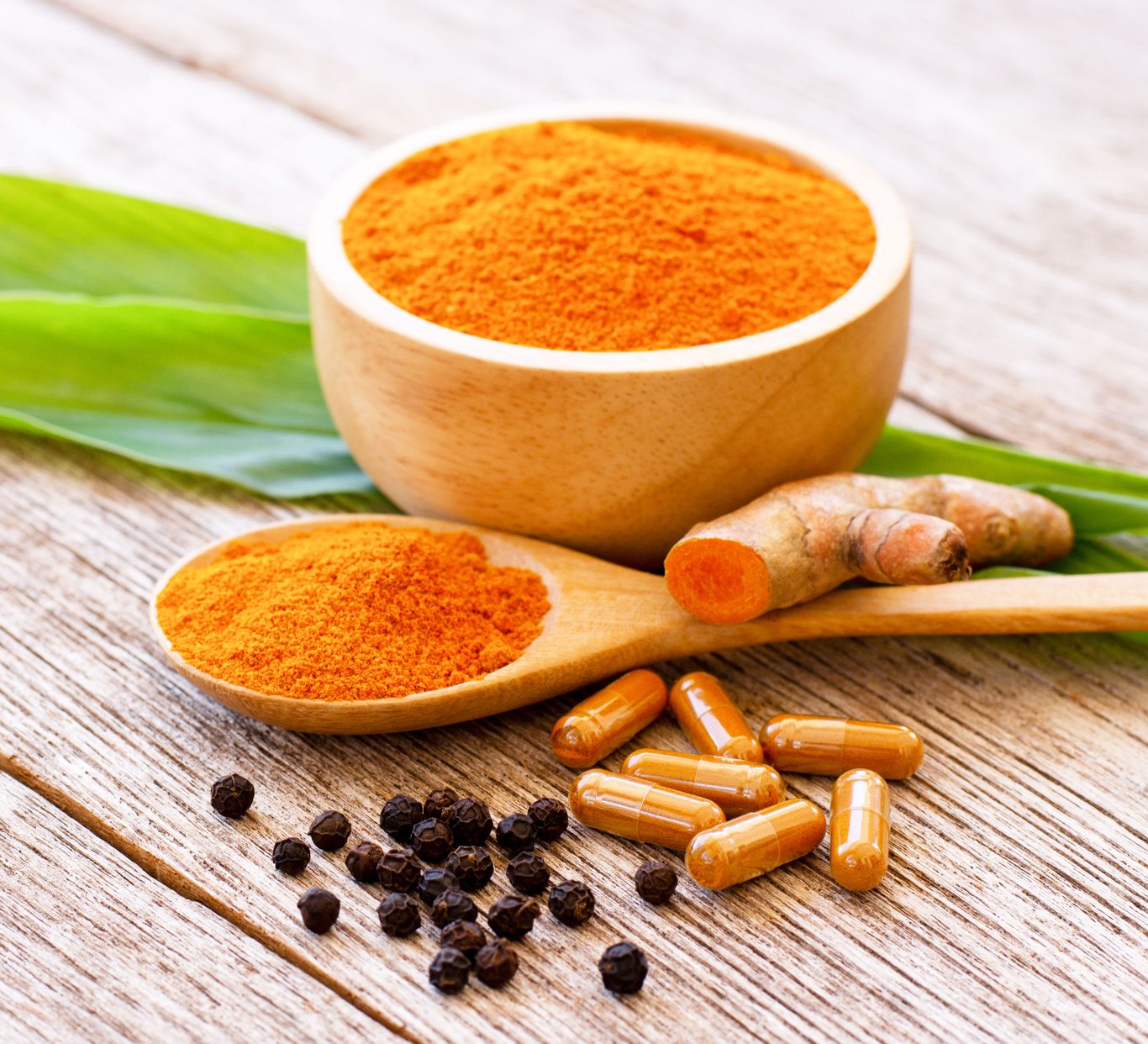
The review found mixed evidence (some positive, some negative trials) for: melatonin, magnesium, and curcumin/turmeric. This does not mean they are ineffective — it means the current trial evidence is too inconsistent to make confident recommendations for depression specifically (though magnesium and curcumin have good evidence for anxiety and anti-inflammatory effects respectively).
Critical Context: What "Natural Antidepressants" Cannot Do
The evidence-based position requires acknowledging what natural interventions cannot reliably do:
- Natural supplements are not established treatments for severe depression, suicidal ideation, psychotic depression, or treatment-resistant depression
- Effect sizes for natural interventions are generally smaller than SSRIs/SNRIs for moderate-to-severe depression
- Natural interventions should be adjunctive or used for mild-to-moderate symptoms — not as replacements for professional mental health treatment in clinical depression
- St John's Wort has significant drug interactions (see dedicated article) that can be dangerous — it is not without risk
The most appropriate framing: natural interventions for depression are valuable tools for mild-to-moderate symptoms, as adjuncts to conventional treatment, and for mood maintenance — not as first-line treatment for clinical depression without professional involvement.
References
- Frost R, et al. (2025). OTC products for depression: scoping review of 209 trials. Front Pharmacol, DOI:10.3389/fphar.2025.1609605.
- Sarris J, et al. (2022). WFSBP/CANMAT nutraceutical guidelines for psychiatric disorders. World J Biol Psychiatry.
- ScienceDaily. (2025). Science tested 64 natural remedies for depression.
- Nutraceuticals World. (2025). Review examines clinical studies on supplements for depression.