What Are Probiotics?
Probiotics are live microorganisms that, when consumed in adequate amounts, confer a measurable health benefit on the host — the definition established by the International Scientific Association for Probiotics and Prebiotics (ISAPP). They are found naturally in fermented foods (yogurt, kefir, kimchi, sauerkraut, miso) and are available as concentrated dietary supplements. The most commonly used genera are Lactobacillus, Bifidobacterium, and the yeast Saccharomyces boulardii. Research output in this field has grown continuously for two decades, peaking in 2024 with 476 clinical publications and a cumulative citation count exceeding 155,000 — making probiotics one of the most intensively studied nutritional interventions in modern medicine.
Core Mechanisms
Probiotics influence health through four primary mechanisms working in parallel:
- Competitive exclusion: Beneficial bacteria occupy intestinal adhesion sites and produce bacteriocins — antimicrobial peptides that directly suppress pathogenic species including C. difficile, H. pylori, and Salmonella
- Intestinal barrier reinforcement: Specific strains (notably L. plantarum 299v and L. rhamnosus GG) upregulate tight junction proteins — claudin, occludin, and ZO-1 — that seal the intestinal epithelium, reducing the systemic inflammation caused by bacterial endotoxin translocation ("leaky gut")
- Immune modulation: 70–80% of the body's immune cells reside in gut-associated lymphoid tissue (GALT) in constant dialogue with intestinal microbes. Probiotics train dendritic cells and regulatory T-cells to calibrate immune responses — reducing excessive inflammation while maintaining pathogen defence
- Gut-brain axis signalling: Gut bacteria produce 90–95% of the body's serotonin, manufacture GABA, and signal the brain via the vagus nerve. Specific probiotic strains measurably influence anxiety, mood, and cognitive function through these pathways
What the Clinical Evidence Shows
The strongest human evidence for probiotics covers five areas:
IBS: A three-level meta-analysis of 72 RCTs covering 8,581 IBS patients (Chen et al.) found probiotics significantly outperformed placebo for overall IBS symptoms, abdominal pain, bloating, and quality of life. Bifidobacterium and Bacillus strains showed the strongest effects for abdominal pain specifically. A 2024 personalised probiotic trial across 120 IBS patients (40 per subtype) found significant IBS severity score reductions in all subtypes (IBS-D, IBS-C, IBS-M) after 4 weeks — with the strongest benefit in IBS-D and IBS-C.
Antibiotic-associated diarrhoea: LGG (L. rhamnosus GG) and S. boulardii are the most evidence-supported interventions for preventing antibiotic-associated diarrhoea, confirmed by multiple independent meta-analyses. S. boulardii reduces C. difficile infection risk by approximately 60% in hospitalised patients.
Immune function: Meta-analyses confirm probiotic supplementation reduces the incidence, duration, and severity of upper respiratory tract infections — particularly in children and the elderly. The mechanism involves both innate immunity enhancement (NK cell and macrophage activation) and adaptive immunity calibration.
Mental health (psychobiotics): Emerging clinical evidence shows specific probiotic strains reduce anxiety and depression scores in RCTs. Gut bacteria produce neurotransmitter precursors (tryptophan → serotonin; glutamate → GABA) and signal the brain via the vagus nerve — creating measurable mood and cognitive effects with strain-specific profiles.
Metabolic health: Probiotic supplementation improves insulin sensitivity, reduces fasting blood glucose, and modestly lowers LDL cholesterol in metabolic syndrome populations — consistent with the gut microbiome's role in glucose and lipid metabolism via SCFA production and bile acid modulation.
Strain Matters More Than CFU Count
The most important principle in probiotic selection is strain specificity. Health benefits are determined by specific strains — not genus or species — and evidence from one strain does not transfer to another, even within the same species. L. rhamnosus GG and L. rhamnosus Lr-32 have completely different clinical evidence profiles. A supplement with 50 billion CFU of an unstudied strain will not outperform 5 billion CFU of a strain with 20 high-quality RCTs. When choosing a probiotic supplement, identify the full strain designation (genus + species + alphanumeric strain code) and match it to your health goal.
Practical Guide
- IBS: Bifidobacterium longum 35624 (Alflorex/Align) — 8+ weeks minimum; or multi-strain formulation containing Bifidobacterium and Bacillus
- Antibiotic protection: LGG or S. boulardii — start day 1 of antibiotics, continue 2 weeks post-course
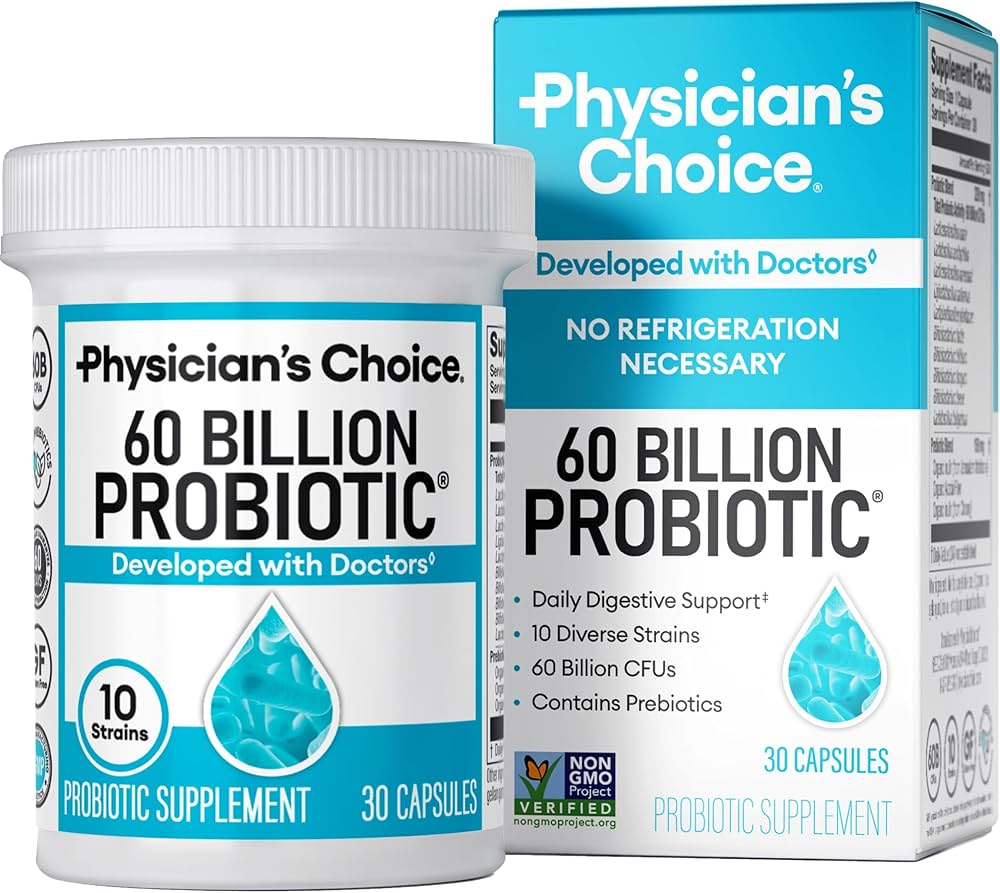
- General gut health: Multi-strain formulation (5–10 strains, Lactobacillus + Bifidobacterium) with prebiotic component (synbiotic) — 10+ billion CFU at expiry date
- Mental health: Psychobiotic formulations containing L. helveticus R0052 + B. longum R0175 — the most evidenced combination for mood outcomes
- Refrigerated vs shelf-stable: Many modern strains (Bacillus, some encapsulated Lactobacillus) are shelf-stable without refrigeration; traditional Lactobacillus strains typically require refrigeration. Both can be effective — follow manufacturer storage guidance