While a nutrient-dense diet forms the foundation of immune health, the reality for most adults is that diet alone leaves measurable gaps. Modern agricultural practices have reduced the micronutrient density of many foods. Absorption declines with age. Sun avoidance and indoor lifestyles have created near-universal vitamin D insufficiency across northern populations. Chronic stress depletes zinc. These are not theoretical concerns — they are documented deficiencies with direct, measurable consequences for immune function.
Immune-targeted supplementation addresses these gaps with specificity. The most evidence-backed immune supplements do not simply "boost" immunity in a vague, non-specific sense — they correct identified deficiencies, modulate specific immune pathways, and in the case of several well-studied compounds, have demonstrated significant reductions in infection incidence, duration, and severity in randomised controlled trials.
How to Think About Immune Supplementation
The goal of immune supplementation is not to overstimulate the immune system — which can be as harmful as underactivity — but to maintain the optimal immune tone that allows rapid, effective responses to genuine threats while avoiding chronic low-grade inflammation. This distinction is important: the best immune supplements work with your immune system's regulatory mechanisms rather than simply ramping up activity non-selectively.
Evidence-based immune supplementation typically operates through three mechanisms: correcting micronutrient deficiencies that impair baseline immune function (vitamin D3, zinc, magnesium); providing concentrated phytonutrients with documented immunomodulatory effects (green tea EGCG, elderberry anthocyanins); and supporting the gut-immune axis that mediates 70–80% of immune activity (probiotics, omega-3 fatty acids).
The Most Evidence-Backed Immune Supplements
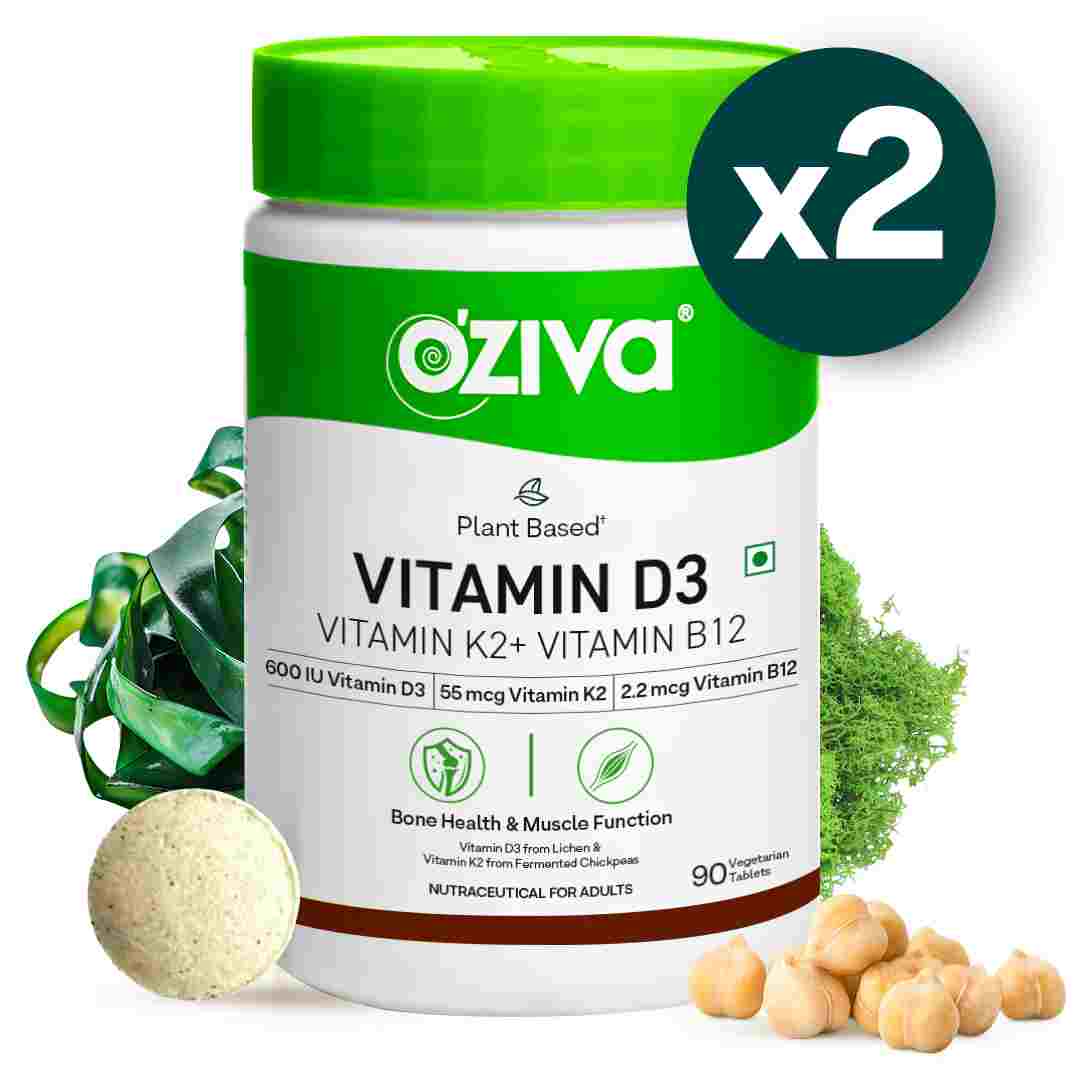
- Vitamin D3: Arguably the most critical immune supplement in populations at northern latitudes. Vitamin D receptors are present on every immune cell type; deficiency (below 50 nmol/L, affecting the majority of UK adults in winter) directly impairs both innate and adaptive immune responses. Meta-analyses of RCTs confirm D3 supplementation reduces acute respiratory infection risk.
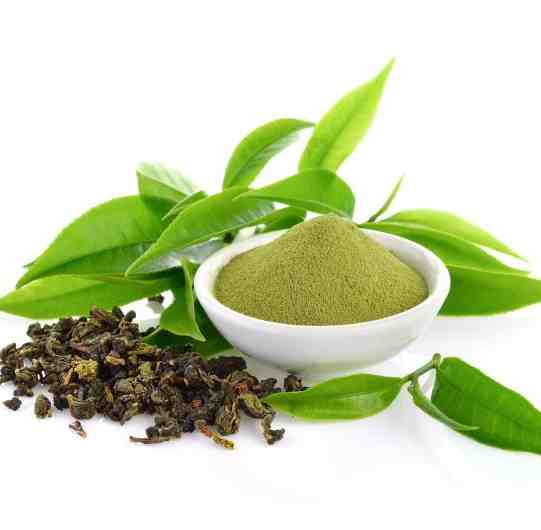
- Green Tea Extract (EGCG): A 2021 meta-analysis of 109 RCTs in 3,748 participants found EGCG supplementation reduced upper respiratory infection risk (RR 0.74) and influenza risk (RR 0.69). The mechanisms include direct antiviral activity, T-cell and NK cell enhancement, and 5-HT3 receptor antagonism.
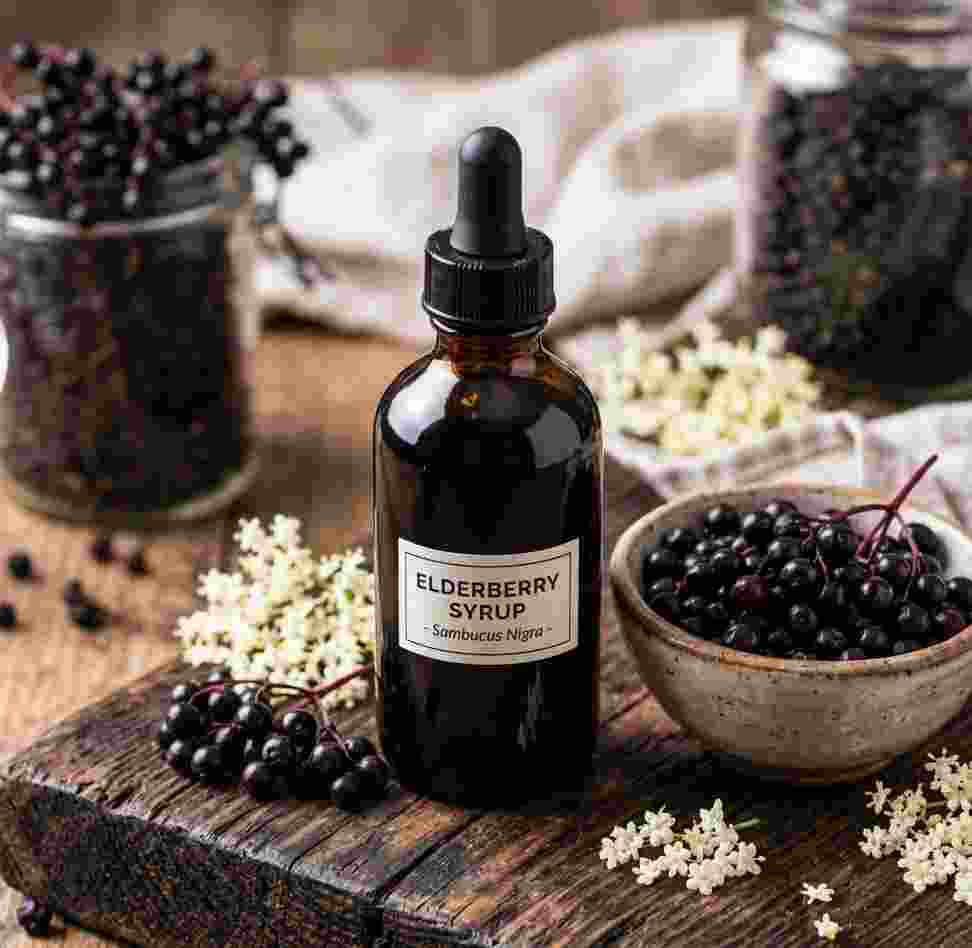
- Elderberry: Both a food and a supplement. Elderberry extract (standardised to anthocyanin content) is one of the few natural compounds with meta-analytic evidence for reducing cold and flu duration — positioned at the intersection of food-based and supplement-based immune support.
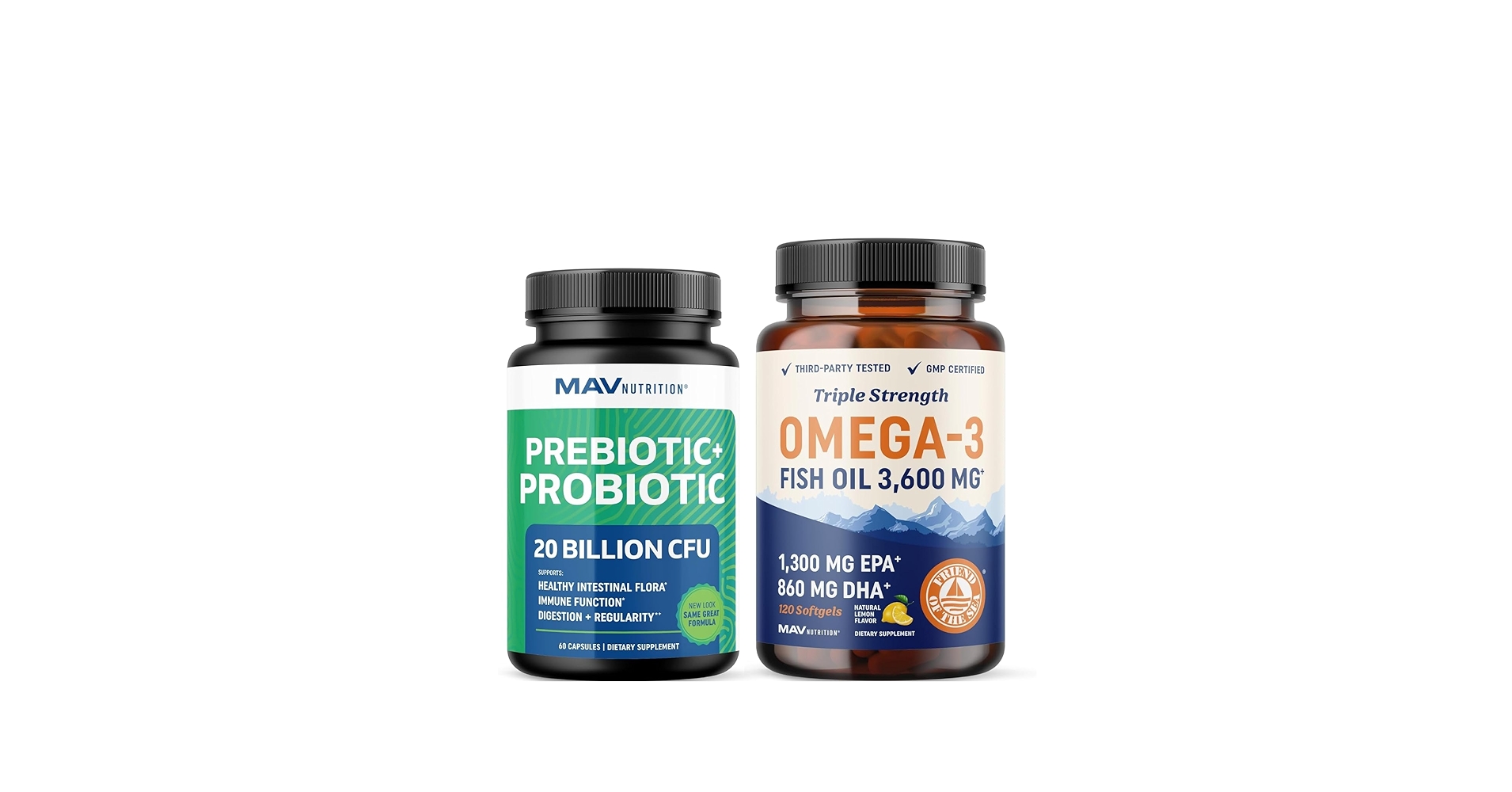
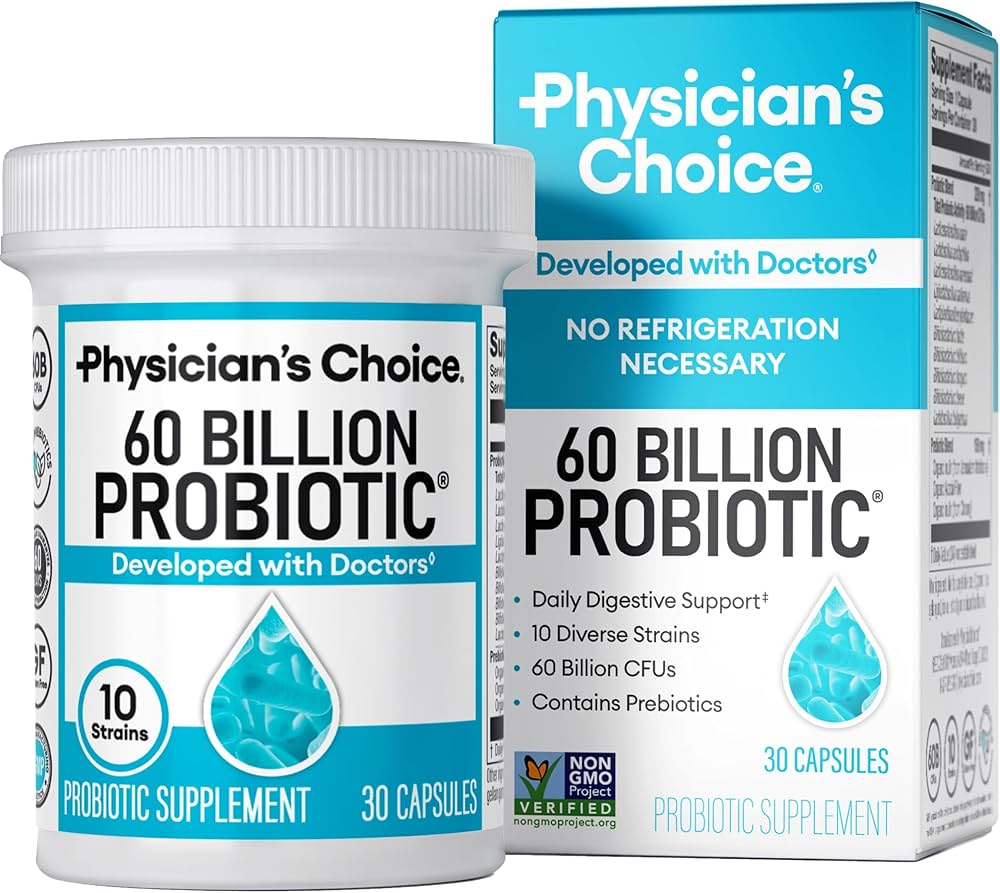
- Probiotics: The gut microbiome regulates systemic immune tone. Multiple meta-analyses confirm specific probiotic strains reduce the incidence and duration of upper respiratory infections, particularly in adults over 60 and those under high physical or psychological stress.
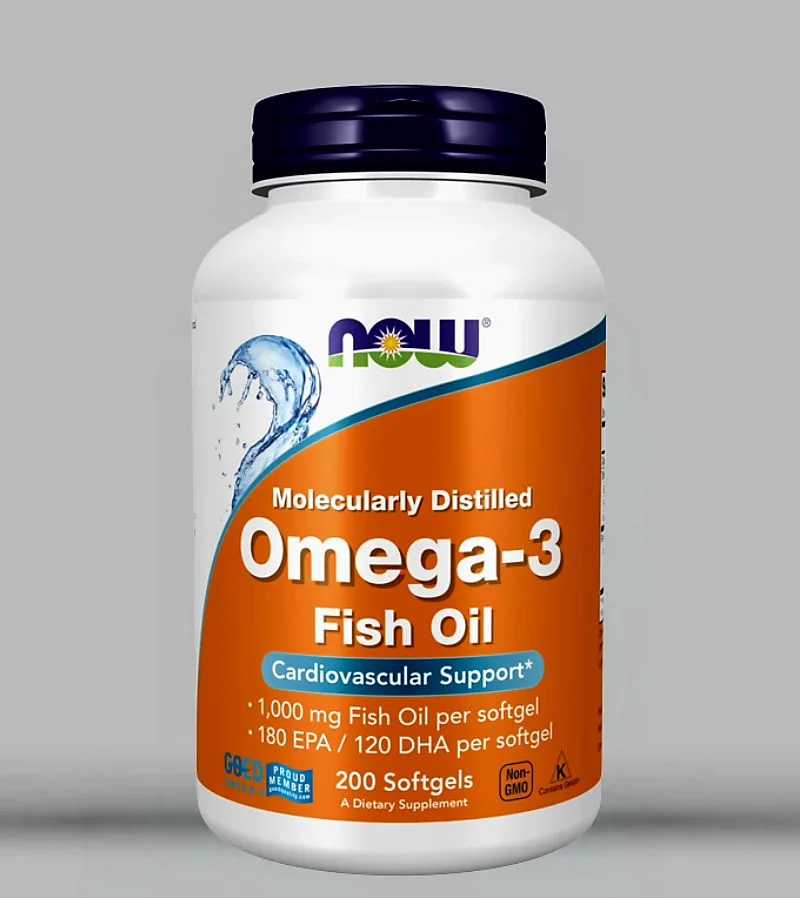
- Fish Oil / Omega-3: EPA and DHA are precursors to resolvins and protectins — specialised pro-resolving mediators that actively terminate the inflammatory response, preventing chronic immune dysregulation. Omega-3 deficiency impairs immune resolution as significantly as it impairs immune initiation.
- Ginger: Beyond its food applications, standardised ginger extract provides concentrated gingerols and shogaols with documented antiviral activity and prostaglandin synthesis inhibition — supporting both prevention and recovery phases of immune challenge.
The articles below provide detailed, evidence-based guides to each supplement — covering clinical trial data, mechanisms, optimal doses, and how to combine them effectively for comprehensive immune support.