The Best Immune Supplements: What 46 RCTs, Meta-Analyses and the Latest Evidence Actually Show
The immune supplement market is one of the most aggressively marketed categories in nutrition — and one of the most riddled with products whose evidence base amounts to a few in vitro cell studies and a compelling label. Separating genuine clinical evidence from wishful marketing requires looking at randomised controlled trials and meta-analyses, not individual ingredient studies with no human data behind them.
Six supplements have earned genuine clinical credibility for immune support. All six have randomised controlled trial evidence in humans, not just animal or cell data. Here is what the evidence actually shows for each.
1. Vitamin D3 — The Foundational Immune Supplement
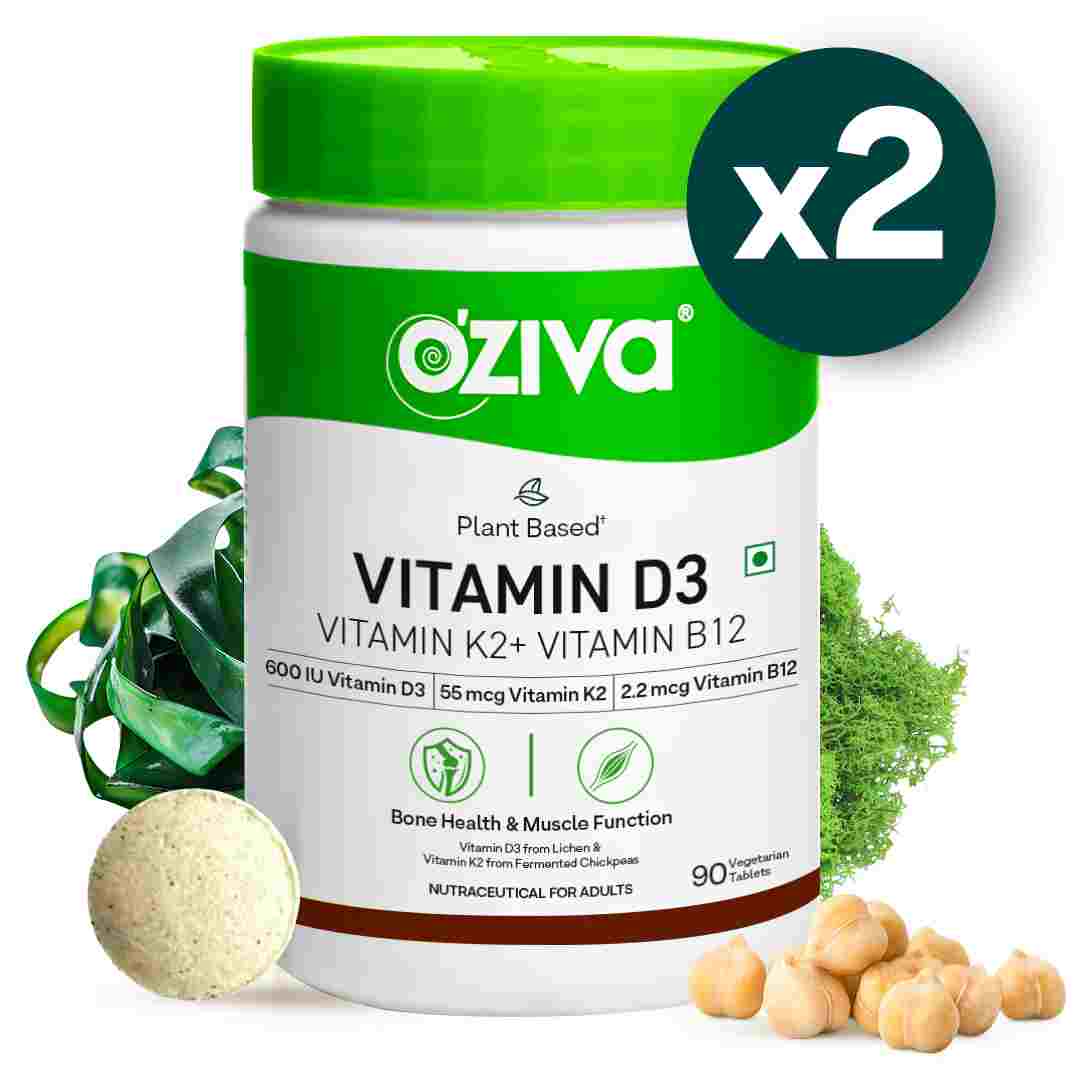
Vitamin D3 is arguably the most clinically important immune supplement for populations at northern latitudes — not because it is the most potent immune enhancer, but because its deficiency is nearly universal and its consequences for immune function are severe and well-documented.
The 2025 updated meta-analysis in The Lancet Diabetes & Endocrinology (Jolliffe et al.) analysed data from 46 RCTs in 64,086 participants — the largest and most current synthesis of vitamin D and respiratory infection evidence available. It confirmed a statistically significant protective effect of vitamin D supplementation against acute respiratory infections (OR 0.92, 95% CI 0.86–0.99). Crucially, the protective effects were most pronounced with daily or weekly supplementation rather than bolus dosing, and were strongest in participants who were severely deficient at baseline (25(OH)D below 25 nmol/L, OR 0.30 — a 70% reduction in infection risk).
A 2024 RCT in Finnish military recruits confirmed the mechanism: vitamin D insufficiency was associated with a 2.1-fold increased risk of multiple ARIs and a 2.3-fold increased risk of extended sick leave due to respiratory illness, mediated through reduced cathelicidin production (an antimicrobial peptide whose synthesis requires vitamin D). Optimal dose: 1,000–2,000 IU/day consistently — daily supplementation maintains the blood levels (75–150 nmol/L) associated with optimal immune function; bolus high-dose strategies do not.
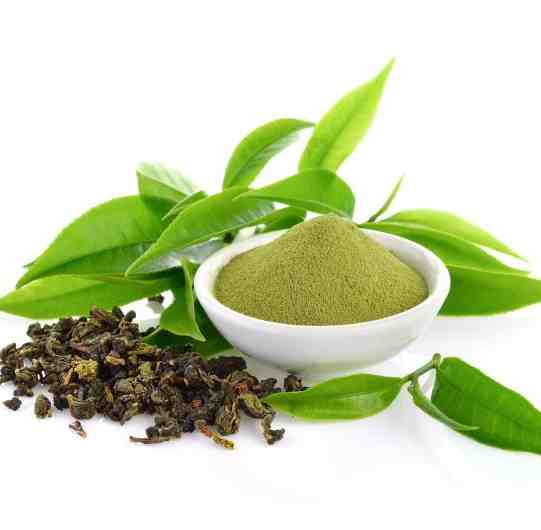
2. Green Tea Extract (EGCG) — The Antiviral Phytonutrient
EGCG is the most pharmacologically active catechin in green tea and one of the most extensively studied plant immune compounds. A 2021 meta-analysis of 109 RCTs in 3,748 participants found EGCG supplementation significantly reduced upper respiratory infection risk (RR 0.74) and influenza risk (RR 0.69). This is a large body of evidence with consistent findings across a wide range of populations and trial conditions.
The mechanisms are specific and well-characterised: EGCG directly disrupts viral lipid membrane integrity, inhibits viral neuraminidase activity, enhances T cell and NK cell cytolytic activity, and acts as a 5-HT3 receptor antagonist reducing the neuroinflammatory component of respiratory symptoms. EGCG also inhibits NF-kB — reducing the chronic inflammatory dysregulation that impairs adaptive immune responses. Dose: 200–400mg EGCG daily, standardised extract, taken with food.
3. Elderberry Extract — For Acute Cold and Flu
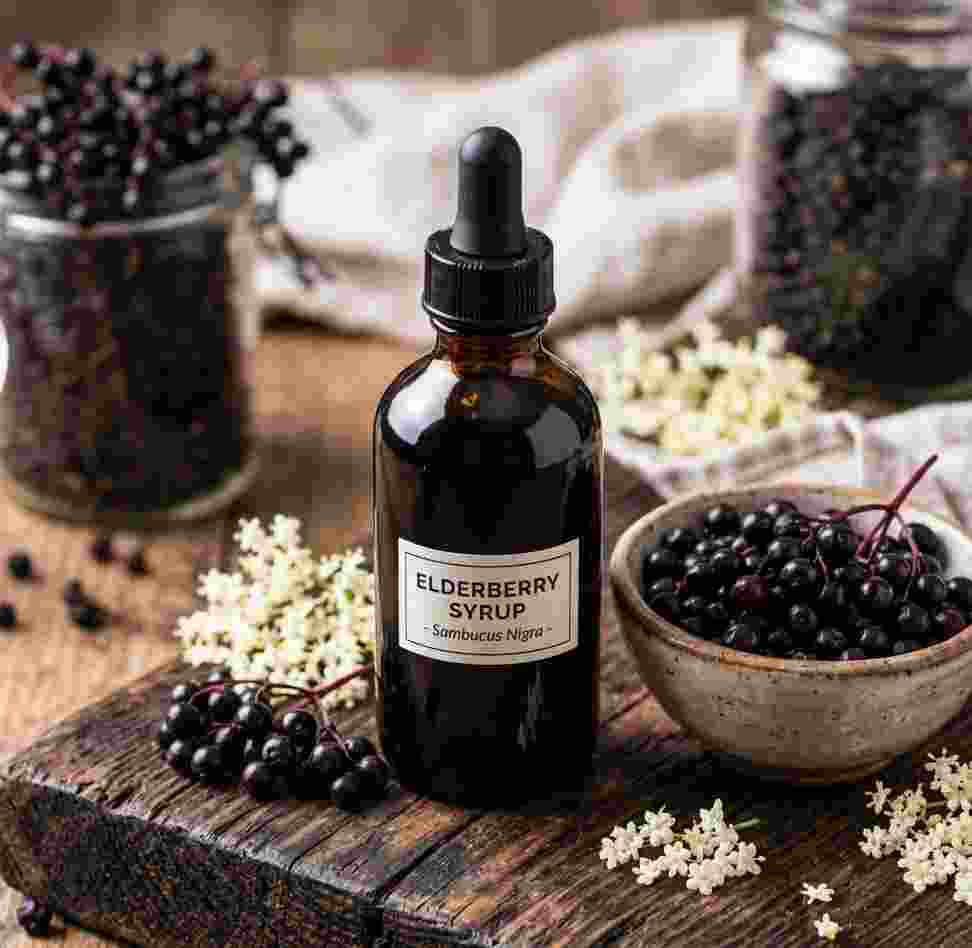
Elderberry's evidence is specific to acute use rather than long-term immune maintenance. The 2019 meta-analysis of RCTs found a large effect size for reduction in upper respiratory symptom duration. The Norway RCT found 4 days faster influenza recovery vs placebo. The air-travel RCT in 312 participants found 51% fewer cold episode days in the elderberry group. Anthocyanins — specifically cyanidin 3-glucoside — inhibit viral neuraminidase (the same enzyme targeted by Tamiflu) and block viral glycoprotein attachment to host cells. Best use: 600–900mg standardised extract (≥15% anthocyanins) at symptom onset, for 5–7 days. Evidence for long-term prevention is less consistent than for acute treatment.
4. Probiotics — The Gut-Immune Axis Intervention
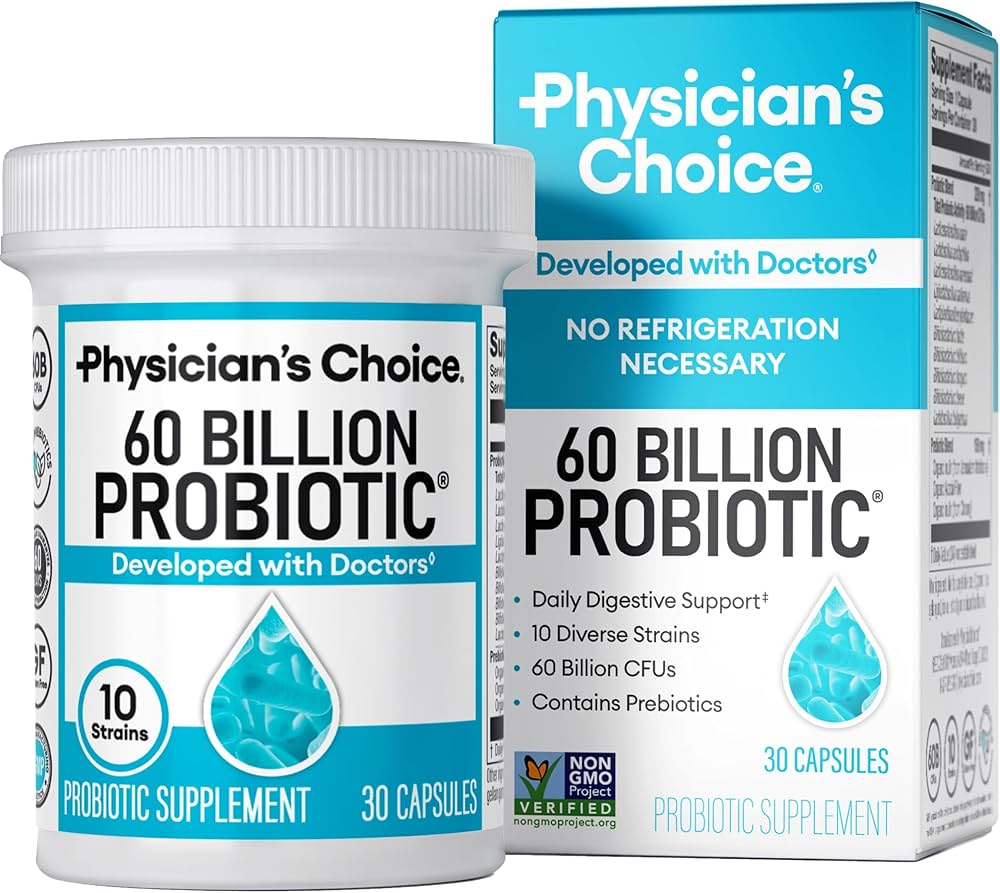
The gut-associated lymphoid tissue houses 70–80% of the body's immune cells. Specific probiotic strains — particularly Lactobacillus and Bifidobacterium species — directly modulate intestinal immune populations, enhance secretory IgA production, and influence systemic immune tone through butyrate and short-chain fatty acid production. A meta-analysis of 20 RCTs found probiotic supplementation reduced upper respiratory infection incidence by 47% and shortened duration by approximately 1.9 days. Benefits were most pronounced in adults over 60 and individuals under high physical or psychological stress — both populations with impaired gut-immune axis function. Look for: multi-strain products with ≥10 billion CFU, Lactobacillus acidophilus and Bifidobacterium longum as minimum strains, refrigerated storage.
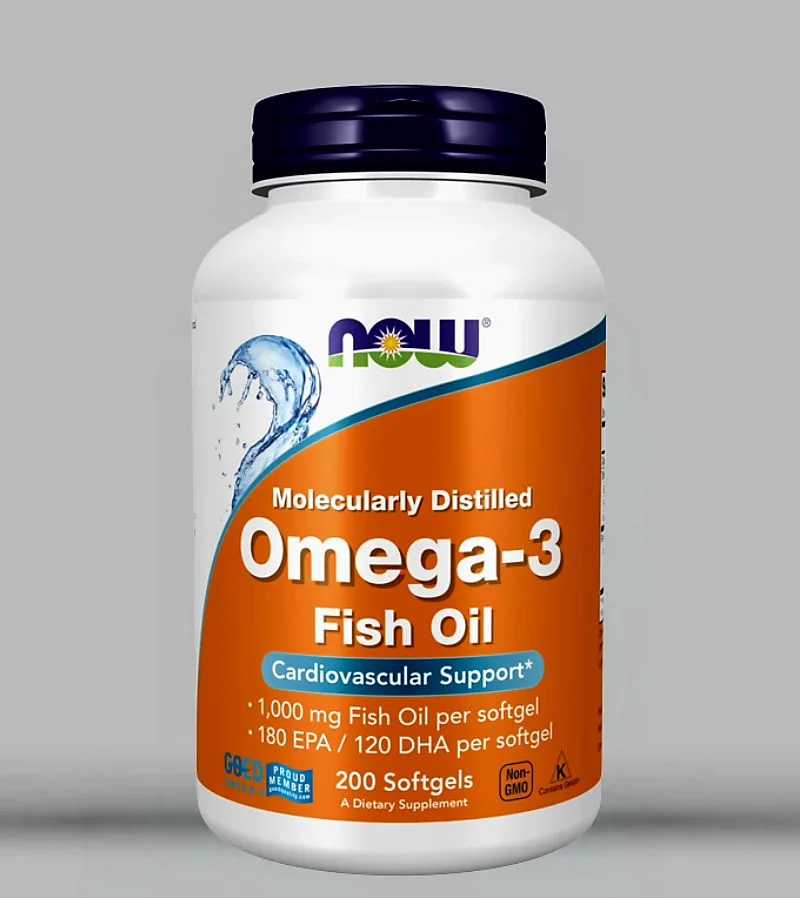
5. Fish Oil / Omega-3 — The Immune Resolver
Omega-3 fatty acids (EPA and DHA) are the precursors to resolvins, protectins, and maresins — a family of specialised pro-resolving mediators (SPMs) that actively terminate the inflammatory response after an immune challenge. Without adequate SPM production, the immune system struggles to complete the resolution phase — creating a state of persistent low-grade inflammation that impairs future immune responses and drives chronic inflammatory tissue damage. This immune resolution function is entirely distinct from the anti-inflammatory effects of omega-3 that most people are familiar with, and arguably more important for long-term immune health. A meta-analysis confirmed daily fish oil supplementation significantly increases SPM production and reduces inflammatory markers relevant to immune dysregulation. Dose: 1–3g EPA+DHA daily from a molecularly distilled, triglyceride-form fish oil.
6. Ginger Extract — The Antiviral Anti-Inflammatory
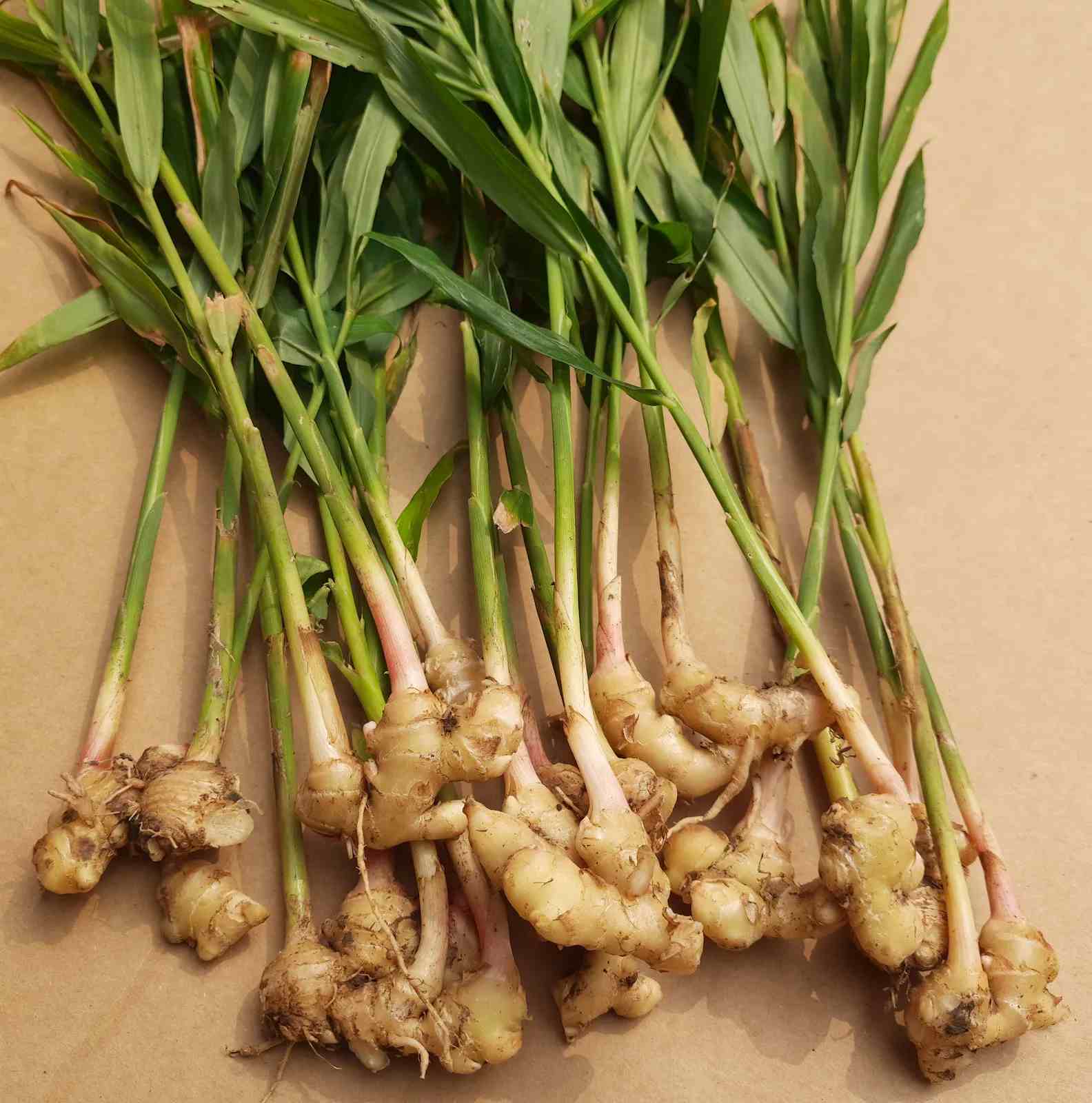
Standardised ginger extract provides consistent gingerol and shogaol concentrations with documented antiviral activity against influenza A and B, RSV, and rhinovirus. The mechanism — COX-2 inhibition and prostaglandin E2 reduction — reduces the severity of inflammatory immune symptoms without suppressing the antiviral T cell and NK cell responses that actually clear the infection. This distinction is clinically meaningful: unlike ibuprofen (which also inhibits COX-2 but may impair immune resolution), ginger's inhibition is partial and food-based, preserving the immune resolution response while reducing symptom severity. Dose: 1–2g dried ginger equivalent (or ≥5% gingerol standardised extract) daily.
Building an Evidence-Based Immune Stack
The most logical combination based on complementary mechanisms:
- Year-round foundation: Vitamin D3 (1,000–2,000 IU/day), fish oil (1–2g EPA+DHA/day), probiotics (daily)
- Cold/flu season addition (October–March): Green tea extract (200–400mg EGCG/day), elderberry (600mg/day preventive dose)
- At first symptoms: Elderberry increase to 900mg/day, add ginger extract or strong ginger tea 3–4x daily
References
- Jolliffe DA, et al. (2025). Vitamin D for ARI prevention: 46-RCT meta-analysis, 64,086 participants. Lancet Diabetes Endocrinol.
- Furushima D, et al. (2021). EGCG meta-analysis: 109 RCTs, 3,748 participants. Molecules.
- Hawkins J, et al. (2019). Elderberry meta-analysis: large effect size. Complement Ther Med.
- Hao Q, et al. (2015). Probiotics for prevention of acute URTIs: meta-analysis 20 RCTs. Cochrane Database.