What is Elderberry?
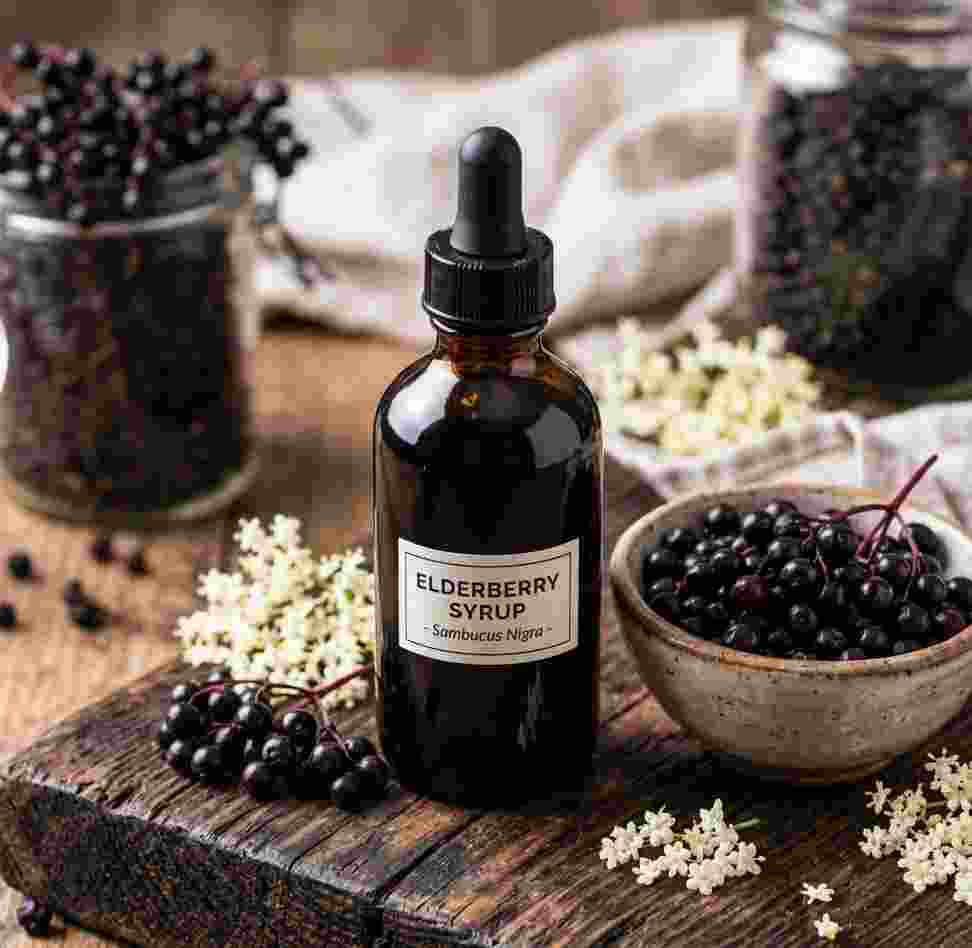
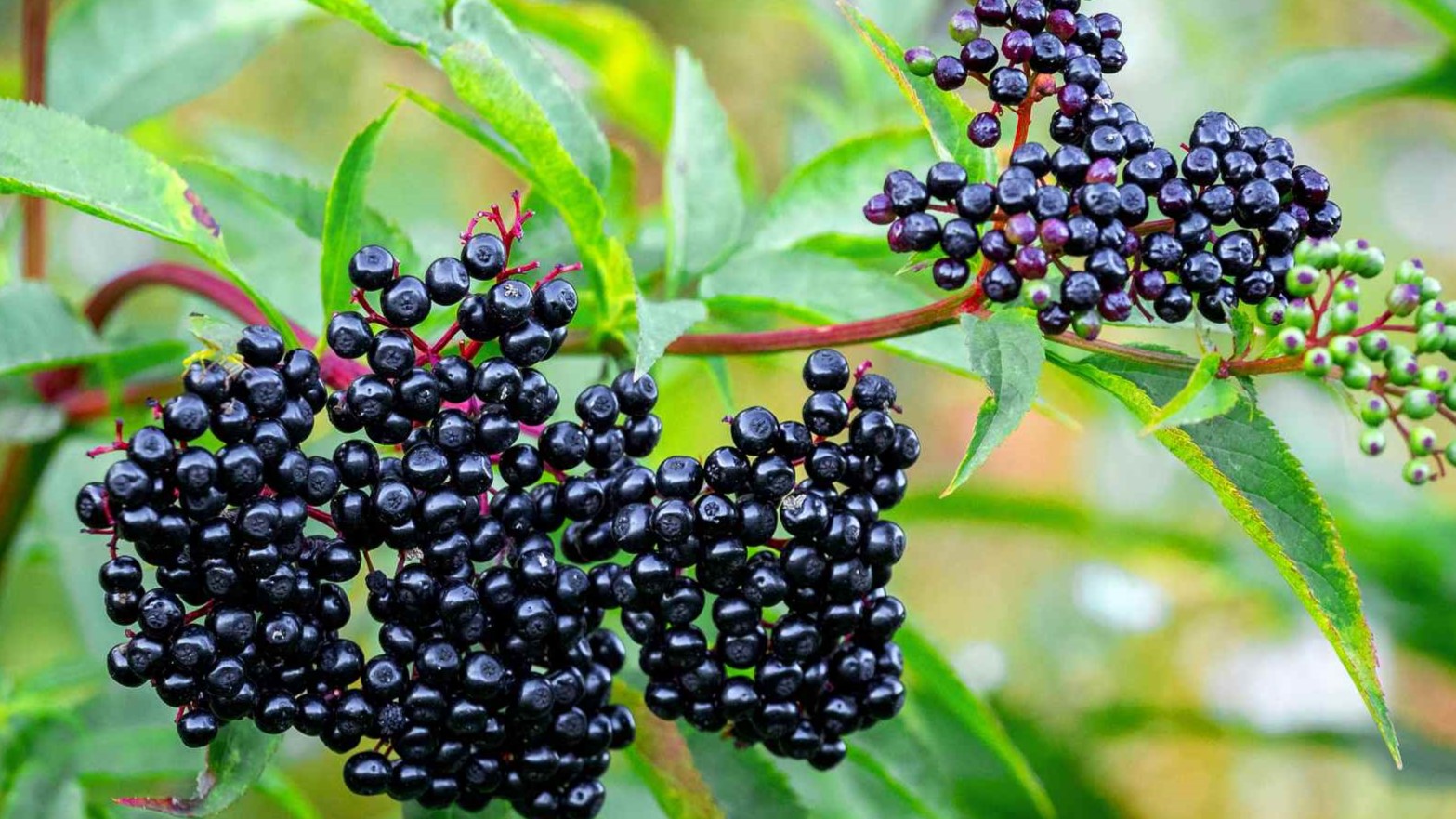
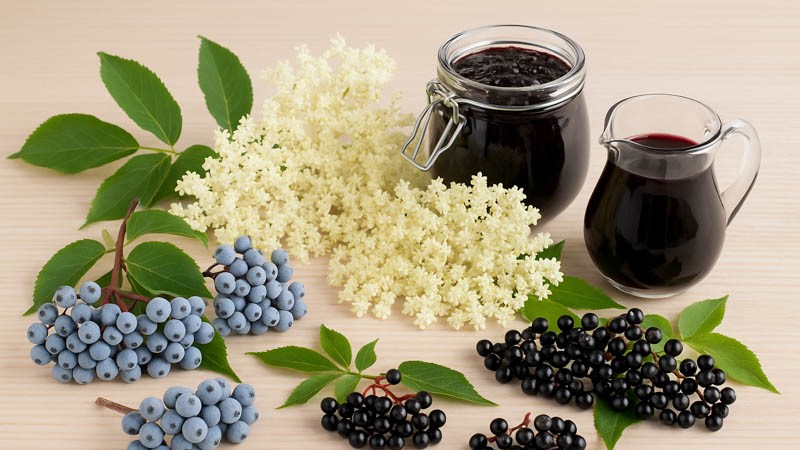
Elderberry (Sambucus nigra) is a dark purple berry from the European elder tree, used medicinally for respiratory illness since antiquity. It is now one of the most clinically researched botanicals for immune support — with multiple randomised controlled trials, systematic reviews, and a published meta-analysis confirming its ability to reduce the duration and severity of colds and influenza. Unlike many herbal immune supplements, elderberry has a plausible and well-characterised mechanism: its anthocyanin compounds directly inhibit viral haemagglutinin proteins while simultaneously modulating the immune cytokine response.
Active Compounds and Mechanism
Black elderberry is exceptionally rich in anthocyanins — particularly cyanidin-3-glucoside and cyanidin-3-sambubioside — at concentrations far exceeding most other berries. These anthocyanins operate through dual antiviral and immunomodulatory mechanisms:
- Direct antiviral action: Elderberry anthocyanins bind to and block viral haemagglutinin (the surface protein influenza viruses use to attach to and enter host cells) — preventing viral cell entry and reducing viral load. This mechanism works against multiple influenza strains
- Immune modulation: Elderberry stimulates production of pro-inflammatory cytokines (IL-6, IL-8, TNF-α) that accelerate immune activation in the early infection phase, while also demonstrating anti-inflammatory effects that prevent excessive immune response during recovery
- Antioxidant protection: High anthocyanin content provides potent free-radical scavenging — protecting immune cells from oxidative damage during active infection
Clinical Evidence
The clinical evidence base for elderberry is among the strongest for any botanical supplement:
- Meta-analysis (Hawkins et al., 2019): Pooling 180 participants from randomised controlled trials, elderberry supplementation produced a large mean effect size for reduction of upper respiratory symptoms — substantially reducing both duration and severity versus placebo
- Air traveller RCT (Tiralongo et al., 2016): 312 economy class passengers in a double-blind, placebo-controlled trial. The elderberry group recorded only 57 cold episode days versus 117 in the placebo group — less than half — and experienced 2 days shorter cold duration (4.75 vs 6.88 days) with significantly lower symptom severity (score 21 vs 34)
- Influenza RCT (Zakay-Rones et al., 2004): 60 flu patients received elderberry syrup or placebo for 5 days. Symptoms resolved an average of 4 days earlier in the elderberry group, with significantly reduced rescue medication use
- Systematic review (Wieland et al., 2021): Confirmed elderberry may reduce influenza duration; also noted that an elderberry-containing product was associated with lower influenza complication risk and fewer adverse events versus oseltamivir (Tamiflu)
Dosing Guidelines
Clinical trials have used varying doses depending on the product and indication. The most commonly effective protocols are 600–900mg of standardised elderberry extract daily during acute illness, taken at first sign of symptoms. Maintenance doses for prevention are typically lower. Elderberry syrup products standardised for anthocyanin content are the most-tested formats; gummies and lozenges vary considerably in anthocyanin dose.
Safety Considerations
Elderberry is well-tolerated in clinical trials, with no serious adverse events reported across published studies. Raw, unripe elderberries contain sambunigrin — a cyanogenic glycoside that can cause nausea — so commercially produced extracts use heat-treated, ripe berries that eliminate this compound. Elderberry should be used with caution in individuals on immunosuppressant medications given its immune-stimulating properties.