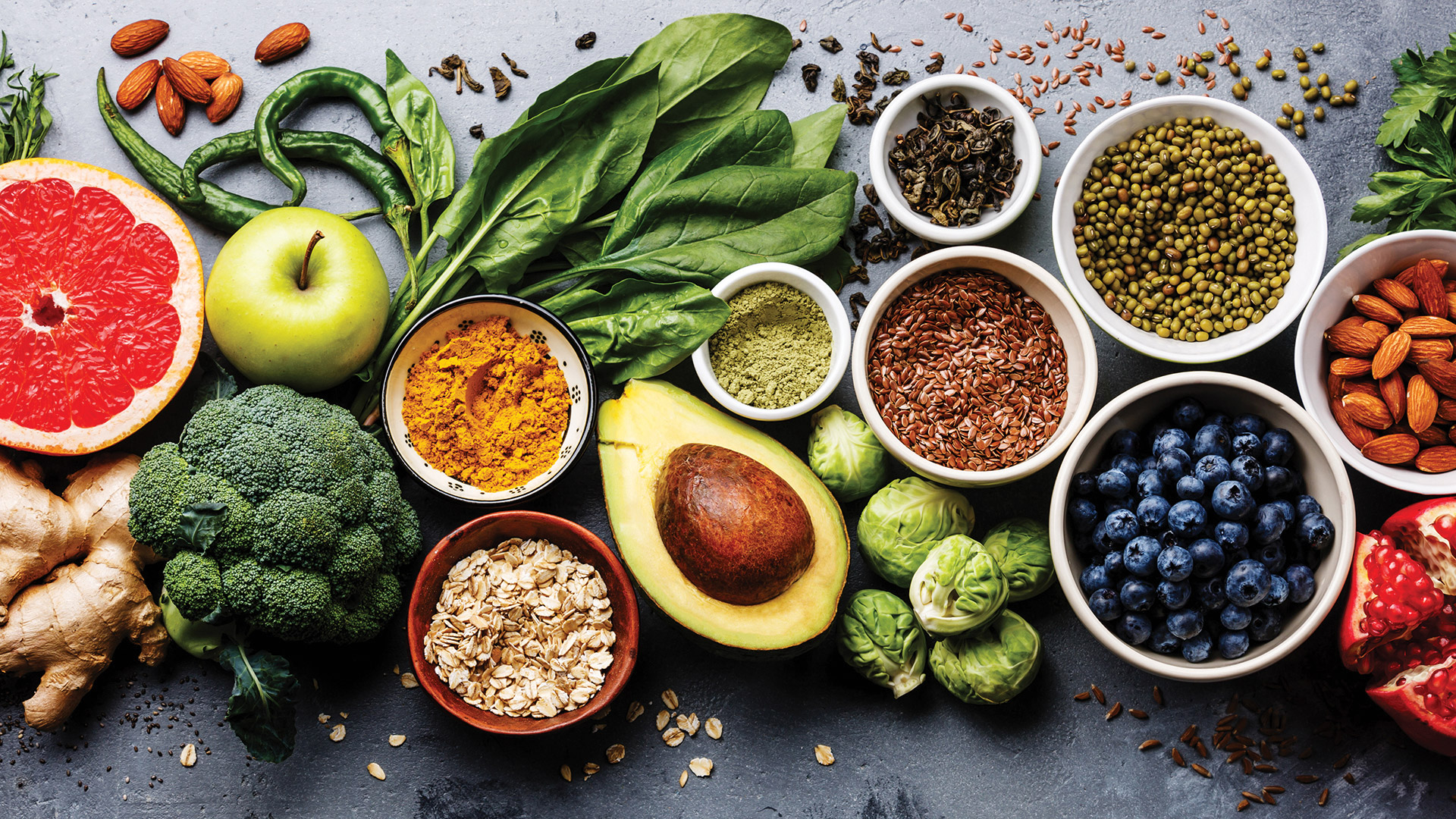
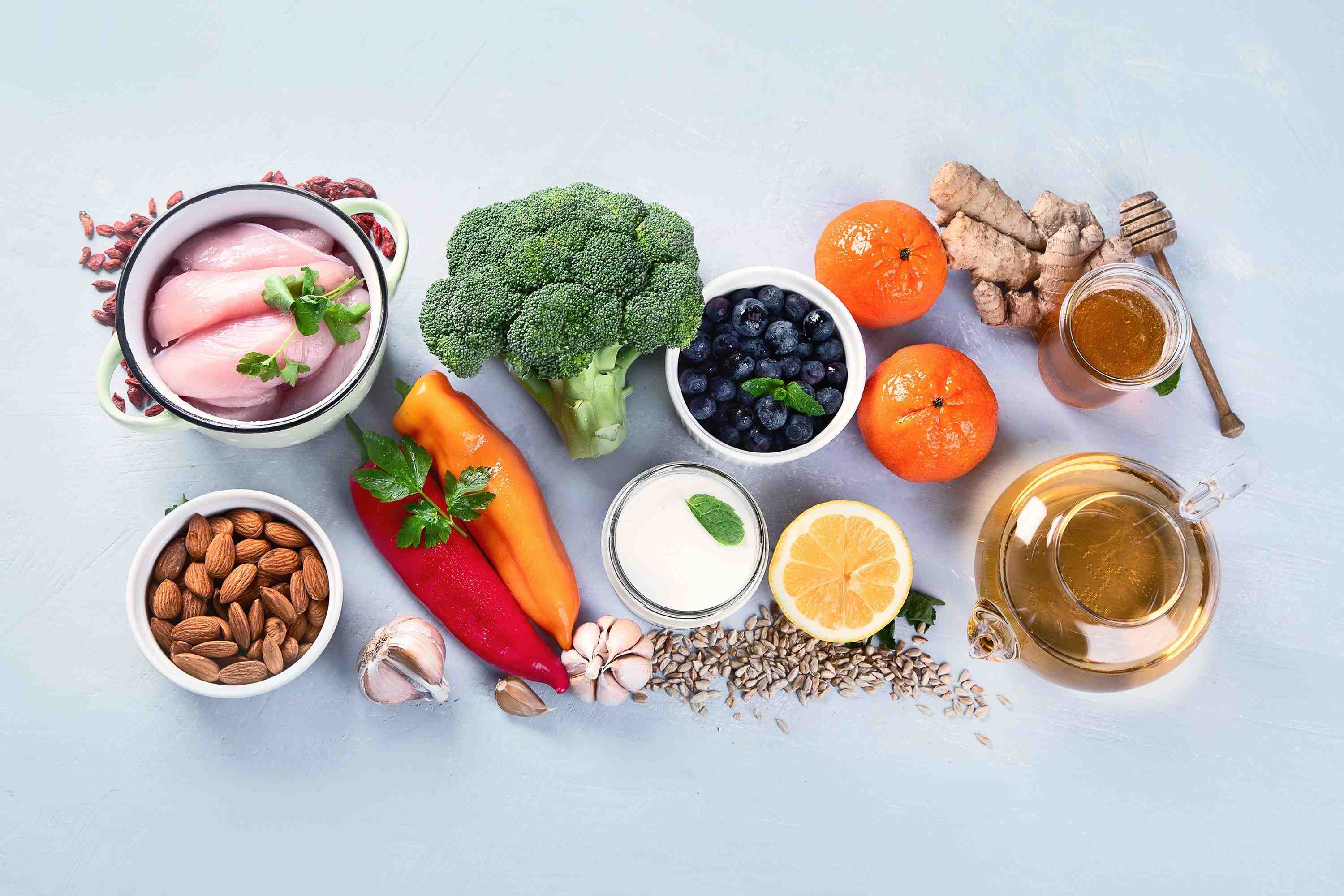
The immune system is not a single organ — it is a complex, distributed network of cells, tissues, and molecular signals that operates continuously throughout your body. What you eat directly determines the raw materials this network has available: the amino acids that build antibodies, the vitamins that regulate immune cell production, the phytonutrients that modulate inflammatory signalling, and the fibre that feeds the gut microbiome where 70–80% of immune tissue resides.

Mounting clinical and epidemiological evidence has moved nutritional immunology from the fringes of medicine to its mainstream. Specific whole foods — not just broad dietary patterns — have been shown in controlled trials to measurably enhance natural killer cell activity, increase secretory IgA production, reduce inflammatory cytokines, and shorten the duration and severity of respiratory infections. These are not vague wellness claims; they are documented, mechanistic effects with clinical evidence behind them.

How Food Shapes Immune Function

The immune system has two primary arms that food influences directly. The innate immune system — your first-responder defences including natural killer cells, macrophages, and the complement system — relies heavily on antioxidant nutrients to prevent oxidative damage to immune cells themselves during the inflammatory response. The adaptive immune system — the antibody-producing B cells and T cell-mediated responses that create immunological memory — depends on specific micronutrients including zinc, vitamin C, and vitamin A for lymphocyte proliferation and antibody production.

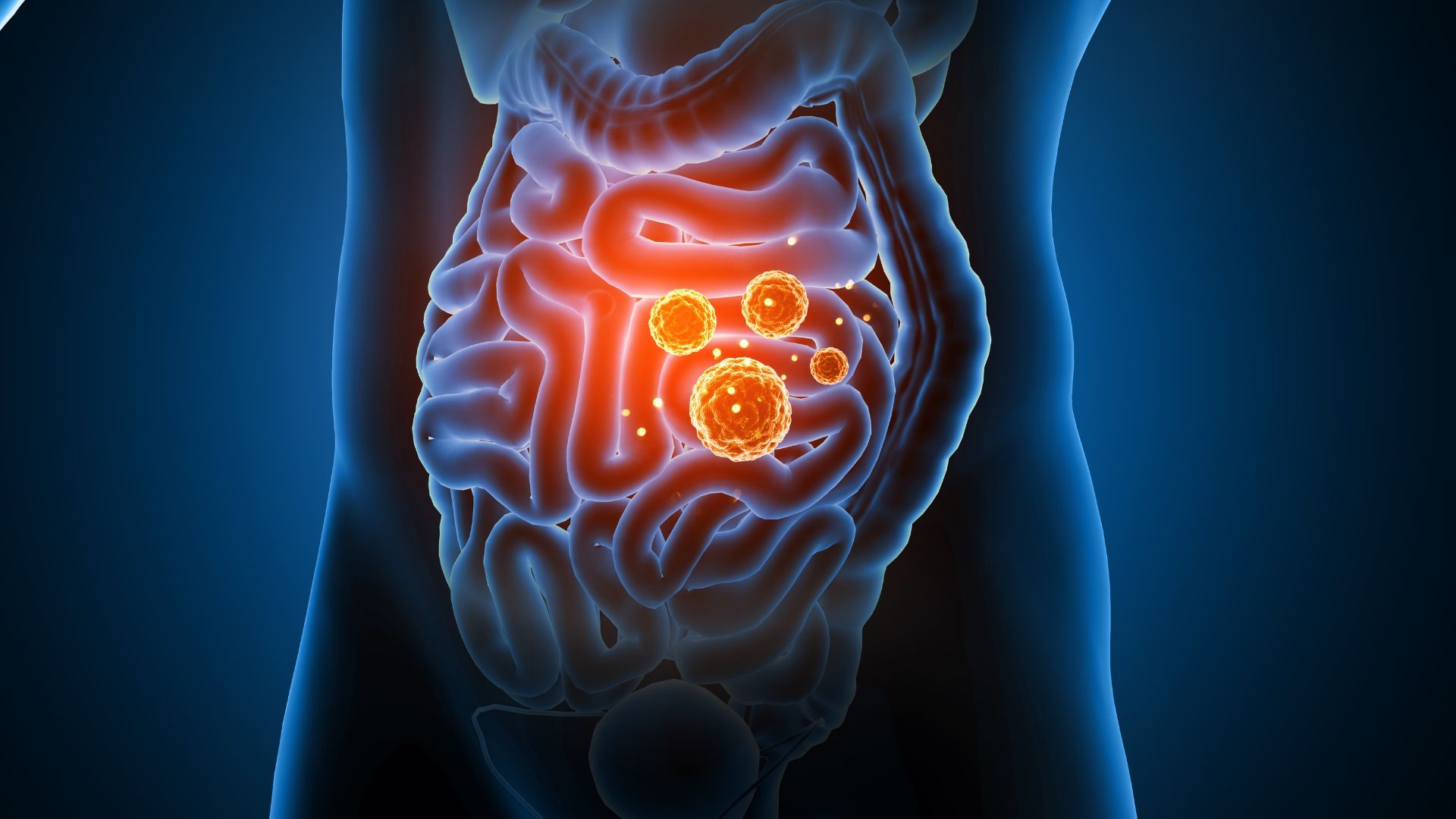
The gut microbiome adds a third dimension: the trillions of bacteria resident in the intestinal tract directly educate and regulate immune tone. A diverse, fibre-rich diet supports the bacterial populations that produce short-chain fatty acids — particularly butyrate — which maintain gut barrier integrity, prevent inappropriate immune activation, and modulate the balance between pro-inflammatory and anti-inflammatory immune responses.

The Most Evidence-Backed Immune-Boosting Foods

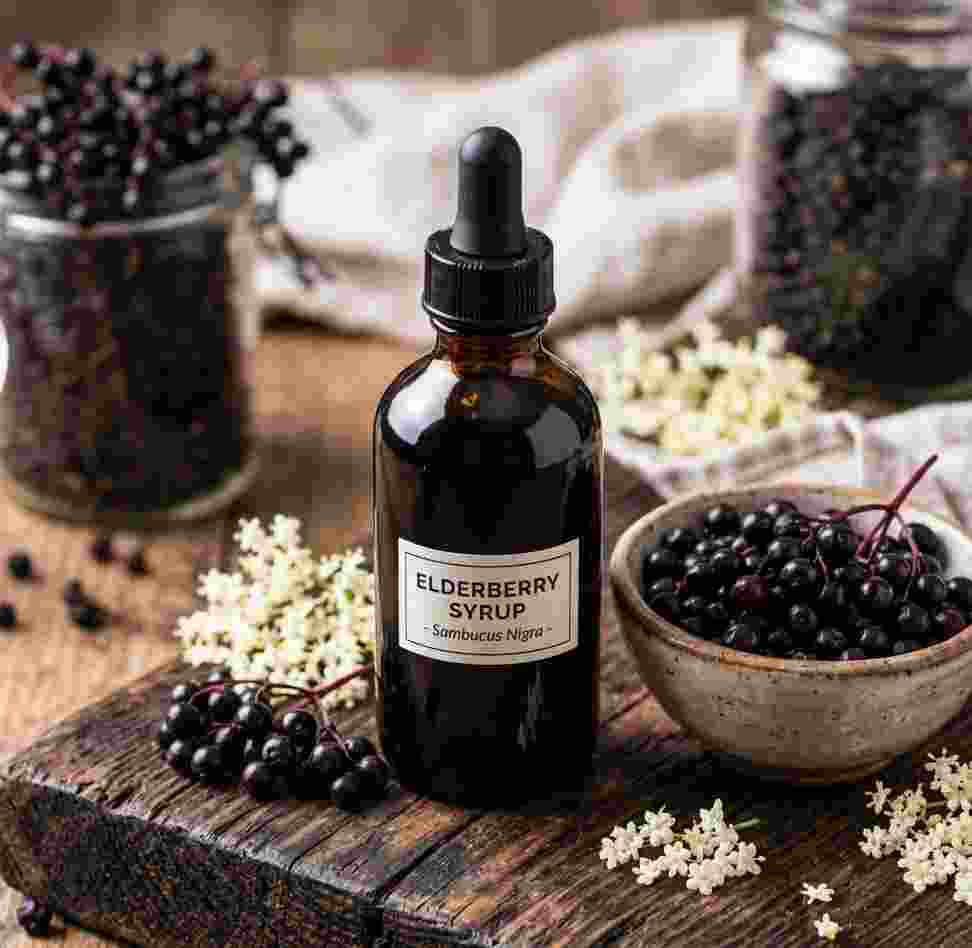
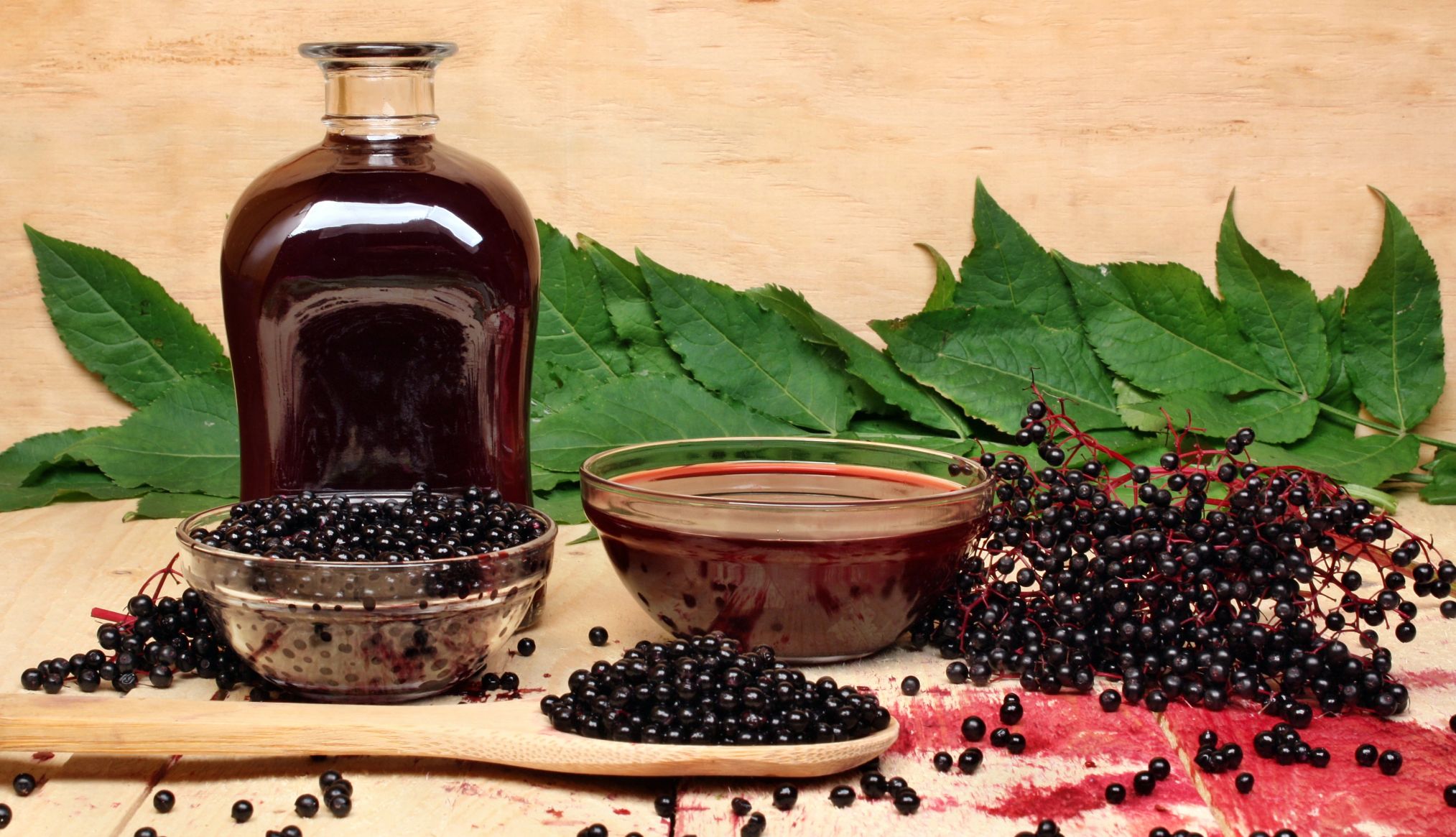
  • Elderberry: Randomised trials confirm elderberry extract significantly reduces the duration and severity of cold and flu symptoms — with a meta-analysis finding a mean reduction of 3.86 days for cold duration and significant influenza symptom reduction.
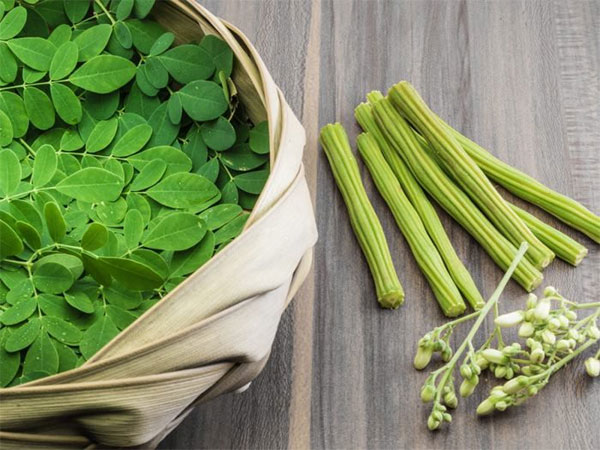
  • Moringa: Exceptionally dense in vitamin C, beta-carotene, and isothiocyanates with demonstrated anti-inflammatory and antimicrobial activity in multiple studies.
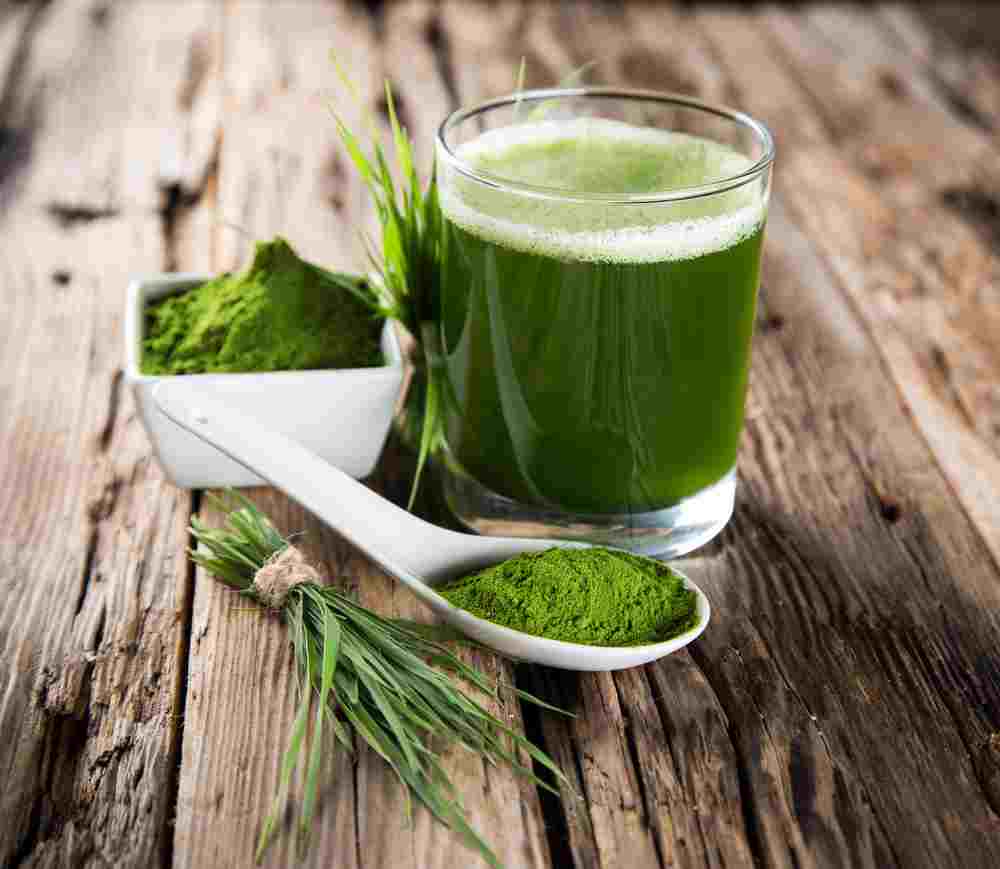
  • Spirulina: A single tablespoon provides more beta-carotene than a large carrot; phycocyanin — spirulina's blue pigment — has confirmed NF-kB inhibitory and natural killer cell-activating effects.
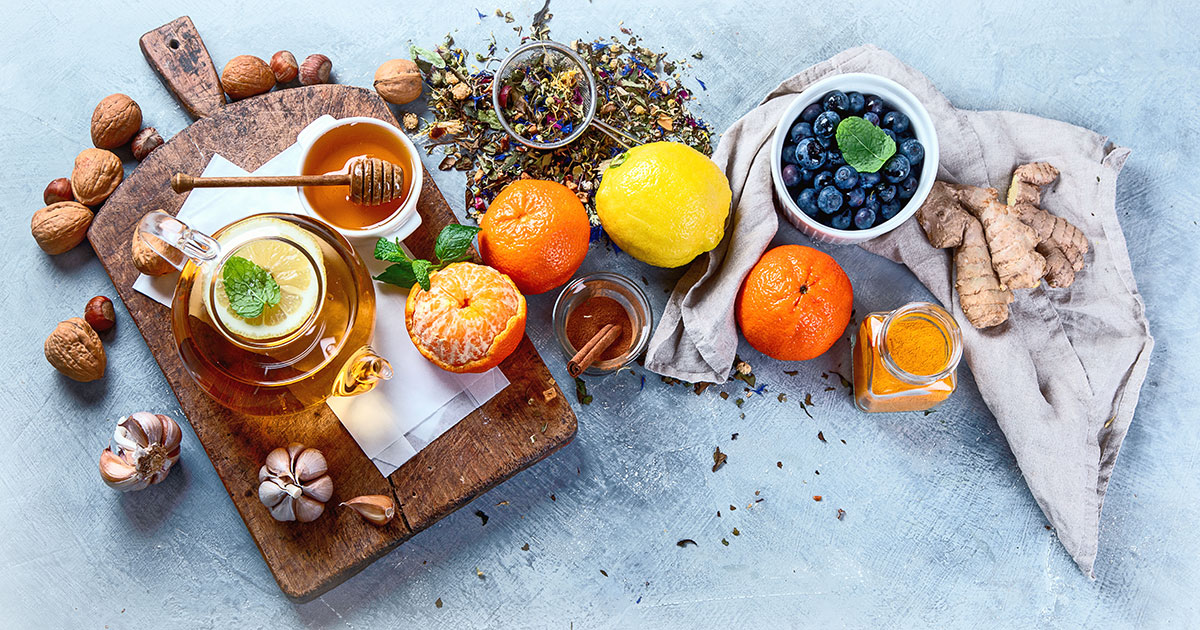
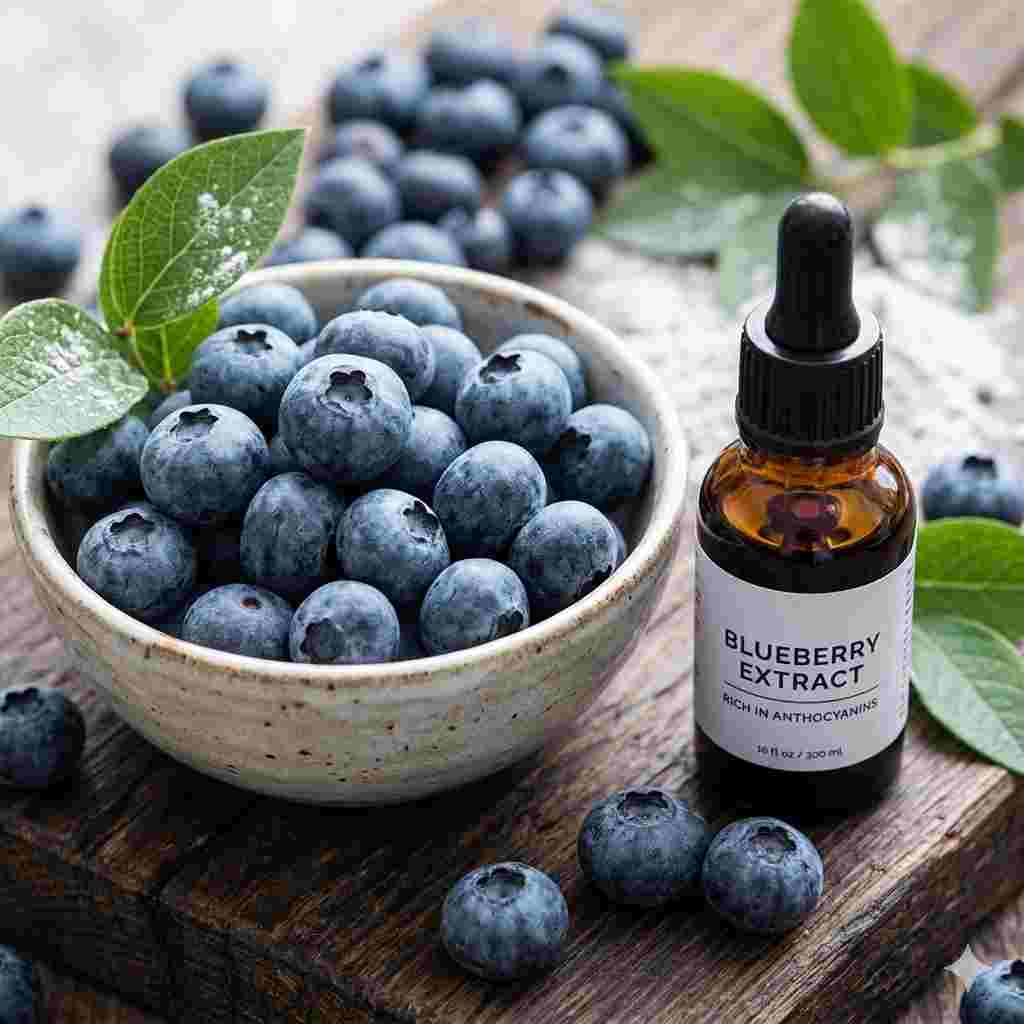
  • Blueberries: Pterostilbene and anthocyanins activate NK cells and have been shown in RCTs to reduce upper respiratory infection incidence in endurance athletes by up to 70%.
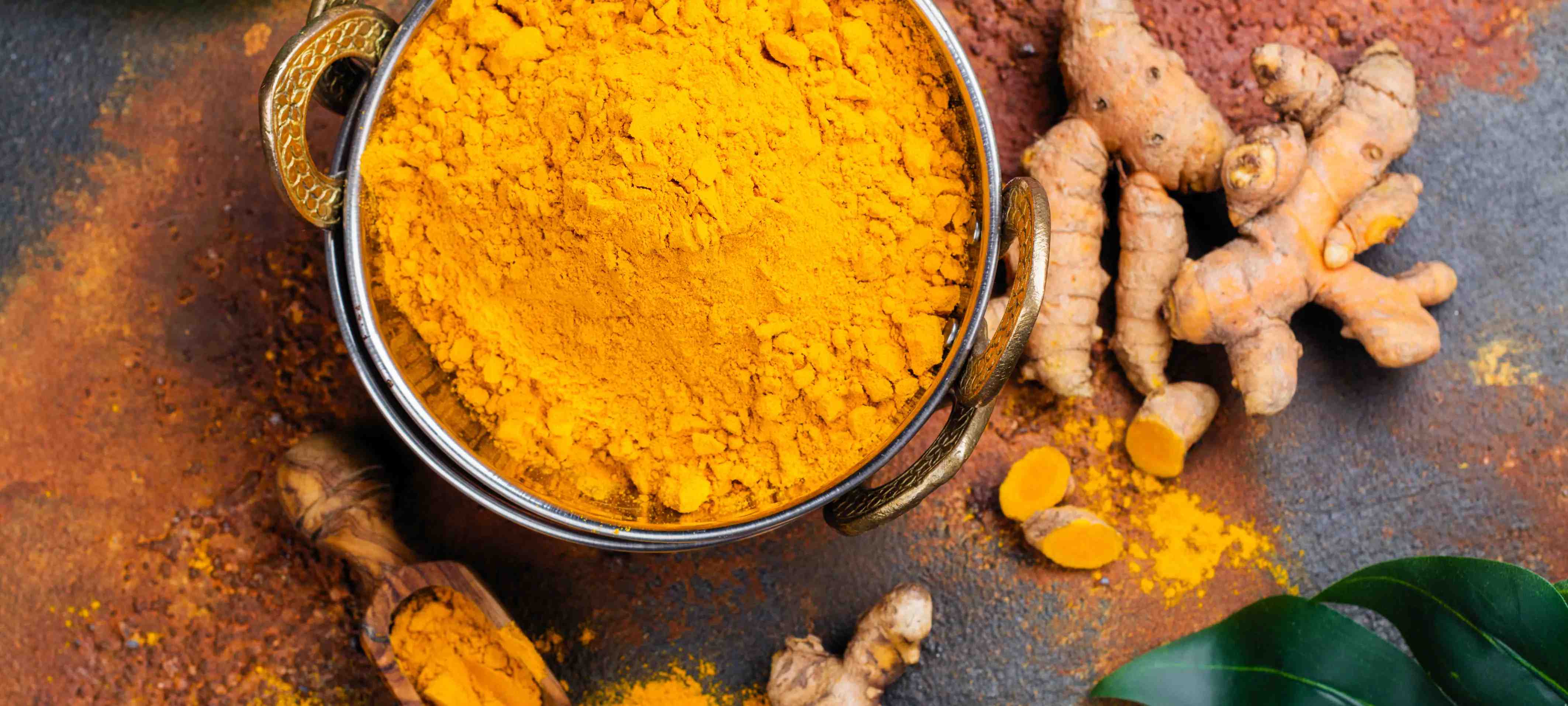
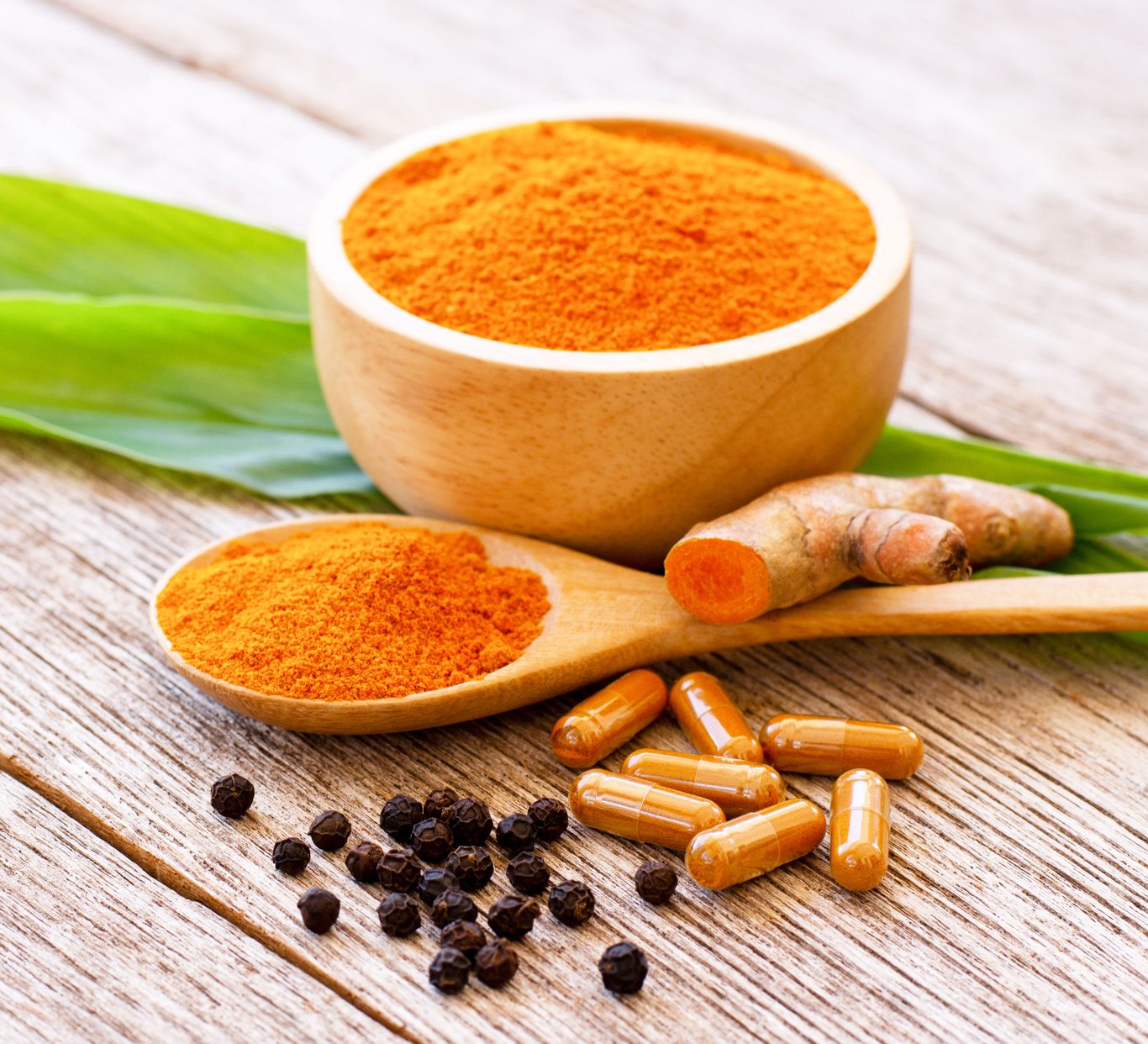
  • Turmeric/Curcumin: Curcumin modulates over 160 molecular targets including NF-kB, COX-2, and macrophage polarisation — making it one of the most studied anti-inflammatory food compounds in science.
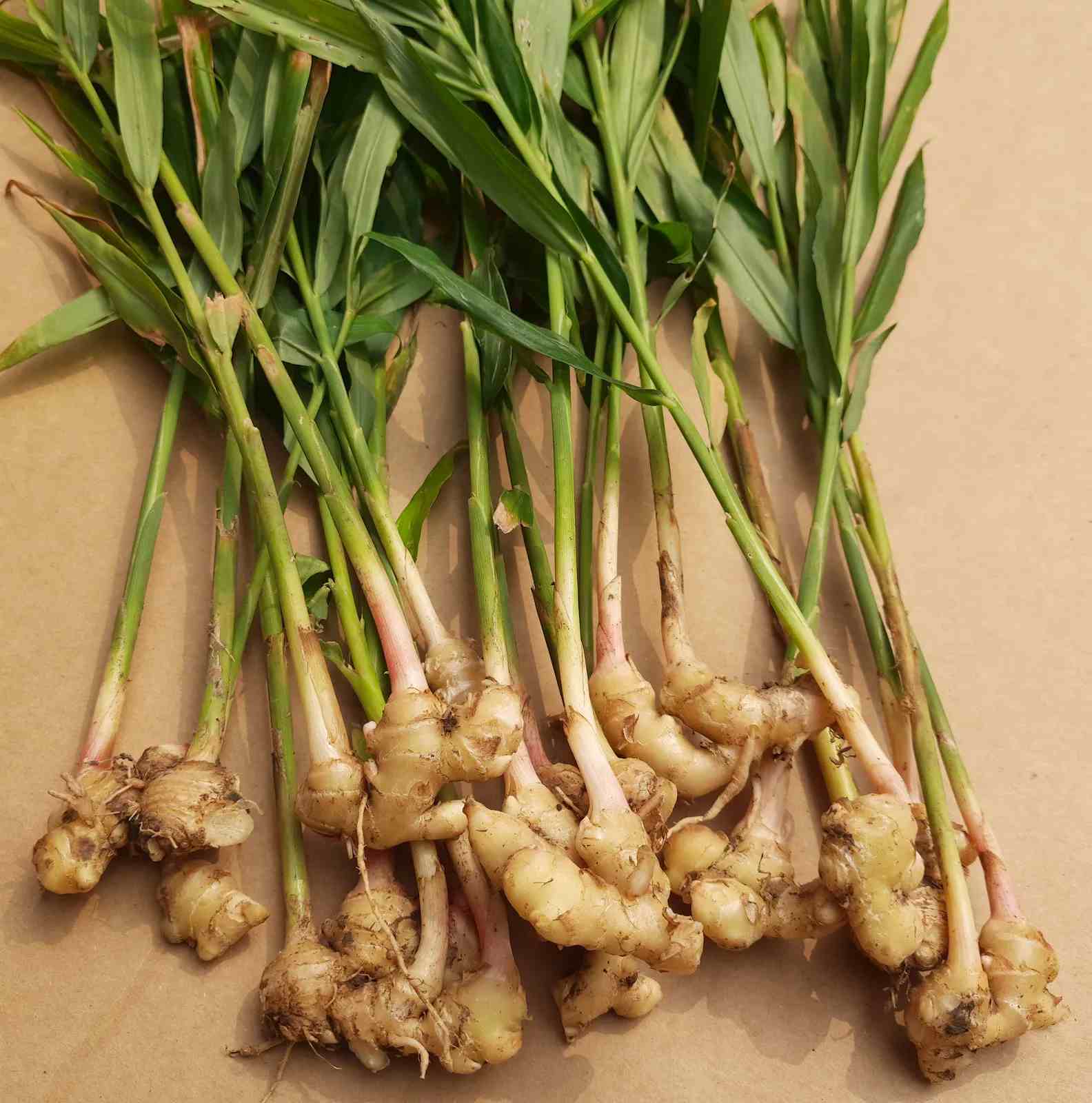
  • Ginger: Gingerols and shogaols inhibit prostaglandin synthesis and have documented antiviral activity against respiratory viruses including influenza and RSV.

The articles below provide in-depth, evidence-based guides to each of these foods — covering the specific active compounds, the clinical trial evidence, and practical guidance on quantities and preparation to maximise immune benefit.
Articles

10 Foods That Actually Boost Your Immune System (Backed by Clinical Evidence)

10 Foods That Actually Boost Your Immune System (Backed by Clinical Evidence)

Most "immune-boosting food" lists are built on tradition, not trials. This guide covers the 10 foods with the strongest clinical evidence behind them — including the elderberry meta-analysis, a blueberry RCT showing 70% fewer infections, and the spirulina phycocyanin research that most articles miss.

Elderberry for Colds and Flu: The Clinical Trial Evidence, Active Compounds and How to Use It

Elderberry for Colds and Flu: The Clinical Trial Evidence, Active Compounds and How to Use It

A meta-analysis of RCTs found elderberry supplementation produced a large effect size on upper respiratory symptom reduction. A Norway RCT found 4 days faster flu recovery vs placebo. An air-travel RCT found 57 cold episode days vs 117 in placebo. Here is the complete evidence — including one conflicting trial — and how to choose the right product.

The Gut-Immune Axis: Why 70% of Your Immune System Lives in Your Digestive Tract

The Gut-Immune Axis: Why 70% of Your Immune System Lives in Your Digestive Tract

The gut-associated lymphoid tissue (GALT) is the largest immune organ in the human body. The trillions of bacteria in your intestinal tract directly educate and regulate your immune system — determining its tone, reactivity, and ability to distinguish threats from harmless material. Here is the science and the foods that support it.

Turmeric and Ginger for Immunity: How Two Kitchen Staples Outperform Most Supplements

Turmeric and Ginger for Immunity: How Two Kitchen Staples Outperform Most Supplements

Curcumin modulates over 160 immune-relevant molecular targets including NF-kB and COX-2. Gingerols have documented antiviral activity against influenza, RSV, and rhinovirus. Used together, turmeric and ginger address both the inflammatory immune dysregulation and direct antiviral defence that underpin respiratory infection susceptibility.

Phytonutrients and Immunity: What Blueberries, Spirulina and Colourful Foods Do to Your Immune Cells

Phytonutrients and Immunity: What Blueberries, Spirulina and Colourful Foods Do to Your Immune Cells

A blueberry RCT found a 70% reduction in upper respiratory infections in endurance athletes. Spirulina phycocyanin activates natural killer cells and inhibits NF-kB. Beta-carotene from moringa and spirulina converts to vitamin A — the nutrient without which the adaptive immune system cannot produce adequate antibodies. Here is the phytonutrient case for eating colour.

How to Eat for Immune Health in Winter: A Practical Food-First Strategy

How to Eat for Immune Health in Winter: A Practical Food-First Strategy

Upper respiratory infections peak between October and March in the northern hemisphere — not because of cold temperatures, but because of vitamin D insufficiency, indoor crowding, and reduced dietary diversity. This practical guide covers exactly what to eat, when to start, and which foods to prioritise at different stages of the cold and flu season.

Your Immune-Boosting Foods Shopping List: 8 Science-Backed Superfoods to Buy Right Now

Your Immune-Boosting Foods Shopping List: 8 Science-Backed Superfoods to Buy Right Now

Building a food-first immune strategy starts with stocking the right products. This curated shopping list covers the 8 most evidence-backed immune-boosting foods available as convenient supplements and powders — with guidance on what to look for on the label to ensure you are buying a product that actually delivers the active compounds the research was done on.