How to Eat for Immune Health in Winter: A Practical Food-First Strategy
Cold and flu season is predictable. Every year, upper respiratory infection rates rise sharply between October and March in the northern hemisphere, peak in January–February, and decline through spring. Most people respond reactively — reaching for elderberry syrup or vitamin C only after symptoms begin. This reactive approach misses the 6–8 week window during which the immune preparation strategies with the strongest evidence — particularly vitamin D3 repletion and gut microbiome support — need time to work.
A food-first immune strategy for winter should begin in September, with different nutritional priorities at three stages: pre-season preparation, in-season maintenance, and acute illness response.
Why Infections Peak in Winter: The Real Reasons
Cold temperatures do not cause respiratory infections — viruses do. Winter's infection peak has three primary drivers:
- Vitamin D insufficiency: Vitamin D production requires UVB sunlight exposure at a solar angle only present in the northern hemisphere between approximately April and September. From October to March, most people in the UK, northern Europe, and northern North America produce essentially no vitamin D from sun exposure. Vitamin D receptors are present on every immune cell type, and deficiency (below 50 nmol/L, which affects the majority of UK adults by February) directly impairs both innate and adaptive immune responses. The seasonal nadir of vitamin D levels and the peak of respiratory infection incidence are not coincidental — they are causally related
- Indoor crowding: Cold weather drives people indoors, increasing the respiratory droplet and aerosol exposure that transmits respiratory viruses
- Reduced dietary diversity: Winter diets in northern countries typically feature fewer fresh vegetables and fruits — reducing the daily phytonutrient variety that supports immune tone
Stage 1: Pre-Season Preparation (September–October)
This is the highest-leverage intervention period — before infection rates rise and while there is time for immune-supporting habits to produce measurable physiological changes.
Priority 1: Vitamin D3 Repletion
Start a vitamin D3 supplement (1,000–4,000 IU daily, or as directed by a tested level) in September. Optimal immune function is associated with 25(OH)D levels of 75–150 nmol/L. Getting a blood test in September reveals whether supplementation needs to be higher to reach this range before the worst of winter.
Priority 2: Gut Microbiome Investment
Add a daily fermented food — yoghurt, kefir, kimchi, sauerkraut, or kefir — alongside a variety of prebiotic-rich foods (garlic, onions, leeks, oats, bananas). The GALT requires 4–8 weeks of consistent dietary support to measurably improve sIgA levels and regulatory immune tone. Starting in September means peak gut-immune conditioning by November when infection risk rises.
Priority 3: Phytonutrient Diversity
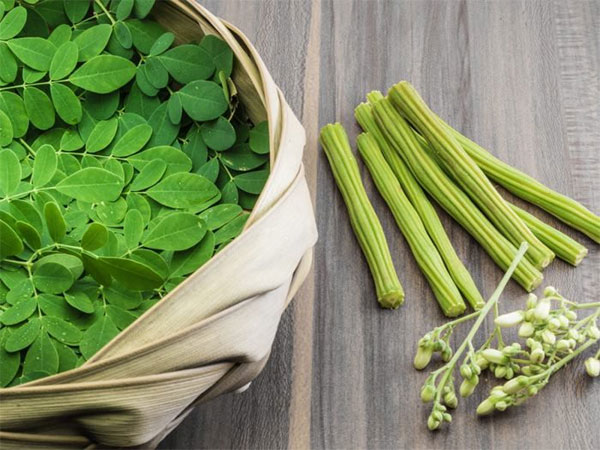
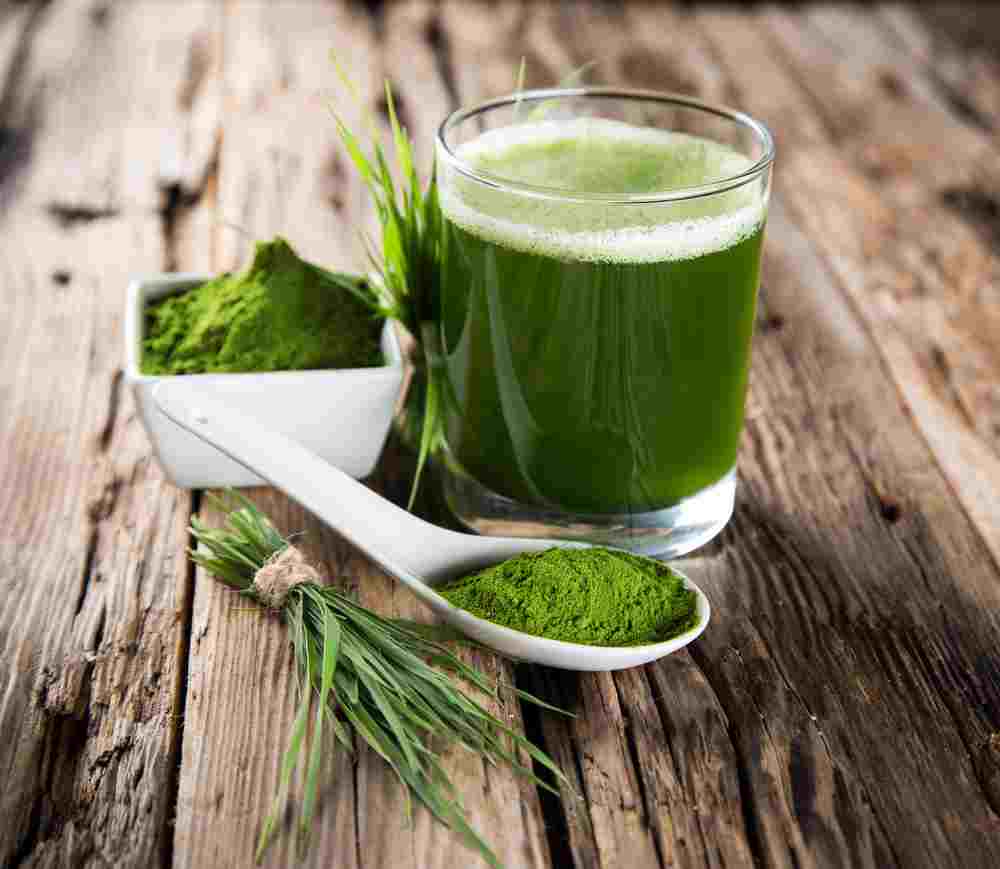
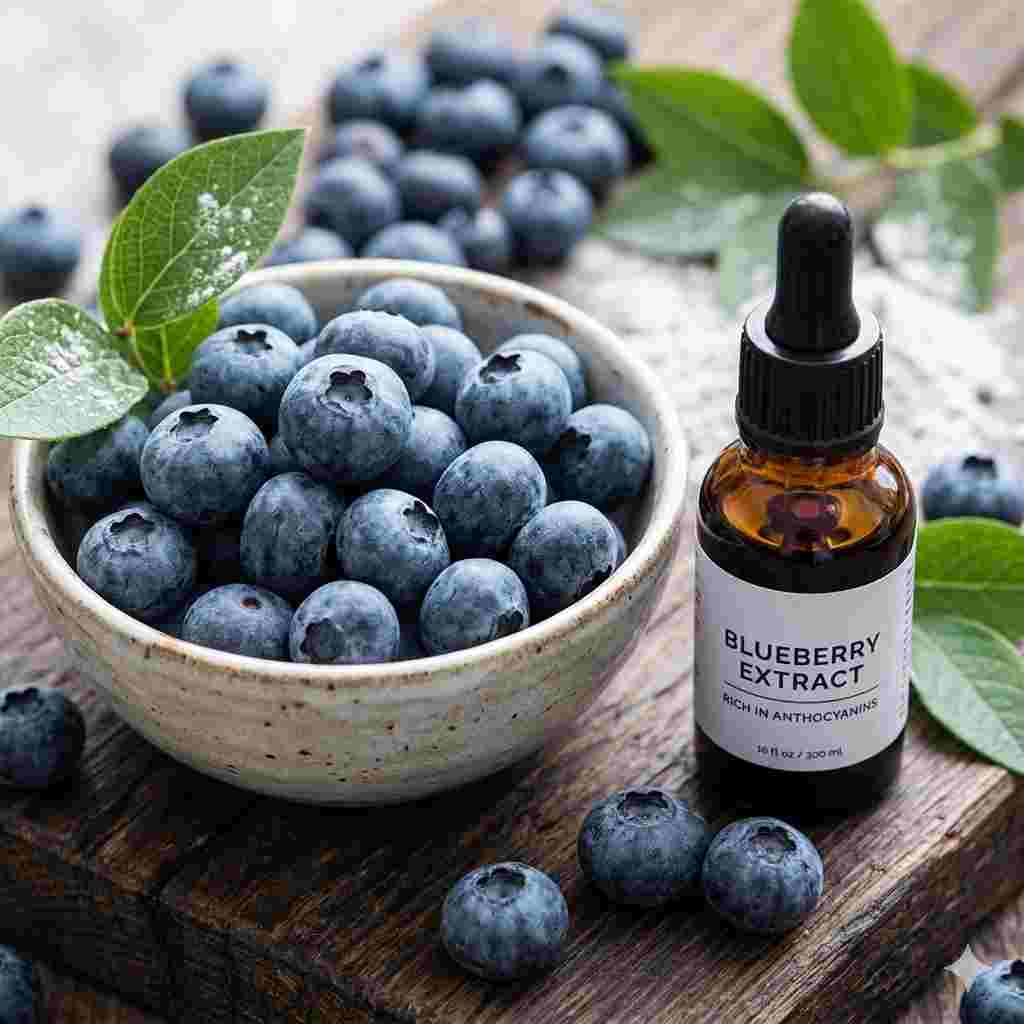
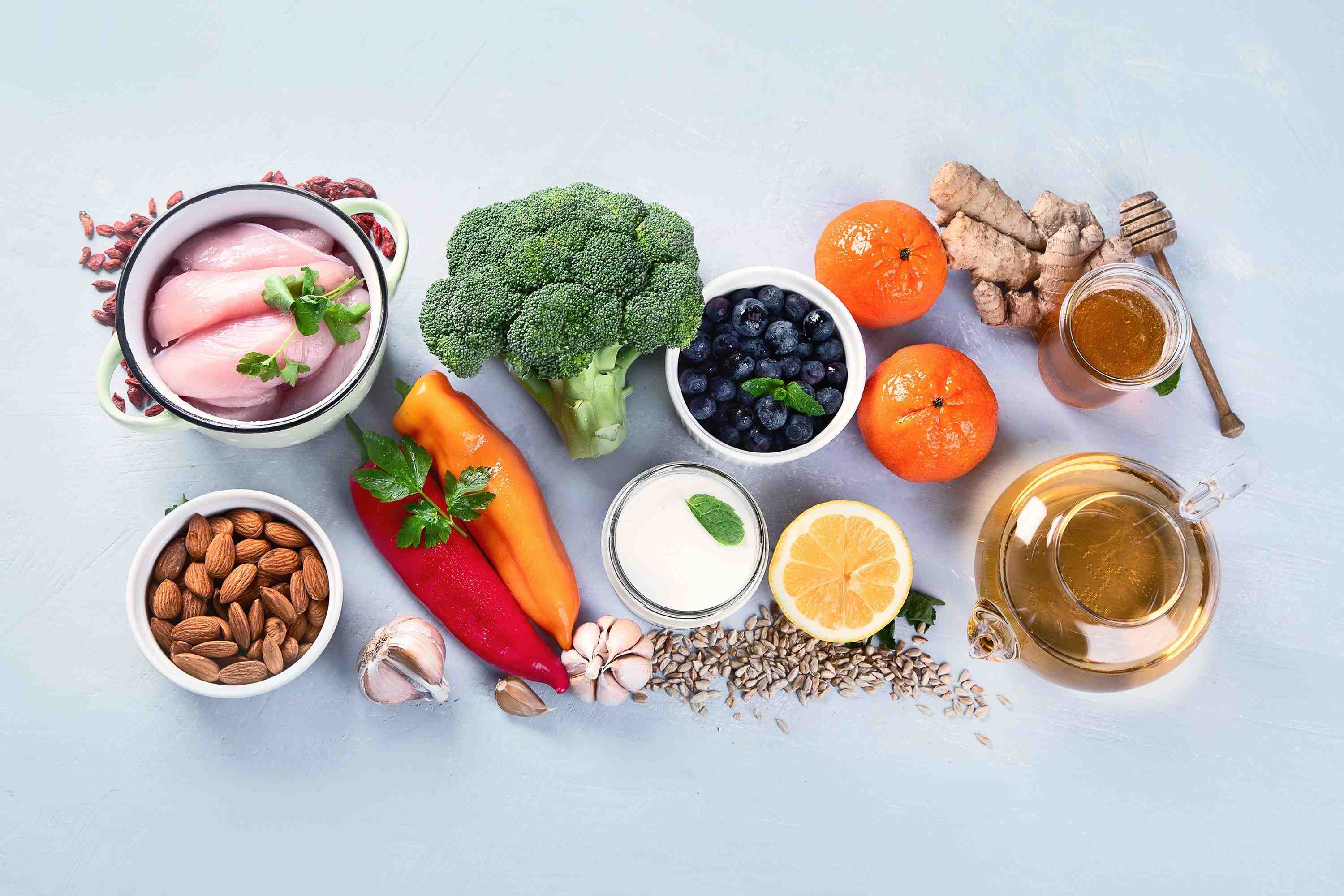
While summer fruit is fading, replace it with: frozen blueberries (anthocyanins fully preserved in freezing), moringa powder (add to smoothies — one of the densest micronutrient sources available year-round), spirulina (1–3g daily, beta-carotene and phycocyanin), and brassica vegetables (broccoli, kale, red cabbage — cruciferous isothiocyanates and vitamin C).
Stage 2: In-Season Maintenance (November–February)
Daily nutritional immune maintenance during peak season focuses on consistency across four pillars:
Morning
- Kefir or probiotic yoghurt with frozen blueberries and a teaspoon of moringa powder — covers gut-immune axis, anthocyanins, and micronutrient density in one meal
- Green tea (2–3 cups throughout the morning) — EGCG antiviral and NK-enhancing activity, meta-analysis evidence for reduced respiratory infection risk
Main Meals
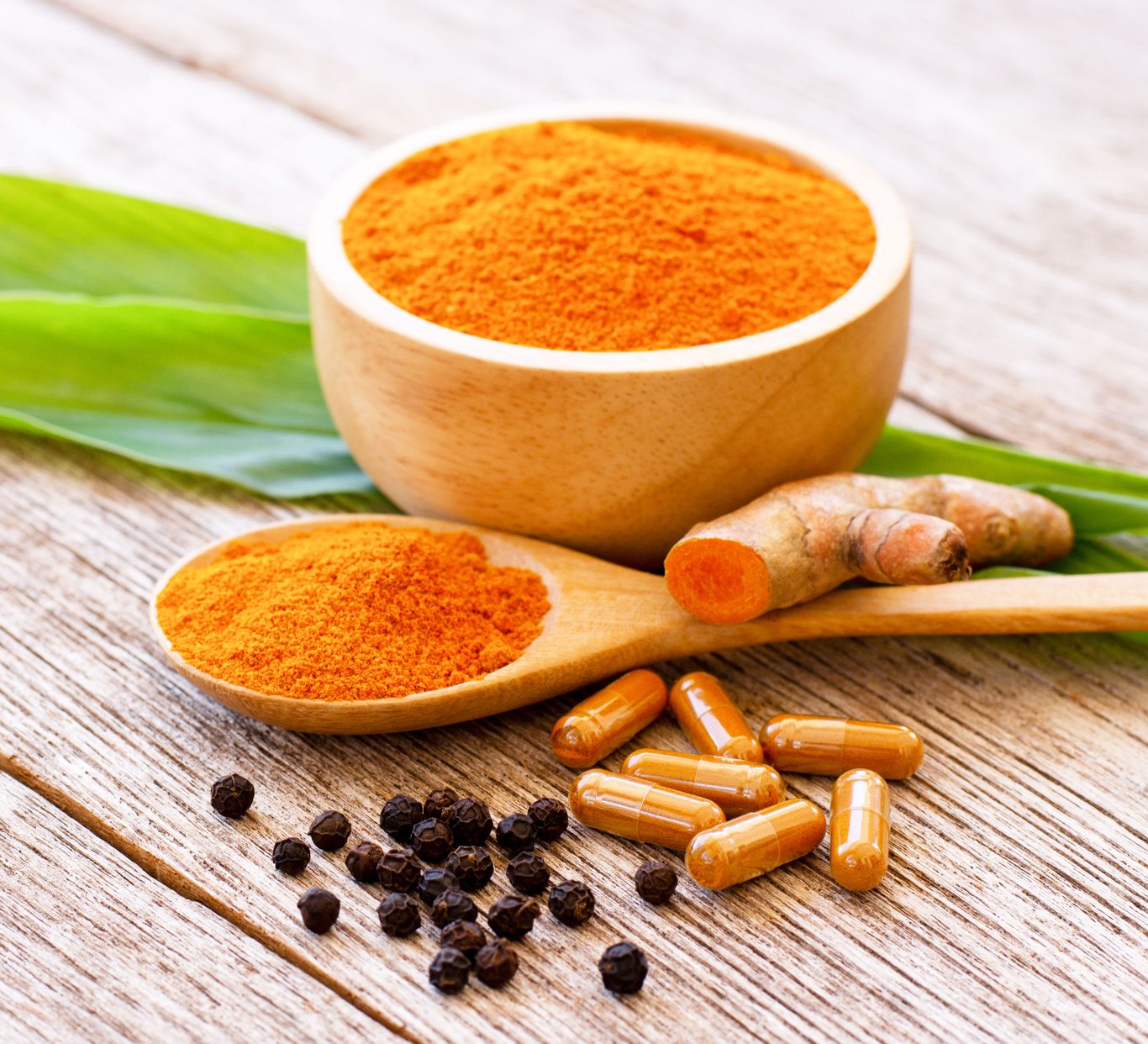
- Turmeric in cooking with black pepper and olive oil at least once daily — curcumin bioavailability maximised, NF-kB modulation maintained
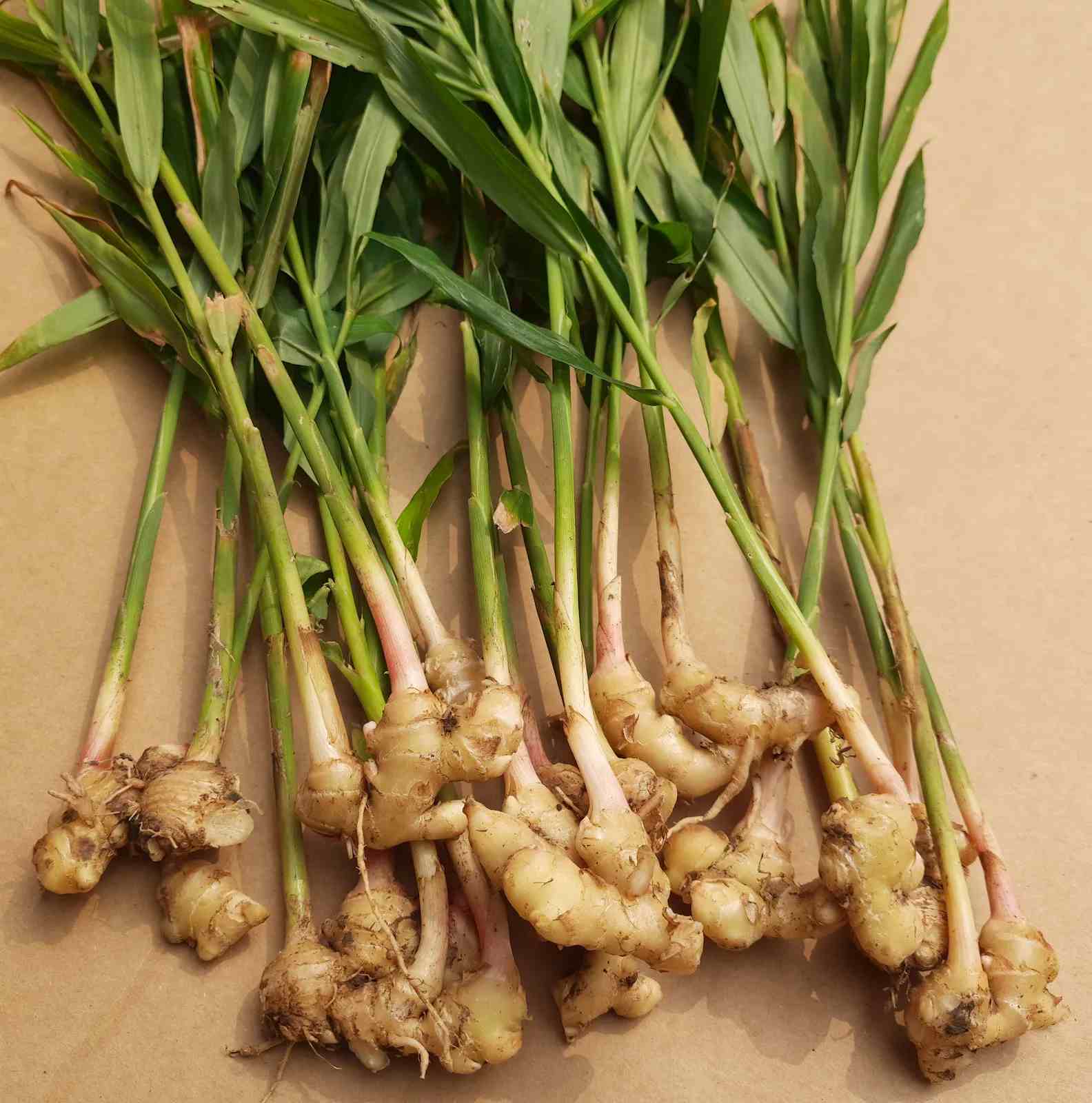
- Fresh or dried ginger in at least one meal — gingerol/shogaol antiviral and anti-inflammatory activity
- Dark leafy greens (moringa, kale, spinach) — vitamin A precursors, vitamin C, zinc, quercetin
- Oily fish twice weekly (or omega-3 supplement) — EPA/DHA for resolvin production, immune resolution
Evening
- Garlic in cooking (crush raw and allow 10 minutes before cooking for allicin formation to complete before heat inactivation) — allicin antiviral and immune-stimulating activity
- Fermented vegetable (kimchi, sauerkraut) as a condiment — live cultures, organic acids, gut-immune support
Stage 3: Acute Illness Response (First 48 Hours)
When symptoms begin, the window for maximising natural immune response is 0–48 hours. The foods and concentrations needed shift significantly:
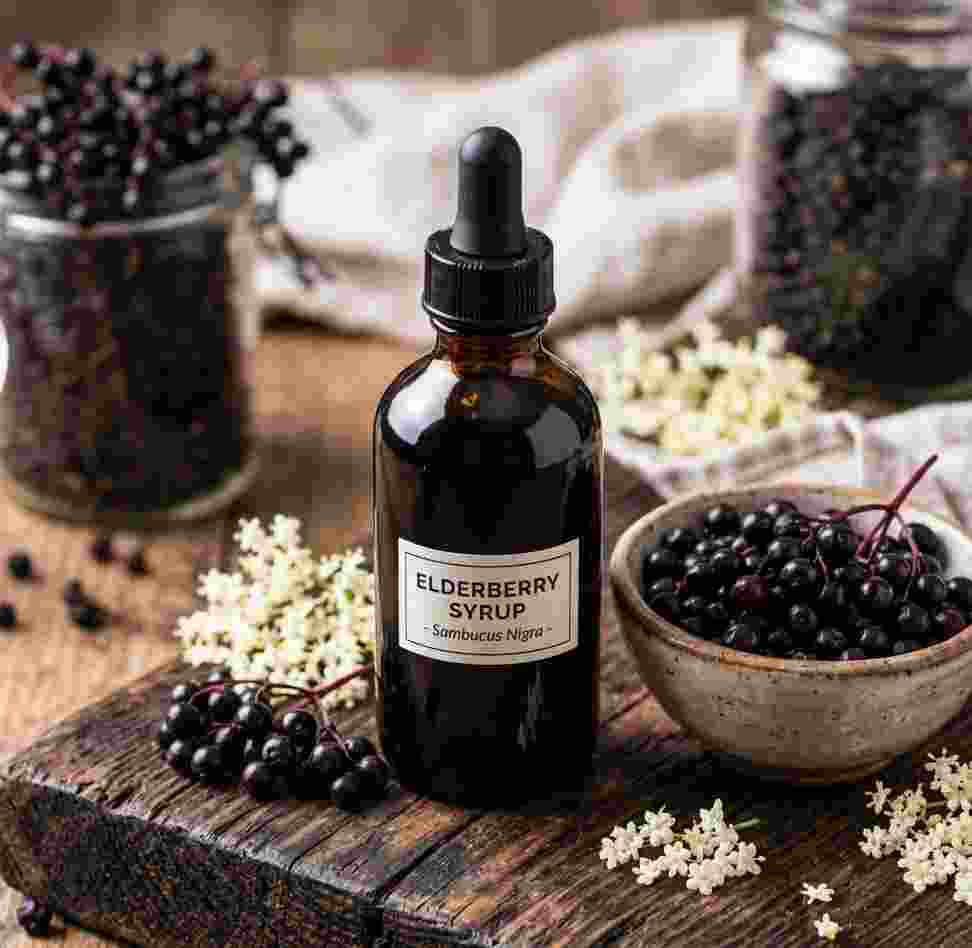
- Elderberry: 600–900mg standardised extract daily (or 15ml elderberry syrup 4x daily as used in the Norway RCT) — start immediately at first symptoms, the antiviral mechanism is most effective early in the viral replication cycle
- Ginger tea: 3–4 cups daily of strong fresh ginger tea — anti-inflammatory, COX-2 inhibition to reduce symptom severity without suppressing antiviral response
- Garlic: 2–3 cloves of raw crushed garlic daily (in honey, or minced into cold food) — maximum allicin exposure for antiviral and antimicrobial activity
- Bone broth with turmeric and ginger: Provides glycine and proline for mucosal repair, combined anti-inflammatory activity from curcumin and gingerols, and hot steam for symptom relief
- Vitamin C foods: Kiwi (highest vitamin C per fruit), citrus, red bell pepper — short half-life of vitamin C means frequent small doses are more effective than a single large one
- Hydration: Secretory IgA production requires adequate hydration — dehydration reduces mucosal immune defence within hours
References
- Martineau AR, et al. (2017). Vitamin D supplementation and prevention of acute respiratory infections: meta-analysis. BMJ, 356:i6583.
- Wastyk HC, et al. (2021). High-fermented-food diet reduces inflammatory proteins. Cell, 184(16):4137–4153.
- Zakay-Rones Z, et al. (2004). Elderberry syrup started within 48h of flu symptom onset: 4-day reduction. J Altern Complement Med. PubMed 15080016.