Your Immune-Boosting Foods Shopping List: 8 Science-Backed Superfoods to Buy Right Now
A food-first immune strategy works best when you consistently have the right ingredients available. The challenge is that the most immune-active compounds in these foods — elderberry anthocyanins, spirulina phycocyanin, curcumin, gingerols — require either very frequent fresh food shopping or convenient supplemental forms that preserve these compounds reliably. This guide covers the 8 most evidence-backed immune-boosting foods in their most practical forms, with specific guidance on what to look for to ensure you are buying something the research actually supports.
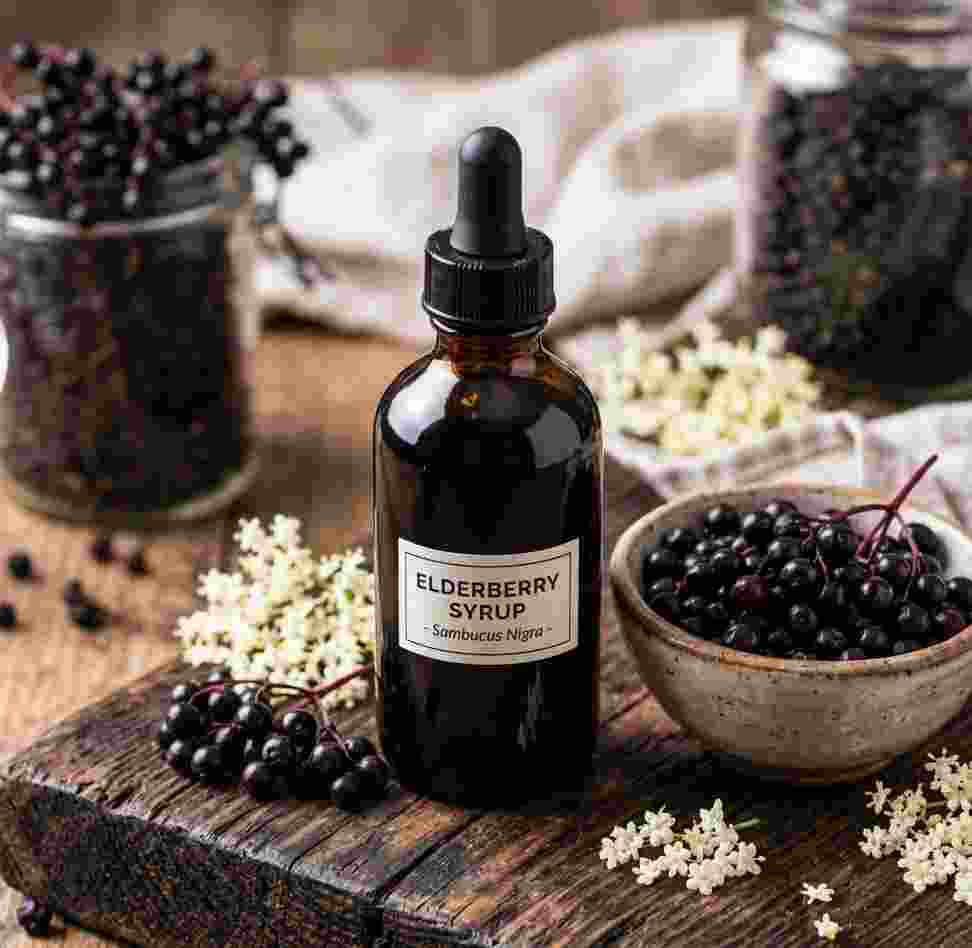
1. Elderberry Extract
The clinical evidence for elderberry is built on standardised extracts — not the heavily sweetened, low-anthocyanin elderberry gummies that dominate pharmacy shelves. What to look for:
- Standardised to ≥15% anthocyanins — this is the threshold associated with clinical activity
- Sambucus nigra specified (black elderberry specifically, not other elderberry species)
- Capsule or syrup form preferred over gummies (heat processing during gummy production significantly degrades anthocyanins)
- Dose: 600mg extract daily for prevention, 600–900mg daily for acute illness
The air-travel RCT used 600mg pre-travel and 900mg during travel. The Norway influenza RCT used 60ml/day of syrup standardised to flavonoid content. Both represent the documented evidence base.
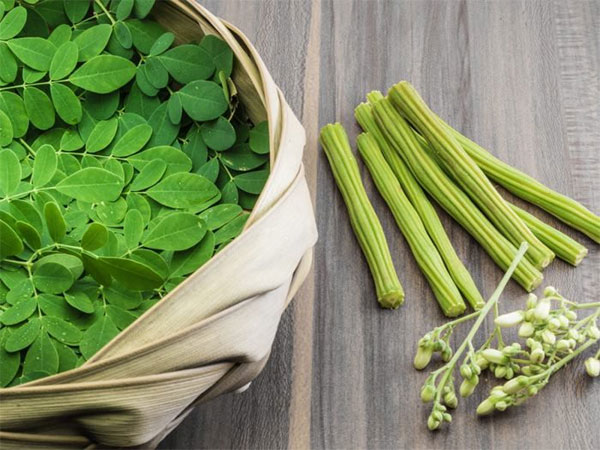
2. Organic Moringa Leaf Powder
Moringa powder is one of the most micronutrient-dense foods available in a convenient form — but quality varies enormously. What to look for:
- Organic certification — moringa readily absorbs soil contaminants, making organic sourcing important
- Bright green colour — a dull, olive-brown powder indicates degraded chlorophyll and reduced phytonutrient content from heat damage or age
- 100% pure moringa leaf (not blended with fillers or other greens)
- Cold-processed or air-dried (heat processing above 65°C degrades vitamin C and isothiocyanates)
- Dose: 1–2 teaspoons (3–6g) daily in smoothies, water, or yoghurt; mild earthy flavour pairs well with banana and berries
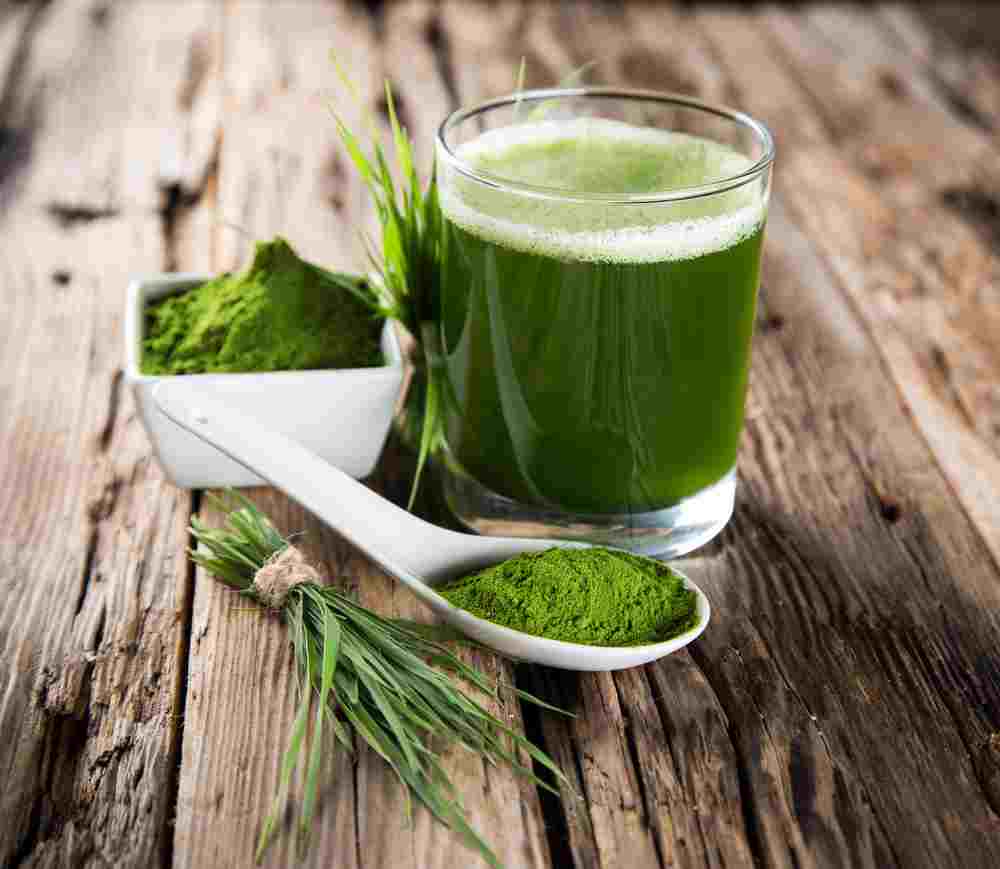
3. Spirulina Powder or Tablets
Spirulina's immune credentials — phycocyanin content, beta-carotene density — are best preserved in powder form, though tablets are more convenient for daily use. What to look for:
- Phycocyanin content stated where possible (≥15% phycocyanin by dry weight indicates quality extraction)
- Third-party heavy metal testing certificate — spirulina grown in polluted water accumulates heavy metals; this is the most important quality check for any spirulina product
- Vibrant blue-green colour in powder (faded green indicates phycocyanin degradation)
- Dose: 1–3g daily for general immune support; up to 8g in RCTs demonstrating NK cell effects
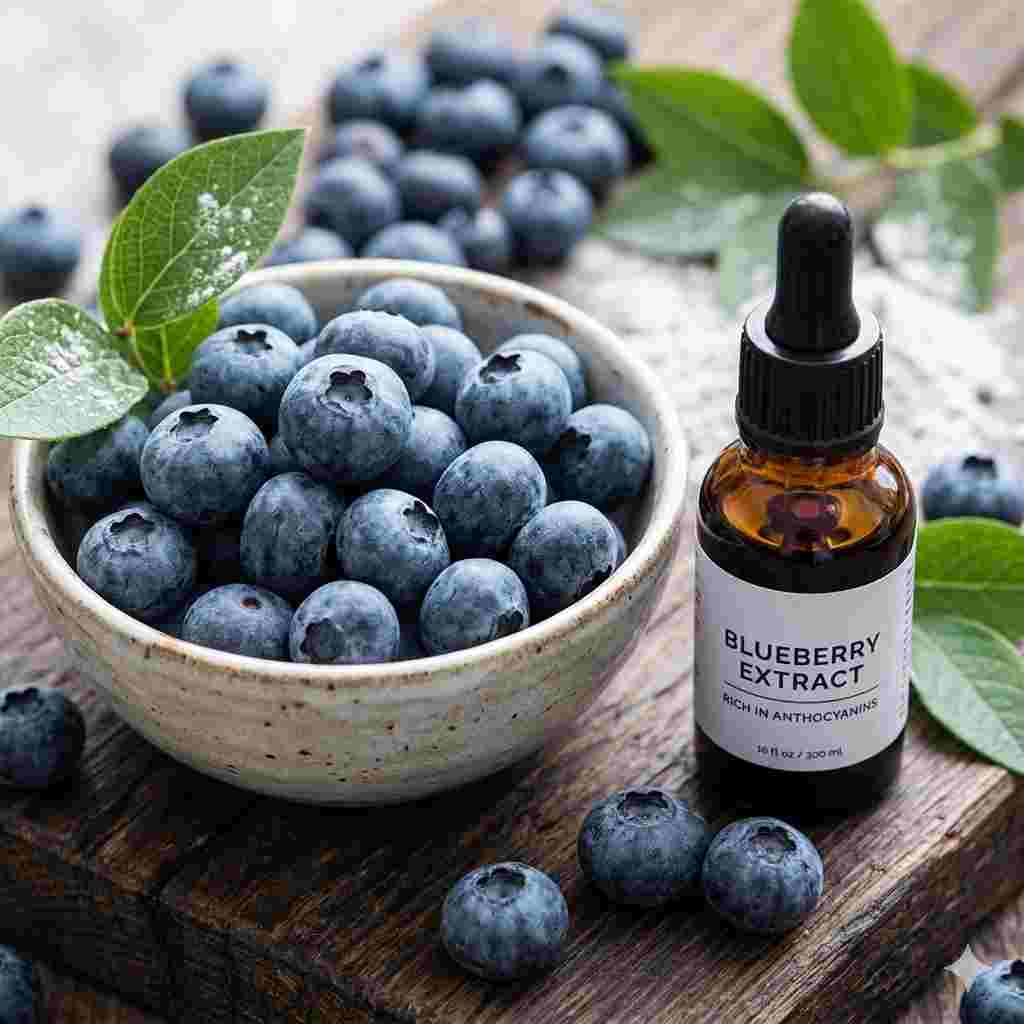
4. Blueberry Extract (or Frozen Whole Blueberries)
Fresh blueberries provide the complete anthocyanin profile used in the 70% infection reduction RCT. For supplemental use:
- Wild blueberry (Vaccinium angustifolium) extract — wild blueberries contain 2–3x the anthocyanin density of cultivated blueberries
- Standardised to ≥25% anthocyanins for extract products
- Alternatively: organic frozen blueberries preserve essentially 100% of anthocyanins vs fresh (freezing ruptures cell walls and actually improves anthocyanin release during digestion)
- Dose: 150–250g frozen blueberries daily or equivalent extract dose
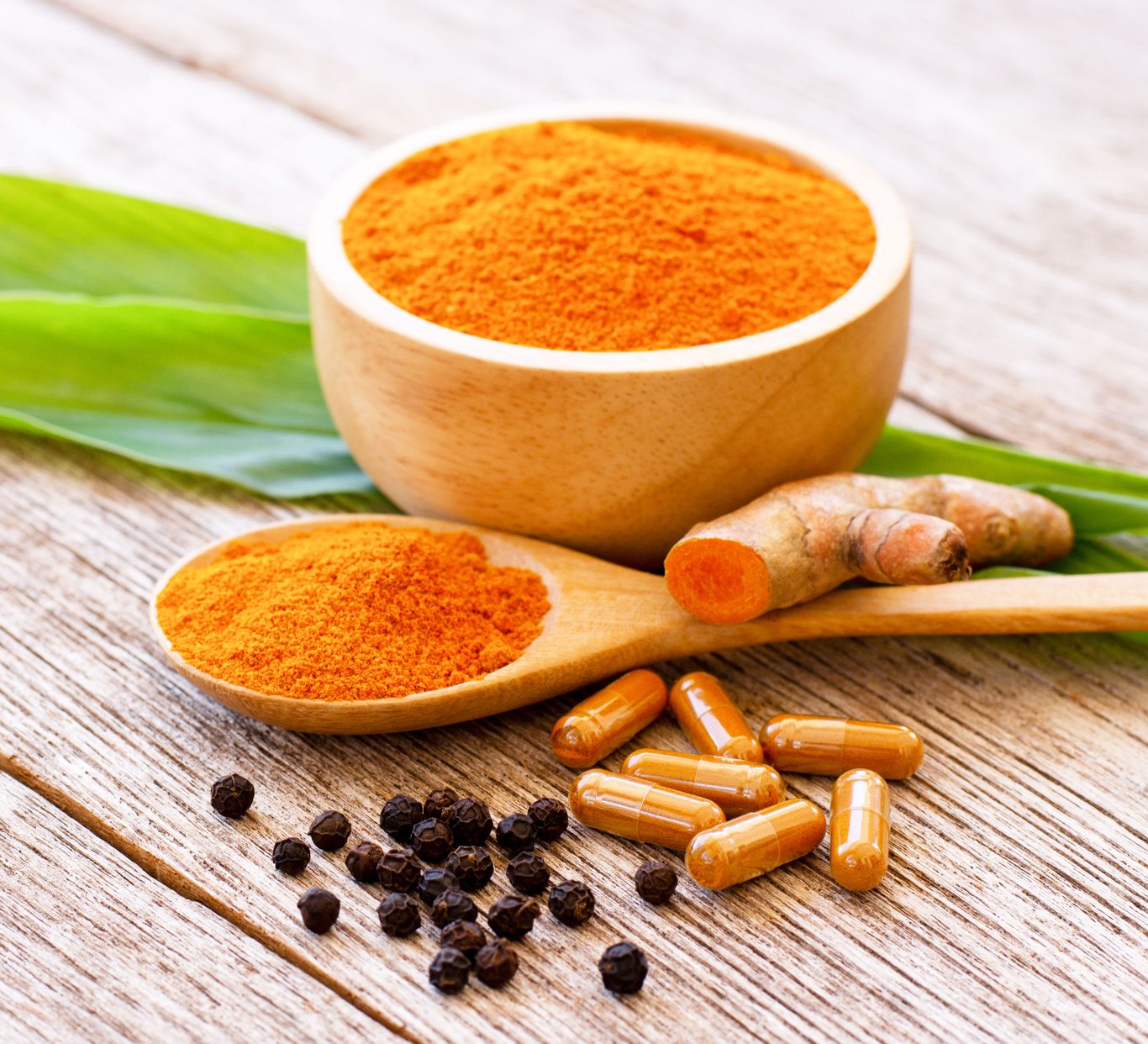
5. Turmeric with Black Pepper (Curcumin + Piperine)
Never buy turmeric or curcumin without confirmed piperine content. Without piperine, standard curcumin bioavailability is so low that even large doses may produce negligible plasma levels. What to look for:
- Curcumin (curcuminoid) content clearly stated — look for 95% curcuminoids standardised extract
- Piperine (black pepper extract/BioPerine) co-formulated at ≥5mg per serving — 20mg produces the maximum 2,000% bioavailability enhancement
- Or phytosome/liposomal formulations (Meriva, BCM-95, Theracurmin) if piperine is contraindicated (note: piperine inhibits drug-metabolising enzymes and can affect drug levels)
- Dose: 500–1,000mg curcuminoids daily with 5–20mg piperine
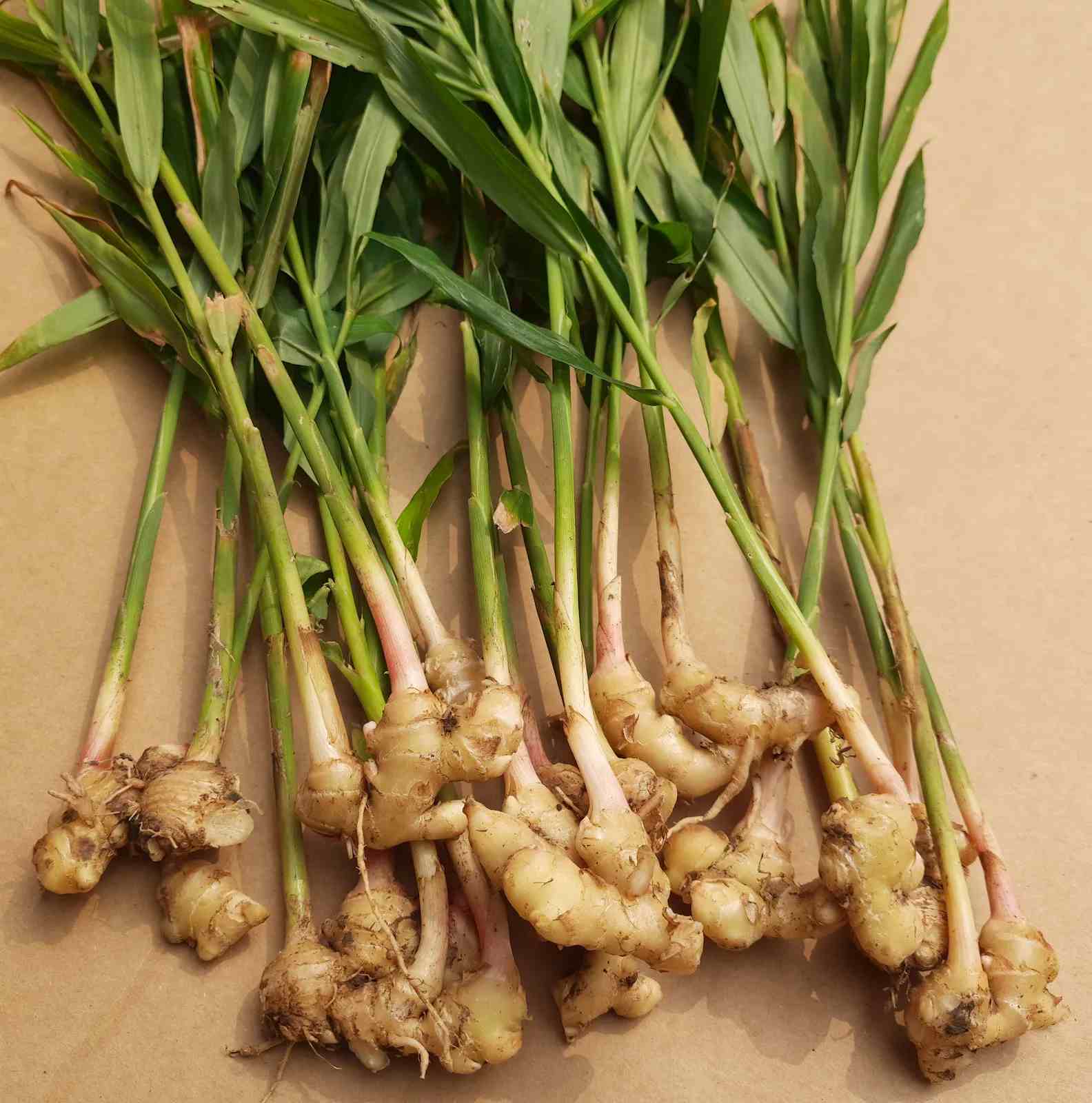
6. Ginger Extract or Fresh Ginger Root
Fresh ginger root for gingerol content, dried/powdered for shogaol content — both have documented activity. What to look for:
- Standardised ginger extract: ≥5% gingerols for supplement products
- For whole root: organic fresh ginger root (freeze what you cannot use immediately — grating frozen ginger is easier than fresh)
- Dose: 1–2g dried ginger equivalent daily for baseline support; up to 4g for acute illness management
7. Garlic (Aged Garlic Extract or Fresh)
For immune benefit, the allicin content and its delivery to the gut matters. What to look for:
- Aged garlic extract (AGE) — provides S-allylcysteine and other stable organosulfur compounds without the digestive discomfort of raw allicin; multiple RCTs confirm immune benefits
- Enteric-coated garlic tablets — allow allicin precursors to reach the intestine before being released, maximising allicin yield
- Fresh garlic: crush and allow 10 minutes before use to allow allinase enzyme to complete allicin formation; add at the end of cooking to limit allicin degradation from heat
- Dose: 600–1,200mg AGE daily, or 2–3 cloves fresh raw garlic daily
8. Green Tea Extract (EGCG)
For immune purposes, green tea extract provides concentrated EGCG without requiring multiple cups of caffeinated tea throughout the day. What to look for:
- EGCG content clearly stated — look for ≥45–50% EGCG standardisation
- Decaffeinated options available if caffeine sensitivity is a concern
- Third-party tested (EGCG supplements have a documented hepatotoxicity risk at very high doses; stick to ≤800mg EGCG/day and take with food)
- Dose: 200–400mg EGCG daily for immune support
Building Your Stack
A practical daily immune nutrition stack from this list:
- Morning: Moringa powder + spirulina in a smoothie with frozen blueberries
- With breakfast: Green tea extract capsule or 2 cups green tea
- With lunch: Turmeric + piperine capsule with a fatty meal for absorption
- Cooking: Fresh ginger and garlic daily in main meals
- Cold/flu season prevention add-on: Elderberry extract 600mg daily October–March
This covers NK cell activation (blueberry, spirulina), NF-kB modulation (curcumin, ginger, spirulina), antiviral activity (elderberry, garlic, EGCG), mucosal vitamin A (moringa, spirulina), and vitamin C (moringa) — a comprehensive phytonutrient approach to immune resilience.
References
- Hawkins J, et al. (2019). Elderberry meta-analysis. Complement Ther Med, 42:361–365.
- Tiralongo E, et al. (2016). Elderberry RCT in air-travellers. PMC 4848651.
- Furushima D, et al. (2021). Green tea EGCG: 109 RCT meta-analysis. Molecules.
- McAnulty LS, et al. (2011). Blueberry and NK cell activity: 70% URI reduction. Appl Physiol Nutr Metab.