Turmeric and Ginger for Immunity: How Two Kitchen Staples Outperform Most Supplements
Turmeric and ginger are often dismissed as culinary ingredients that have been romanticised into wellness culture. This dismissal reflects a failure to engage with the actual research. Both plants contain bioactive compounds with specific, measurable, mechanistically coherent effects on immune function — in several cases with activity comparable to pharmaceutical compounds operating through the same molecular pathways.
Turmeric: The NF-kB Modulator
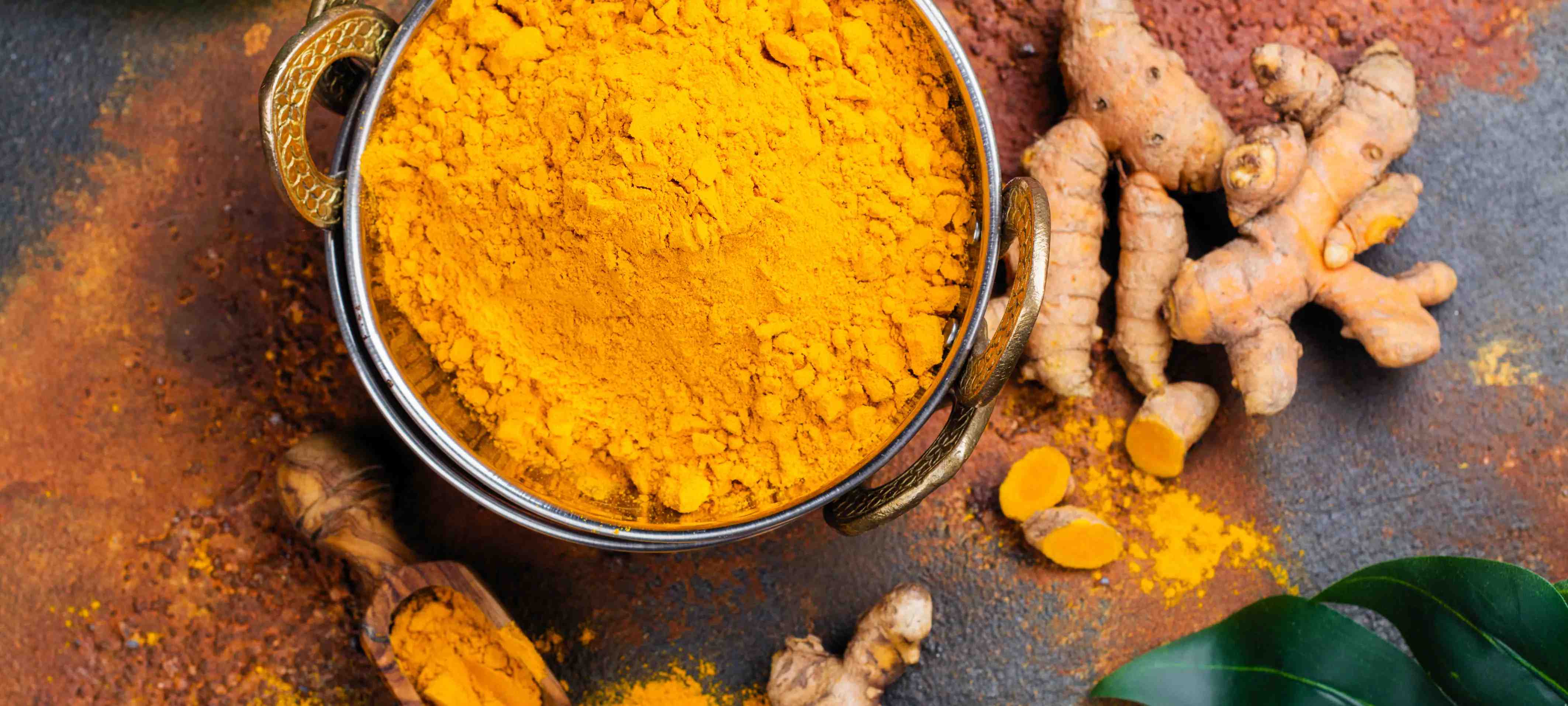
The primary bioactive compound in turmeric (Curcuma longa) is curcumin — a polyphenol that has been the subject of over 15,000 published scientific studies. The scope of curcumin's biological activity reflects its ability to modulate NF-kB (nuclear factor kappa-light-chain-enhancer of activated B cells) — the transcription factor that acts as a master switch for inflammatory gene expression.
Why NF-kB Matters for Immunity
NF-kB controls the transcription of over 400 target genes with immune relevance — including cytokines (IL-1β, IL-6, TNF-α), chemokines, adhesion molecules, and enzymes (COX-2, iNOS) that mediate the inflammatory response. When NF-kB is appropriately activated in response to genuine infection, it orchestrates the rapid, powerful immune response that clears pathogens. When it is chronically dysregulated — as in states of chronic stress, metabolic dysfunction, poor diet, or persistent low-grade inflammation — it produces the immune senescence and inflammatory tissue damage that underlies most age-related disease.
Curcumin inhibits NF-kB activation through multiple points in the signalling cascade — blocking IκB kinase (IKK), preventing IκB phosphorylation and degradation, and directly inhibiting NF-kB DNA binding. This normalises inflammatory signalling without suppressing the acute antiviral immune response.
Curcumin's Additional Immune Mechanisms
- Macrophage polarisation: Curcumin shifts macrophages from pro-inflammatory M1 toward regulatory M2 phenotype — reducing chronic inflammatory tissue damage while maintaining phagocytic function
- Antiviral activity: In vitro studies document curcumin's direct antiviral activity against influenza A, adenovirus, herpes simplex virus 1 and 2, and respiratory syncytial virus — primarily through viral envelope disruption and inhibition of viral protease activity
- NK cell and T cell enhancement: Curcumin has been shown to enhance natural killer cell cytotoxicity and modulate T cell differentiation toward protective immune responses
- Gut barrier protection: Curcumin reduces intestinal permeability by upregulating tight junction proteins (claudin-1, occludin) — supporting the gut-immune axis
The Bioavailability Problem — and the Solution
Standard curcumin powder has very low oral bioavailability — it is poorly absorbed, rapidly metabolised, and quickly eliminated. This is the legitimate critique of turmeric supplementation. However, several strategies dramatically increase absorption:
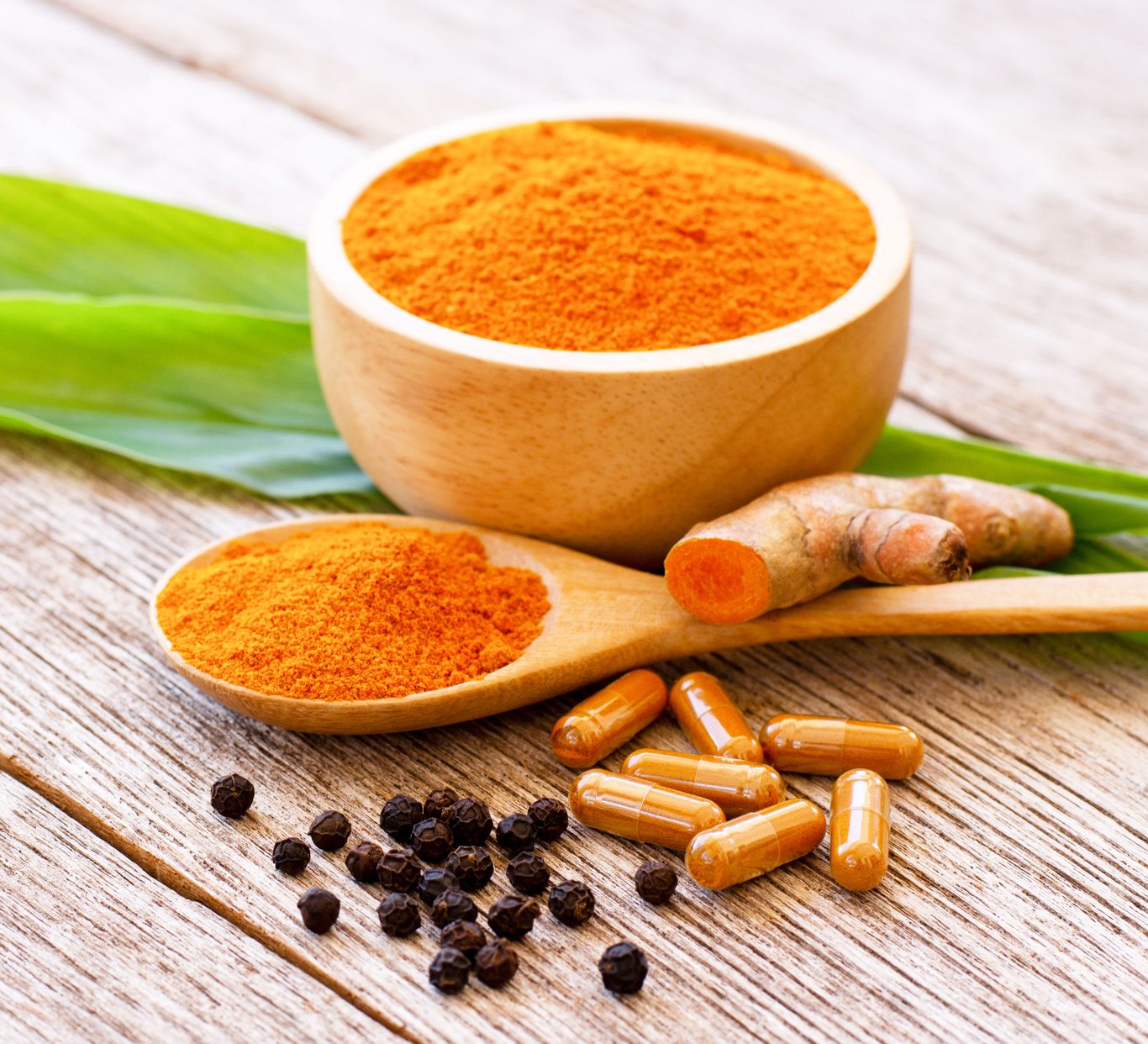
- Piperine (black pepper extract): 20mg piperine co-administered with curcumin increases its bioavailability by up to 2,000% by inhibiting first-pass metabolism. This is why traditional preparations combine turmeric with black pepper
- Fat: Curcumin is fat-soluble — consuming with a fatty meal (olive oil, coconut milk, avocado) significantly increases absorption
- Phytosome and liposomal formulations: Encapsulating curcumin in phospholipid carriers (BCM-95, Meriva, Theracurmin) increases bioavailability 7–29 times vs standard curcumin powder
The practical implication: golden milk (turmeric + black pepper + warm milk or plant milk + fat) is not just a tradition — it is a bioavailability strategy. A supplement without piperine or a formulation technology is likely to deliver minimal circulating curcumin regardless of the stated dose.
Ginger: The Antiviral and Anti-Inflammatory Spice
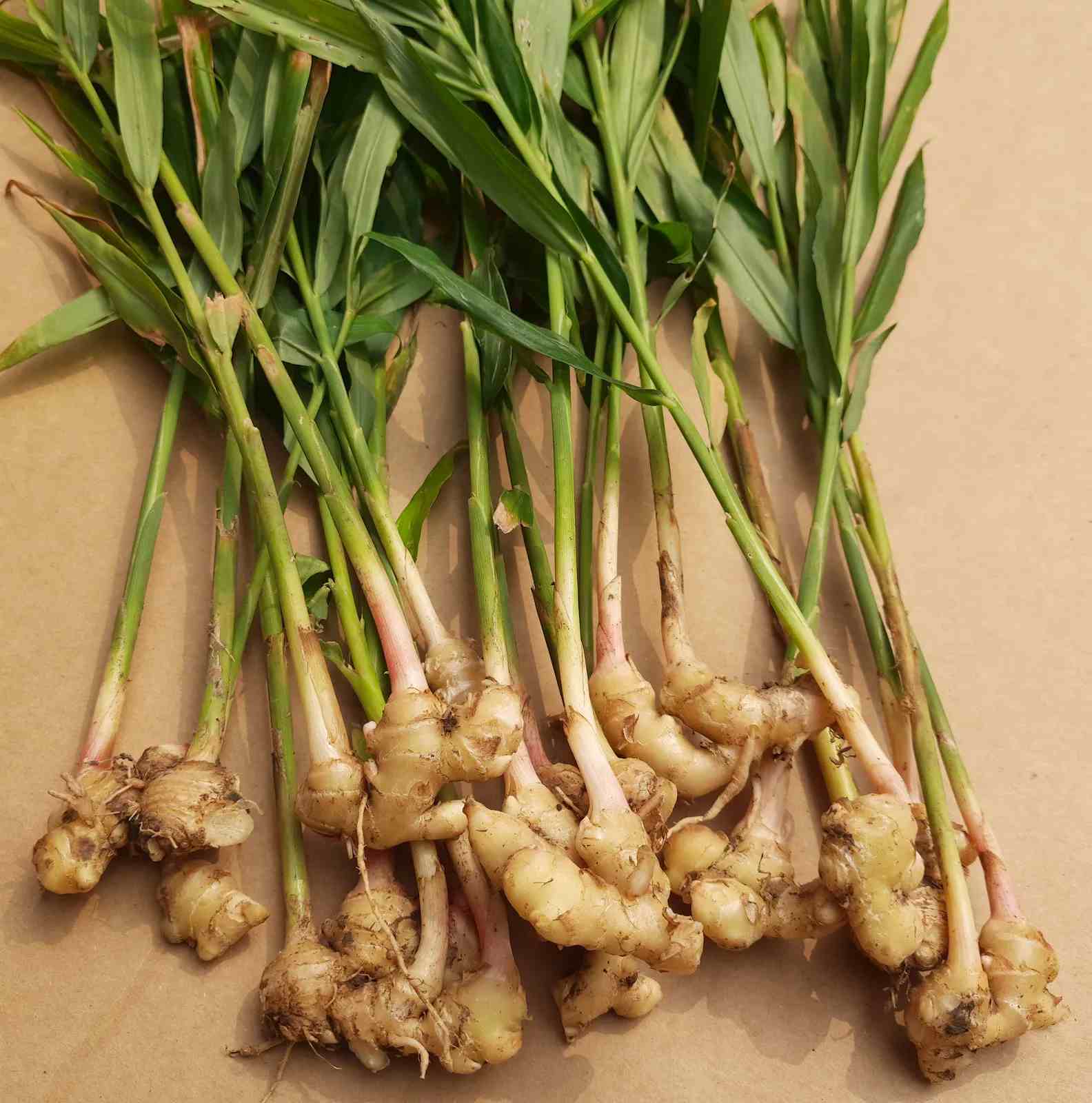
Ginger (Zingiber officinale) contains a complex mixture of active compounds whose relative concentrations differ between fresh and dried forms — a distinction with practical immune implications.
Gingerols (Fresh Ginger)
Gingerols — particularly 6-gingerol, 8-gingerol, and 10-gingerol — are the primary active compounds in fresh ginger root. Their immune-relevant activities include:
- COX-2 inhibition: Gingerols inhibit cyclooxygenase-2, reducing prostaglandin E2 production — the same mechanism as ibuprofen, but without the gastric and cardiovascular side effects at food-relevant doses
- Direct antiviral activity: Multiple cell studies document gingerol's antiviral activity against influenza A and B viruses, respiratory syncytial virus (RSV), and rhinovirus — primarily through inhibiting viral attachment to and entry into host cells
- NF-kB inhibition: Gingerols independently inhibit NF-kB, complementing curcumin's anti-inflammatory mechanisms when the two are combined
Shogaols (Dried/Heated Ginger)
When ginger is dried or heated, gingerols convert to shogaols — compounds that are more bioavailable and, in some studies, more potent anti-inflammatory agents than their fresh counterparts. A study published in the Journal of Agricultural and Food Chemistry found 6-shogaol was more effective than 6-gingerol at inhibiting TNF-α and IL-1β production in macrophages. This means dried ginger (as a supplement or spice) has a different — not necessarily inferior — activity profile to fresh ginger.
The Turmeric + Ginger Synergy
Turmeric and ginger share the NF-kB and COX-2 inhibition mechanisms — meaning their anti-inflammatory effects are at least additive and potentially synergistic. Both also reduce prostaglandin-mediated immune-related symptom amplification (fever, pain, congestion) without suppressing the antiviral T cell and NK cell responses that actually clear the infection. This makes the combination particularly well-suited to the management of active respiratory infections: reducing symptom severity while supporting immune resolution.
Practical combination: a daily turmeric and ginger tea (1 teaspoon fresh grated ginger + ½ teaspoon turmeric + pinch of black pepper + squeeze of lemon in hot water) provides a meaningful daily dose of both compounds in a bioavailable form. At the first signs of illness, scaling up to 3–4 cups daily and adding a supplement with optimised curcumin delivery provides more consistent dosing.
References
- Aggarwal BB & Harikumar KB. (2009). Potential therapeutic effects of curcumin. Int J Biochem Cell Biol, 41(1):40–59.
- Mashhadi NS, et al. (2013). Anti-oxidative and anti-inflammatory effects of ginger. Int J Prev Med, 4(Suppl 1):S36.
- Chang JS, et al. (2013). Fresh ginger suppresses RSV infection. J Ethnopharmacol, 145(1):146–151.
- Sheppard MN. (2019). Gingerol and shogaol: anti-inflammatory mechanisms in macrophages. J Agric Food Chem.