Herb
Ginger Root
Ancient medicinal root with anti-nausea, anti-inflammatory and immune-boosting properties.
Ancient medicinal root with anti-nausea, anti-inflammatory and immune-boosting properties.
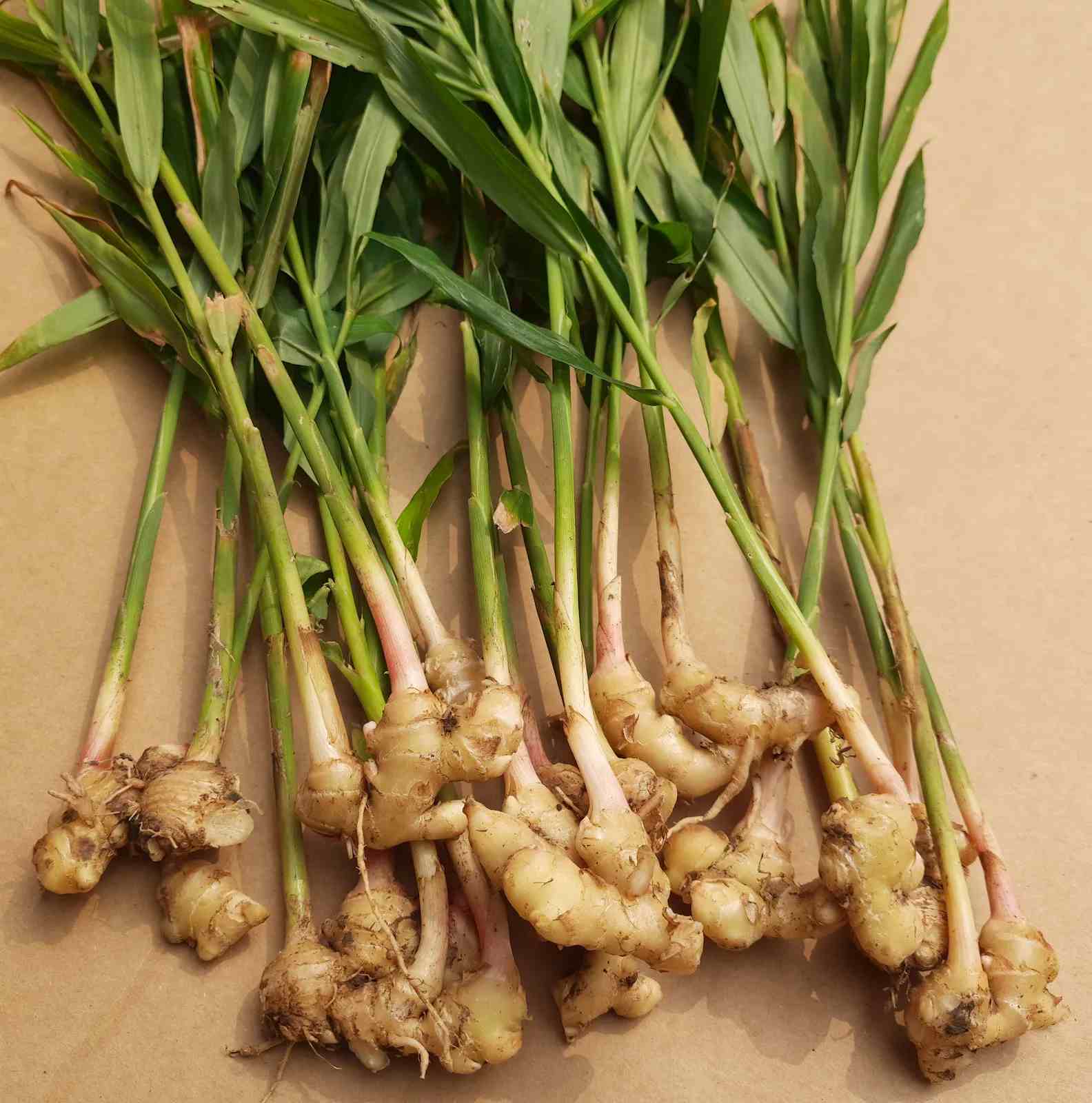
Ginger (Zingiber officinale) is a flowering plant whose rhizome — the underground stem commonly called ginger root — has been used as both a spice and medicine for over 5,000 years. Native to Southeast Asia, it was among the first spices to reach Europe via the spice trade, and has remained one of the most widely used medicinal plants in the world across Ayurvedic, Traditional Chinese, and Middle Eastern medicine traditions.
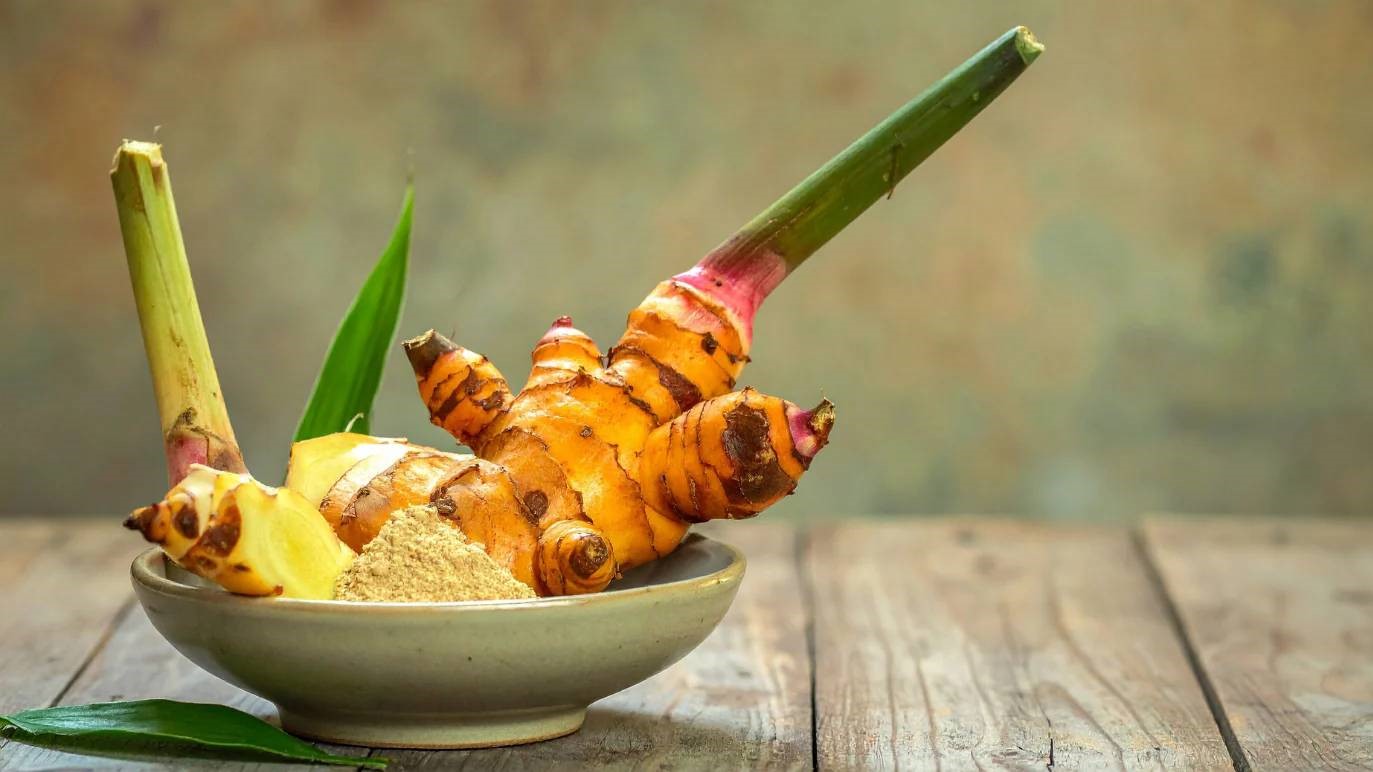
The primary bioactive compounds in ginger are gingerols (dominant in fresh ginger) and shogaols (formed when ginger is dried or cooked — roughly twice as potent as gingerols). These compounds give ginger its characteristic pungent flavour and are responsible for the majority of its documented health effects.
Gingerols and shogaols inhibit the production of pro-inflammatory cytokines including TNF-alpha, IL-1beta, and IL-6 — the same inflammatory molecules targeted by many pharmaceutical anti-inflammatory drugs. Unlike NSAIDs, ginger works through multiple complementary pathways simultaneously, including COX-1, COX-2, and 5-LOX inhibition, without the gastrointestinal side effects associated with long-term NSAID use. Chronic low-grade inflammation is a primary driver of biological aging, cardiovascular disease, metabolic syndrome, and neurodegenerative disease — making ginger's anti-inflammatory profile directly relevant to healthy aging.
Ginger is one of the most extensively researched natural digestive aids. It accelerates gastric emptying — the rate at which food moves from the stomach to the small intestine — reducing bloating, nausea, and discomfort after meals. Multiple meta-analyses have confirmed ginger's effectiveness for nausea and vomiting across a range of causes including morning sickness, chemotherapy-induced nausea, and post-operative nausea. It also stimulates the production of digestive enzymes and bile, improving the breakdown and absorption of nutrients.
A 2015 randomised controlled trial published in the Journal of Ethnic Foods found that 2g of ginger powder daily for 12 weeks significantly reduced fasting blood glucose, HbA1c, insulin resistance (HOMA-IR), and triglycerides in patients with type 2 diabetes. The proposed mechanisms include AMPK activation, improved insulin receptor signalling, and inhibition of carbohydrate-digesting enzymes in the gut. These metabolic effects are directly relevant to anti-aging, as hyperglycaemia and insulin resistance accelerate glycation — a process that damages proteins throughout the body and is a key mechanism of cellular aging.
A double-blind study published in Arthritis & Rheumatism found that a highly purified ginger extract reduced knee pain on standing in osteoarthritis patients significantly more than placebo, with effects comparable to ibuprofen but with a better safety profile. Ginger's dual COX and LOX inhibition gives it advantages over NSAIDs which typically target only the COX pathway.
Research shows ginger supplementation significantly reduces LDL cholesterol, total cholesterol, and triglycerides while improving HDL levels. It also reduces platelet aggregation — thinning the blood and reducing clot formation risk — and has been shown to lower blood pressure through calcium channel blocking activity. A 2019 meta-analysis of 14 randomised controlled trials confirmed clinically meaningful reductions in cardiovascular risk markers with regular ginger supplementation.
Laboratory research has identified that 6-shogaol — the most potent shogaol compound in dried ginger — has remarkable selective cytotoxic activity against cancer stem cells across multiple cancer types. Cancer stem cells are particularly resistant to conventional chemotherapy and are responsible for tumour recurrence. While human clinical trials are still needed, the mechanistic evidence is compelling and ginger is increasingly studied as a chemopreventive agent.
Ginger and turmeric are both members of the Zingiberaceae family and share complementary but distinct anti-inflammatory mechanisms. Curcumin (turmeric) primarily inhibits NF-kB; ginger compounds primarily inhibit COX and LOX enzymes. Used together, they provide broader anti-inflammatory coverage than either alone, and piperine (black pepper) enhances the bioavailability of both. This combination has been used in Ayurvedic medicine for millennia and is now one of the most evidence-supported natural anti-inflammatory stacks available.
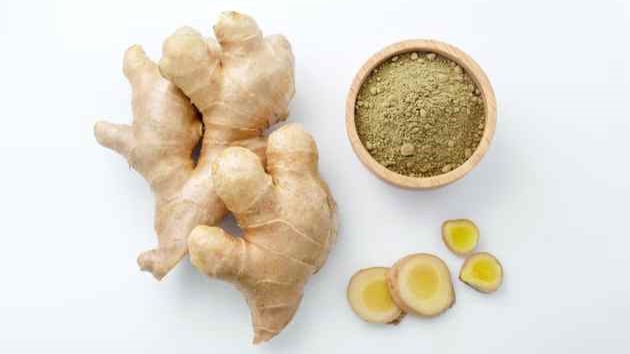
For culinary use, fresh ginger root provides the highest gingerol content. For supplementation, dried and powdered ginger or standardised extracts (5% gingerols) provide higher shogaol concentrations. Research doses typically range from 1-3g of dried ginger powder daily. Taking ginger with food reduces the mild gastric irritation some people experience at higher doses.
In-depth science-based articles about this product
As a dedicated gut health supplement, ginger's dual COX/LOX inhibition reduces intestinal inflammati...
Ginger accelerates gastric emptying, reduces intestinal permeability, selectively supports beneficia...
Ginger contains gingerols and shogaols with dual COX/LOX anti-inflammatory activity, direct antivira...
As an immune supplement, ginger delivers dual COX/LOX anti-inflammatory activity, direct antiviral p...
Ginger has been used medicinally for over 2,000 years. Modern research has identified the specific c...
Most ginger supplements list a generic extract with no information about active compounds. Understan...
Ginger is one of the most clinically studied natural remedies for nausea — across pregnancy mornin...

Clinical trials show ginger root extract reduces joint pain and inflammatory markers in osteoarthrit...
Learn more about how Ginger Root supports these health areas