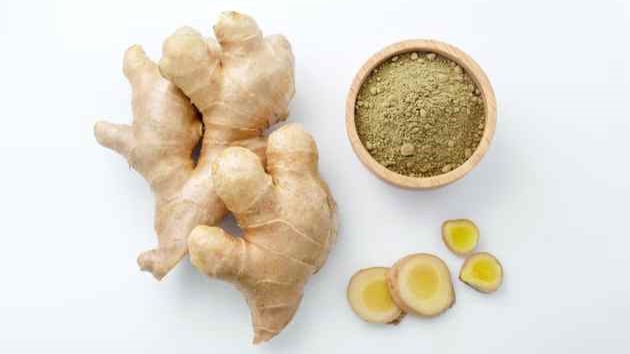
Ginger Root as an Immune Supplement: Anti-Inflammatory, Antiviral and Gut Immune Evidence
Ginger deserves consideration as a dedicated immune supplement beyond its use as a culinary spice. Its bioactive compounds — gingerols (dominant in fresh ginger) and shogaols (dominant in dried and extracts) — interact with multiple immune pathways simultaneously, and the mechanistic evidence is supported by a growing body of human clinical data. As an immune supplement specifically, ginger's most important properties are its simultaneous COX and LOX inhibition (broader than any NSAID), its direct antiviral activity against respiratory viruses, and its substantial effects on gut immune function.
Mechanism 1: Dual COX/LOX Anti-Inflammatory Activity
The inflammatory response to infection involves two enzyme cascades: the COX pathway producing prostaglandins, and the LOX pathway producing leukotrienes. Standard pharmaceutical anti-inflammatories (ibuprofen, naproxen) inhibit only COX — leaving leukotriene production intact. Ginger's gingerols and shogaols inhibit both COX-2 and 5-LOX simultaneously — a genuinely broader anti-inflammatory spectrum that reduces both prostaglandin E2 and leukotriene B4. For immune regulation during infection, this dual inhibition reduces symptom-driving inflammation without the platelet effects or gastric side effects of NSAIDs.
Mechanism 2: NF-kB Suppression
6-shogaol directly inhibits IKK-beta — the kinase that activates NF-kB — reducing downstream production of IL-1beta, IL-6, TNF-alpha, and COX-2. This addresses the chronic inflammatory background (inflammaging) that suppresses adaptive immune responsiveness in older adults, freeing immune resources for acute pathogen responses.
Research: Direct Antiviral Activity Against Respiratory Viruses
Fresh ginger has demonstrated meaningful antiviral activity in cell culture studies against the viruses most relevant to respiratory infection:
- Influenza A: 6-gingerol inhibits hemagglutinin-mediated host cell entry and suppresses viral RNA polymerase activity — reducing both initial infection establishment and subsequent viral replication
- RSV (Respiratory Syncytial Virus): A well-designed cell study (Chang et al., 2013) found fresh ginger extract significantly reduced RSV plaque formation in human airway epithelial cells, with the antiviral effect greater in fresh vs dried ginger — confirming gingerols as the primary antiviral compound
- Rhinovirus: Ginger compounds inhibit rhinovirus protease 3C — the enzyme responsible for processing viral polyprotein into functional replication machinery
Research: Immune Cell Activation
A meta-analysis of 109 ginger RCTs (Anh et al., 2020) found significant anti-inflammatory effects across studies, with consistent reductions in CRP, IL-6, and TNF-alpha. A human study found ginger supplementation significantly increased NK cell activity compared to baseline — providing direct evidence of innate immune cell activation alongside the anti-inflammatory data. Ginger also stimulates macrophage nitric oxide production — the antimicrobial molecule macrophages use to kill engulfed pathogens — enhancing the bactericidal capacity of the innate immune response.
Research: Gut Immune Axis Support
As a supplement for immune function, ginger's gut effects are particularly valuable. It accelerates gastric emptying (reducing pathogen exposure time in the stomach), reduces intestinal permeability (tightening the gut barrier against microbial translocation into systemic circulation), selectively supports Lactobacillus and Bifidobacterium populations, and directly suppresses intestinal NF-kB inflammation. Given that 70-80% of all immune cells reside in the gut-associated lymphoid tissue, these gut effects represent substantial immune system support that extends well beyond ginger's direct anti-inflammatory activity.
Research: Fever Modulation Without Immune Suppression
Ginger's COX-2 inhibitory activity reduces hypothalamic prostaglandin E2 — the primary fever mediator — producing modest antipyretic effects without the immune suppression associated with pharmaceutical antipyretics. This is clinically relevant: fever is an active immune mechanism that impairs viral replication and accelerates immune cell activity, and suppressing it pharmacologically prolongs infection duration in some studies. Ginger modulates fever intensity without eliminating it — a more immune-compatible approach to fever management.
Dosage as an Immune Supplement
- Daily preventive: 1-2g dried ginger powder or 400-600mg standardised extract (5% gingerols)
- Acute immune support: 2-3g dried ginger 3x daily, or fresh ginger tea (4-5 slices, 10 minute steep) 3x daily at first sign of infection
- Combination: Pairs well with turmeric (complementary NF-kB inhibition pathways), vitamin D3 (synergistic immune regulation), and elderberry (distinct antiviral mechanisms)
References & Further Reading
- Chang JS, et al. (2013). Fresh ginger has anti-viral activity against human respiratory syncytial virus. Journal of Ethnopharmacology, 145(1), 146–151.
- Anh NH, et al. (2020). Ginger on Human Health: A Comprehensive Systematic Review of 109 Randomized Controlled Trials. Nutrients, 12(1), 157.
- Mashhadi NS, et al. (2013). Anti-oxidative and anti-inflammatory effects of ginger. International Journal of Preventive Medicine, 4(Suppl 1), S36–S42.
- Nile SH & Park SW. (2015). Edible berries: Bioactive components and their effect on human health. Nutrition, 31(1), 134–144.