The supplement industry is flooded with anti-aging claims, but only a handful of compounds have genuine, peer-reviewed research behind them. This section focuses exclusively on supplements with credible evidence for influencing the biological mechanisms of aging — not marketing hype.
Understanding Anti-Aging at the Cellular Level
Aging is not a single process — it is the accumulated result of multiple cellular and molecular changes: DNA damage, mitochondrial dysfunction, telomere shortening, chronic inflammation, and the buildup of senescent (zombie) cells. The most promising anti-aging supplements target one or more of these mechanisms directly.
The Most Researched Anti-Aging Supplements
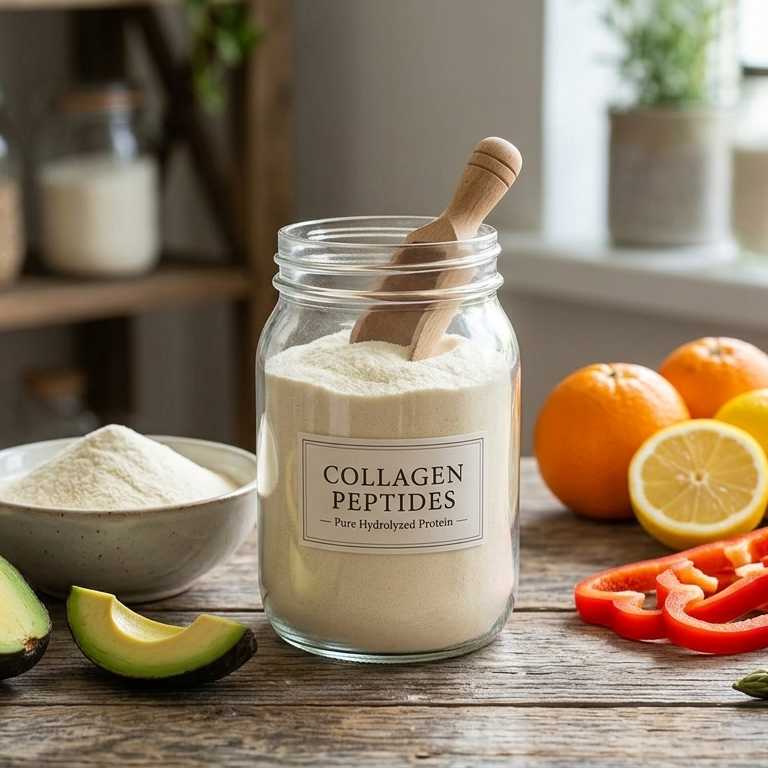
- Collagen Peptides: Collagen production declines by approximately 1% per year after age 25. Supplementing with hydrolysed collagen peptides has been shown to improve skin elasticity, reduce wrinkles, and support joint health.
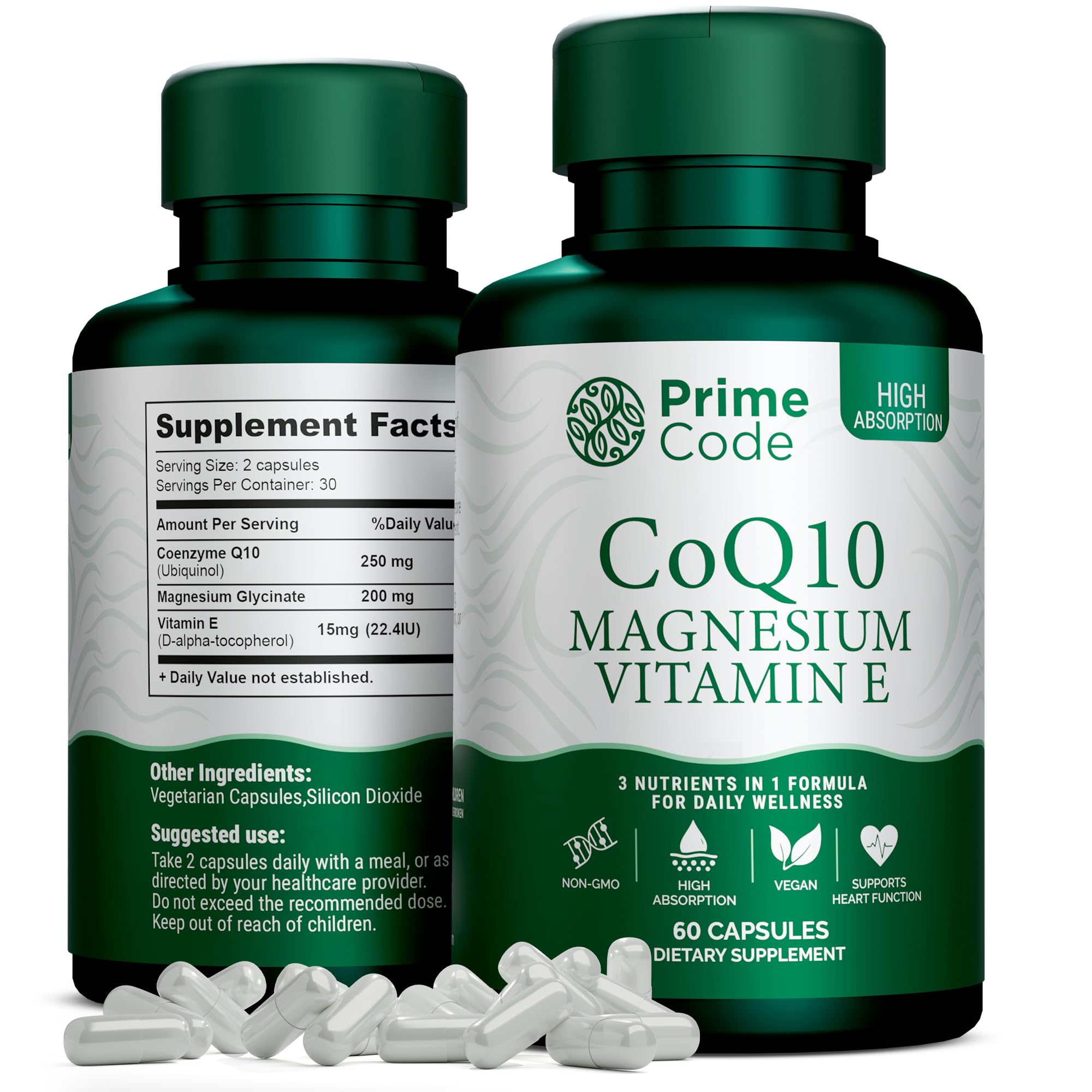
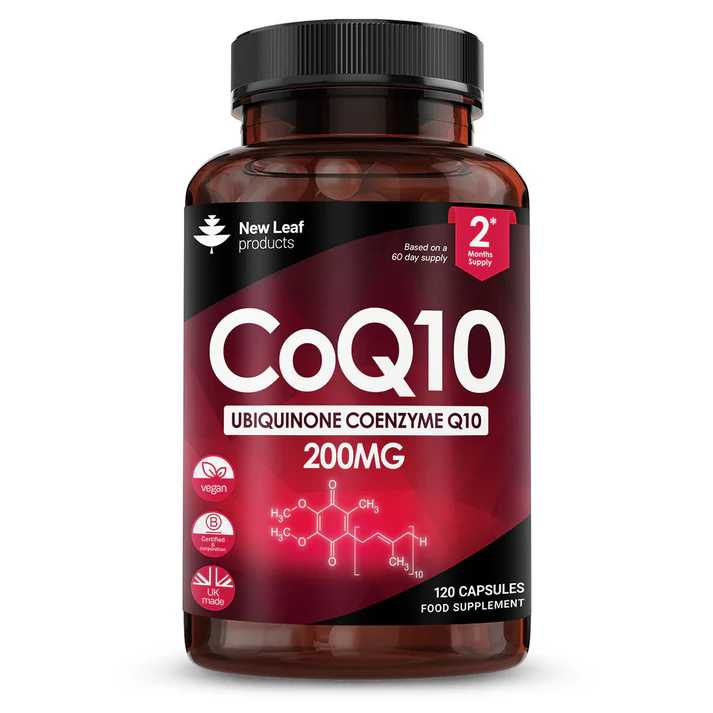
- CoQ10 (Coenzyme Q10): A critical component of mitochondrial energy production. Levels decline with age and are depleted further by statin medications. CoQ10 supplementation supports cellular energy and cardiovascular health.
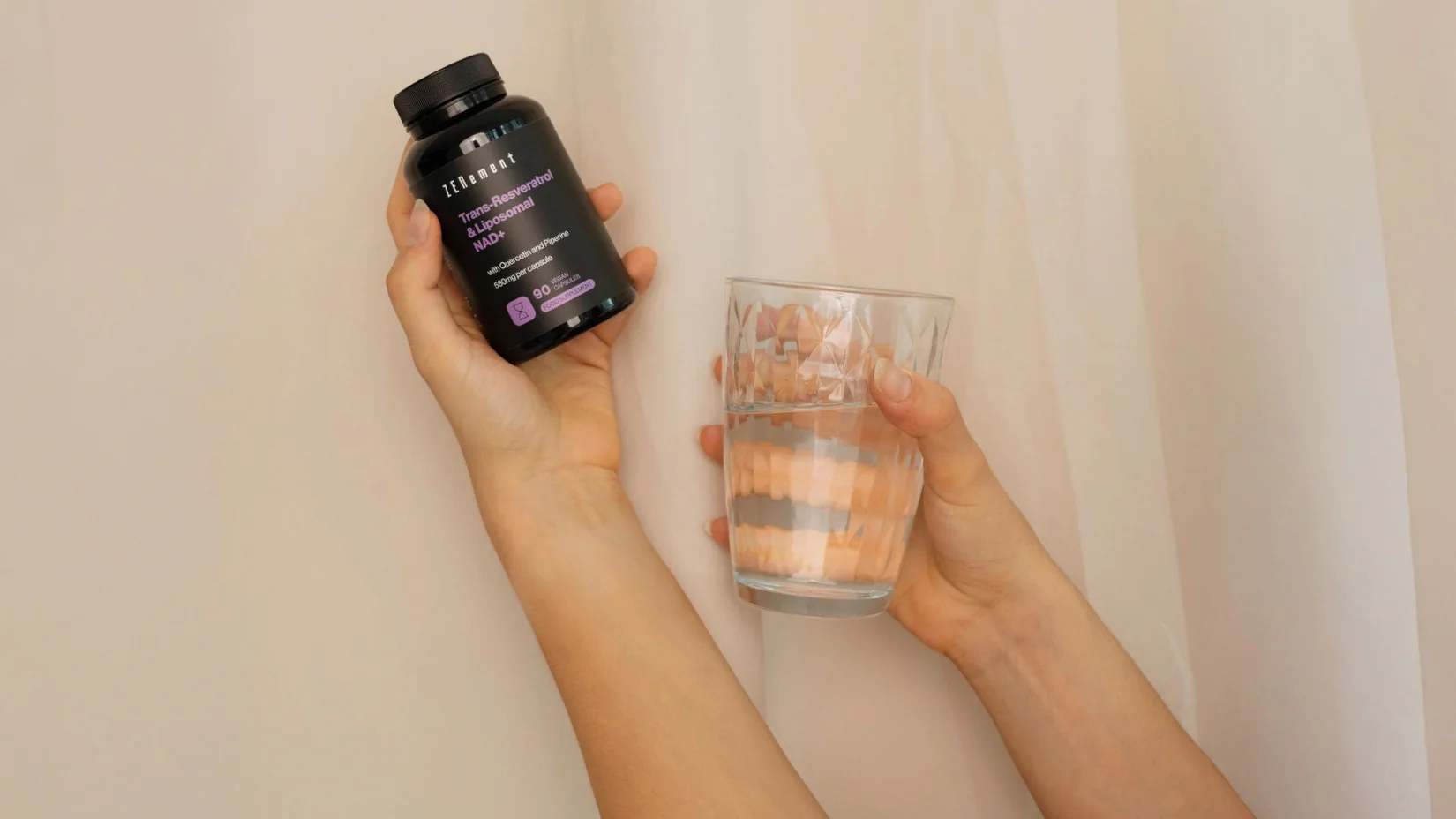
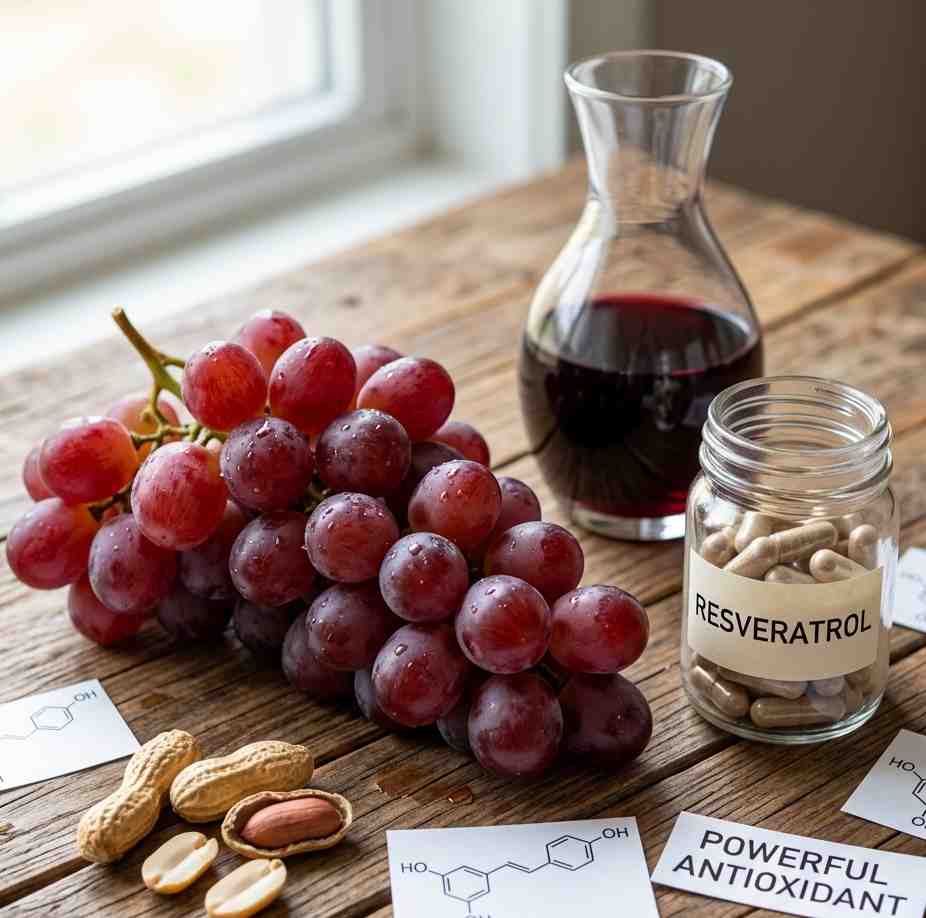
- Resveratrol: A polyphenol found in red grapes and berries that activates SIRT1 — a longevity gene. Research suggests it mimics some effects of caloric restriction at the cellular level.
- NMN / NR (NAD+ Precursors): NAD+ is essential for DNA repair and mitochondrial function, and declines sharply with age. NMN and NR are precursors that boost NAD+ levels, with promising research from human trials.
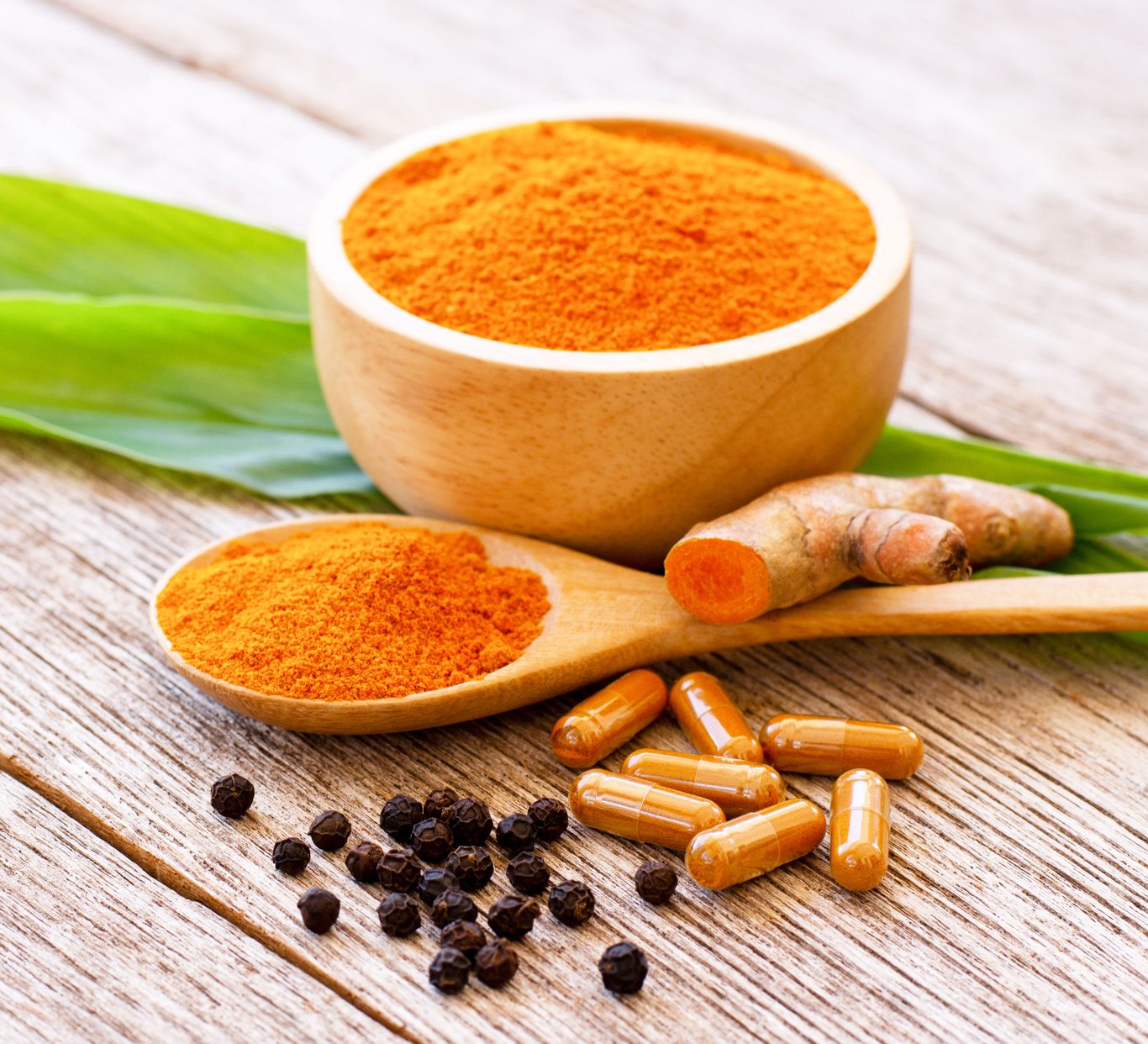
- Curcumin (Turmeric): One of the most extensively studied natural anti-inflammatories. Chronic low-grade inflammation — often called "inflammaging" — is a primary driver of age-related decline, and curcumin directly targets multiple inflammatory pathways.
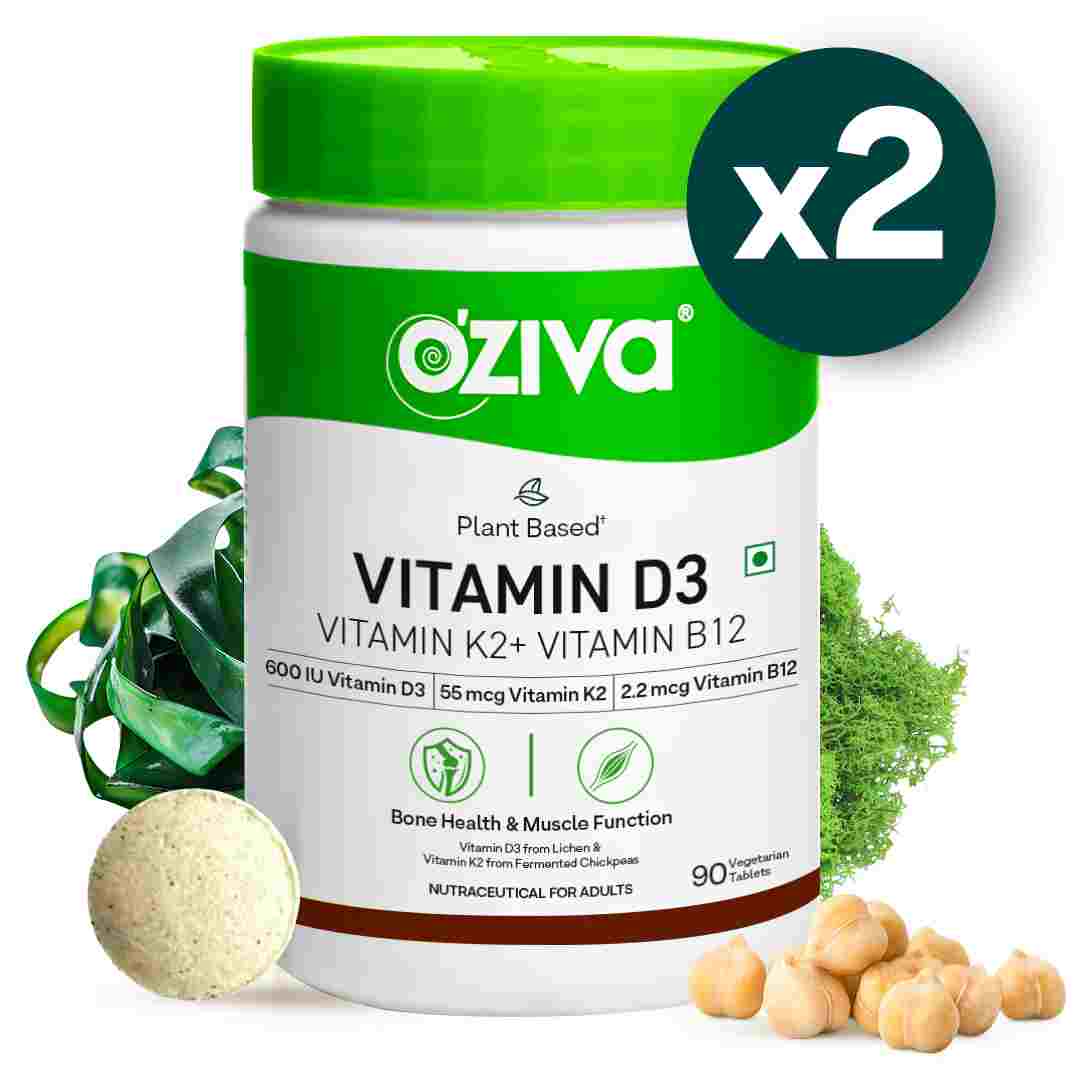
- Vitamin D3: Deficiency is widespread and linked to accelerated biological aging, immune dysfunction, and increased all-cause mortality. Optimal vitamin D levels are consistently associated with better longevity outcomes.
Important Considerations
Supplements work best as part of a comprehensive approach that includes quality nutrition, regular exercise, adequate sleep, and stress management. No supplement can compensate for a poor lifestyle. Additionally, bioavailability matters enormously — many supplements require specific forms or co-factors to be properly absorbed. Our articles cover the specific forms and dosages that research supports.
Explore the articles below for detailed, evidence-based guides on the most promising anti-aging supplements available today.