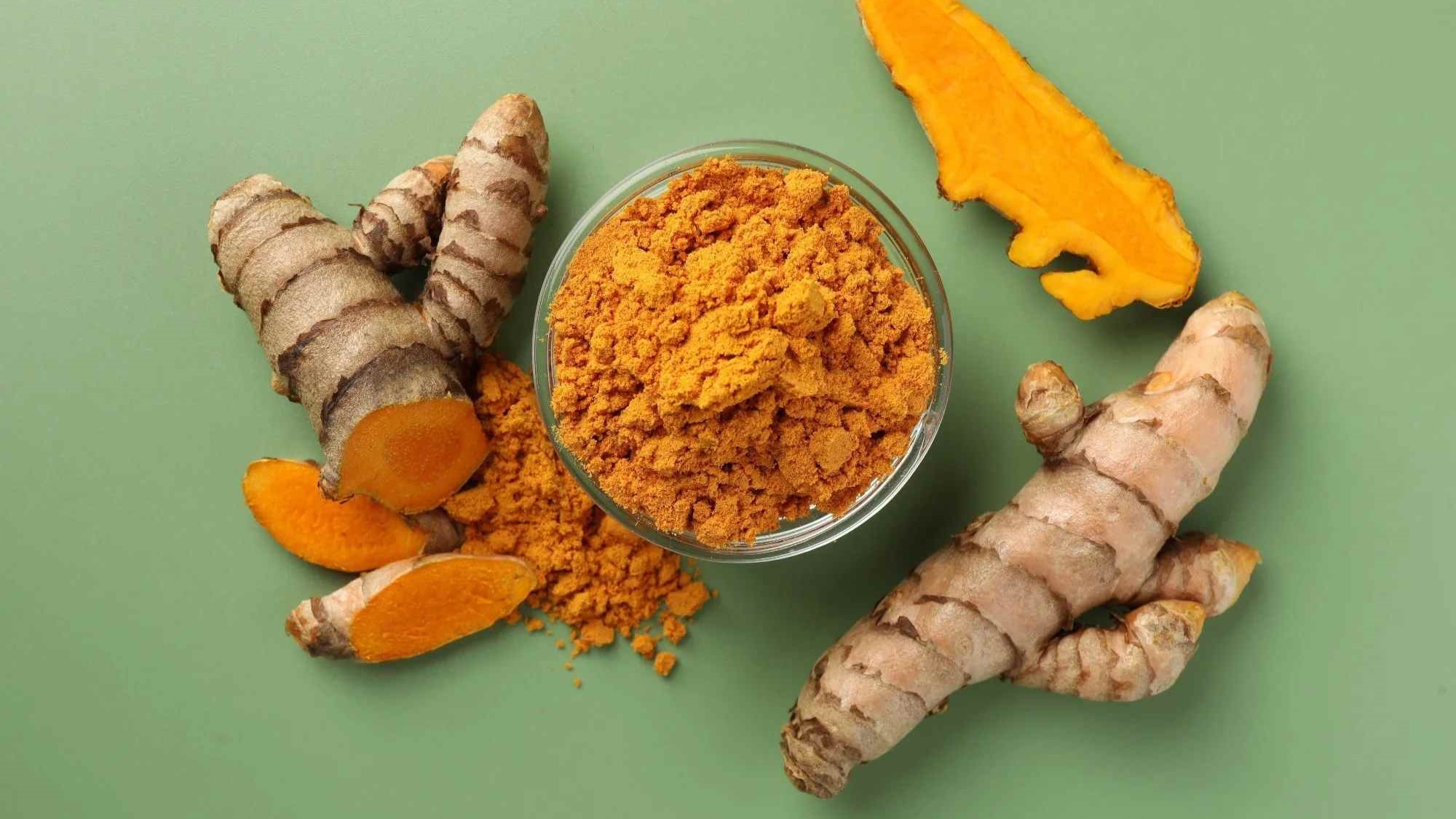
Turmeric and Curcumin for Anti-Aging: What 3,000 Studies Actually Show
Curcumin — the primary polyphenol in turmeric root — has attracted more scientific attention than almost any other natural compound. Over 3,000 peer-reviewed papers have examined its biological activity. The enthusiasm is justified by genuine pharmacological breadth: curcumin has been shown to modulate over 160 molecular targets, with many of the most significant being directly relevant to the biological mechanisms of aging. This article reviews the strongest anti-aging evidence, the critical bioavailability problem, and the practical implications for supplementation.
Why Curcumin Is Relevant to Aging: The Target Profile
Curcumin's anti-aging relevance stems from its ability to simultaneously address several of the hallmark mechanisms of biological aging:
- NF-kB inhibition — addressing inflammaging at the master regulatory level
- Nrf2 activation — upregulating endogenous antioxidant defences
- mTOR inhibition — promoting autophagy and mimicking caloric restriction signalling
- AMPK activation — supporting mitochondrial biogenesis and metabolic health
- SIRT1 activation — activating longevity-associated sirtuin pathways
- Senolytic activity — selectively clearing senescent cells
- BDNF upregulation — supporting neuroplasticity and brain aging
No other commonly used natural supplement addresses this many aging pathways simultaneously. The breadth is why curcumin appears in anti-aging research across such diverse domains — from skin to brain to cardiovascular to oncology.
Research: Inflammaging and NF-kB
Inflammaging — the chronic, low-grade inflammatory state that develops with age — is driven primarily by constitutive NF-kB activation. NF-kB is a transcription factor that, when chronically active, drives sustained production of IL-1beta, IL-6, TNF-alpha, and COX-2. These cytokines damage tissues, accelerate telomere erosion, promote senescent cell accumulation, and are directly associated with cardiovascular disease, neurodegeneration, and cancer risk.
Curcumin inhibits NF-kB through multiple upstream mechanisms — directly blocking IKK-beta activity, preventing IkappaB degradation, and reducing nuclear translocation of the NF-kB p65 subunit. This is not a mild modulatory effect: curcumin at achievable tissue concentrations produces near-complete NF-kB inhibition in multiple cell types.
A meta-analysis of 15 RCTs found that curcumin supplementation significantly reduced CRP (mean reduction 6.44 mg/L), IL-6, and TNF-alpha in human subjects — translating the cell study mechanistic data into clinically measurable anti-inflammatory effects. Effect sizes were most pronounced in populations with elevated baseline inflammation — precisely the population most affected by inflammaging.
Research: Senolytic Activity
Curcumin has demonstrated selective cytotoxicity toward senescent cells in multiple cell culture models. The mechanism involves suppression of Bcl-2 and Bcl-xL — the anti-apoptotic proteins that senescent cells upregulate to evade programmed death — combined with reduction of SASP (Senescence-Associated Secretory Phenotype) cytokine secretion that senescent cells use to propagate inflammation.
Importantly, curcumin also reduces the accumulation of new senescent cells by protecting against DNA damage (through Nrf2-mediated antioxidant upregulation) and by inhibiting the NF-kB signalling that triggers the SASP phenotype. This dual action — reducing both senescent cell formation and promoting their clearance — makes it one of the most pharmacologically complete natural senolytics identified.
Research: Brain Aging, BDNF and Alzheimer Prevention
BDNF (Brain-Derived Neurotrophic Factor) is the primary growth factor for neuronal survival, synaptic plasticity, and hippocampal neurogenesis. BDNF levels decline with age and are significantly reduced in Alzheimer's disease and depression. Curcumin has been shown to upregulate BDNF expression through multiple pathways including CREB activation and histone acetylation changes at the BDNF gene promoter.
A double-blind RCT (Small et al., 2018, American Journal of Geriatric Psychiatry) in 40 non-demented adults found that 18 months of bioavailable curcumin (Theracurmin, 90mg twice daily) significantly improved memory and attention compared to placebo. PET imaging showed reduced amyloid and tau accumulation in the amygdala and hypothalamus — the first human imaging evidence that dietary curcumin reduces Alzheimer-associated protein accumulation in the brain.
Curcumin also directly inhibits beta-amyloid fibril formation and destabilises existing amyloid aggregates in vitro — a mechanism that has attracted significant pharmaceutical interest for Alzheimer drug development, though human trial results with low-bioavailability curcumin have been mixed precisely because of the bioavailability problem.
Research: Mitochondrial Function
Mitochondrial dysfunction — declining energy production, increased ROS generation, and impaired mitophagy — is a primary hallmark of cellular aging. Curcumin supports mitochondrial health through several mechanisms:
- AMPK activation stimulates mitochondrial biogenesis via PGC-1alpha — increasing the number of functional mitochondria per cell
- Nrf2 activation upregulates antioxidant enzymes that protect mitochondrial membranes from oxidative damage
- mTOR inhibition promotes mitophagy — the selective autophagy of damaged mitochondria that would otherwise generate excess ROS
- Direct protection of mitochondrial membrane integrity from lipid peroxidation
Research: Cardiovascular Aging
Curcumin improves multiple markers of cardiovascular aging. A meta-analysis of 7 RCTs found significant improvements in endothelial function — measured as flow-mediated dilation — comparable to moderate aerobic exercise. It reduces LDL oxidation, lowers triglycerides, and reduces arterial stiffness. A 12-week RCT in postmenopausal women found curcumin supplementation produced improvements in endothelial function equivalent to aerobic exercise training — a striking finding given that endothelial dysfunction is a primary driver of cardiovascular aging and a strong predictor of all-cause mortality.
The Bioavailability Problem: Why Standard Curcumin Often Fails
Curcumin's primary limitation is poor bioavailability. Standard curcumin powder is poorly soluble in water, rapidly metabolised and conjugated in the intestinal wall and liver, and quickly excreted. Peak plasma concentrations after a standard 1g dose of plain curcumin are often below 10 ng/mL — insufficient for the concentrations shown to be effective in cell studies.
Enhanced formulations that meaningfully improve bioavailability:
- Piperine (BioPerine): 20mg piperine inhibits intestinal glucuronidation and increases curcumin bioavailability by approximately 2,000%. This is the most widely used and studied enhancement. Most quality curcumin supplements include piperine.
- Theracurmin (colloidal dispersion): Used in the Small et al. brain study — approximately 27x more bioavailable than standard curcumin. Expensive but with the strongest human clinical evidence in neurological applications.
- Meriva (phytosome): Curcumin bound to phosphatidylcholine — approximately 29x more bioavailable than standard curcumin, with a strong evidence base in joint health RCTs.
- Longvida (solid lipid particle): Designed to cross the blood-brain barrier — particularly relevant for neurological anti-aging applications.
Plain turmeric powder contains only 2–5% curcumin by weight, so culinary turmeric provides negligible supplemental doses. For anti-aging purposes, a standardised extract (minimum 95% curcuminoids) with a bioavailability enhancer is necessary.
Dosage
With piperine-enhanced standardised extract: 500–1,000mg curcuminoids daily. With Theracurmin: 90–180mg daily. With Meriva phytosome: 500–1,000mg daily. Take with a fatty meal — curcumin is lipophilic and absorption increases substantially in the presence of dietary fat.
Safety and Interactions
Curcumin is well tolerated up to 8g daily in safety studies. Relevant considerations:
- Anticoagulants: Curcumin has antiplatelet activity — those on warfarin or aspirin should monitor and discuss with a prescriber
- Iron absorption: Curcumin chelates iron — take separately from iron supplements
- Gallbladder: Curcumin stimulates bile production — those with gallstones should consult a doctor before use
- Piperine interactions: Piperine inhibits CYP3A4 and P-glycoprotein — it increases absorption of many drugs. Those on multiple medications should discuss before using piperine-containing supplements
References & Further Reading
- Small GW, et al. (2018). Memory and Brain Amyloid and Tau Effects of a Bioavailable Form of Curcumin in Non-Demented Adults. American Journal of Geriatric Psychiatry, 26(3), 266–277.
- Sahebkar A, et al. (2016). Effect of curcuminoids on oxidative stress: A systematic review and meta-analysis. Journal of Functional Foods, 18, 898–909.
- Qin S, et al. (2017). Efficacy and safety of turmeric and curcumin in lowering blood lipid levels. Nutrition Journal, 16(1), 68.
- Sugawara J, et al. (2012). Effect of endurance exercise training and curcumin intake on central arterial hemodynamics in postmenopausal women. American Journal of Hypertension, 25(6), 651–656.
- Panahi Y, et al. (2016). Curcuminoids modify lipid profile in type 2 diabetes mellitus: A randomized controlled trial. Complementary Therapies in Medicine, 25, 40–45.
- Shehzad A, et al. (2013). Curcumin therapeutic promises and bioavailability in colorectal cancer. Drugs Today, 49(7), 461–469.
- Shoba G, et al. (1998). Influence of piperine on the pharmacokinetics of curcumin. Planta Medica, 64(4), 353–356.