Superfood
Moringa
Nutrient-dense superfood leaf packed with vitamins, minerals and antioxidants.
🛒 View Buy Options
Nutrient-dense superfood leaf packed with vitamins, minerals and antioxidants.
🛒 View Buy OptionsCurated listings and partner services — we may earn a commission if you purchase or sign up through our links, at no extra cost to you.
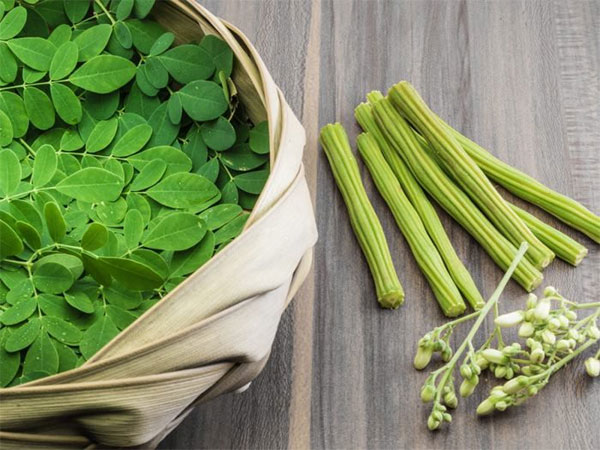
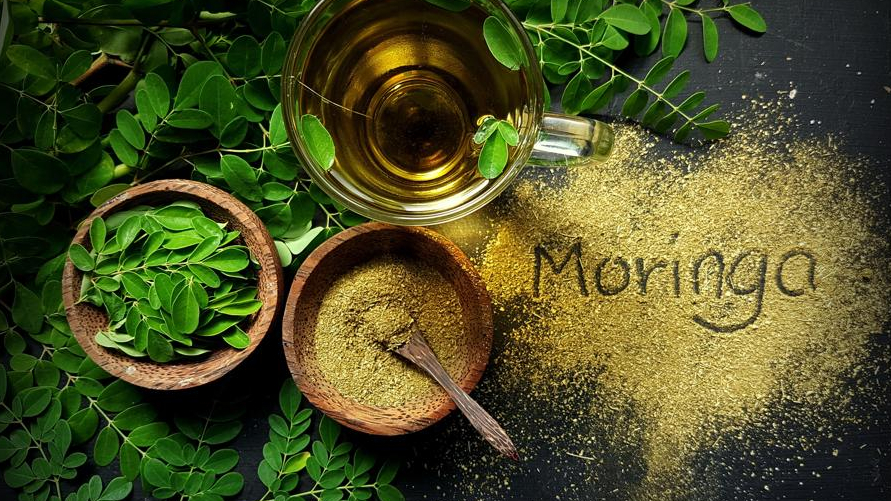
Moringa oleifera — known as the drumstick tree, horseradish tree, or the "miracle tree" — is a fast-growing deciduous tree native to the sub-Himalayan regions of South Asia. Every part of the tree is edible and medicinally valuable, but it is the leaves that have attracted the most scientific attention due to their extraordinary nutritional density.
Moringa has been used in Ayurvedic medicine for over 4,000 years and is credited with treating over 300 conditions in traditional medicine systems. Modern science is now validating many of these applications through peer-reviewed research.
Gram for gram, dried moringa leaf powder is one of the most nutrient-dense foods ever identified:
Beyond vitamins and minerals, moringa contains over 46 types of antioxidants, 36 anti-inflammatory compounds, and all 9 essential amino acids — making it a genuinely complete superfood.
Moringa is one of the richest dietary sources of quercetin — a flavonoid with documented senolytic properties. Senescent cells (cells that have stopped dividing but refuse to die) accumulate with age and secrete inflammatory compounds that damage surrounding tissue. Quercetin has been shown in clinical research to selectively eliminate these cells, reducing the inflammatory burden of aging.
Moringa contains isothiocyanates — the same class of compounds found in broccoli — that powerfully activate Nrf2, the master regulator of the body antioxidant and detoxification systems. Nrf2 activation upregulates glutathione production, superoxide dismutase, and dozens of cytoprotective enzymes.
Chlorogenic acid in moringa slows glucose absorption from the gut and improves insulin sensitivity. Clinical trials have shown moringa supplementation reduces fasting blood glucose by up to 13.5% in patients with elevated blood sugar — directly addressing one of the most important drivers of metabolic aging.
Moringa contains multiple compounds that suppress TNF-alpha, IL-1beta, and IL-6 — the primary pro-inflammatory cytokines associated with inflammaging (chronic inflammation driven aging). Research published in the journal Molecules found moringa targets inflammation through at least five complementary pathways.
Moringa leaf powder has a mild, slightly earthy flavour similar to matcha. It blends well in smoothies, juices, and soups. A typical research dose is 1.5-7g per day (roughly half a teaspoon to a full teaspoon). Capsules are a convenient alternative for those who dislike the taste. For best results, add moringa powder after cooking rather than during — heat degrades some heat-sensitive nutrients.
In-depth science-based articles about this product
"Detox" is one of the most overhyped words in wellness -- but moringa does have real, evidence-backe...
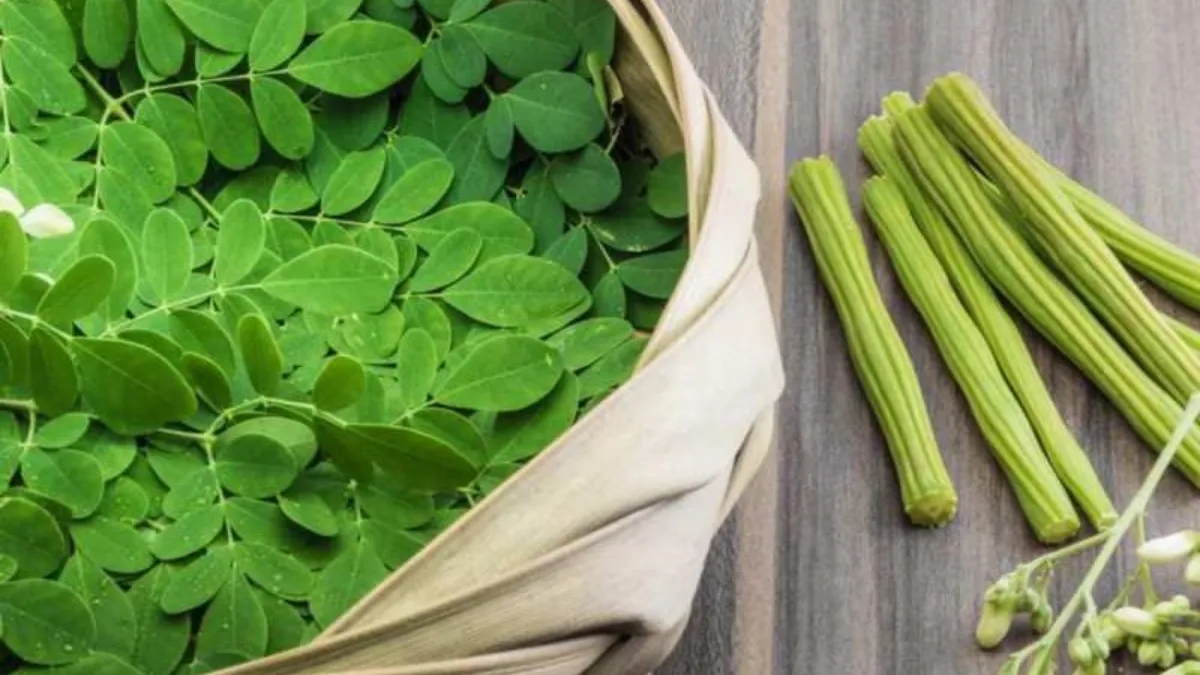
Moringa oleifera has prebiotic activity, selectively supporting beneficial gut bacteria, while its i...
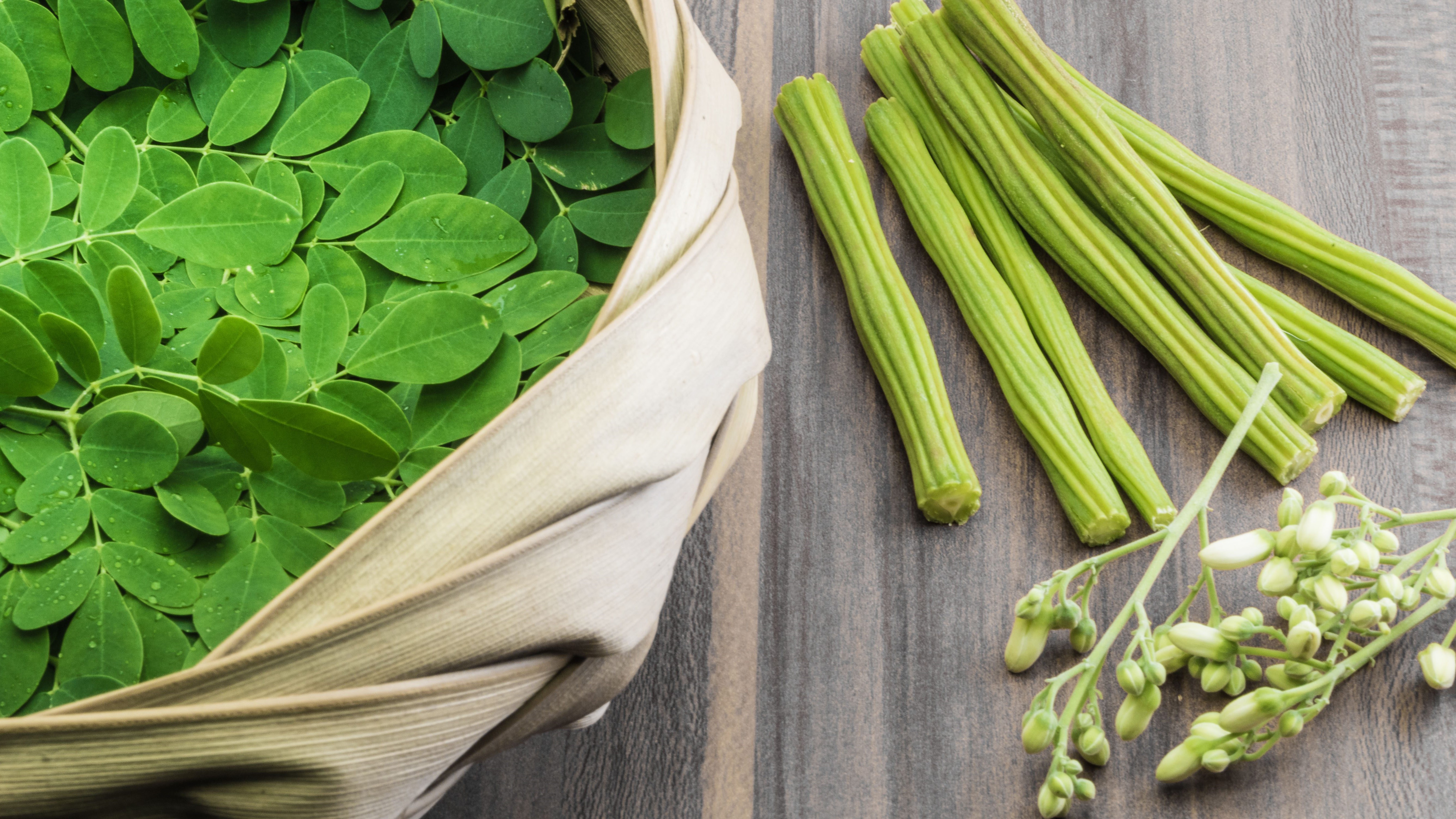
Moringa oleifera provides a unique combination of immune-relevant micronutrients and bioactive compo...
Moringa oleifera is one of the most micronutrient-dense plants ever studied. Here is a detailed look...
For thousands of years, communities across Asia have used every part of the Moringa tree as food and...
The science on Moringa has accelerated dramatically. New research in 2024-2025 is revealing how Mori...
Learn more about how Moringa supports these health areas