The food you eat is one of the most powerful tools you have against aging. Modern nutritional science has moved far beyond basic vitamins and minerals — researchers now understand that specific foods and dietary patterns can influence gene expression, cellular repair mechanisms, and the very length of your telomeres (the biological markers of cellular age).
Why Nutrition is Central to Longevity
Every cell in your body is built from what you eat. When you consistently consume anti-inflammatory, nutrient-dense foods, you give your body the raw materials it needs to repair DNA damage, neutralise free radicals, and maintain the hormonal balance that keeps you feeling young. Conversely, a diet high in processed foods, refined sugars, and industrial seed oils accelerates oxidative stress — one of the primary drivers of accelerated aging.
The Science of Dietary Aging
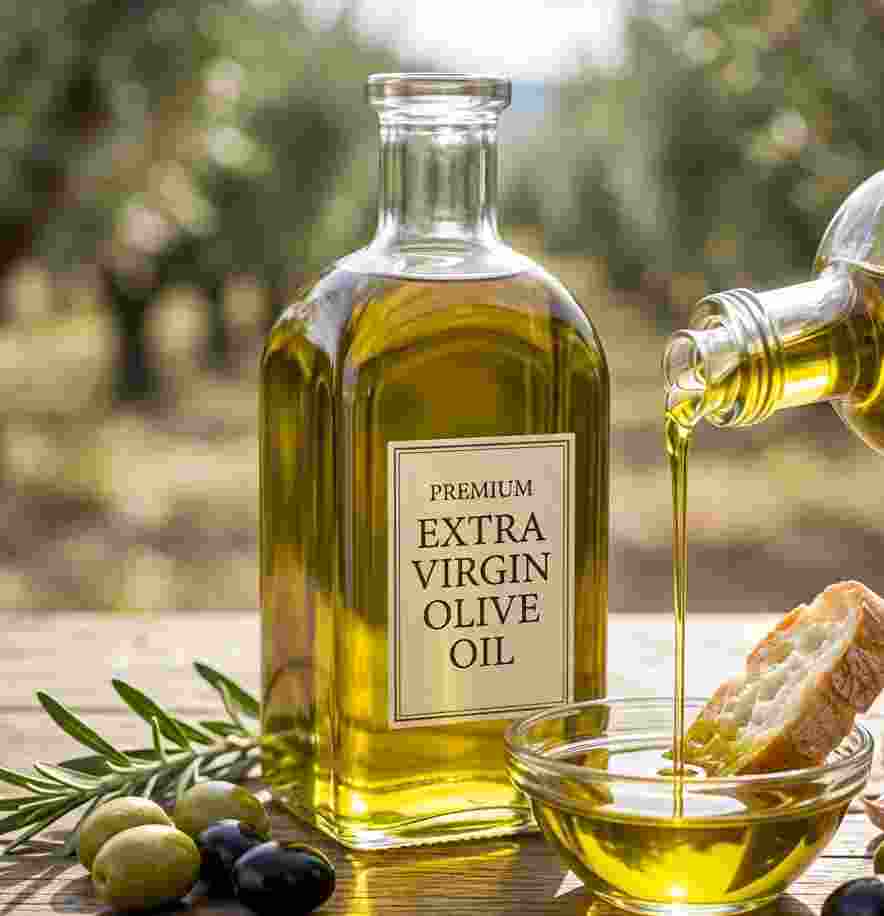
Caloric restriction and intermittent fasting have both been shown in numerous studies to activate longevity pathways including AMPK and sirtuins — proteins that regulate cellular health and stress resistance. The Mediterranean diet, rich in olive oil, fish, legumes, and fresh vegetables, consistently ranks as one of the most evidence-backed dietary patterns for longevity. Similarly, populations in Blue Zones — regions of the world with the highest concentrations of centenarians — share several dietary traits: predominantly plant-based diets, moderate protein intake, and minimal processed food consumption.
Key Nutritional Strategies for Anti-Aging
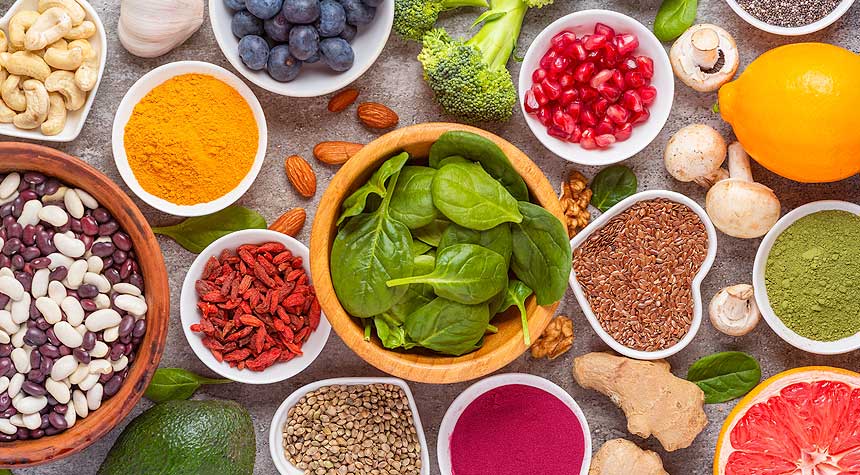
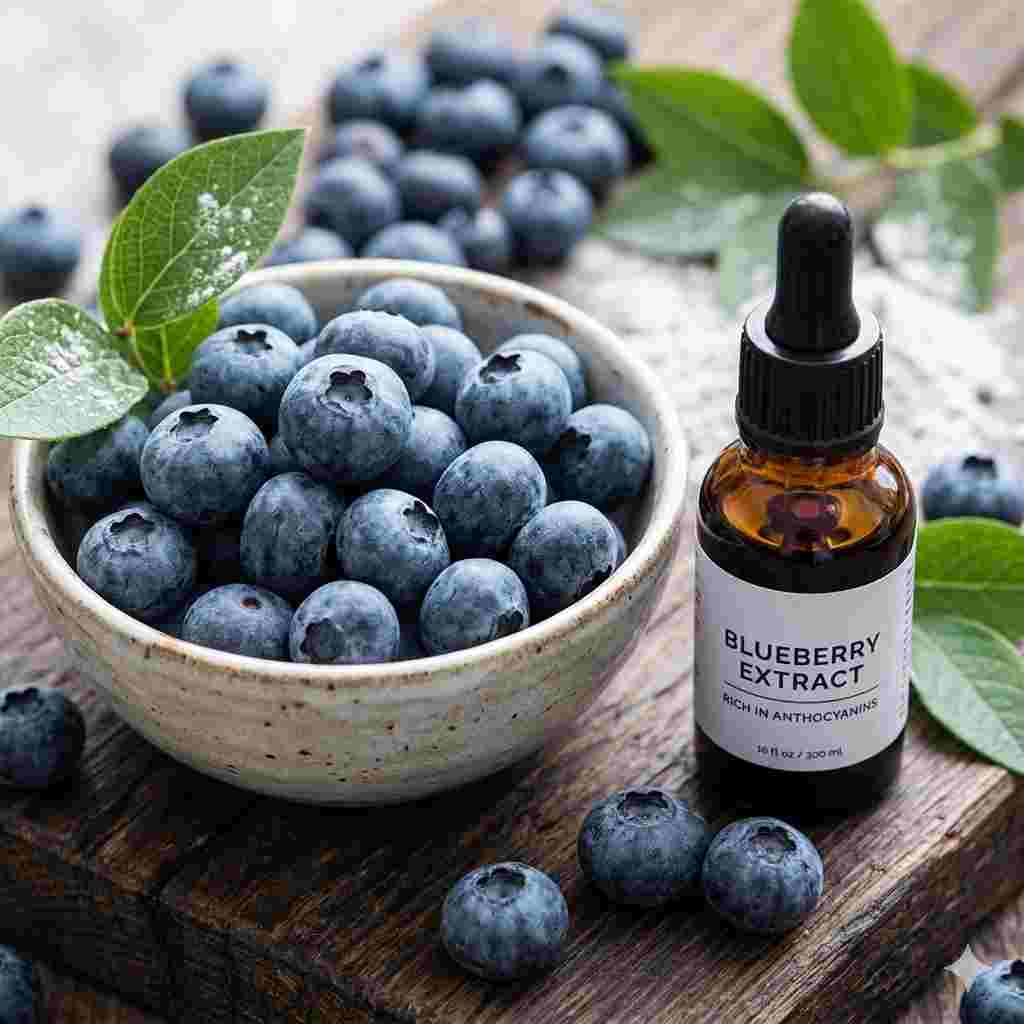
- Antioxidant-rich foods: Berries, leafy greens, and colourful vegetables neutralise free radicals that damage cells and accelerate aging.
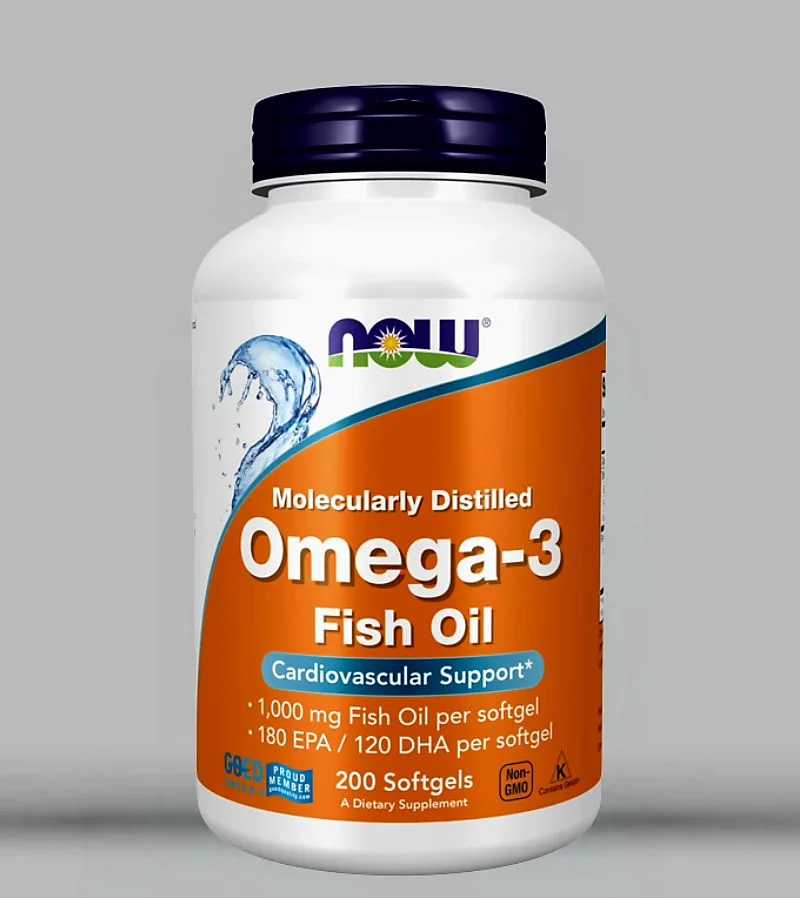
- Omega-3 fatty acids: Found in oily fish, walnuts, and flaxseed, omega-3s reduce systemic inflammation — a key driver of age-related disease.
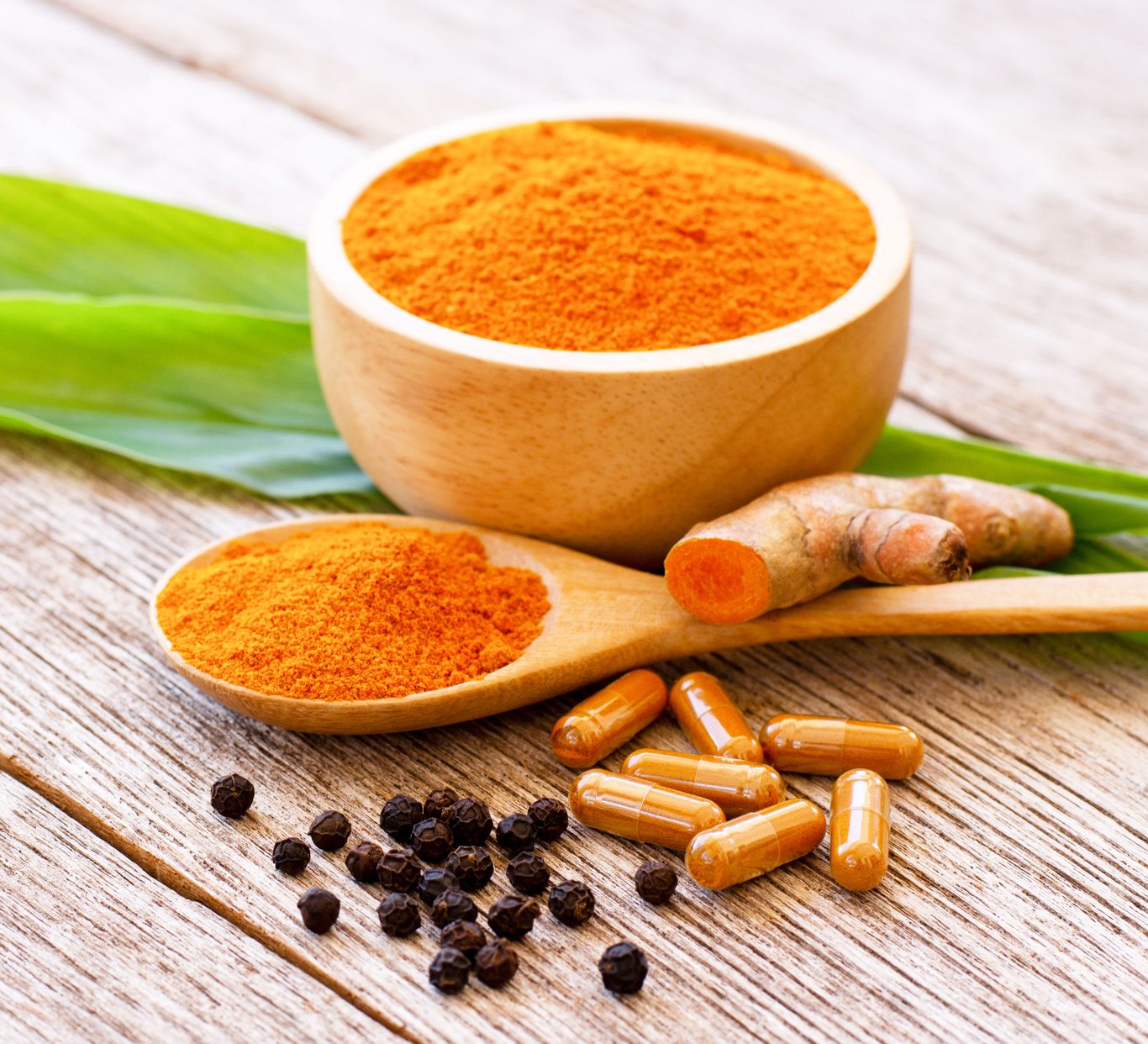
- Polyphenols: Compounds found in green tea, dark chocolate, turmeric, and red wine have been shown to activate longevity genes and reduce inflammation.
- Protein quality: Adequate protein intake — particularly from diverse sources — supports muscle maintenance and metabolic health as you age.
- Gut-supporting foods: Fermented foods, prebiotic fibre, and diverse plant foods support the gut microbiome, which plays a central role in immune function and inflammation.
Browse the articles below for in-depth guides on specific foods, dietary patterns, and nutritional strategies that the science supports for a longer, healthier life.