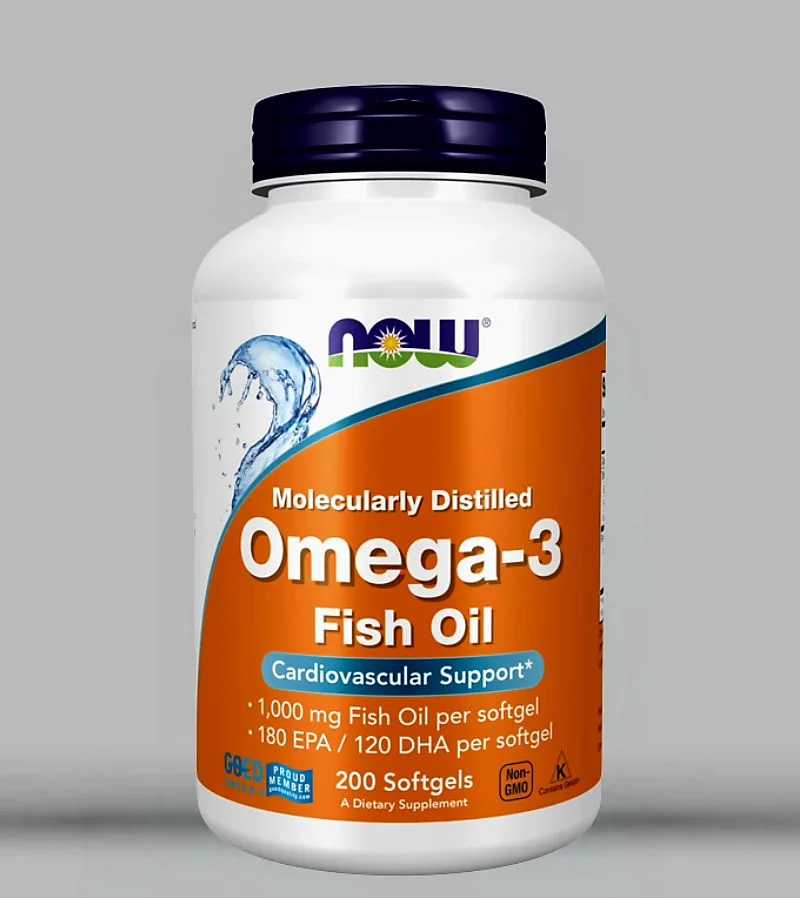
Fish Oil and Omega-3 for Longevity: The Complete Science-Backed Guide
The Omega-3 Deficit and Modern Aging
One of the most significant nutritional shifts in modern populations has been the dramatic decline in omega-3 intake alongside a sharp increase in omega-6 fatty acids from industrial seed oils. The ancestral human diet had an omega-6 to omega-3 ratio of approximately 4:1. The modern Western diet has a ratio of 15:1 to 20:1 — a change that fundamentally alters cellular membrane composition, inflammatory signalling, and metabolic function. This imbalance is a central driver of chronic inflammation that underlies heart disease, cognitive decline, and essentially every major age-related disease.
EPA and DHA: The Two Critical Omega-3s
Fish oil provides EPA (eicosapentaenoic acid) and DHA (docosahexaenoic acid) — long-chain omega-3 fatty acids the body cannot produce in meaningful quantities from plant-based ALA alone.
- EPA is primarily anti-inflammatory. It produces anti-inflammatory eicosanoids and is particularly relevant to cardiovascular health and mood.
- DHA is the primary structural fat of the brain and retina — accounting for approximately 40% of the polyunsaturated fat in brain grey matter. It is essential for neuronal membrane fluidity, synaptic function, and protection against neurodegeneration.
Fish Oil and Telomere Preservation
A landmark study published in JAMA in 2010 followed 608 patients with coronary artery disease for five years and measured both omega-3 blood levels and telomere length. Patients with the highest omega-3 levels showed the slowest rate of telomere shortening. Those in the lowest omega-3 quartile had telomere shortening rates approximately 2.5 times faster than those in the highest quartile — a direct link to biological aging rate.
Cardiovascular Longevity
The REDUCE-IT trial — involving over 8,000 people — found that high-dose EPA supplementation (4g daily) reduced major cardiovascular events by 25% in people with elevated triglycerides. Omega-3s reduce triglycerides, lower blood pressure, reduce arterial inflammation, and improve endothelial function — addressing multiple cardiovascular aging pathways simultaneously.
Brain Aging and Cognitive Protection
Higher blood DHA levels are consistently associated with larger brain volume, better cognitive function, and lower risk of dementia. A study in Neurology found that people with the lowest omega-3 levels had brains that tested approximately two years older than those with the highest levels. In people with mild cognitive impairment, DHA supplementation has shown the ability to slow cognitive decline in those carrying the APOE4 gene — the primary genetic risk factor for Alzheimer disease.
Choosing a Quality Fish Oil Supplement
- EPA + DHA content: Look for actual milligrams per serving. A typical therapeutic dose is 2-3g of combined EPA + DHA daily.
- Form: Triglyceride-form fish oil has up to 70% better absorption than ethyl ester form. Look for rTG on the label.
- Freshness: Look for TOTOX values below 26. Fresh fish oil smells like the ocean, not strongly fishy.
- Certification: IFOS (International Fish Oil Standards) certification is the gold standard for purity and potency.
- Sustainability: Look for MSC-certified products from sustainably managed fisheries.
Food Sources vs Supplementation
Two to three servings per week of oily fish (salmon, sardines, mackerel, herring, anchovies) provides meaningful EPA and DHA. For therapeutic anti-aging effects — particularly for those with cardiovascular risk factors or cognitive concerns — supplementation at 2-3g EPA + DHA daily is supported by the research evidence.
References & Further Reading
- Farzaneh-Far R, et al. (2010). Association of Marine Omega-3 Fatty Acid Levels With Telomeric Aging. JAMA, 303(3), 250–257.
- Bhatt DL, et al. (2019). Cardiovascular Risk Reduction with Icosapentaenoic Acid for Hypertriglyceridemia (REDUCE-IT). New England Journal of Medicine, 380, 11–22.
- Yurko-Mauro K, et al. (2010). Beneficial effects of docosahexaenoic acid on cognition in age-related cognitive decline. Alzheimer's and Dementia, 6(6), 456–464.
- Serhan CN. (2014). Pro-resolving lipid mediators are leads for resolution physiology. Nature, 510, 92–101.
- Simopoulos AP. (2002). The importance of the ratio of omega-6/omega-3 essential fatty acids. Biomedicine and Pharmacotherapy, 56(8), 365–379.
- Luchtman DW & Song C. (2013). Cognitive enhancement by omega-3 fatty acids from child-hood to old age. Neuropharmacology, 64, 550–565.