What are Blueberries?
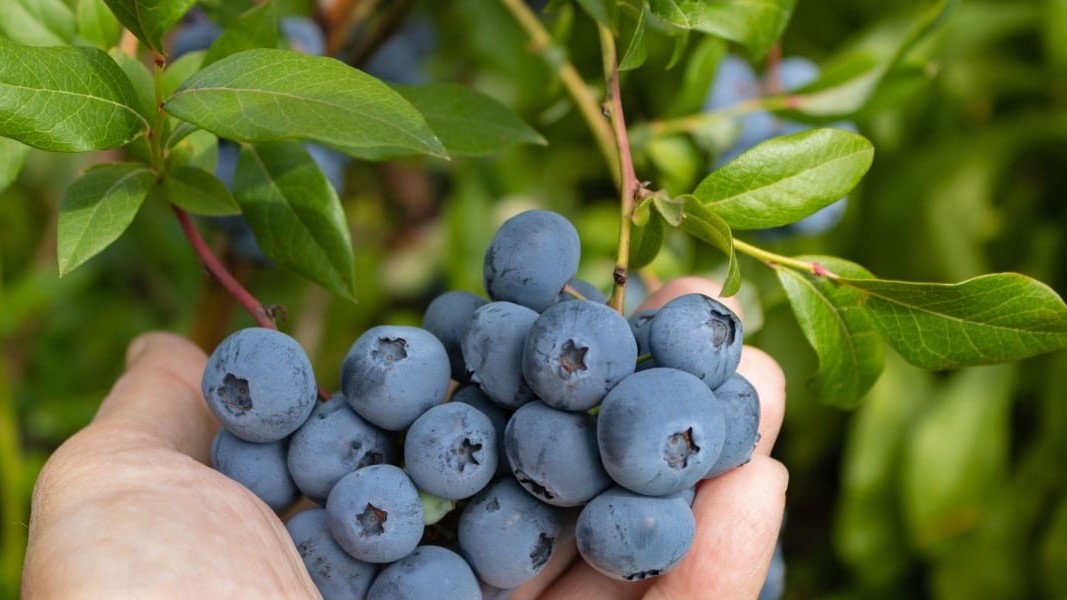
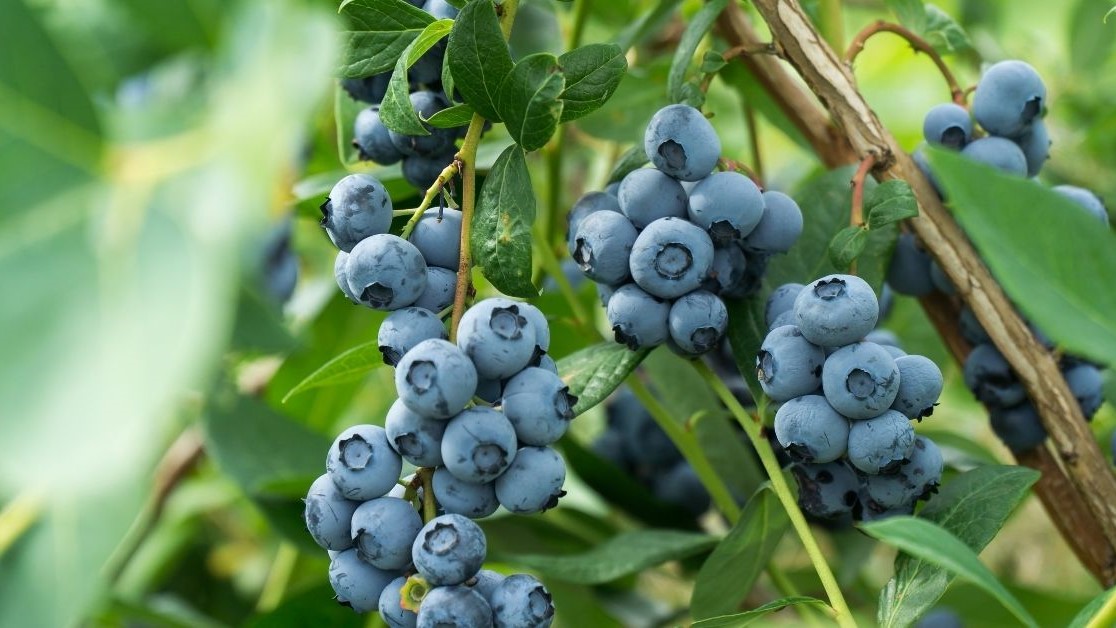
Blueberries (Vaccinium corymbosum and related species) are small, deep blue-purple berries native to North America that have become one of the most intensively studied foods in nutritional science. Their distinctive blue-purple colour comes from anthocyanins — a class of flavonoid pigments that are among the most potent antioxidants found in any food and are primarily responsible for blueberries' extensive documented health benefits.
Wild blueberries (also called lowbush blueberries, Vaccinium angustifolium) contain significantly higher concentrations of anthocyanins than cultivated varieties — up to twice as much per gram — making wild blueberry products or extracts a more potent option for supplementation purposes.
The Anthocyanin Advantage
Anthocyanins are water-soluble pigments that belong to the polyphenol family. Blueberries contain over 15 different anthocyanin compounds, with cyanidin, delphinidin, malvidin, peonidin, and petunidin glycosides being the most abundant. These compounds have several remarkable properties that distinguish them from many other antioxidants:
- They cross the blood-brain barrier — directly protecting neural tissue from oxidative damage
- They accumulate in brain regions critical for memory and learning, including the hippocampus and prefrontal cortex
- They modulate signalling pathways involved in neuroplasticity, including BDNF (brain-derived neurotrophic factor) expression
- They have anti-inflammatory activity via NF-kB and COX-2 inhibition
- They protect LDL cholesterol from oxidation — a critical step in arterial plaque formation
Key Health Benefits Supported by Research
Brain Health and Memory Protection
Blueberries have the strongest evidence base of any food for direct cognitive benefits in humans. A landmark randomised controlled trial published in the European Journal of Nutrition (2018) found that older adults (average age 68) taking a daily wild blueberry supplement for 12 weeks showed significant improvements in episodic memory, spatial memory, and processing speed compared to placebo. A 2020 study in Applied Physiology, Nutrition and Metabolism confirmed similar cognitive improvements in adults with subjective cognitive decline.
The proposed mechanism involves anthocyanin-stimulated BDNF production in the hippocampus, reduced neuroinflammation, improved cerebral blood flow, and protection of the myelin sheath — the insulating layer around nerve fibres that degrades with age.
Cardiovascular Protection
A 2019 randomised controlled trial published in the American Journal of Clinical Nutrition followed 138 adults with metabolic syndrome over 6 months. Those consuming 1 cup of blueberries daily showed a 12-15% improvement in vascular function (measured by flow-mediated dilation), significant reductions in arterial stiffness, and a 13% reduction in LDL oxidation compared to placebo. The lead researcher noted the magnitude of cardiovascular benefit was comparable to some pharmaceutical interventions.
Anti-Aging at the Cellular Level
Blueberry anthocyanins have been shown to activate SIRT1 — one of the sirtuin proteins central to longevity research and the target of resveratrol. SIRT1 activation promotes DNA repair, reduces cellular senescence, improves mitochondrial function, and extends lifespan in multiple model organisms. Blueberries also reduce markers of oxidative DNA damage (measured by 8-OHdG levels in urine) — one of the most direct measures of cellular aging rate.
Blood Sugar Regulation
Despite their sweetness, blueberries have a relatively low glycaemic impact due to their fibre content and the ability of anthocyanins to inhibit alpha-glucosidase (an enzyme involved in carbohydrate digestion) and improve insulin sensitivity. Research shows regular blueberry consumption significantly improves insulin sensitivity in insulin-resistant individuals — a critical metabolic anti-aging intervention.
Eye Health
Blueberry anthocyanins — particularly those also found in bilberry, a closely related species — have been extensively studied for eye health. They protect retinal cells from oxidative damage, improve night vision, and reduce the risk of age-related macular degeneration (AMD) and cataracts. A Japanese study found that blueberry supplementation improved visual acuity and reduced eye fatigue in adults working with computer screens.
Fresh vs Freeze-Dried vs Extract: Which to Choose?
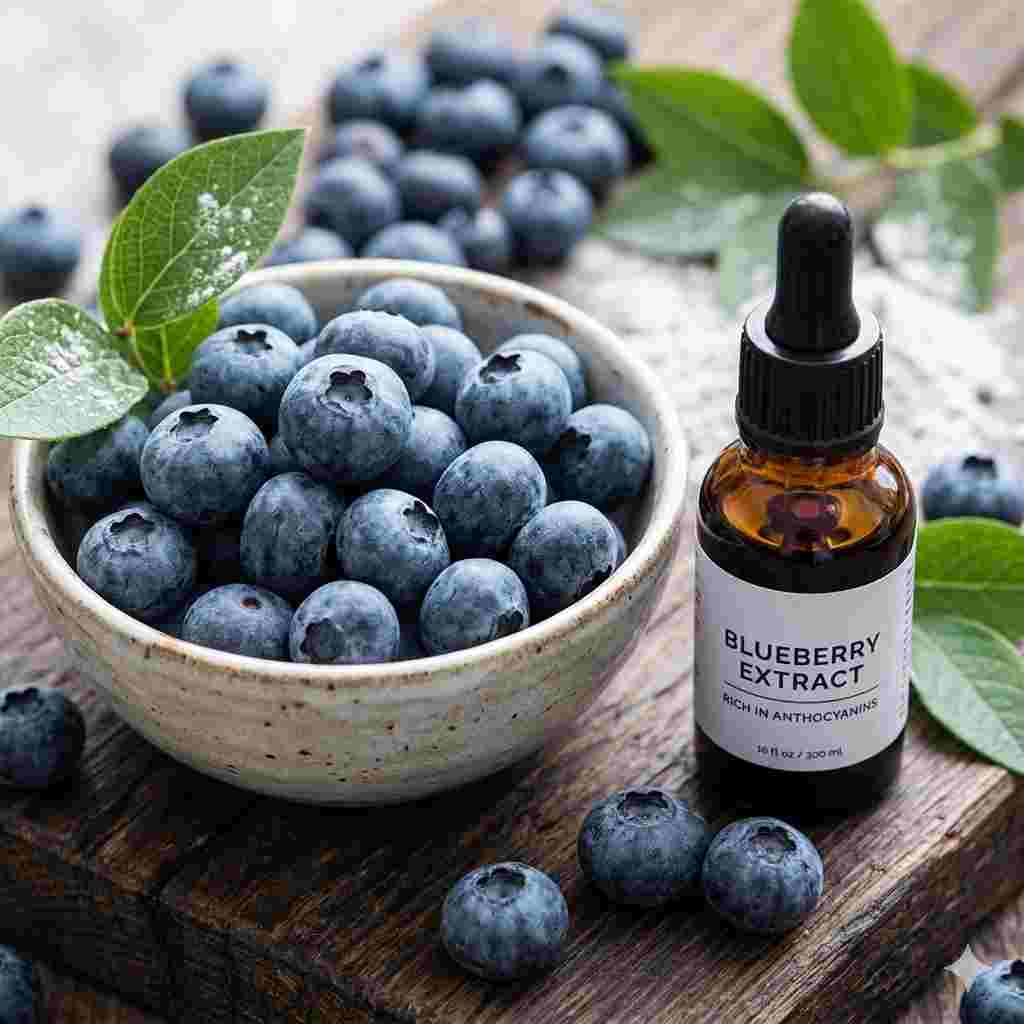
For general nutrition, fresh or frozen blueberries are ideal — one cup (150g) provides approximately 180-400mg of anthocyanins depending on variety. For supplementation at therapeutic doses, freeze-dried blueberry powder concentrates the anthocyanins without heat damage, delivering the equivalent of 1-2 cups per teaspoon. Standardised extracts (typically 25-36% anthocyanins) allow precise dosing. Wild blueberry products consistently outperform cultivated varieties for anthocyanin content.
Most research showing cognitive and cardiovascular benefits used doses equivalent to 1-2 cups of fresh blueberries daily, or 500-1000mg of standardised extract — achievable through daily supplementation when fresh blueberries are not available year-round.