No single food prevents cancer. But decades of epidemiological research, mechanistic studies, and a growing number of clinical trials have identified foods and dietary patterns that consistently and significantly reduce cancer risk — not through magic, but through well-characterised biological mechanisms: inducing cancer cell apoptosis, inhibiting tumour angiogenesis, suppressing inflammatory signalling, neutralising carcinogens, and supporting the DNA repair processes that stop damaged cells from becoming malignant ones.
Cancer is fundamentally a disease of cellular dysfunction — cells that have escaped the normal regulatory mechanisms governing growth, division, and death. What you eat influences those regulatory mechanisms directly. It determines the inflammatory environment in which cells operate, the antioxidant capacity available to neutralise DNA-damaging reactive oxygen species, the hormonal milieu that drives or suppresses hormone-sensitive cancers, and the composition of the gut microbiome that modulates systemic immune surveillance.
What the Epidemiological Evidence Shows
The World Cancer Research Fund International (WCRF) and American Institute for Cancer Research (AICR) Continuous Update Project — the most comprehensive ongoing review of the diet-cancer evidence base — has established several dietary factors with convincing or probable evidence for cancer risk reduction:
- Non-starchy vegetables and fruits: Associated with reduced risk of mouth, pharynx, larynx, oesophageal, and lung cancers across multiple large cohort studies
- Dietary fibre: Convincing evidence for protection against colorectal cancer — each 10g/day increase associated with approximately 10% risk reduction in meta-analyses
- Foods containing lycopene: Probable evidence for reduced prostate cancer risk
- Cruciferous vegetables: Consistent epidemiological association with reduced colorectal, bladder, and lung cancer risk
In large prospective cohort studies, individuals consuming diets closest to plant-rich, anti-inflammatory dietary patterns show 20–40% lower overall cancer incidence compared to those consuming the most pro-inflammatory diets — a magnitude of effect comparable to moderate physical activity.
The Key Mechanisms
Anti-cancer dietary compounds work through several overlapping pathways:
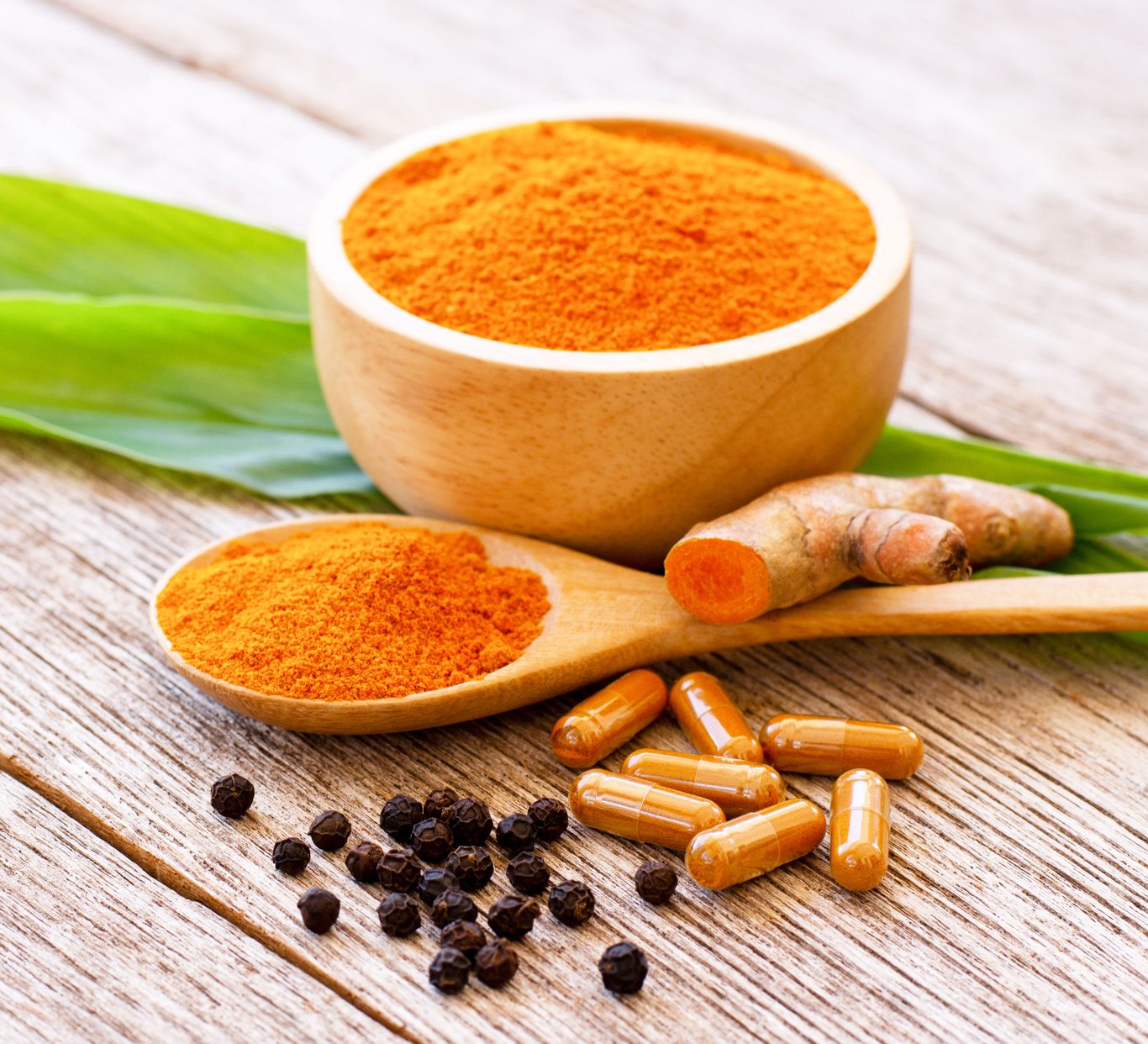
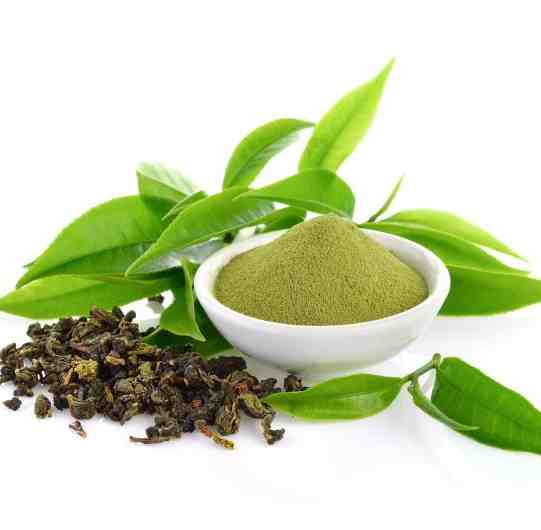
- NF-kB inhibition: Curcumin, EGCG, sulforaphane, and resveratrol all suppress NF-kB — the master inflammatory transcription factor that drives cancer-promoting inflammatory signalling and inhibits cancer cell apoptosis
- Phase II enzyme induction: Sulforaphane from broccoli and isothiocyanates from cruciferous vegetables activate Nrf2, which drives production of detoxification enzymes that neutralise carcinogens before they cause DNA damage
- Apoptosis induction: Multiple plant compounds can restore programmed cell death in cells that have developed resistance to apoptotic signals — a hallmark of cancer progression
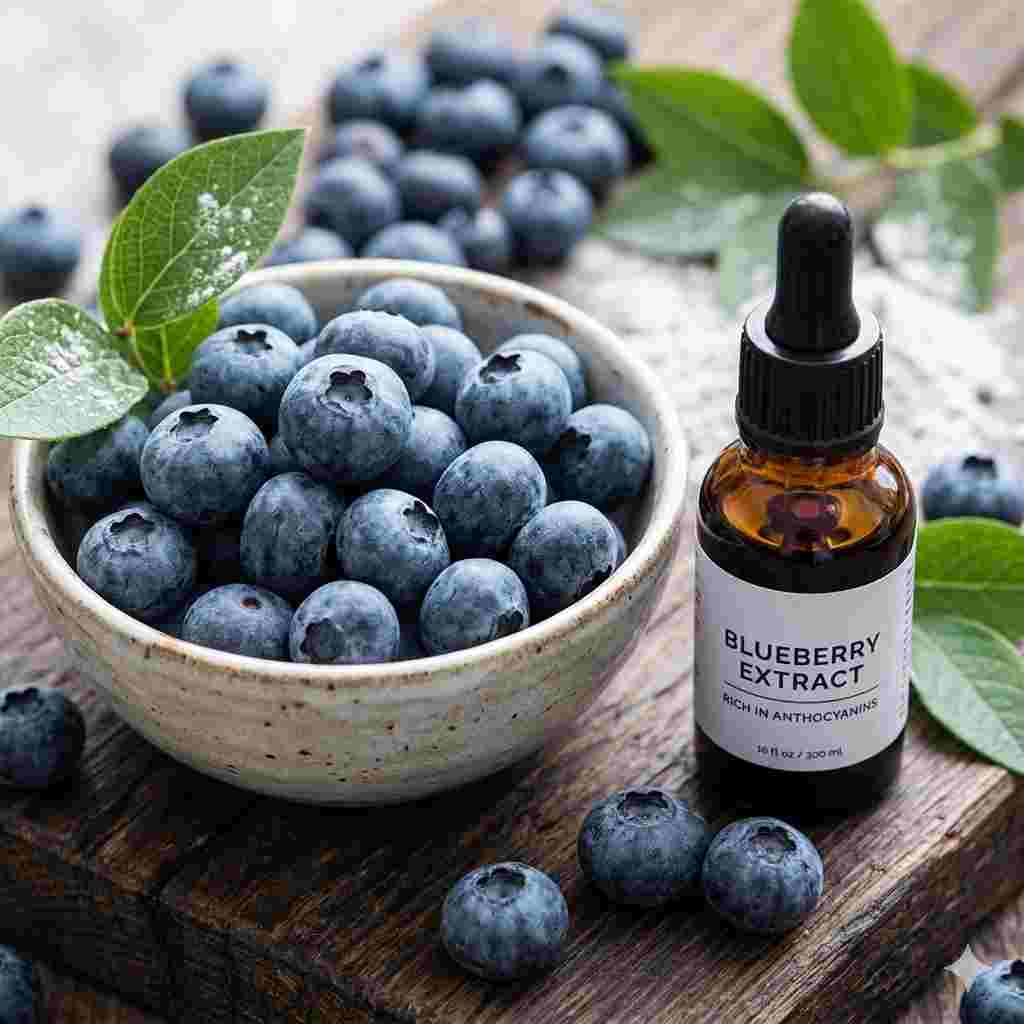
- Anti-angiogenesis: EGCG, curcumin, and anthocyanins inhibit VEGF signalling — blocking the formation of new blood vessels that tumours require to grow beyond 1–2mm
- Epigenetic modulation: Several dietary compounds modify DNA methylation and histone acetylation patterns in ways that restore normal tumour suppressor gene expression
The articles below cover the best-evidenced cancer-fighting foods — what the research actually shows, the specific compounds responsible, the doses or quantities studied, and practical ways to incorporate them into a cancer-preventive dietary pattern.