Top Cancer-Fighting Foods: What the Epidemiology and Clinical Evidence Actually Shows
Cancer prevention nutrition is one of the most misrepresented areas of dietary science. On one side, food companies and supplement marketers promote specific foods as near-magical cancer cures — a claim the evidence never supports for any single food. On the other, some sceptics argue that dietary interventions cannot meaningfully influence cancer risk at all — a position that the weight of epidemiological evidence clearly contradicts.
The honest position, supported by decades of data from the World Cancer Research Fund International (WCRF) Continuous Update Project and large prospective cohort studies, is this: specific foods and dietary patterns are associated with meaningful, measurable reductions in cancer incidence — in the range of 20–40% risk reduction for certain cancers — through well-characterised biological mechanisms. That is not a cure. But it is clinically significant.
How Cancer-Fighting Foods Work: The Core Mechanisms
Before reviewing specific foods, understanding the mechanisms matters — because different foods work through different pathways, and combining them provides broader protection than any single food alone.
- Phase II enzyme induction (Nrf2/ARE pathway): Cruciferous vegetables contain glucosinolates that convert to isothiocyanates — compounds that activate the Nrf2 transcription factor, which drives production of detoxification enzymes (NQO1, glutathione S-transferases, HO-1) that neutralise carcinogens before they damage DNA. This is arguably the most important food-based cancer prevention mechanism identified to date
- NF-kB suppression: Curcumin, EGCG, resveratrol, and sulforaphane all inhibit NF-kB — the master inflammatory transcription factor that promotes tumour-supporting inflammation, inhibits cancer cell apoptosis, and drives angiogenesis
- Apoptosis induction: Multiple plant compounds can restore programmed cell death in cells that have developed resistance to apoptotic signals — a hallmark of cancer progression. EGCG, curcumin, and sulforaphane all demonstrate this in cancer cell lines
- Anti-angiogenesis: Tumours require new blood vessel formation (angiogenesis) to grow beyond 1–2mm. EGCG, lycopene, and anthocyanins inhibit VEGF signalling — blocking this supply line
- Epigenetic modulation: Sulforaphane and other dietary compounds modify DNA methylation and histone acetylation, restoring expression of silenced tumour suppressor genes — a newly understood pathway with major implications for cancer prevention
- Antioxidant and carcinogen neutralisation: Carotenoids (lycopene, beta-carotene), anthocyanins, and polyphenols neutralise reactive oxygen species that cause DNA strand breaks — reducing the mutation frequency that drives cancer initiation
Cruciferous Vegetables — The Most Evidence-Backed Cancer-Fighting Food Category
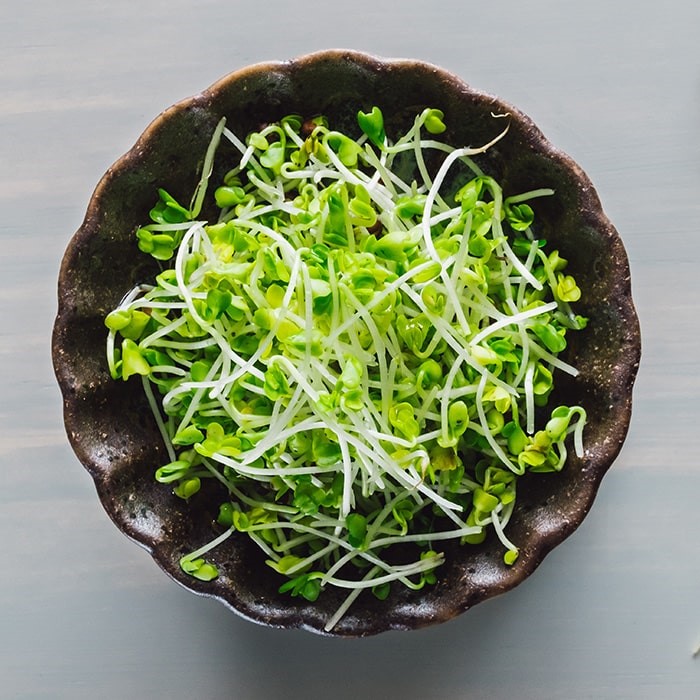
Broccoli, cauliflower, Brussels sprouts, kale, and cabbage contain glucoraphanin, which is converted by the enzyme myrosinase (activated when the vegetable is chewed or chopped) to sulforaphane — the most potent food-derived Nrf2 activator identified. Sulforaphane has now been studied in 84 clinical trials (as of June 2024), with 39 published, showing consistent evidence for Nrf2 activation, Phase II enzyme induction, and anti-cancer activity in early-stage prostate and breast cancer. The ESCAPE trial demonstrated transcriptional changes in prostate tissue after 12 months of daily broccoli consumption. Epidemiologically, high cruciferous vegetable intake is associated with 20–40% reduced risk of colorectal, bladder, and lung cancer in cohort studies. Key practical note: Sulforaphane formation requires myrosinase activity — cook cruciferous vegetables lightly (steam for 3–4 minutes maximum) or eat some raw to preserve this enzyme.
Tomatoes and Lycopene — The Strongest Evidence for Prostate Cancer
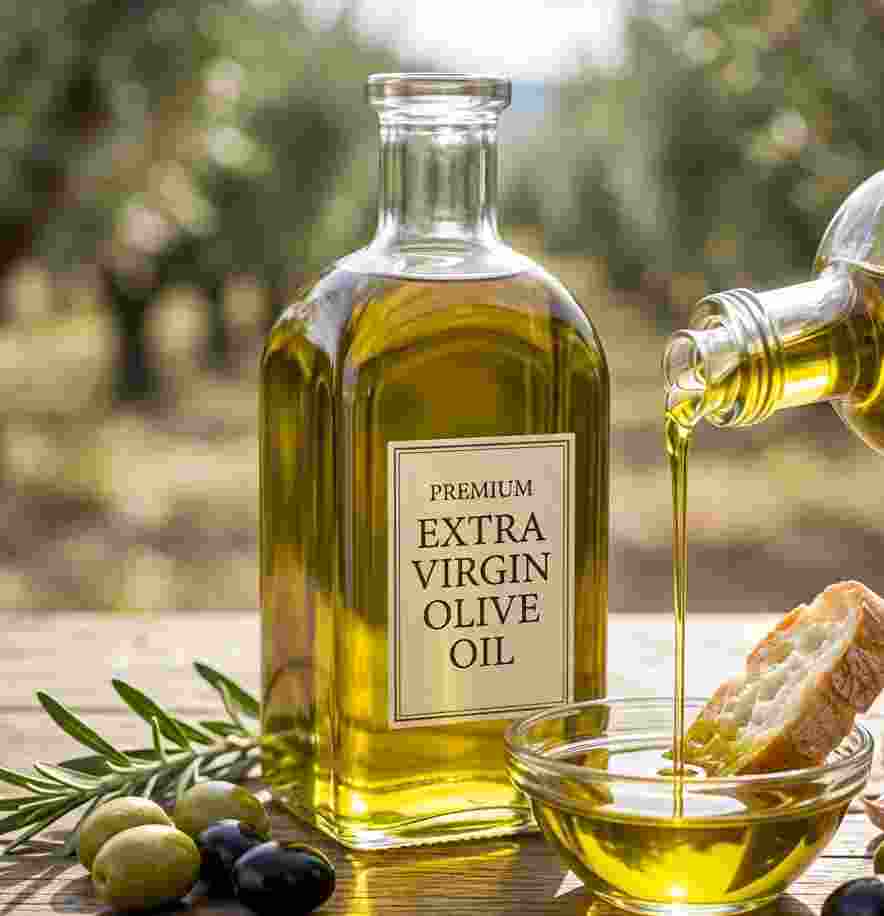
Lycopene is a carotenoid found at highest concentrations in cooked tomato products — the cooking process breaks down cell walls and concentrates lycopene in a more bioavailable form. The HPFS (Health Professionals Follow-Up Study, 47,365 men, 12-year follow-up) found that men consuming tomato sauce two or more times per week had a 23% lower risk of prostate cancer (RR 0.77, 95% CI 0.66–0.90) and a 35% lower risk of extraprostatic (advanced) prostate cancer compared to low consumers. A 2025 meta-analysis in Frontiers in Nutrition — synthesising data across cohort, case-control, and blood-level studies — confirmed significant inverse associations between lycopene intake and cancer mortality overall (RR 0.84). The evidence is strongest for prostate cancer, with consistent findings across multiple large cohort studies. The WCRF rates the tomato-prostate cancer association as "probable" protective evidence. Key practical note: Cooked tomato products (tomato sauce, tomato paste, canned tomatoes) provide significantly more bioavailable lycopene than raw tomatoes — cooking with olive oil further enhances absorption of this fat-soluble carotenoid.
Berries — Anthocyanins and Ellagic Acid
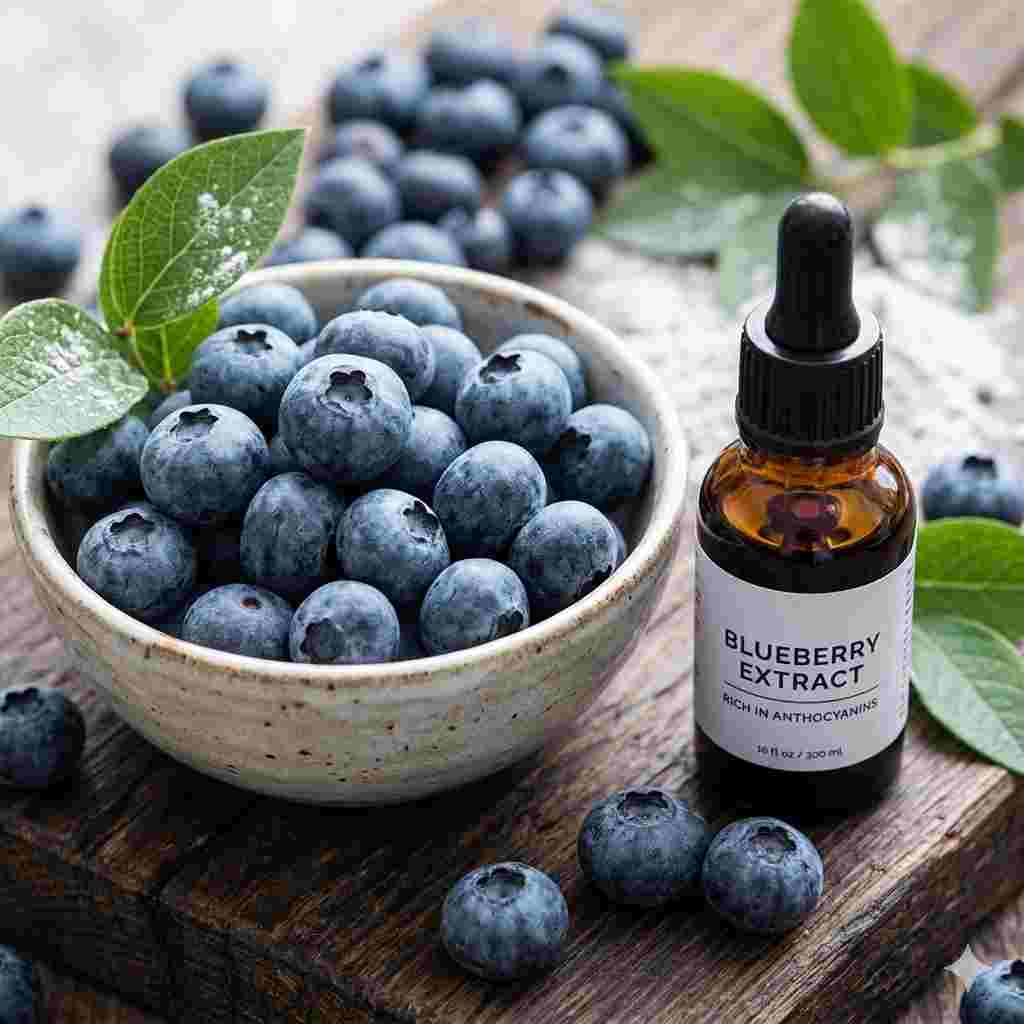
Blueberries, raspberries, strawberries, and blackberries are among the richest dietary sources of anthocyanins — flavonoid compounds with documented anti-cancer properties including NF-kB inhibition, VEGF suppression, and apoptosis induction in cancer cell lines. Ellagic acid (particularly abundant in raspberries and pomegranates) has shown Phase I/II trial evidence for anti-proliferative activity in colorectal cancer. Epidemiologically, berry intake is associated with reduced risk of several gastrointestinal and hormone-sensitive cancers in prospective cohort studies. High anthocyanin intake is also associated with lower all-cause cancer mortality in the Women's Health Study cohort. The mechanistic case for berries in cancer prevention is strong; the clinical trial evidence (while still early) is consistent with the epidemiological associations.
Turmeric (Curcumin) — NF-kB and COX-2 Inhibition
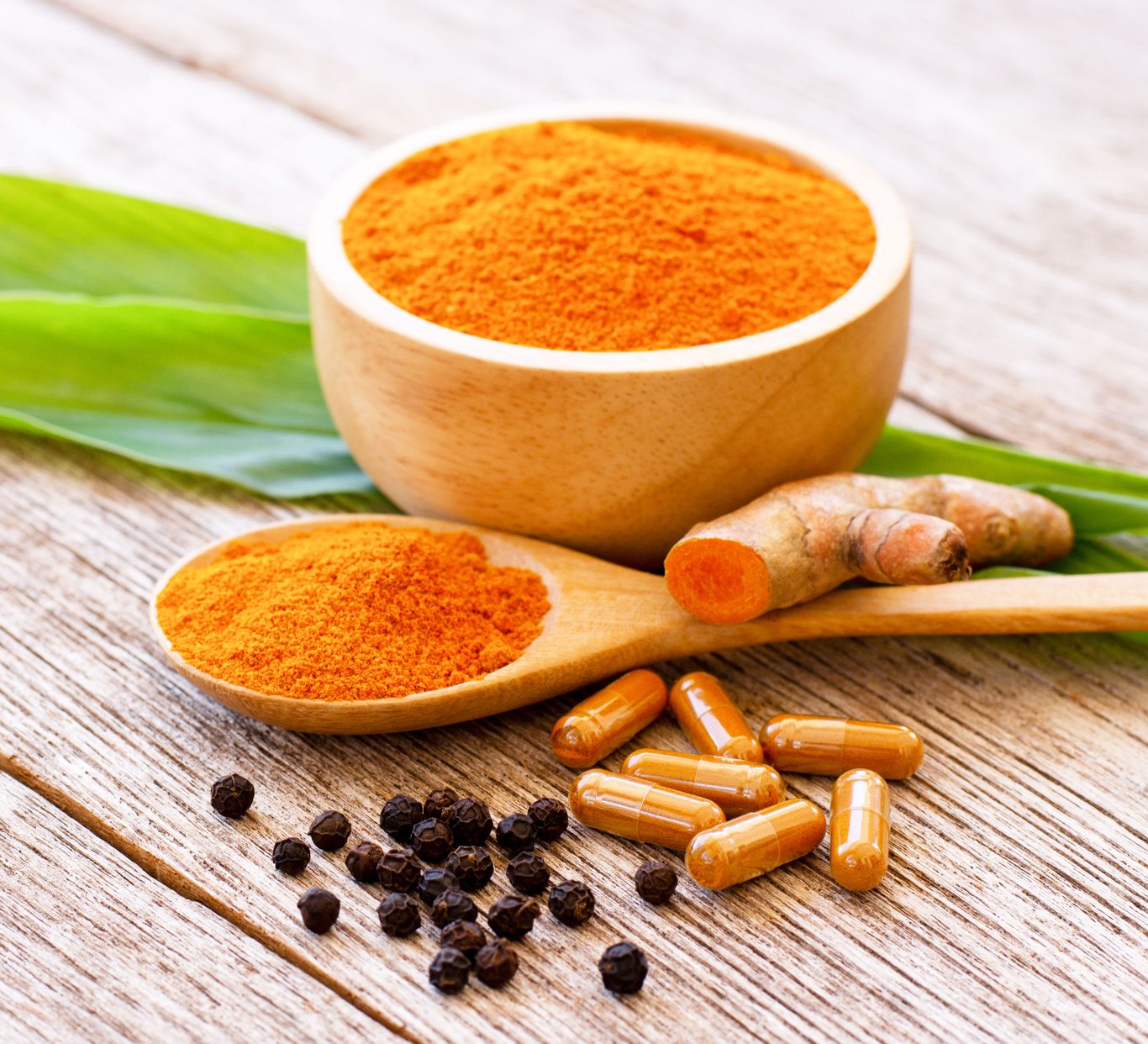
Curcumin — the active polyphenol in turmeric — has been studied in Phase I and Phase II clinical trials for colorectal, pancreatic, and breast cancer, with generally positive pharmacodynamic findings: reduced NF-kB activity, decreased COX-2 expression, reduced inflammatory markers, and apoptosis induction in biopsy tissue. The challenge is bioavailability: standard turmeric has very poor oral absorption, and most of the curcumin consumed passes through the gut without entering systemic circulation in meaningful concentrations. The clinical trials that showed activity used either high doses (4–8g/day), phospholipid-complexed curcumin formulations, or administered it with piperine (which increases absorption approximately 20-fold). Practical implication: Turmeric as a culinary spice contributes meaningful local anti-cancer activity in the GI tract (relevant for colorectal cancer prevention) regardless of systemic absorption. For systemic effects, curcumin with piperine or a bioavailability-enhanced formulation is required.
Green Tea (EGCG) — The Most Comprehensively Studied Plant Anti-Cancer Compound
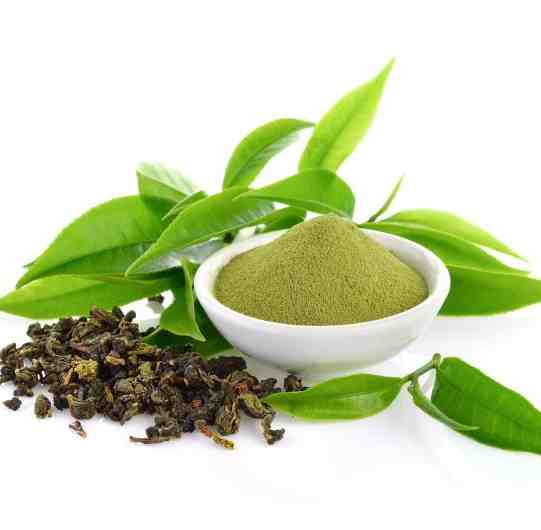
EGCG is the principal catechin in green tea and one of the most extensively studied plant compounds for cancer prevention. Japanese cohort studies — conducted in populations with high green tea consumption — consistently show that high green tea intake (5+ cups/day) is associated with 20–30% lower risk of several cancers including stomach, colorectal, and breast cancer. Phase II clinical trials have demonstrated EGCG's ability to reduce colorectal adenoma recurrence and slow PSA doubling time in early prostate cancer. Mechanistically, EGCG inhibits multiple cancer-relevant targets: VEGF (anti-angiogenesis), NF-kB (anti-inflammatory), HER2 receptor signalling, and telomerase activity. A 2021 meta-analysis of 109 RCTs confirmed significant effects on cancer cell viability markers across multiple cancer types.
Building a Cancer-Preventive Dietary Pattern
These foods work synergistically through complementary mechanisms — not competitively. A practical anti-cancer dietary foundation:
- Daily cruciferous vegetables: 1–2 servings of broccoli, cauliflower, or Brussels sprouts, lightly cooked or raw
- Cooked tomato products: Tomato sauce, tomato paste, or canned tomatoes 3–5x/week (with olive oil for lycopene absorption)
- Mixed berries: Daily serving of blueberries, raspberries, or strawberries — fresh or frozen are equally effective
- Green tea: 2–4 cups/day, brewed at 70–80°C (not boiling — high temperatures degrade EGCG)
- Turmeric: Daily culinary use with black pepper for GI-tract anti-cancer effects; consider curcumin supplement with piperine for systemic effects
References
- WCRF/AICR (2018). Continuous Update Project: Diet, Nutrition, Physical Activity and Cancer. wcrf.org
- Giovannucci E, et al. (2002). Tomato products and prostate cancer: HPFS 47,365 men. J Natl Cancer Inst, 94(5):391–8.
- Marzocco S, et al. (2025). Lycopene, tomatoes, cancer mortality meta-analysis. Front Nutr, 12:1516048.
- Bahadori M, et al. (2025). Sulforaphane clinical trials: 84 trials comprehensive analysis. J Nutr Sci.