Lycopene, Tomatoes, and Cancer: What 24 Studies, 15,099 Cases, and 47,000 Men Tell Us
The hypothesis that tomatoes and their principal carotenoid lycopene might protect against cancer was established in 1995 by a landmark observation from the Health Professionals Follow-Up Study — one of the largest and most rigorous nutritional cohort studies ever conducted. In the three decades since, the evidence has become one of the most extensively examined diet-cancer associations in nutritional epidemiology, with a genuinely nuanced story: the overall evidence is positive, the strongest associations are for prostate cancer, bioavailability varies dramatically by food preparation, and the effect is strongest in populations with high regular intake.
What Makes Lycopene Different From Other Carotenoids
Lycopene is an acyclic carotenoid — unlike beta-carotene, it cannot be converted to vitamin A in the body. Its biological activity is primarily as an antioxidant, and it is one of the most potent singlet oxygen quenchers in human plasma — approximately twice as potent as beta-carotene and ten times more potent than alpha-tocopherol (vitamin E) for this function. This high antioxidant capacity is relevant to cancer prevention because oxidative DNA damage from reactive oxygen species is a major driver of the somatic mutations that initiate carcinogenesis.
Beyond antioxidant activity, lycopene has been shown to:
- Inhibit insulin-like growth factor-1 (IGF-1) signalling — a key driver of prostate, breast, and colorectal cancer cell proliferation
- Suppress VEGF-driven angiogenesis — blocking the formation of tumour blood vessels required for growth beyond microscopic size
- Induce apoptosis in prostate, breast, lung, and endometrial cancer cell lines through Bcl-2 downregulation and caspase activation
- Inhibit cell cycle progression at the G0/G1 checkpoint — reducing cancer cell proliferation rates
- Modulate gap junction communication between cells — restoring the intercellular signalling that normally suppresses uncontrolled growth
Importantly, lycopene concentrates in specific tissues: the prostate, liver, adrenal glands, and testes accumulate lycopene at significantly higher concentrations than most other tissues — a distribution pattern that may explain the particularly strong prostate cancer association.
The HPFS Cohort: 47,365 Men, 12-Year Follow-Up
The Health Professionals Follow-Up Study (HPFS) is a prospective cohort study of 47,365 male health professionals tracked for dietary patterns and health outcomes since 1986. The analysis of tomato product consumption and prostate cancer, published in the Journal of the National Cancer Institute (Giovannucci et al., 2002), is one of the most cited studies in nutritional cancer epidemiology:
- Men consuming tomato sauce two or more times per week had a 23% lower risk of prostate cancer overall (RR 0.77, 95% CI 0.66–0.90) compared to men consuming less than one serving per month
- The association was stronger for extraprostatic (advanced) prostate cancer: men with 2+ weekly servings of tomato sauce had a 35% lower risk of advanced prostate cancer (RR 0.65, 95% CI 0.42–0.99)
- The protective association tracked bioavailable lycopene forms: tomato sauce (cooked, high bioavailability) showed the strongest association; raw tomatoes showed weaker associations; tomato juice showed minimal association — consistent with a lycopene mechanism rather than a general tomato nutrient effect
- Associations persisted after controlling for fruit and vegetable intake broadly, olive oil use, and multiple other dietary confounders
The 24-Study Meta-Analysis: 15,099 Cancer Cases
A meta-analysis published in Scientific Reports pooled data from 24 studies examining tomato intake and prostate cancer risk, covering 15,099 cancer cases. The pooled result found a statistically significant inverse association between tomato consumption and prostate cancer risk (RR 0.86, 95% CI 0.75–0.98). Notably, case-control studies showed stronger associations (RR 0.76) than cohort studies (RR 0.96) — a pattern commonly seen in dietary cancer epidemiology where cohort studies are less susceptible to recall bias but also capture less extreme dietary contrasts.
Subgroup analyses found particularly strong protective effects in Asian populations (RR 0.43), consistent with Japanese cohort data showing very low prostate cancer incidence in high-tomato-consuming populations.
The 2025 Cancer Mortality Meta-Analysis
A comprehensive 2025 meta-analysis published in Frontiers in Nutrition (PROSPERO registration CRD42023432400) synthesised evidence across dietary lycopene intake, blood lycopene levels, and multiple cancer outcomes. Key findings:
- Cancer mortality: Both total tomato intake (RR 0.89) and dietary lycopene intake (RR 0.84) were significantly inversely associated with cancer mortality — a harder endpoint than incidence
- Blood lycopene levels and cancer mortality: Higher serum lycopene was associated with 24% lower overall cancer mortality (RR 0.76, 95% CI 0.60–0.98)
- Lung cancer mortality: Inverse association between blood lycopene and lung cancer mortality (RR 0.65) — a striking finding given that lycopene is a fat-soluble antioxidant that accumulates in lung tissue
- Non-linear dose-response: Cancer risk reduction was associated with lycopene intake up to approximately 7mg/day; intakes above this threshold showed diminishing additional benefit
The Critical Bioavailability Variable: Why Cooked Tomatoes Are Dramatically Better
The apparent inconsistency between studies examining raw tomatoes versus cooked tomato products is explained almost entirely by lycopene bioavailability. Several factors determine how much lycopene from a tomato reaches systemic circulation:
- Cell wall disruption: Lycopene in raw tomatoes is embedded in cell matrix structures that significantly limit absorption. Cooking breaks down these structures — increasing lycopene bioavailability from raw tomatoes by approximately 2–4 fold
- Cis-isomer formation: Raw tomatoes contain mostly all-trans lycopene. Heat converts a proportion to cis-isomers — which are more bioavailable and are the predominant form found in human plasma. Tomato paste and tomato sauce contain significantly higher proportions of cis-lycopene than raw tomatoes
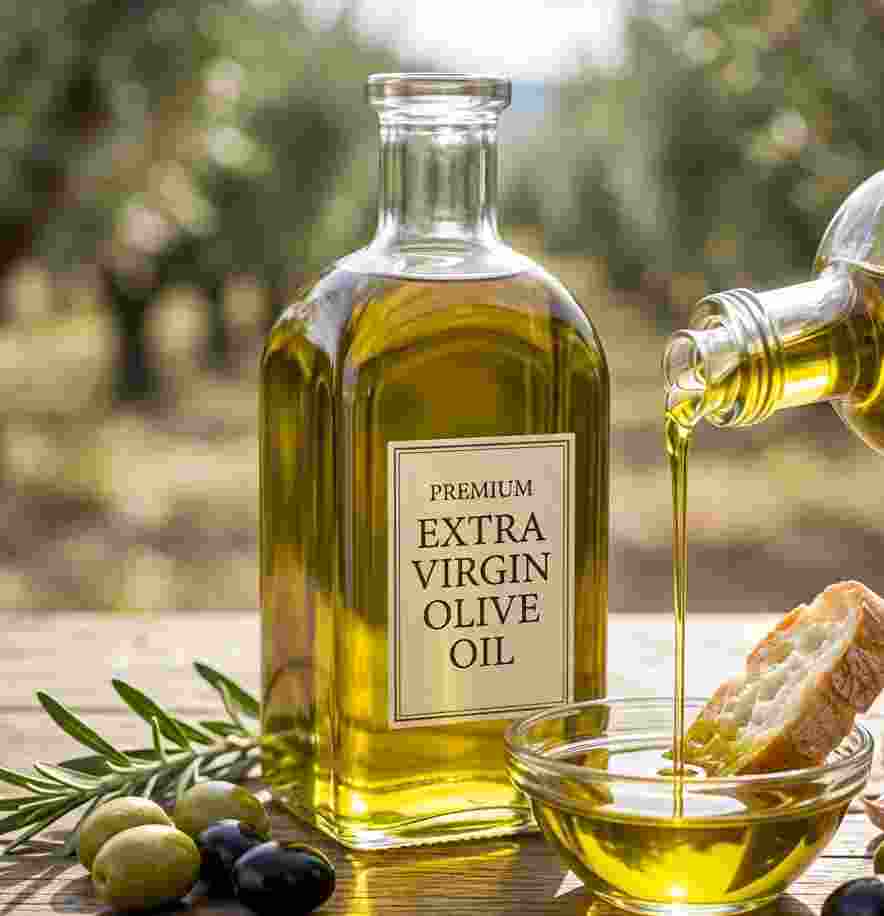
- Fat co-consumption: Lycopene is fat-soluble — it is absorbed via the same micellar pathway as dietary fat. Consuming tomatoes cooked with olive oil (as in Mediterranean cuisine) increases lycopene absorption by 2–3 fold compared to fat-free tomato products
- Concentration effect: Tomato paste contains approximately 10 times more lycopene per gram than fresh tomatoes — and this lycopene is in a more bioavailable form
This bioavailability hierarchy explains why the HPFS found the strongest associations with tomato sauce and pizza (cooked with fat) and minimal associations with raw tomatoes and tomato juice — and why intervention studies using raw tomatoes often fail to show the circulating lycopene increases that epidemiological studies associate with cancer protection.
What About Other Cancers?
While the prostate cancer evidence is most consistent, lycopene and tomato consumption have shown inverse associations with several other cancers in cohort and case-control studies:
- Lung cancer: Multiple cohort studies find inverse associations between serum lycopene and lung cancer risk, particularly in smokers — consistent with lycopene's antioxidant activity against tobacco-smoke-derived oxidative damage
- Stomach cancer: Meta-analyses find modest but consistent inverse associations with high tomato intake
- Ovarian and endometrial cancer: Lycopene inhibits IGF-1 signalling, relevant to hormone-sensitive gynaecological cancers
- Breast cancer: Evidence is mixed and less consistent than for prostate cancer
Practical Lycopene Protocol: Maximising Bioavailability
- Prioritise cooked tomato products: Tomato paste, tomato sauce, and canned tomatoes over raw tomatoes for maximum lycopene bioavailability
- Cook with olive oil: Adding olive oil to tomato-based dishes dramatically increases lycopene absorption — the Mediterranean combination is mechanistically justified
- Target 3–5 servings/week: The HPFS protection was associated with at least 2 servings/week; daily consumption likely provides greater benefit
- Tomato paste as a concentrated source: 1–2 tablespoons of tomato paste in a dish provides approximately 10–15mg of highly bioavailable lycopene — well above the 7mg/day threshold associated with maximum cancer risk reduction in the 2025 dose-response analysis
- Other lycopene sources: Pink grapefruit, watermelon, and guava also contain meaningful lycopene amounts, though tomato products remain by far the richest commonly consumed source
References
- Giovannucci E, et al. (2002). Tomato products and prostate cancer: HPFS 47,365 men. J Natl Cancer Inst, 94(5):391–8.
- Zu K, et al. (2014). Dietary lycopene, angiogenesis, and prostate cancer: HPFS nested case-control. J Natl Cancer Inst, 106(2):djt430.
- Marzocco S, Singla RK, Capasso A. (2025). Lycopene/tomato, cancer risk and mortality: comprehensive meta-analysis. Front Nutr, 12:1516048.
- Etminan M, et al. (2004). Tomato products and prostate cancer prevention: meta-analysis. Cancer Epidemiol Biomarkers Prev, 13:340–345.