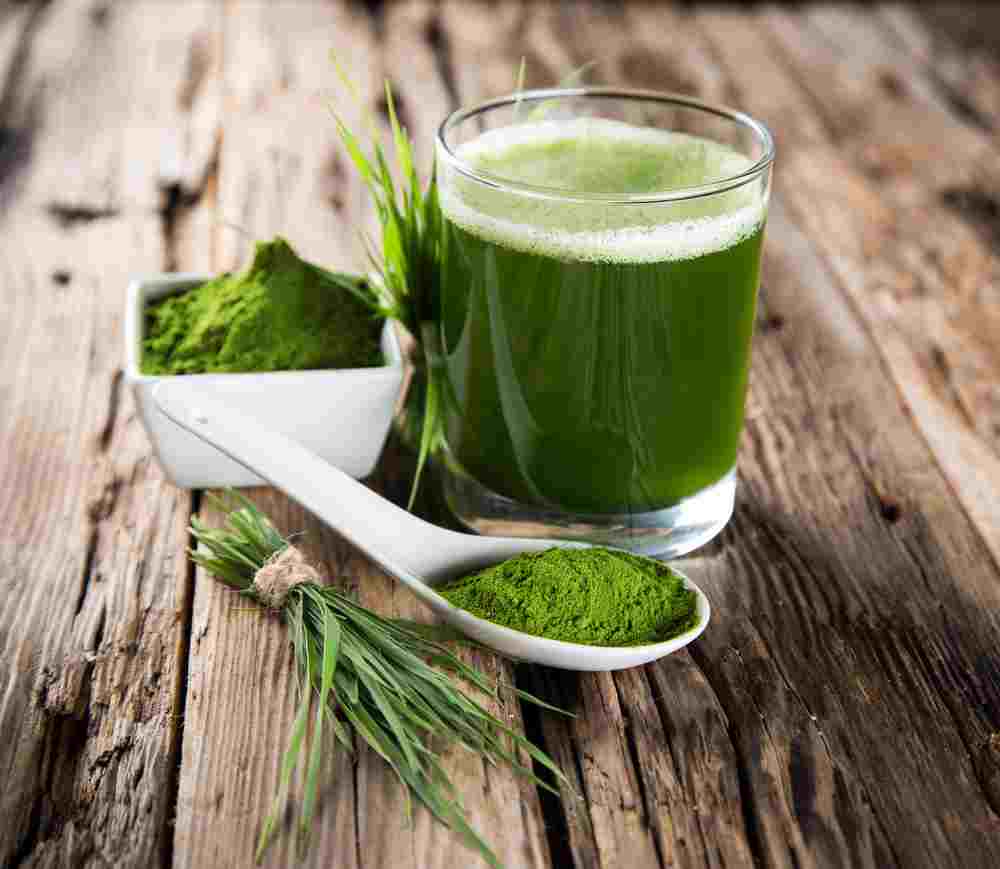
Superfood
Spirulina
Complete protein algae superfood rich in nutrients, antioxidants and detox compounds.
Complete protein algae superfood rich in nutrients, antioxidants and detox compounds.
Spirulina is a microscopic blue-green algae (technically a cyanobacterium) that grows naturally in alkaline freshwater lakes in subtropical and tropical regions. It has been consumed as a food source for centuries — by the Aztecs who harvested it from Lake Texcoco in Mexico, and by populations in Chad who still harvest and dry it into cakes called dihé. NASA investigated spirulina as a food source for space missions in the 1970s due to its exceptional nutritional density in a small mass.
Today, spirulina is cultivated commercially in controlled outdoor ponds and photobioreactors and is one of the world most popular superfood supplements. At approximately 60-70% protein by dry weight, it contains more protein per gram than beef, chicken, or eggs.
Spirulina most important and unique compound is phycocyanin — the vivid blue pigment that gives blue-green algae its characteristic colour. Phycocyanin is found in no other commonly consumed food and has demonstrated remarkable biological activity in research:
A 2016 meta-analysis published in the Journal of the Science of Food and Agriculture, pooling data from multiple randomised controlled trials, confirmed that spirulina supplementation (1-8g daily) significantly reduces total cholesterol, LDL, and triglycerides while increasing HDL. It also reduces oxidation of LDL — the critical step that initiates arterial plaque formation.
A randomised controlled trial published in Cellular and Molecular Immunology found that spirulina supplementation significantly increased superoxide dismutase (SOD) and catalase activity in older adults — two of the primary antioxidant enzymes that decline with age and whose depletion accelerates cellular aging.
A Korean randomised trial found that elderly subjects taking spirulina showed significant improvements in natural killer cell activity, immunoglobulin levels, and overall immune response compared to placebo — suggesting it may help counteract immunosenescence (age-related immune decline).
Multiple studies have shown spirulina supplementation significantly reduces CRP — the primary blood marker of systemic inflammation. It also reduces TNF-alpha and IL-6, the pro-inflammatory cytokines most closely associated with accelerated biological aging.
Spirulina powder has a strong, distinctly algae flavour that many people find challenging. Blending 1 teaspoon into a smoothie with banana, mango, or citrus fruit effectively masks the taste. Tablets (typically 500mg each) are a convenient alternative — take 6-10 tablets daily with water. Most research uses doses of 1-8g daily; starting with 1-2g and gradually increasing helps avoid digestive adjustment in some people.
Quality note: Always choose spirulina that has been third-party tested for heavy metal contamination — particularly lead, arsenic, and cadmium. This is the most important quality consideration for spirulina.
In-depth science-based articles about this product
Spirulina's blue pigment phycocyanin and its chlorophyll content give it a genuinely potent antioxid...
Unlike most "detox" supplement claims, spirulina has an actual human randomized controlled trial beh...
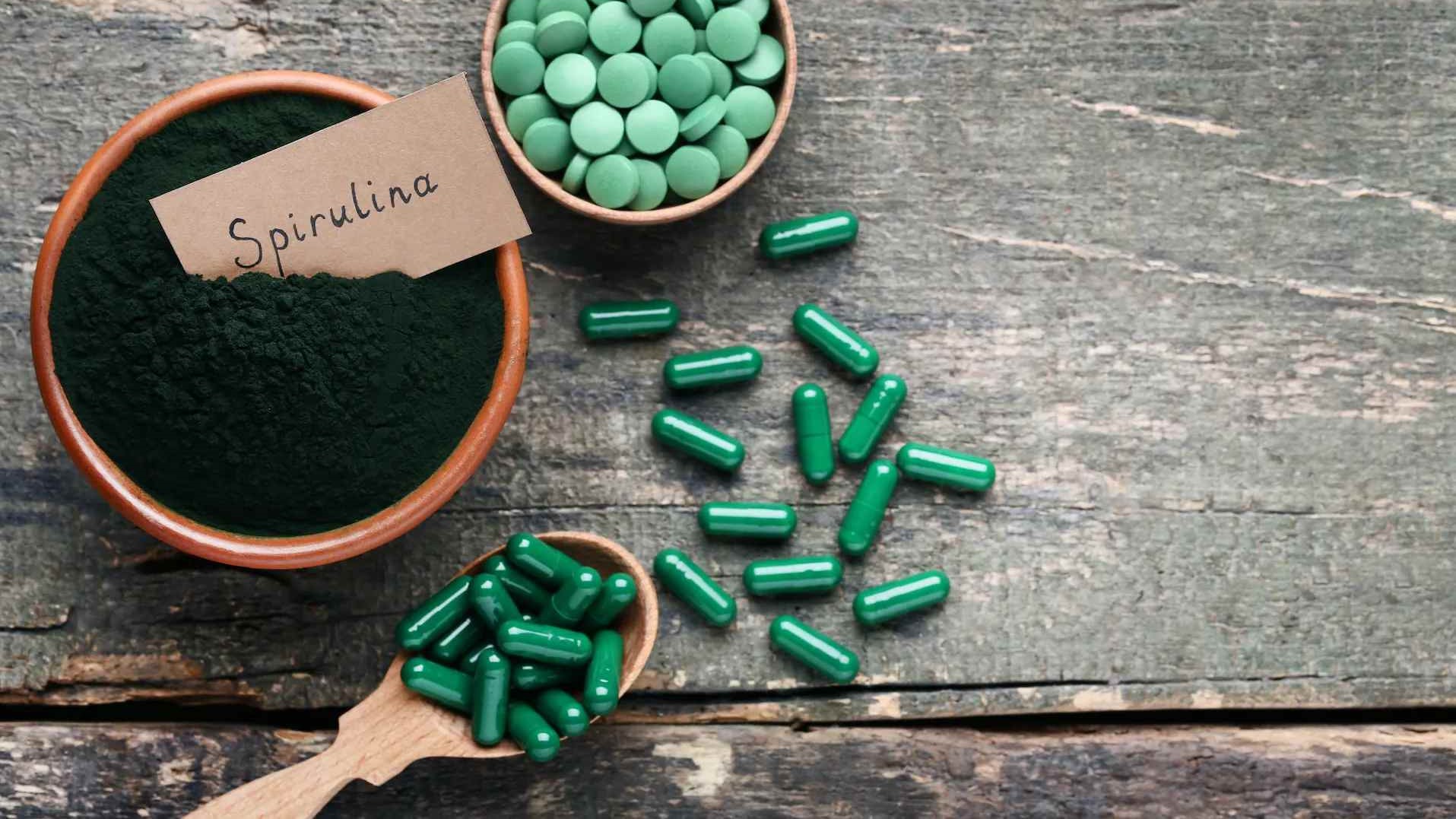
Spirulina has documented prebiotic-like effects — increasing Lactobacillus, Bifidobacterium and Ak...
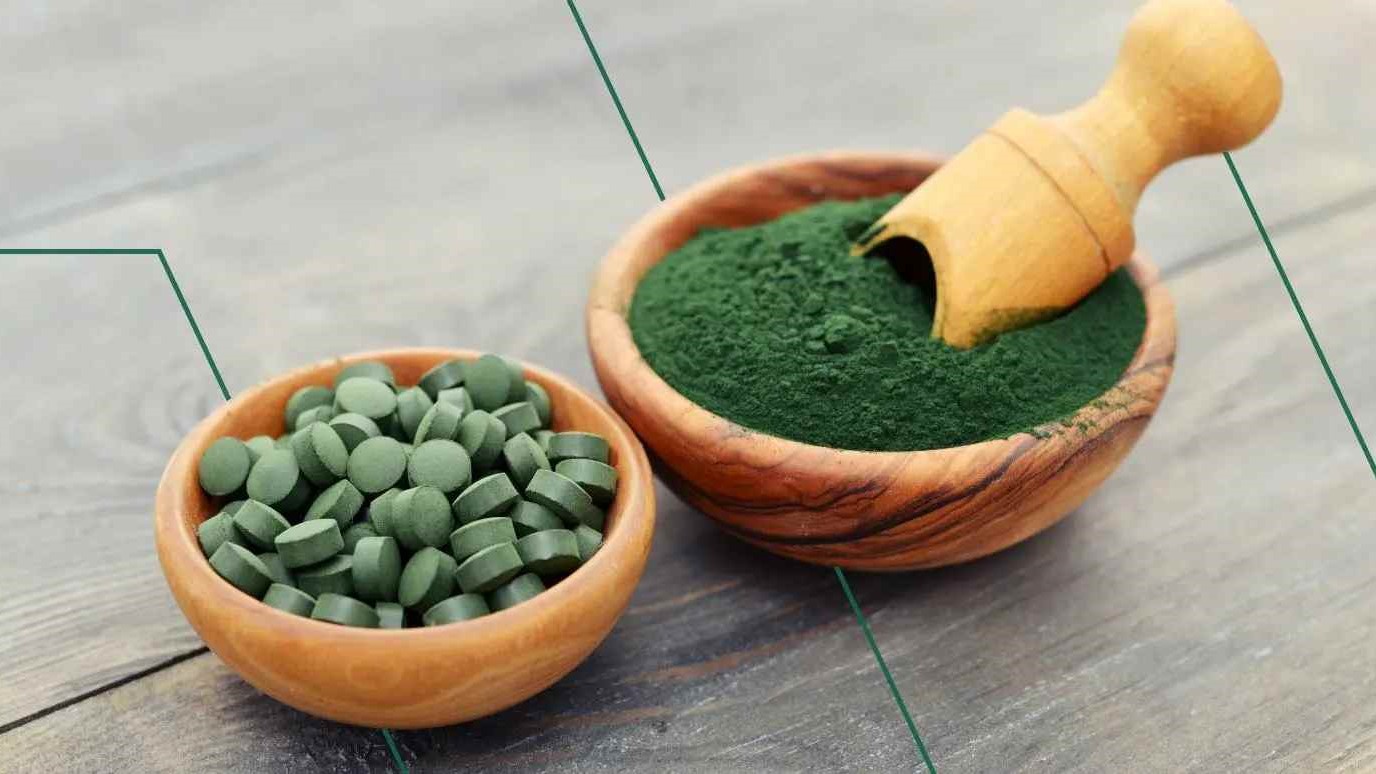
Spirulina's phycocyanin inhibits cancer cell proliferation, activates NK cell tumour surveillance, a...
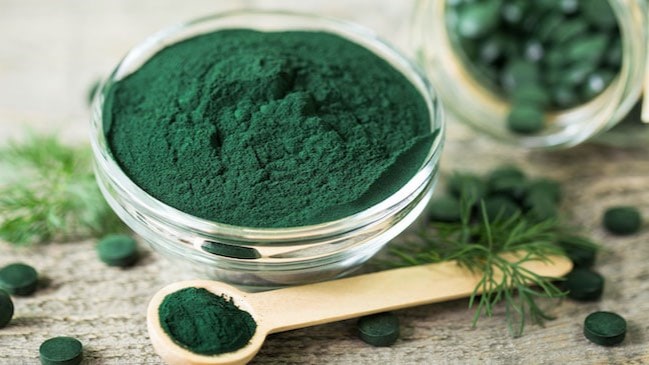
Spirulina's signature compound phycocyanin is one of the most potent natural immunomodulators identi...

Spirulina has been studied in over 22 randomised controlled trials for its anti-inflammatory and ant...
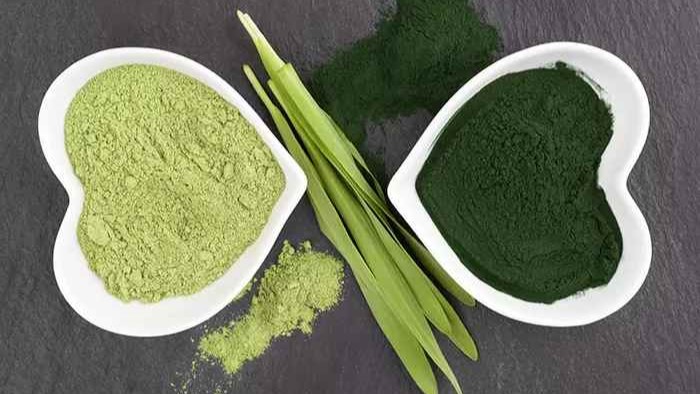
Spirulina and chlorella are both algae superfoods with impressive nutrient profiles — but they do...
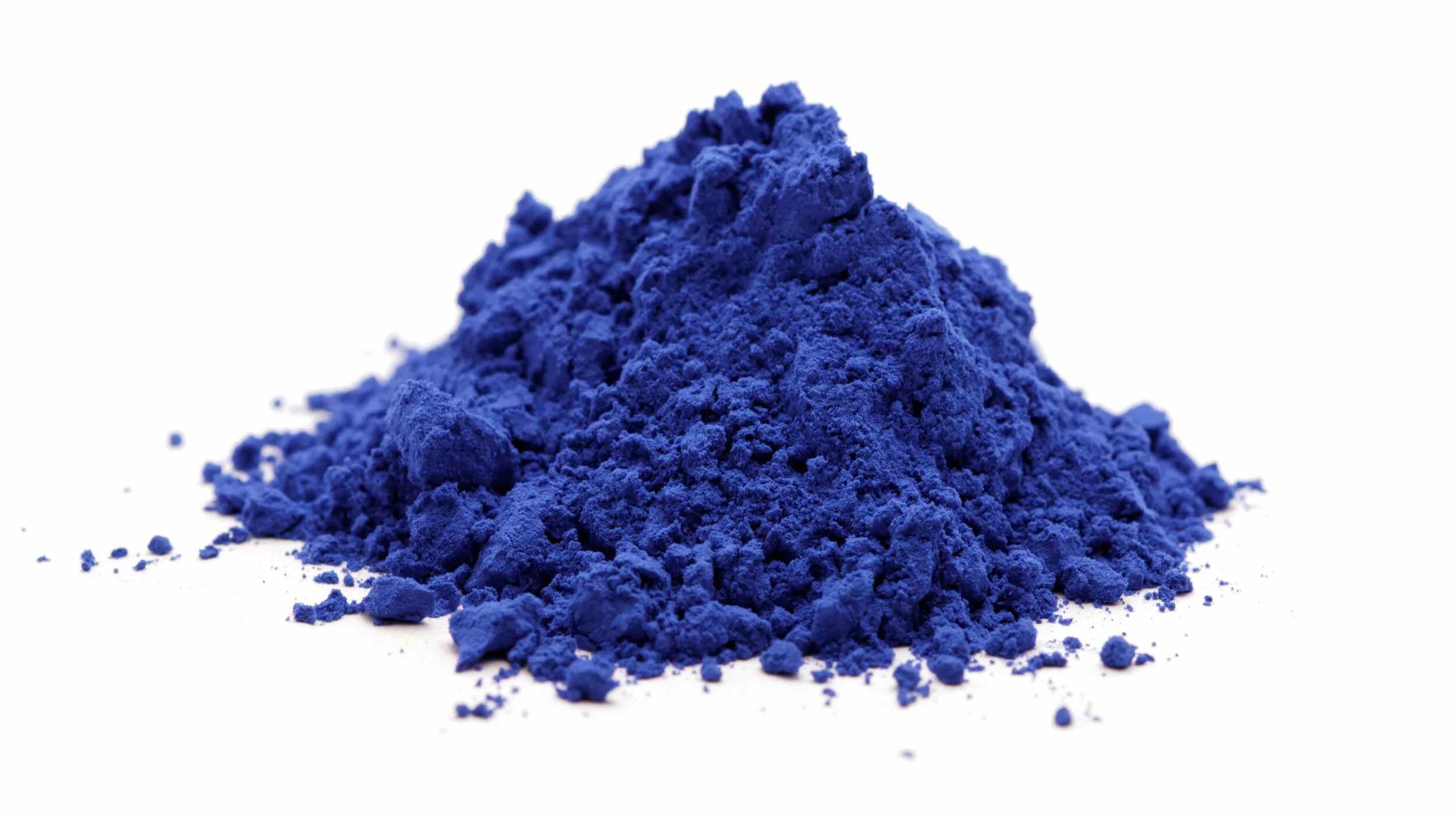
Most people buy spirulina for its general nutrient density — but the compound responsible for its...
Learn more about how Spirulina supports these health areas