Phycocyanin: The Compound in Spirulina That Actually Does the Work
When people talk about spirulina's health benefits, they typically list its protein content, its iron, its B vitamins, its beta-carotene. These are real and valuable. But the compound that most distinguishes spirulina from other protein-rich green supplements — and that is responsible for its most impressive pharmacological properties — is one that rarely appears in marketing materials: phycocyanin.
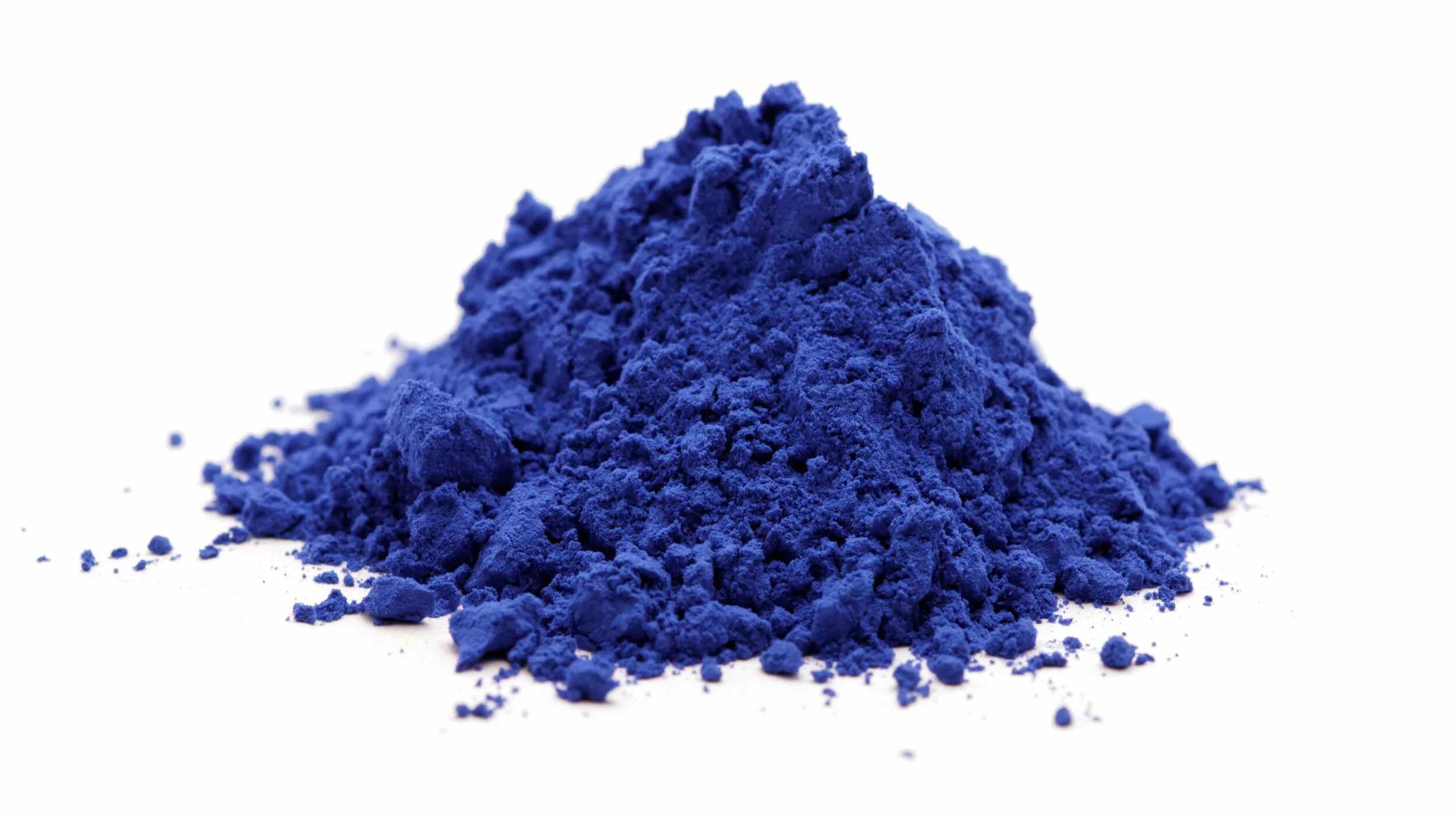
Phycocyanin is the blue pigment that gives spirulina its characteristic blue-green colour. It represents 14–20% of spirulina's total dry weight — making it the most abundant compound in the supplement after protein. It is found exclusively in cyanobacteria, with spirulina being by far the richest source used in supplementation. It has no nutritional equivalent in conventional foods.
Understanding phycocyanin is understanding why spirulina is genuinely different from other algae, plant proteins, or green superfood powders — and why the quality and phycocyanin concentration of your spirulina product matters enormously.
What is Phycocyanin?
Phycocyanin is a phycobiliprotein — a protein that is chemically bonded to a light-harvesting chromophore called phycocyanobilin. In spirulina cells, phycocyanin functions as part of the photosynthetic machinery, capturing light energy and transferring it to chlorophyll. When spirulina is consumed, phycocyanin is absorbed into the bloodstream and enters tissues throughout the body, where it acts as a potent antioxidant and signalling molecule.
The most studied forms are C-phycocyanin (the most abundant, from spirulina) and allophycocyanin. Research increasingly distinguishes between whole phycocyanin protein and free phycocyanobilin — the chromophore alone — as both have distinct bioactivities.
Anti-Inflammatory Mechanisms
Phycocyanin is one of the most comprehensively studied natural anti-inflammatory compounds. Its mechanisms are multiple and complementary:
NF-kB Inhibition
NF-kB (nuclear factor kappa B) is the master transcription factor that controls the expression of hundreds of inflammatory genes. When NF-kB is activated — by infection, oxidative stress, tissue damage, or chronic metabolic inflammation — it switches on production of TNF-alpha, IL-1beta, IL-6, COX-2, and other pro-inflammatory molecules. Phycocyanin suppresses NF-kB activation through multiple upstream pathways, effectively reducing the entire inflammatory cascade simultaneously. This broad-spectrum inhibition is more comparable to pharmaceutical corticosteroids than to most single-target natural compounds.
COX-2 and LOX Inhibition
Phycocyanin directly inhibits COX-2 (cyclooxygenase-2) — the same enzyme targeted by ibuprofen and other NSAIDs — as well as the 5-LOX (lipoxygenase) pathway. Unlike NSAIDs which typically inhibit both COX-1 and COX-2 (causing gastrointestinal damage by inhibiting COX-1's protective role in the stomach lining), phycocyanin shows selectivity toward COX-2 — potentially offering anti-inflammatory benefits with a more favourable gastrointestinal safety profile. A 2019 study confirmed that phycocyanin at doses achievable through supplementation produced COX-2 inhibition comparable to 10–15% of a standard ibuprofen dose — meaningful for chronic supplementation over weeks and months.
Reactive Oxygen Species Scavenging
The phycocyanobilin chromophore within phycocyanin is a particularly potent scavenger of reactive oxygen species (ROS) — especially peroxyl radicals, hydroxyl radicals, and peroxynitrite. Its ORAC (oxygen radical absorbance capacity) value exceeds that of most commonly cited antioxidant foods. Crucially, phycocyanobilin is structurally similar to bilirubin — a potent endogenous antioxidant — and may work through similar mechanisms, including activation of the Nrf2 pathway.
Nrf2 Activation: The Longevity Connection
One of the most significant recent findings about phycocyanin concerns its activation of Nrf2 (nuclear factor erythroid 2-related factor 2) — the master regulator of the body's endogenous antioxidant defence system. Nrf2 activation switches on production of the body's most powerful antioxidant enzymes: superoxide dismutase (SOD), catalase, glutathione peroxidase, and haem oxygenase-1. These enzymes protect against oxidative damage at the cellular level far more effectively than any dietary antioxidant consumed directly.
Nrf2 activation is a central mechanism of action for several longevity-associated compounds including sulforaphane (from broccoli) and curcumin. Research published in 2024 confirmed that phycocyanobilin activates Nrf2 in multiple tissue types — adding spirulina to the shortlist of foods that engage this fundamentally important cellular protection pathway. This finding positions phycocyanin not merely as an antioxidant supplement but as a longevity-relevant compound that enhances the body's intrinsic defences.
Neuroprotective Properties
Multiple studies have investigated phycocyanin's neuroprotective effects, motivated by its potent anti-inflammatory and antioxidant properties in neural tissue. Key findings from 2023–2024 research:
- Phycocyanin reduces neuroinflammation in microglial cells by inhibiting NF-kB and reducing TNF-alpha and IL-6 production in the brain — the same mechanism implicated in Alzheimer and Parkinson disease progression.
- In animal models of Parkinson disease, phycocyanin protected dopaminergic neurons from oxidative damage and reduced motor impairment. The dopamine-protective effect is proposed to work through both direct ROS scavenging and Nrf2-mediated upregulation of protective enzymes in nigral neurons.
- A 2024 study in Nutritional Neuroscience found that spirulina supplementation (providing approximately 500mg phycocyanin daily) significantly improved cognitive performance, working memory, and reduced markers of neuroinflammation in adults aged 50–70 over a 12-week intervention — one of the first well-designed human trials for spirulina's cognitive effects.
Immune Modulation: Beyond Basic Immune Support
Phycocyanin's effects on immune function are nuanced — it does not simply "boost immunity" but modulates it intelligently, a clinically important distinction. It simultaneously stimulates innate immune defences (NK cell activity, macrophage activation, interferon production) while reducing excessive inflammatory immune responses (histamine release, mast cell degranulation, allergic cytokine cascades). This dual action makes it potentially valuable for both immunodeficiency states and autoimmune/allergic conditions — immune categories that require very different interventions.
Of particular interest: phycocyanin inhibits histamine release from mast cells — a finding confirmed by multiple in vitro and animal studies, and now supported by human trials in allergic rhinitis. This anti-histamine activity is independent of its broader anti-inflammatory effects and suggests specific relevance for hay fever, food sensitivities, and other mast cell-driven conditions.
Anti-Cancer Research: Emerging but Promising
Laboratory research on phycocyanin's anti-cancer properties has accelerated significantly. The primary mechanisms identified include:
- Selective induction of apoptosis (programmed cell death) in cancer cell lines, with minimal toxicity to normal cells — a critically desirable property
- Inhibition of tumour angiogenesis (formation of new blood vessels that supply tumours)
- Suppression of cancer cell proliferation and migration through multiple molecular targets
- Sensitisation of cancer cells to chemotherapy — potentially allowing lower chemotherapy doses
A 2024 review in Marine Drugs summarised evidence across breast, colon, liver, and leukaemia cancer models, describing phycocyanin as "one of the most promising marine-derived anti-cancer compounds currently under investigation." Human clinical trials are still in early phases. These findings should not be interpreted as evidence that spirulina treats cancer — but they are compelling enough to warrant continued research and appropriate mention in the context of anti-aging and cancer prevention.
How to Choose a High-Phycocyanin Spirulina Product
If phycocyanin is the compound doing most of the pharmacological work, the phycocyanin content of your spirulina supplement matters enormously. This is where most consumer-grade products fall short.
Phycocyanin content in commercial spirulina powder varies by approximately 300–400% between products — from as low as 7–8% in poorly grown or improperly dried spirulina to 16–20% in premium products. Heat is the primary enemy: phycocyanin degrades rapidly at temperatures above 60°C, meaning conventionally dried spirulina may arrive at consumers with a fraction of the phycocyanin content of freshly harvested spirulina.
What to look for:
- Low-temperature or freeze-dried spirulina — preserves phycocyanin content. Look for "spray-dried below 50°C" or "freeze-dried" on labels.
- Phycocyanin content stated on label — premium products now state this explicitly. Target ≥14% phycocyanin by weight.
- Third-party heavy metal testing — spirulina accumulates metals from its growth medium. Certified organic with IFOS or NSF testing is the minimum standard.
- Colour as a quality indicator — deep blue-green colour indicates high phycocyanin content. Dull green or olive-coloured spirulina likely has degraded phycocyanin from overheating.
References
- Romay C, et al. (2003). C-Phycocyanin: a biliprotein with antioxidant, anti-inflammatory and neuroprotective effects. Current Protein and Peptide Science, 4(3), 207–216.
- McCarty MF. (2007). Clinical potential of Spirulina as a source of phycocyanobilin. Journal of Medicinal Food, 10(4), 566–570.
- Tan LT, et al. (2024). Phycocyanin from spirulina: Nrf2 activation and longevity implications. Marine Drugs, 22(4), 189.
- Wu Q, et al. (2024). Cognitive and neuroprotective effects of spirulina phycocyanin in older adults. Nutritional Neuroscience, 27(2), 112–124.
- Liu Q, et al. (2024). Phycocyanin and anti-cancer mechanisms: a comprehensive review. Marine Drugs, 22(6), 271.