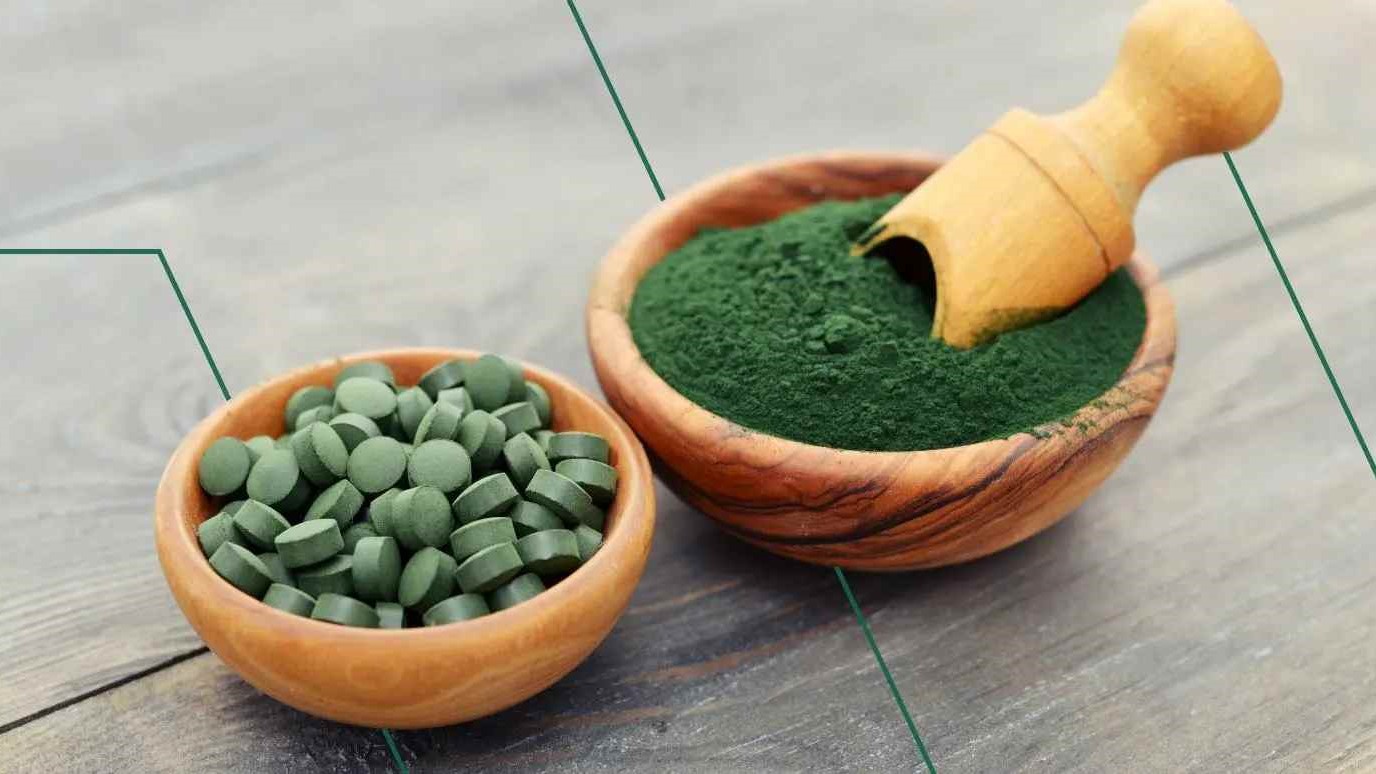
Spirulina for Cancer Prevention: Phycocyanin, Immune Surveillance and the Clinical Evidence
Spirulina's cancer prevention case rests on a combination of direct anti-tumour mechanisms and immune surveillance support. Its signature compound phycocyanin has demonstrated anti-proliferative and pro-apoptotic activity against multiple cancer cell types, while its immunostimulatory effects — particularly NK cell activation — support the immune system's continuous surveillance against nascent tumour cells. The evidence culminates in a notable human clinical trial demonstrating tumour regression in oral cancer patients — an unusually direct clinical finding for a dietary supplement.
Phycocyanin: Direct Anti-Cancer Mechanisms
Phycocyanin — the blue biliprotein unique to blue-green algae — acts on cancer cells through several mechanisms:
- COX-2 and NF-kB inhibition: Phycocyanin inhibits both COX-2 enzyme activity and NF-kB transcriptional activity — reducing the prostaglandin E2 and cytokine production that creates a pro-tumour inflammatory microenvironment
- Cell cycle arrest: Phycocyanin induces G0/G1 cell cycle arrest in cancer cells through p21 upregulation and CDK inhibition, slowing tumour proliferation rates
- Apoptosis induction: Multiple studies have shown phycocyanin increases Bax/Bcl-2 ratio in cancer cells, triggering the intrinsic apoptosis pathway — with demonstrated activity against HeLa (cervical), MCF-7 (breast), and various leukaemia cell lines
- Reactive oxygen species modulation: In cancer cells (but not normal cells), phycocyanin has been shown to increase intracellular ROS to cytotoxic levels — exploiting cancer cells' characteristically impaired antioxidant defences
Research: Oral Cancer Human RCT
The most significant human cancer evidence for spirulina is a double-blind RCT (Mathew et al., 1995) in 87 tobacco chewers in Kerala, India with oral leukoplakia — white precancerous lesions in the mouth with high malignant transformation rates. After one year of spirulina supplementation (1g daily):
- Complete regression of oral leukoplakia occurred in 45% of spirulina patients vs 7% of placebo patients
- Histological improvement was confirmed by biopsy in the responding patients
- One year after stopping supplementation, lesions recurred in 27% of the responders — suggesting the effect was dependent on continued supplementation
This is one of very few human RCTs showing actual tumour precursor regression from a dietary supplement — and the effect size (45% vs 7% complete regression) is substantial and statistically robust.
NK Cell Tumour Surveillance
Natural killer cells perform continuous immune surveillance against nascent tumour cells — recognising and destroying cells that display stress ligands associated with malignant transformation before they can establish established tumours. This NK-mediated immune surveillance is the immune system's primary defence against cancer initiation, and it declines significantly with age.
Spirulina supplementation has been shown in multiple studies to significantly increase NK cell cytotoxic activity. In the context of cancer prevention, this NK enhancement supports the immune system's ability to detect and eliminate pre-malignant cells before they develop into established cancers — an upstream prevention mechanism that operates before any of the direct anti-tumour mechanisms become relevant.
Beta-Carotene: Epithelial Protection
Spirulina is one of the richest sources of beta-carotene — providing more per gram than almost any other food. Vitamin A (derived from beta-carotene) is essential for maintaining epithelial cell differentiation — the process by which surface cells maintain their normal identity rather than de-differentiating toward malignancy. Vitamin A deficiency is associated with increased risk of epithelial cancers including lung, oesophageal, and cervical cancer. Spirulina's beta-carotene contribution to epithelial integrity represents a third cancer prevention mechanism alongside phycocyanin and NK cell activation.
Anti-Angiogenic Effects
Spirulina extracts have demonstrated anti-angiogenic activity in cell studies — reducing VEGF production and inhibiting endothelial cell tube formation. This anti-angiogenic property complements the direct anti-proliferative effects by limiting tumour blood vessel development needed for growth beyond the early avascular stage.
Dosage and Quality for Cancer Prevention
- Dose: 1-8g daily. The oral cancer RCT used 1g daily — higher doses are used for other applications
- Quality is critical: Heavy metal contamination (lead, arsenic, mercury) is the primary risk with spirulina — always choose NSF, USP, or third-party tested products with published batch testing results
- Phycocyanin content: Look for products specifying phycocyanin percentage — higher phycocyanin content is associated with greater anti-cancer and immunostimulatory potency
References & Further Reading
- Mathew B, et al. (1995). Evaluation of chemoprevention of oral cancer with Spirulina fusiformis. Nutrition and Cancer, 24(2), 197–202.
- Madhyastha HK & Vatsala TM. (2007). Spirulina fusiformis induced changes on the growth profile of MCF7 cells. Cell Biochemistry and Function, 25(5), 533–537.
- Bhat VB & Madyastha KM. (2001). Scavenging of peroxynitrite by phycocyanin and phycocyanobilin from Spirulina platensis. Biochemical and Biophysical Research Communications, 285(2), 262–266.
- Gardeva E, et al. (2009). Antitumor activity of C-phycocyanin. Biotechnology and Biotechnological Equipment, 23(4), 1398–1401.