Spirulina vs Chlorella: Which Should You Take?
Walk into any health food store or browse supplement websites and you will almost certainly encounter both spirulina and chlorella — often side by side, frequently bundled together, and consistently described in near-identical terms as "superfoods" and "nutrient powerhouses." The similarities in marketing can make it genuinely difficult to understand why you would choose one over the other, or whether you need both.
This article cuts through the overlap and focuses on the meaningful differences — so you can make an informed decision based on your actual health goals.
What They Are: The Basics
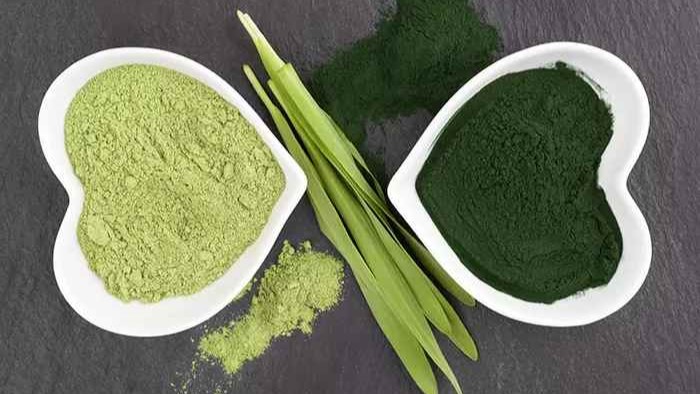
Spirulina is technically not an alga but a cyanobacterium — a type of blue-green photosynthetic bacteria. It thrives in warm, alkaline saltwater and freshwater environments and has been consumed as food by humans for centuries, most famously by the Aztecs who harvested it from Lake Texcoco in Mexico. Its characteristic blue-green colour comes from phycocyanin, its primary pigment and most important bioactive compound.
Chlorella is a true single-celled freshwater green alga. It is extremely small (2–10 microns in diameter), grows explosively fast through photosynthesis, and derives its vivid green colour from an exceptionally high chlorophyll content — higher than virtually any other organism on earth. Unlike spirulina, chlorella has a tough cellulose cell wall that must be broken down during processing for the nutrients to be bioavailable.
Nutritional Profile: Where They Differ
Both are exceptionally dense in nutrients relative to their mass. Per gram of dried powder, few foods on earth rival either. But the differences in their nutritional profiles are real and meaningful:
Protein
Spirulina wins on protein — containing 60–70% protein by dry weight, with a complete essential amino acid profile. One tablespoon (7g) provides approximately 4g of highly digestible protein. Because spirulina lacks the cellulose cell wall that makes chlorella harder to digest, its protein is more bioavailable without special processing. For plant-based athletes and those seeking protein density, spirulina is the clear choice.
Chlorella contains approximately 50–60% protein by dry weight — still impressive, but lower than spirulina, and digestion depends on whether the cell wall has been properly broken (look for "cracked cell wall" on chlorella products).
Chlorophyll
Chlorella wins decisively — containing approximately twice the chlorophyll of spirulina per gram. Chlorophyll has been studied for its detoxification properties, ability to bind heavy metals in the digestive tract, and potential anti-carcinogenic activity. For detox-focused applications, chlorella is the better choice.
Phycocyanin
Spirulina's exclusive advantage. Phycocyanin is found only in spirulina (and a few other cyanobacteria) and is responsible for its distinctive blue-green colour. It is one of the most potent natural anti-inflammatory and antioxidant compounds identified in any food — and it is entirely absent from chlorella. This single compound accounts for much of spirulina's anti-inflammatory, immune-modulating, and potentially anti-cancer properties.
Vitamins and Minerals
Chlorella contains more vitamin A (beta-carotene), vitamin C, vitamin D, riboflavin (B2), magnesium, iron, and zinc than spirulina. It is notably richer in the full B-vitamin complex. Spirulina is higher in copper and vitamin B1. Both contain B12, though the form in spirulina is a pseudovitamin B12 analogue that does not function identically to true B12 — chlorella provides a more biologically active B12 form.
Omega Fatty Acids
Chlorella contains more omega-3 fatty acids. Spirulina is higher in gamma-linolenic acid (GLA), an omega-6 with anti-inflammatory properties that is relatively rare in foods. Neither should be relied upon as a primary omega-3 source — the quantities are nutritionally meaningful but not sufficient to replace dedicated fish oil or algal oil supplementation.
Health Benefits: Where They Shine
Detoxification and Heavy Metal Removal: Chlorella Wins
Chlorella's most distinctive and well-evidenced advantage is its capacity to bind and remove heavy metals and other toxins from the body. Multiple clinical trials have confirmed that chlorella supplementation significantly reduces blood and urinary levels of heavy metals including mercury, lead, cadmium, and arsenic. A 2014 study found meaningful reductions in methylmercury concentrations in pregnant women with high fish consumption who supplemented with chlorella. The mechanism involves chlorella's cell wall components — specifically sporopollenin — which bind to heavy metals and carry them out of the body through the digestive tract.
Spirulina has some evidence for reducing arsenic toxicity specifically, but chlorella is the clear choice for general heavy metal detoxification.
Anti-Inflammatory Activity: Spirulina Wins
Spirulina's phycocyanin gives it a significant advantage in direct anti-inflammatory activity. A 2024 meta-analysis of 22 RCTs confirmed that spirulina supplementation significantly reduced CRP, IL-6, and TNF-alpha — the primary markers of chronic systemic inflammation. Phycocyanin inhibits NF-kB (the master inflammatory transcription factor), scavenges reactive oxygen species with exceptional potency, and has been shown to inhibit COX-2 enzyme activity. Chlorella has anti-inflammatory properties too, but the clinical evidence base for spirulina's anti-inflammatory effects is considerably stronger and more consistent.
Immune Support: Both — but Different Mechanisms
Both algae modulate immune function, but through different pathways. Spirulina's phycocyanin stimulates production of interferon-gamma and activates natural killer (NK) cells, while simultaneously reducing histamine release from mast cells — making it particularly relevant for allergic conditions. Chlorella's Chlorella Growth Factor (CGF) — a unique nucleotide-peptide complex found only in chlorella — has been shown to stimulate the production and activity of immune cells including macrophages and T-lymphocytes.
Blood Sugar and Metabolic Health: Spirulina Has More Evidence
Multiple RCTs have confirmed spirulina's ability to reduce fasting blood glucose, HbA1c, insulin resistance, and LDL cholesterol. A 2021 meta-analysis found spirulina supplementation produced statistically significant reductions in fasting glucose across 12 trials. Chlorella shows similar effects in preliminary research, but the clinical trial data for spirulina is more extensive and consistent for metabolic conditions.
Cardiovascular Health: Both Effective
Both spirulina and chlorella have demonstrated meaningful reductions in LDL cholesterol and triglycerides in clinical trials. Spirulina additionally raises HDL cholesterol and reduces blood pressure in hypertensive individuals. The mechanisms differ — spirulina primarily works through its antioxidant inhibition of LDL oxidation, while chlorella works partly through bile acid binding in the digestive tract.
Athletic Performance: Spirulina Has the Edge
Several human trials have found spirulina supplementation improves exercise performance — particularly endurance, time to fatigue, and post-exercise recovery. A study in the European Journal of Applied Physiology found spirulina improved oxygen uptake and time to fatigue in cyclists. The proposed mechanisms include increased mitochondrial efficiency, reduced exercise-induced oxidative stress, and improved fat utilisation during aerobic exercise. Chlorella has some exercise research too, but spirulina's evidence base for athletic performance is stronger.
Who Should Choose What
Choose spirulina if your priority is:
- Anti-inflammatory effects and chronic inflammation management
- Immune support, particularly for allergies and autoimmune conditions
- Athletic performance and exercise recovery
- Blood sugar and cholesterol management
- Maximum protein density from a plant source
- Antioxidant protection and anti-aging
Choose chlorella if your priority is:
- Heavy metal detoxification (especially if you eat a lot of fish)
- B-vitamin supplementation, especially B12 (for vegans)
- Gut health and digestive support
- General vitamin and mineral supplementation
- Chlorophyll-based detox and cleansing
Take both if: You want comprehensive coverage across all the above categories. Many practitioners recommend a combined product or alternating the two. The supplements are compatible and their benefits are complementary rather than overlapping. A combined daily dose of 2–3g each is practical and well-tolerated by most people.
Safety and Quality Considerations
Both supplements are FDA GRAS (Generally Recognised As Safe). The primary safety concern for both is contamination — algae cultivated in polluted water can accumulate the very heavy metals and toxins you are trying to avoid. Always choose certified organic products from reputable suppliers who provide third-party testing for heavy metals, microcystins (algal toxins), and microbial contamination. This is non-negotiable for both supplements.
For chlorella specifically, always choose "broken cell wall" or "cracked cell wall" products — whole-cell chlorella is poorly absorbed regardless of dose.
References
- Bito T, et al. (2020). Spirulina, a Promising Superfood Candidate. Nutrients, 12(9), 2737.
- Merchant RE & Andre CA. (2001). A review of recent clinical trials of the nutritional supplement Chlorella pyrenoidosa. Alternative Therapies in Health and Medicine, 7(3), 79–91.
- Mazokopakis EE, et al. (2014). The hepatoprotective and hypolipidemic effects of Spirulina (Arthrospira platensis) supplements. Annals of Gastroenterology, 27(4), 387–394.
- Nakano S, et al. (2005). Chlorella pyrenoidosa supplementation reduces the risk of anemia, proteinuria and edema in pregnant women. Plant Foods for Human Nutrition, 60(4), 185–9.
- Abdel-Daim MM, et al. (2024). Spirulina supplementation and inflammatory biomarkers: updated meta-analysis. ScienceDirect — Food & Function, 15(3), 1201–1215.