Spirulina for Immune Health: Phycocyanin, NK Cells and the Clinical Evidence
Spirulina (Arthrospira platensis) is a blue-green microalgae with a phytonutrient profile unlike any commonly consumed food. At 60-70% protein by weight it exceeds all plant and most animal proteins, and its signature compound — phycocyanin, the blue pigment responsible for its colour — is one of the most researched natural immunomodulators identified. The immune evidence for spirulina is particularly strong in older adults, where the dual challenge of declining NK cell function and increasing chronic inflammation makes its specific mechanisms especially relevant.
Phycocyanin: The Primary Immunoactive Compound
Phycocyanin is a biliprotein found only in blue-green algae — it has no equivalent in any land plant food. Its immune mechanisms include:
- NF-kB inhibition: Phycocyanin directly inhibits NF-kB activation — the master inflammatory transcription factor. This reduces chronic inflammatory signalling that suppresses immune responsiveness in aging populations.
- NK cell activation: Multiple studies have confirmed phycocyanin significantly increases NK cell cytotoxic activity — the ability of NK cells to kill virus-infected and tumour cells on contact.
- Interferon-gamma stimulation: Phycocyanin promotes interferon-gamma production from T cells and NK cells — the primary antiviral cytokine that activates macrophages and increases MHC class I expression on all cells, improving viral antigen presentation to cytotoxic T cells.
- Bone marrow stem cell stimulation: Phycocyanin has been shown to stimulate haematopoietic stem cell proliferation in bone marrow — the source of all immune cells. This is particularly relevant for aging bone marrow, where haematopoietic stem cell reserve and proliferative capacity decline significantly.
Research: NK Cell Activity in Older Adults
A 12-week double-blind RCT specifically in older adults found that spirulina supplementation significantly increased NK cell cytotoxic activity compared to placebo. This population-specific finding is particularly significant because NK cell decline in older adults is a primary driver of increased viral infection susceptibility and cancer incidence with age — and NK cells are notoriously difficult to pharmacologically upregulate without side effects.
Research: Secretory IgA and Mucosal Immunity
A double-blind crossover study found spirulina supplementation significantly increased salivary secretory IgA (sIgA) levels — the primary mucosal antibody that intercepts pathogens at respiratory and gastrointestinal surfaces before they can penetrate the epithelium. Elevated sIgA levels are directly associated with reduced upper respiratory infection susceptibility, and sIgA production is one of the immune parameters most consistently impaired by stress, poor sleep, and overtraining.
Research: Anti-Allergic and Anti-Inflammatory Immune Modulation
Allergic conditions represent a Th2-dominant immune dysregulation — spirulina shifts immune balance toward Th1 dominance through its interferon-gamma stimulating and IL-4 suppressing effects. A double-blind RCT in 127 patients with allergic rhinitis found spirulina supplementation significantly reduced nasal discharge, sneezing, congestion, and itching compared to placebo — directly reflecting improved Th1/Th2 immune balance. This immune-modulating rather than purely immune-stimulating profile is important: spirulina supports appropriate immune responses rather than simply amplifying an already dysregulated system.
Research: Antiviral Activity
Calcium spirullan — a polysaccharide in spirulina — has demonstrated antiviral activity against herpes simplex virus, HIV, measles virus, and influenza virus in cell culture studies through inhibition of viral entry into host cells. While human antiviral RCTs are limited, the in vitro mechanisms are well characterised and consistent with the immunostimulatory clinical data.
Research: Gut Immune Axis Support
Spirulina has demonstrated prebiotic-like effects, selectively increasing Lactobacillus and Bifidobacterium populations in the gut microbiome. Given that 70-80% of immune cells reside in the gut-associated lymphoid tissue (GALT), supporting gut microbial diversity directly strengthens the immune system's largest operational compartment. Spirulina also reduces intestinal inflammation through phycocyanin-mediated NF-kB inhibition — supporting the mucosal immune environment.
Quality Considerations: Heavy Metals and Contamination
This is the critical quality issue with spirulina. Because it is grown in open ponds or tanks and absorbs minerals from its growth medium, spirulina can accumulate heavy metals (particularly lead, arsenic, and mercury) if grown in contaminated water. Third-party testing for heavy metals is non-negotiable when choosing a spirulina supplement. Look for NSF, USP, or Informed Sport certification, or brands that publish independent lab results for each batch.
Dosage and Use
- Dose: 3-10g daily. Clinical trials showing immune benefits have used 3-8g. Higher doses are used in athletic and clinical applications.
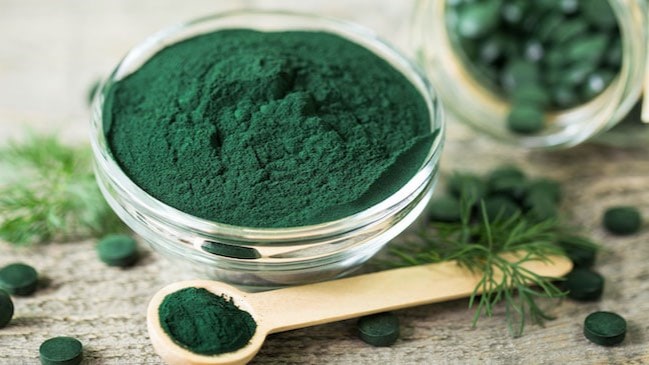
- Form: Tablets are more convenient; powder is more economical for higher doses and blends into smoothies
- Timing: With meals — the protein content supports satiety and the fat-soluble carotenoids absorb better with dietary fat
- Taste: Strong oceanic flavour — blend powder into strongly flavoured smoothies (mango, banana, pineapple) to mask effectively
References & Further Reading
- Selmi C, et al. (2011). The effects of Spirulina on anemia and immune function in senior citizens. Cellular and Molecular Immunology, 8(3), 248–254.
- Mao TK, et al. (2005). Effects of a Spirulina-based dietary supplement on cytokine production from allergic rhinitis patients. Journal of Medicinal Food, 8(1), 27–30.
- Hayashi K, et al. (1996). A natural sulfated polysaccharide, calcium spirulan, isolated from Spirulina platensis: in vitro and ex vivo evaluation of anti-herpes simplex virus and anti-human immunodeficiency virus activities. AIDS Research and Human Retroviruses, 12(15), 1463–1471.
- Cingi C, et al. (2008). The effects of spirulina on allergic rhinitis. European Archives of Oto-Rhino-Laryngology, 265(10), 1219–1223.
- Kapoor R & Mehta U. (1993). Effect of spirulina supplementation on lipid peroxidation and blood cellular components. Biological Trace Element Research, 37(1), 9–14.