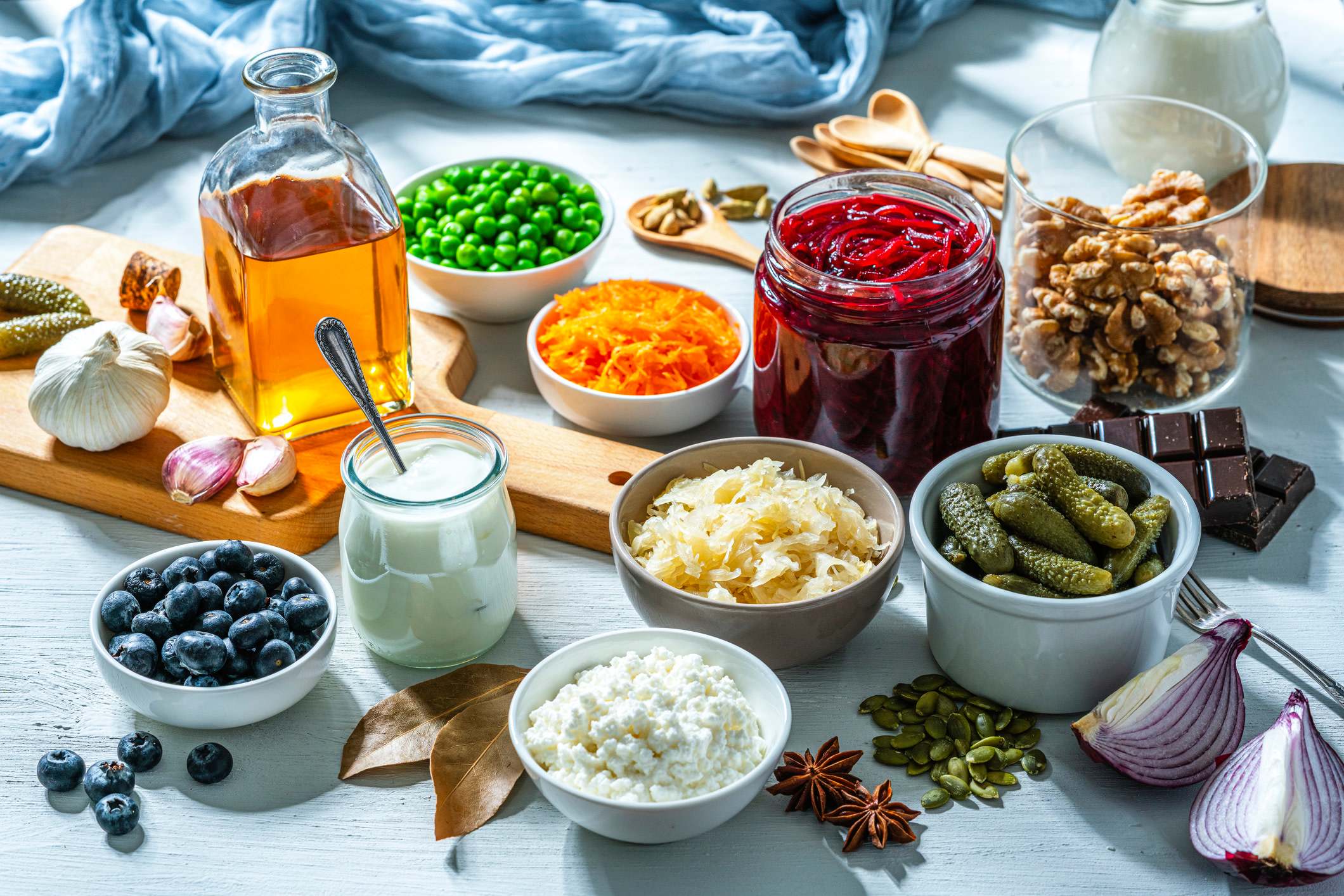
The gut microbiome — a community of approximately 38 trillion microorganisms living in your digestive tract — is now recognised as one of the most influential systems in human physiology. It regulates immune function, produces neurotransmitters that affect mood and cognition, trains inflammatory responses, and influences metabolism and body weight. Probiotic foods have been consumed for thousands of years as a way of introducing and sustaining beneficial microorganisms within this ecosystem.
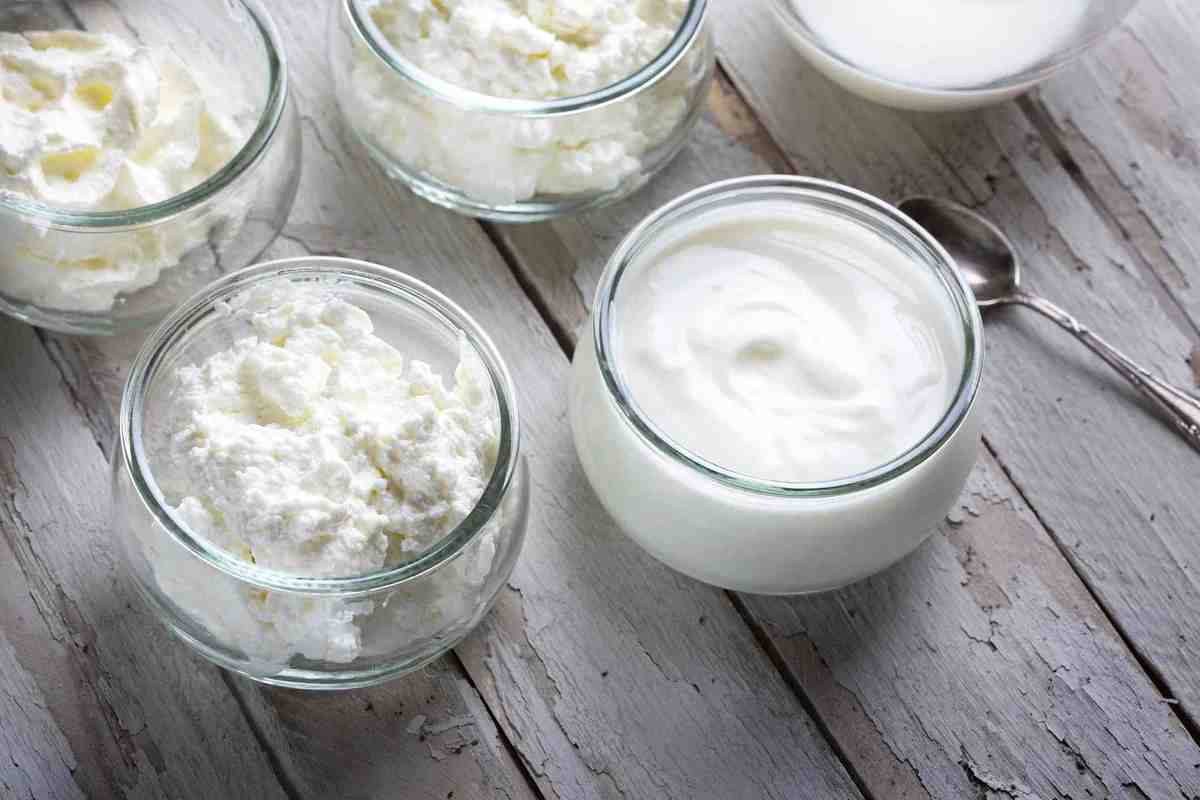
Modern research has moved well beyond folk wisdom. A landmark Stanford University RCT (Wastyk et al., Cell, 2021) compared high-fermented-food diets with high-fibre diets in healthy adults. The fermented food group — consuming yogurt, kefir, fermented cottage cheese, kimchi, sauerkraut, and kombucha — showed a significant increase in gut microbiome diversity across 19 bacterial taxa, while simultaneously reducing 19 systemic inflammatory proteins including IL-6 and IL-12p70. The high-fibre group showed no comparable diversity increase. This trial established fermented foods as a uniquely effective dietary intervention for microbiome modulation, outperforming even dietary fibre for diversity outcomes.
The mechanism is multifaceted. Fermented foods deliver live lactic acid bacteria (LAB) that transiently colonise the gut and compete with pathogenic species. They also deliver bioactive metabolites produced during fermentation — short-chain fatty acids, bacteriocins, B vitamins, and bioactive peptides — that directly strengthen the intestinal epithelial barrier, modulate immune signalling, and produce neurotransmitter precursors via the gut-brain axis. Unlike isolated probiotic supplements, whole fermented foods deliver this full matrix of microorganisms, metabolites, and pre-formed bioactive compounds simultaneously.
The strongest evidence focuses on yogurt and kefir (for type 2 diabetes risk reduction and cardiovascular markers), kimchi and sauerkraut (for gut microbiome diversity and immune modulation), kefir specifically (for lactose intolerance management and IBS), and miso/tempeh (for mineral bioavailability and cholesterol). This guide covers each major probiotic food category with the evidence behind it, how to incorporate them into your diet, and practical considerations for maximising their microbiome benefit.