Spirulina Anti-Aging Benefits: What the Research Actually Shows
What is Spirulina?
Spirulina is a microscopic blue-green algae that grows in both fresh and salt water. It has been consumed for centuries — the Aztecs harvested it from Lake Texcoco, and it remains a traditional food in Chad. NASA investigated it as a space food in the 1970s due to its extraordinary nutritional density. It is approximately 60-70% protein by dry weight — the highest protein density of any whole food — with all essential amino acids and high digestibility.
Key Anti-Aging Compounds
- Phycocyanin: The blue pigment unique to spirulina and its most potent antioxidant. It has demonstrated anti-inflammatory, neuroprotective, and anti-cancer properties in laboratory research.
- Beta-carotene: At concentrations among the highest of any food — important for immune function and skin health.
- GLA (Gamma-linolenic acid): An anti-inflammatory omega-6 fatty acid rare in food sources.
- Zeaxanthin and lutein: Carotenoids that protect against macular degeneration and cognitive decline.
- Iron: In a highly bioavailable form — important for energy and cognitive function in older adults.
Research: Antioxidant Activity
A randomised controlled trial in Cellular and Molecular Immunology found that spirulina supplementation significantly increased superoxide dismutase (SOD) and catalase activity in older adults — two primary antioxidant enzymes that decline with age.
Research: Cardiovascular Aging
Multiple human clinical trials have shown that spirulina supplementation (1-8g daily) meaningfully reduces total cholesterol, LDL cholesterol, and triglycerides, while increasing HDL cholesterol. A 2016 meta-analysis confirmed these lipid-lowering effects across diverse populations. Spirulina also reduces oxidation of LDL — the critical step that initiates arterial plaque formation — and lowers blood pressure through nitric oxide-dependent mechanisms.
Research: Anti-Inflammatory Effects
Phycocyanin inhibits COX-2 and 5-LOX enzymes — two key inflammatory pathways. A study in older adults with type 2 diabetes found that 8 weeks of spirulina supplementation significantly reduced CRP — the primary blood marker of systemic inflammation associated with accelerated aging.
Research: Immune Function in Older Adults
Research in older adults has found that spirulina supplementation improves natural killer cell activity, increases production of secretory IgA, and enhances overall immune response. A Korean study found that elderly subjects taking spirulina showed significant improvements in multiple immune markers compared to placebo — suggesting it may help counteract age-related immune decline.
Research: Detoxification
Spirulina has demonstrated the ability to bind to heavy metals including lead, cadmium, and arsenic in the gut, reducing their absorption. Heavy metal accumulation contributes to oxidative stress and inflammation — core mechanisms of biological aging.
What the Research Does Not Yet Support
Most compelling spirulina research has been conducted in animals or cell models. Human clinical trials, while increasingly positive, are generally small and short-term. Claims about spirulina reversing aging in humans are not supported by current evidence. The realistic expectation is a meaningful but modest contribution through antioxidant, anti-inflammatory, and cardiovascular mechanisms.
How to Use Spirulina
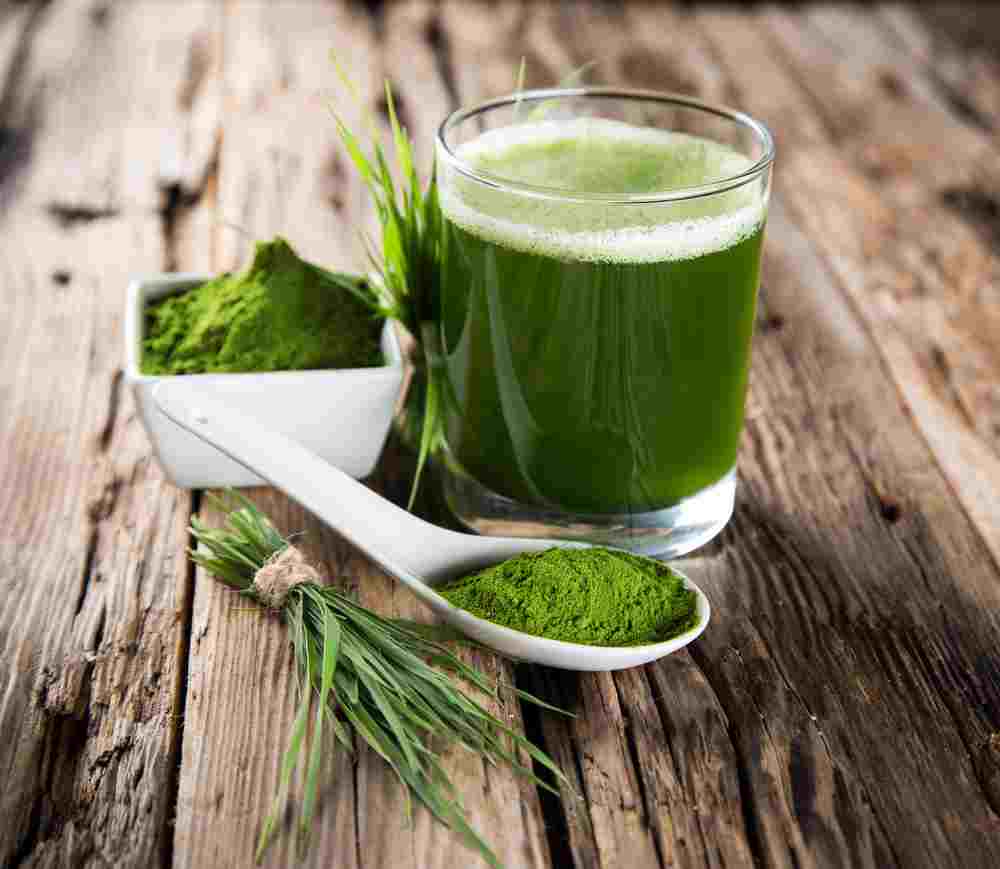
Most research uses doses of 1-8 grams daily. Starting with 1-2g and gradually increasing helps avoid digestive adjustment. Spirulina powder has a strong algae flavour — blending it into a smoothie with fruit effectively masks the taste. Tablets and capsules are a convenient alternative. Look for products third-party tested for heavy metal contamination and that specify phycocyanin content.
References & Further Reading
- Mazokopakis EE, et al. (2014). The hepatoprotective and hypolipidemic effects of Spirulina supplementation. Annals of Gastroenterology, 27(3), 258–264.
- Park HJ, et al. (2008). A randomized double-blind, placebo-controlled study to establish the effects of spirulina in elderly Koreans. Annals of Nutrition and Metabolism, 52(4), 322–328.
- Selmi C, et al. (2011). The effects of Spirulina on anemia and immune function in senior citizens. Cellular and Molecular Immunology, 8(3), 248–254.
- Ichimura M, et al. (2013). Phycocyanin and phycocyanobilin from Spirulina platensis protect against diabetic nephropathy. American Journal of Physiology, 304(1), R110–120.
- Deng R & Chow TJ. (2010). Hypolipidemic, antioxidant and antiinflammatory activities of microalgae Spirulina. Cardiovascular Therapeutics, 28(4), e33–45.
- Karkos PD, et al. (2011). Spirulina in Clinical Practice: Evidence-Based Human Applications. Evidence-Based Complementary and Alternative Medicine, 2011, 531053.