Top 10 Anti-Aging Foods Backed by Science
What Does Food Do to Your Cells?
Biological aging is driven by several interconnected processes: oxidative stress (free radical damage to DNA), chronic low-grade inflammation (sometimes called inflammaging), telomere shortening, mitochondrial dysfunction, and accumulation of senescent cells. The foods you eat influence every one of these processes. Antioxidants neutralise free radicals. Omega-3 fatty acids suppress inflammatory signalling pathways. Polyphenols activate longevity genes including sirtuins.
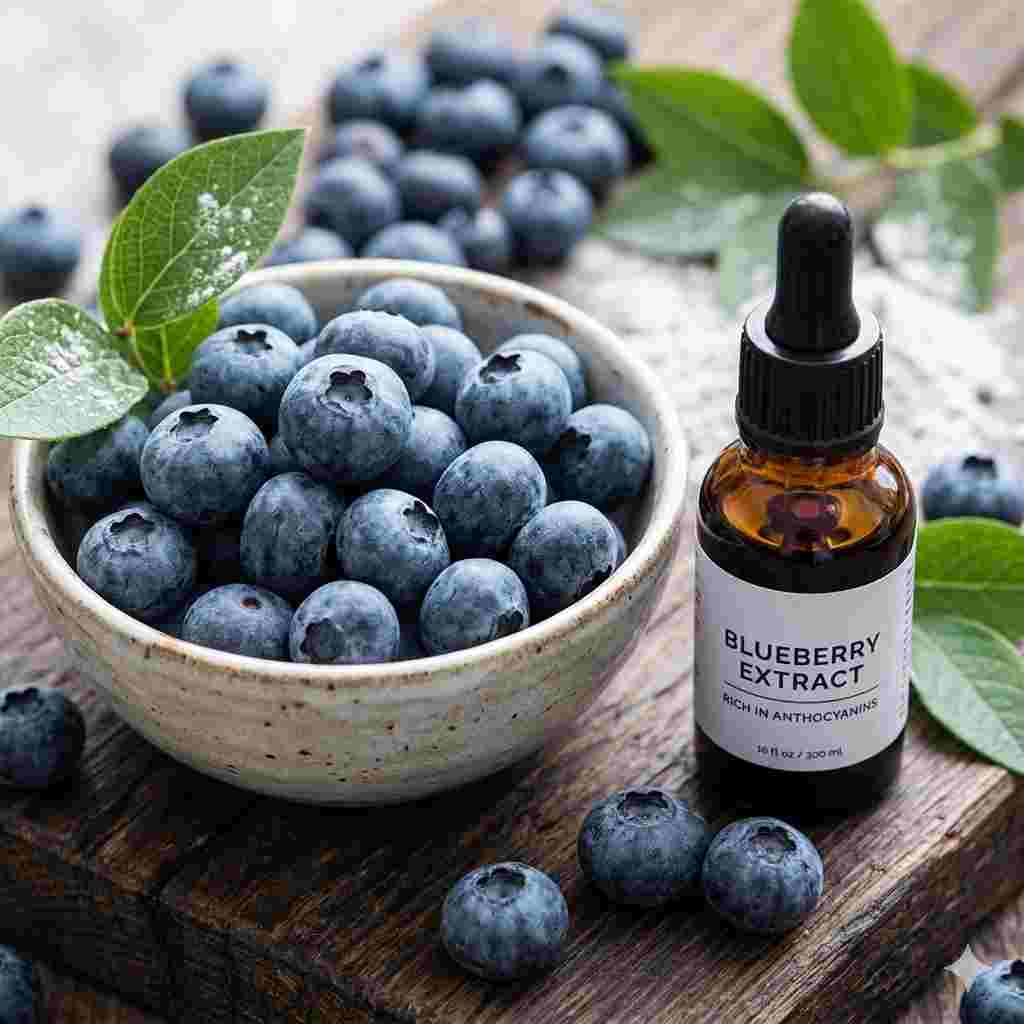
1. Blueberries and Mixed Berries
Blueberries are exceptionally rich in anthocyanins that cross the blood-brain barrier, reduce oxidative damage to neurons, and improve memory in older adults. A 2020 study in the American Journal of Clinical Nutrition found daily blueberry consumption over 12 weeks significantly improved episodic memory in older adults with mild cognitive complaints. Anthocyanins also reduce arterial stiffness, lower LDL oxidation, and reduce systemic inflammation markers CRP and IL-6.
2. Fatty Fish (Salmon, Sardines, Mackerel)
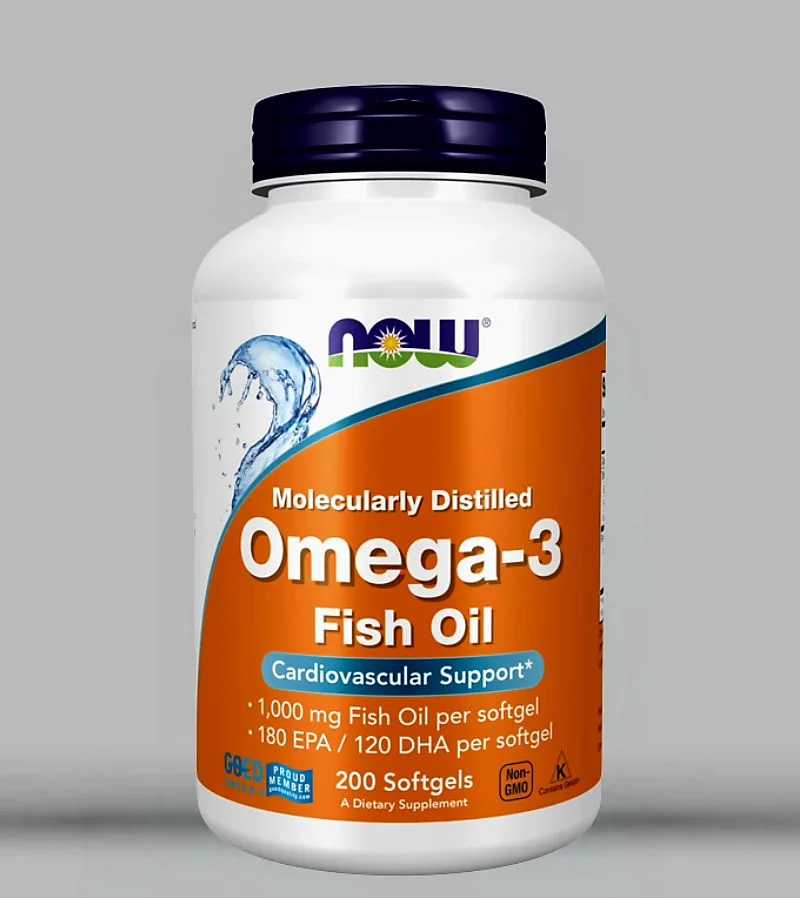
Oily fish is one of the most bioavailable sources of EPA and DHA. DHA is a structural component of brain cell membranes and adequate DHA levels are associated with slower cognitive decline. EPA suppresses the COX-2 enzyme pathway. Research from the University of California found higher omega-3 levels independently associated with slower telomere shortening over five years.
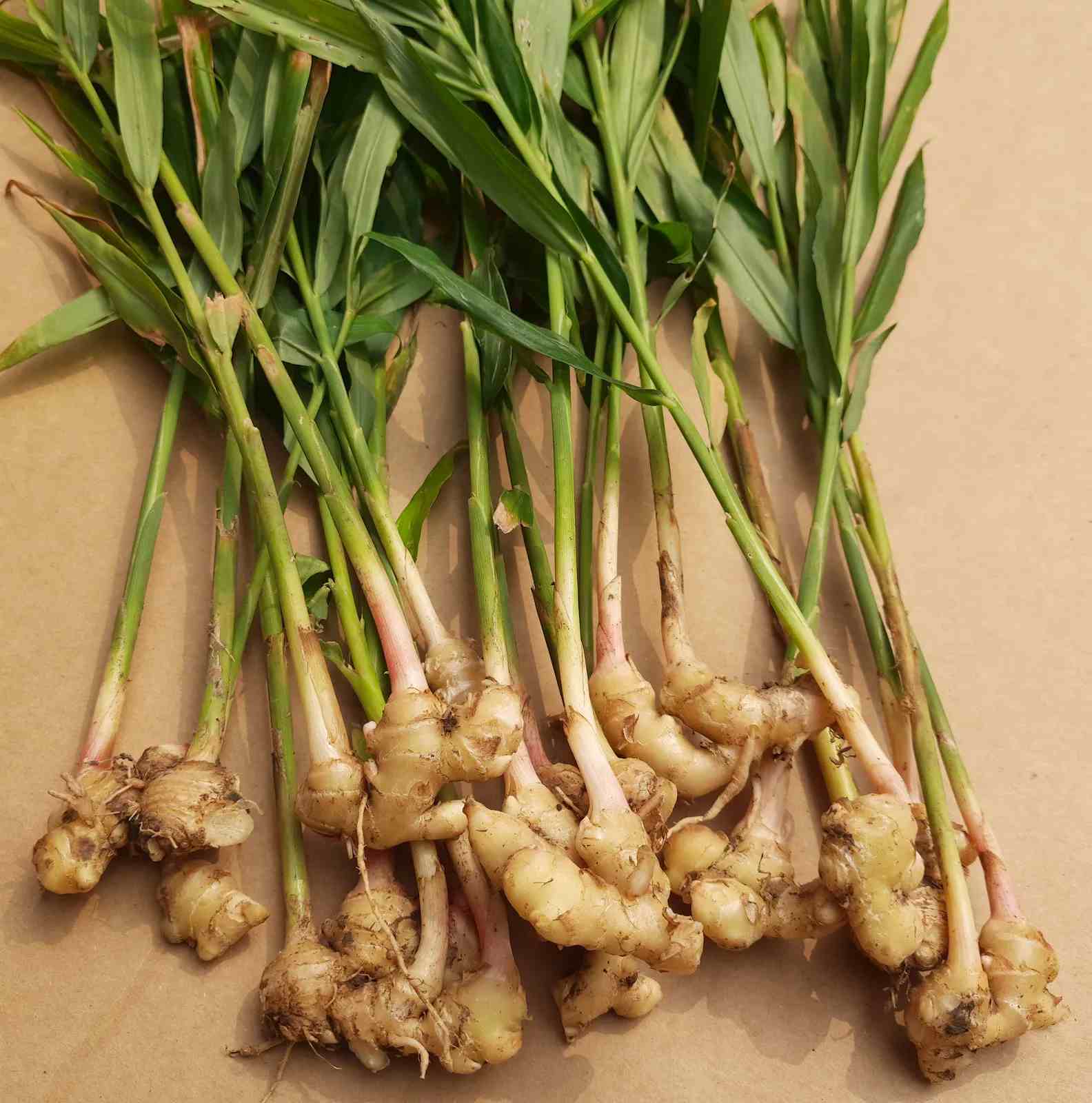
3. Turmeric
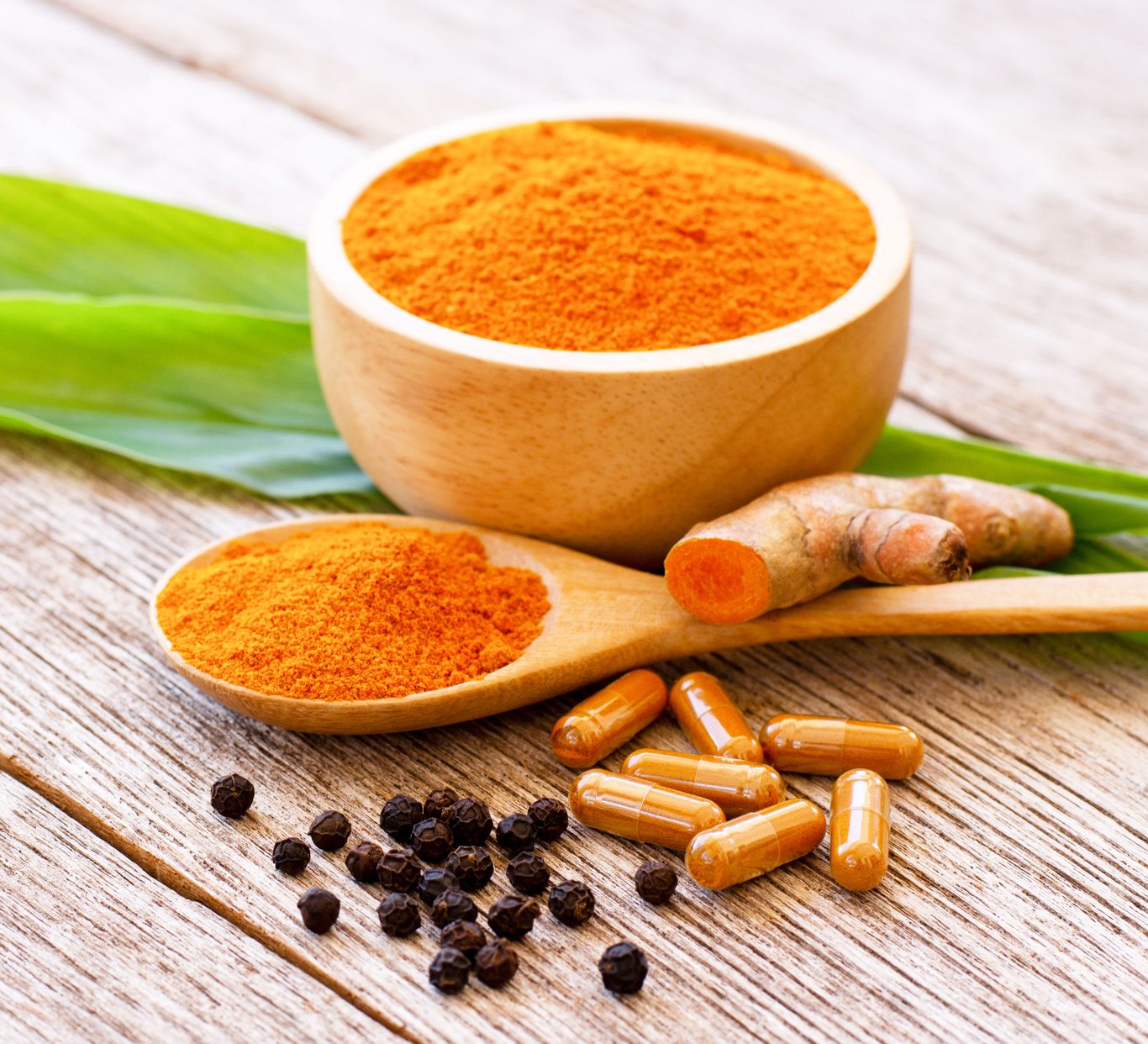
Curcumin — the active compound in turmeric — inhibits NF-kB, a master regulator of inflammation that becomes chronically activated with age. It activates Nrf2, upregulating the body antioxidant defence systems including glutathione. Curcumin has been shown to reduce amyloid plaques associated with Alzheimer disease and selectively eliminate senescent cells — making it one of the few natural compounds with genuine senolytic properties. Standard turmeric has poor bioavailability; look for products containing piperine or liposomal curcumin.
4. Leafy Green Vegetables
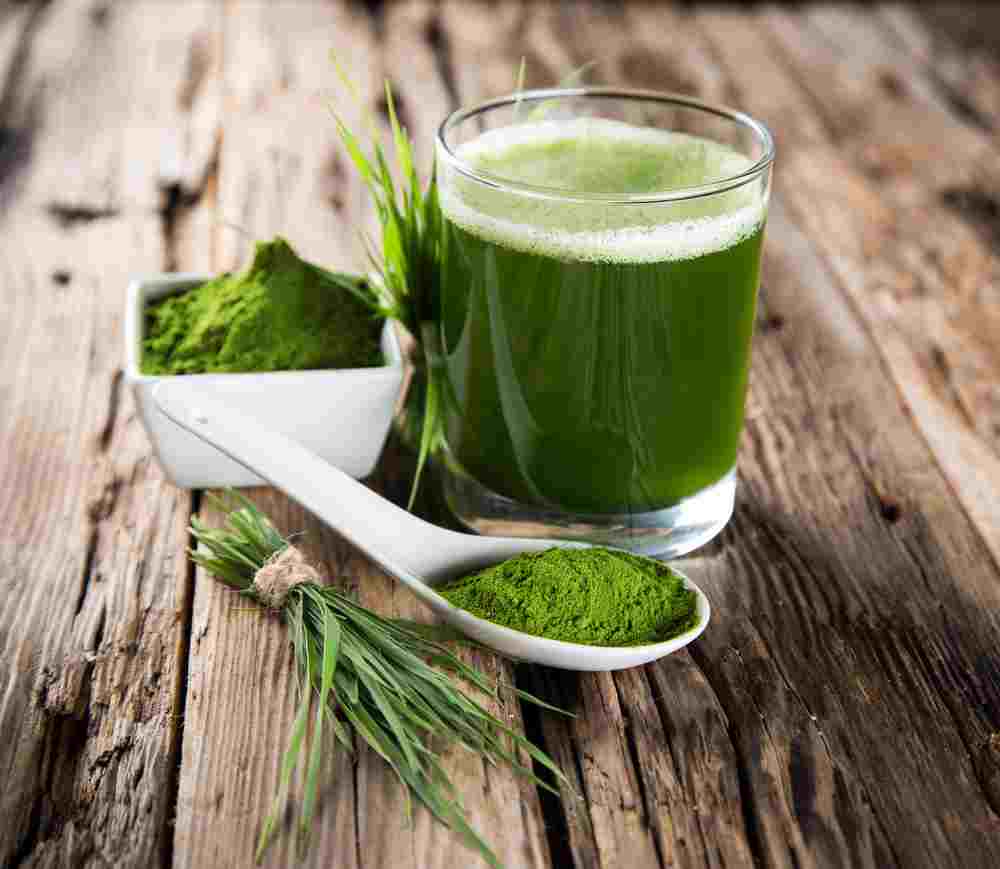
Spinach, kale and other dark leafy greens provide folate (essential for DNA methylation), vitamin K (critical for bone health and arterial calcification prevention), lutein and zeaxanthin (which protect against macular degeneration), and nitrates (which improve mitochondrial efficiency). A 2018 study in Neurology found people who ate one serving of leafy greens daily had brains that tested 11 years younger than those who ate none.
5. Moringa
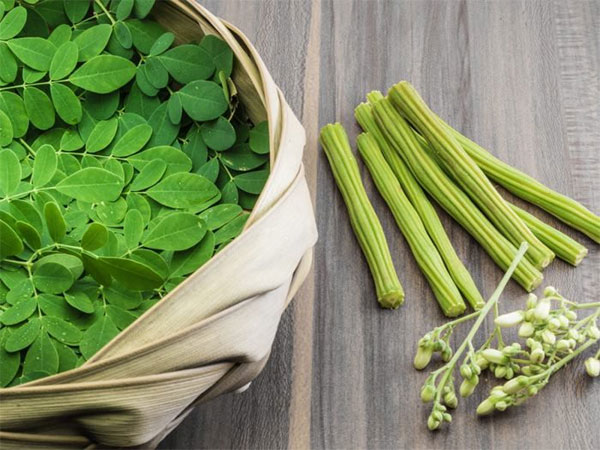
Moringa oleifera has emerged as one of the most nutrient-dense anti-aging superfoods. Gram for gram, moringa leaves contain more vitamin C than oranges, more calcium than milk, and more potassium than bananas. Its antioxidant profile includes quercetin, chlorogenic acid, and isothiocyanates — compounds that reduce oxidative stress, lower blood sugar, and suppress inflammatory cytokines. Research shows moringa leaf extract significantly reduces markers of oxidative stress in both animal and human studies.
6. Avocado
Avocados are rich in oleic acid — the monounsaturated fat central to Mediterranean diet longevity benefits. They are also an excellent source of glutathione, vitamin E, folate, and potassium. A pilot study in the Journal of Cosmetic Dermatology found daily avocado consumption over eight weeks significantly improved skin firmness and elasticity in women.
7. Green Tea
Green tea is one of the most researched longevity beverages. Japanese centenarian populations who drink 5-6 cups daily show lower rates of cardiovascular disease, type 2 diabetes, and cognitive decline. The key compound is EGCG (epigallocatechin gallate) — which activates AMPK, inhibits mTOR, and promotes autophagy, the cellular self-cleaning process.
8. Walnuts
Walnuts have high ALA omega-3 content along with ellagic acid — a polyphenol converted by gut bacteria into urolithin A, shown in 2025 research to improve mitochondrial quality and reduce cardiovascular aging markers. Regular nut consumption is associated with a 20% reduction in all-cause mortality in multiple large cohort studies.
9. Legumes
Legumes — beans, lentils, chickpeas — are the single most consistent dietary predictor of longevity across Blue Zone populations. Dr Dan Buettner found that across all five Blue Zones (Okinawa, Sardinia, Nicoya, Ikaria, and Loma Linda), legumes are a daily dietary staple. They provide resistant starch, plant-based protein, and polyphenols that reduce inflammation.
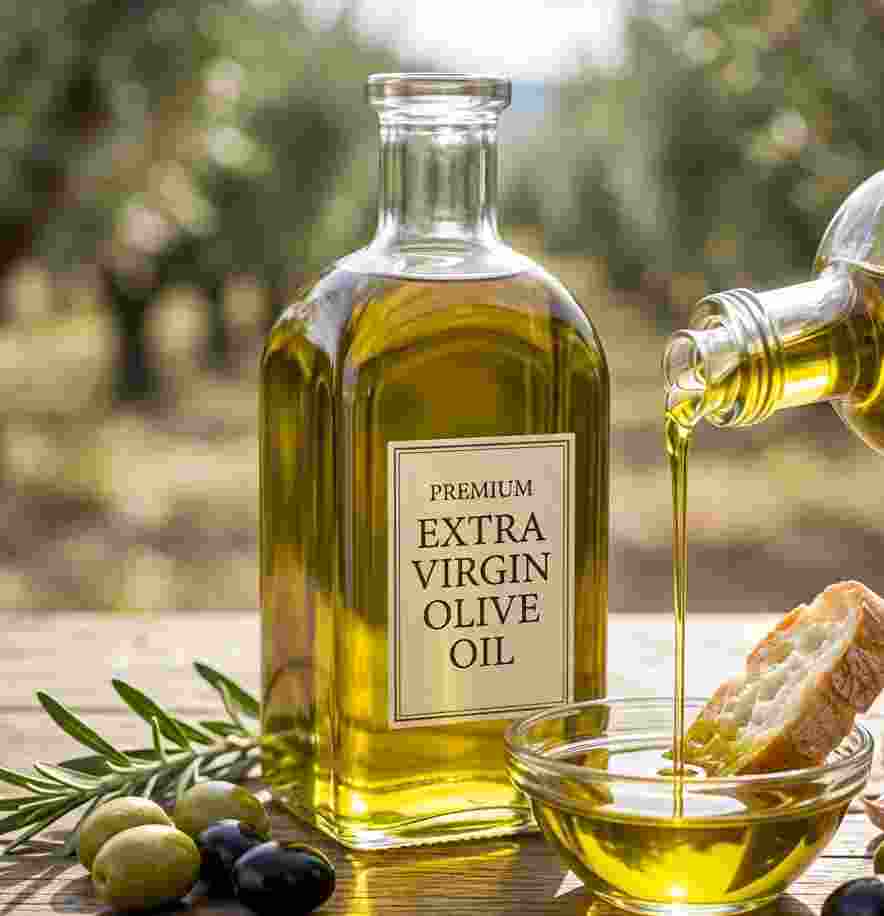
10. Extra Virgin Olive Oil
Extra virgin olive oil is arguably the most researched single food for longevity. The PREDIMED trial found that a Mediterranean diet supplemented with EVOO reduced major cardiovascular events by 30% compared to a low-fat diet. EVOO is rich in oleocanthal — a natural anti-inflammatory — and polyphenols that protect LDL from oxidation and reduce arterial inflammation.
Building an Anti-Aging Plate
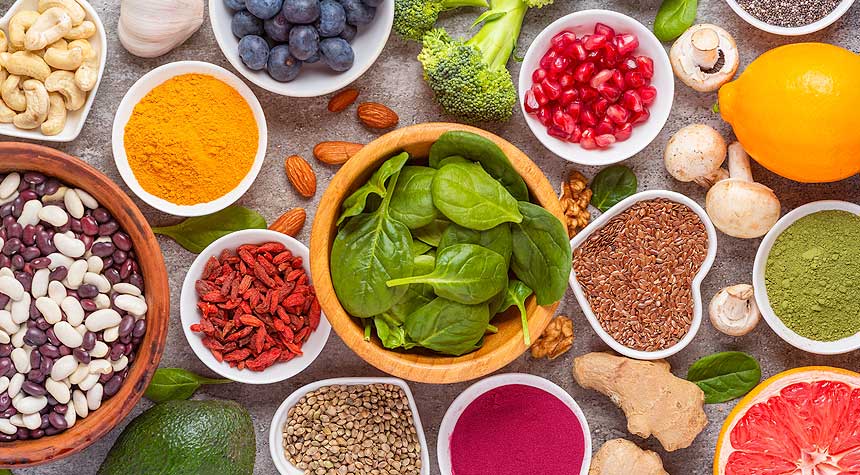
The most powerful approach focuses on overall dietary patterns rather than individual superfoods. A diet centred on vegetables, oily fish, legumes, whole grains, nuts, olive oil, and berries — with minimal processed food, refined sugar, and seed oils — addresses all the core mechanisms of biological aging simultaneously.
References & Further Reading
- Miller MG, et al. (2018). Dietary blueberry improves cognition among older adults in a randomized, double-blind, placebo-controlled trial. European Journal of Nutrition, 57(3), 1169–1180.
- Farzaneh-Far R, et al. (2010). Association of Marine Omega-3 Fatty Acid Levels With Telomeric Aging in Patients With Coronary Heart Disease. JAMA, 303(3), 250–257.
- Hatcher H, et al. (2008). Curcumin: From ancient medicine to current clinical trials. Cellular and Molecular Life Sciences, 65(11), 1631–1652.
- Morris MC, et al. (2018). Nutrients and bioactives in green leafy vegetables and cognitive decline. Neurology, 90(3), e214–e222.
- Stohs SJ, et al. (2015). A Review of the Metabolism and Toxicology of Moringa oleifera. Phytotherapy Research, 29(6), 796–804.
- Guasch-Ferre M, et al. (2017). Olive oil intake and risk of cardiovascular disease and mortality in the PREDIMED Study. BMC Medicine, 15, 45.
- Khan N & Mukhtar H. (2013). Tea and health: Studies in humans. Current Pharmaceutical Design, 19(34), 6141–6147.
- Buettner D. (2012). The Blue Zones: 9 Lessons for Living Longer. National Geographic Society.