Moringa for Anti-Aging: Benefits, Research and How to Use It
What is Moringa?
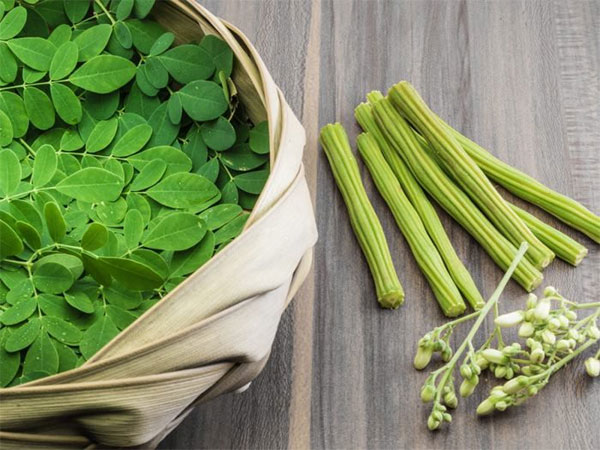
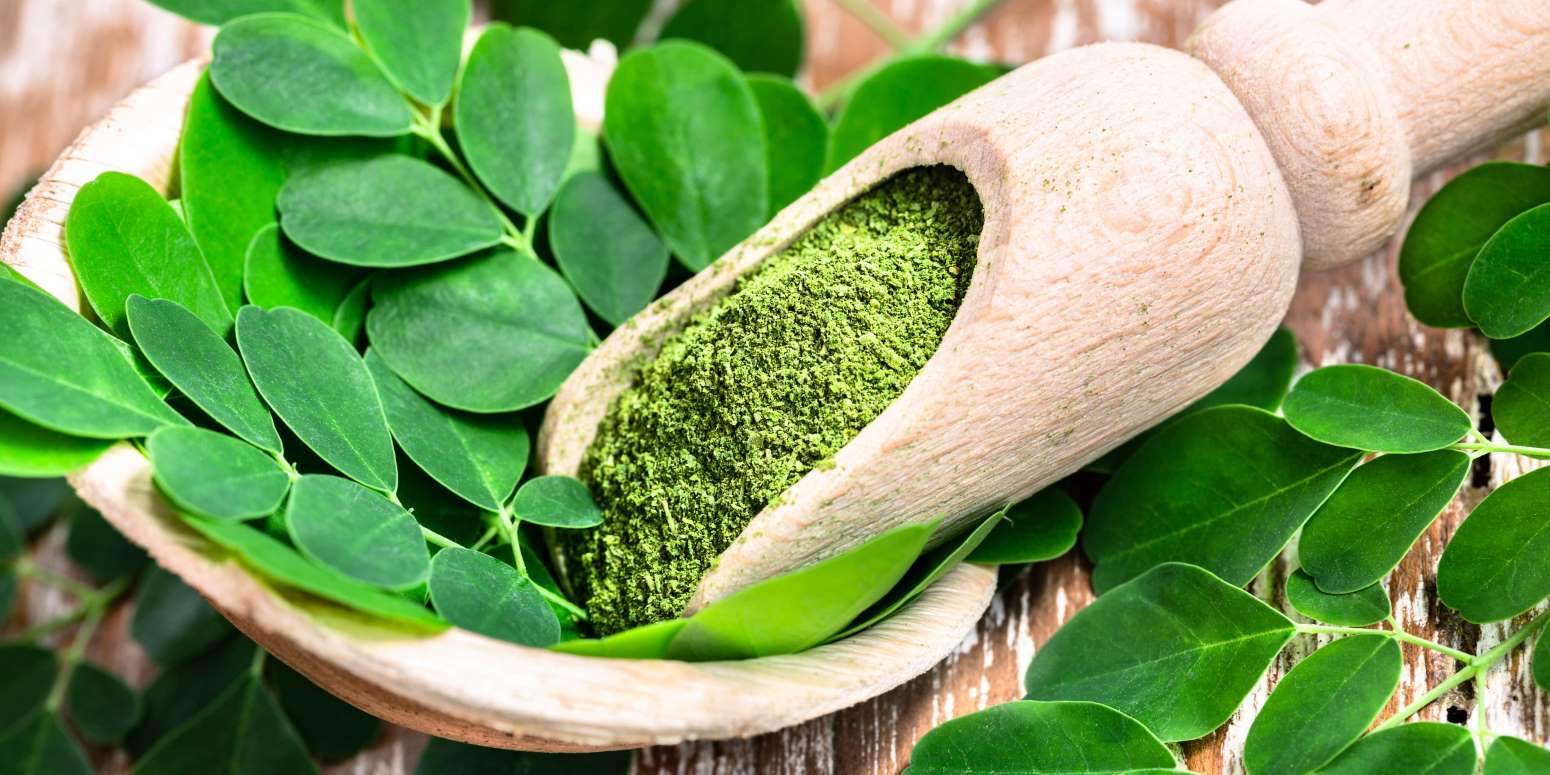
Moringa oleifera — commonly called the drumstick tree or moringa — is a fast-growing tree native to South Asia and sub-Saharan Africa, used in traditional medicine for thousands of years. Gram for gram, moringa leaf powder contains more vitamin C than oranges, more calcium than milk, more iron than spinach, and more potassium than bananas — making it one of the most micronutrient-dense whole foods ever identified.
Key Anti-Aging Compounds in Moringa
- Quercetin: One of the most potent natural antioxidants and anti-inflammatories, with senolytic activity — helping clear senescent cells that accumulate with age and drive chronic inflammation.
- Chlorogenic acid: Helps regulate blood sugar by slowing glucose absorption — directly addressing a key driver of metabolic aging.
- Isothiocyanates: Sulphur compounds that activate Nrf2, the master regulator of the body antioxidant defence systems, upregulating glutathione production.
- Beta-carotene: A precursor to vitamin A, essential for immune function, skin health, and cellular repair.
Research: Oxidative Stress
A study published in the Journal of Food Science and Technology found that moringa leaf supplementation significantly reduced markers of oxidative stress in patients with type 2 diabetes. The antioxidant activity of moringa powder measured at over 150 times that of vitamin C in some assays, reflecting its complex polyphenol and carotenoid content.
Research: Anti-Inflammatory Effects
Chronic inflammation — called inflammaging — is a primary driver of biological aging. Moringa contains multiple compounds that suppress pro-inflammatory cytokines including TNF-alpha, IL-1beta, and IL-6. A 2019 review in the journal Molecules concluded that moringa targets inflammation through several complementary pathways, making it a genuinely broad-spectrum anti-inflammatory food.
Research: Blood Sugar Regulation
Hyperglycaemia accelerates aging through glycation — where glucose molecules bind to proteins and damage them. Moringa has demonstrated significant blood sugar-lowering effects in multiple human studies. A clinical trial found daily moringa supplementation reduced fasting blood glucose by an average of 13.5% over three months in patients with elevated blood sugar.
Research: Skin Health
Moringa seed oil has been shown to protect against UV-induced oxidative damage, improve skin moisture retention, and reduce markers of skin aging. Vitamin C in the leaves supports collagen synthesis — the structural protein that maintains skin elasticity and firmness.
How to Use Moringa
A typical effective dose ranges from 1.5 to 7 grams per day — roughly half a teaspoon to a full teaspoon of powder. It has a mild, slightly earthy flavour that blends well in smoothies and soups. Capsules offer a convenient alternative. Add powder to foods after cooking to preserve more of the nutritional profile.
Safety Considerations
Moringa is generally well tolerated at typical doses. Root extracts should be avoided during pregnancy. Very high doses may have laxative effects. Consult a healthcare professional if taking diabetes or blood pressure medications, as moringa may have additive effects.
References & Further Reading
- Fahey JW. (2005). Moringa oleifera: A Review of the Medical Evidence for Its Nutritional, Therapeutic, and Prophylactic Properties. Trees for Life Journal, 1, 5.
- Sreelatha S & Padma PR. (2009). Antioxidant Activity and Total Phenolic Content of Moringa oleifera Leaves. Food and Chemical Toxicology, 47(9), 2196–2201.
- Jaja-Chimedza A, et al. (2017). Biochemical characterization and anti-inflammatory properties of isothiocyanate-enriched Moringa oleifera. PLOS ONE, 12(8), e0182658.
- Nambiar VS & Bhadalkar K. (2003). Drumstick leaves as a source of Vitamin A in ICDS-SFP. Journal of Human Ecology, 14(3), 195–199.
- Leone A, et al. (2015). Moringa oleifera Seeds and Oil: Characteristics and Uses for Human Health. International Journal of Molecular Sciences, 16(6), 12791–12835.
- Mbikay M. (2012). Therapeutic Potential of Moringa oleifera Leaves in Chronic Hyperglycemia and Dyslipidemia. Frontiers in Pharmacology, 3, 24.