CoQ10 and Magnesium for Anti-Aging: Mitochondrial Support Backed by Clinical Evidence
Why Mitochondrial Health Is Central to Anti-Aging
Mitochondria — the energy-producing organelles present in every cell except red blood cells — are not simply batteries. They are the metabolic control centres of the cell: regulating energy production (ATP synthesis), cellular signalling, calcium homeostasis, apoptosis, and oxidative stress. Mitochondrial dysfunction is one of the nine hallmarks of aging identified in the landmark 2013 review by López-Otín et al. in Cell — a causal driver of biological aging, not merely a consequence of it.
The mitochondria of a 70-year-old are measurably less efficient, more leaky, and more prone to generating damaging reactive oxygen species than those of a 25-year-old. This mitochondrial decline drives reduced energy production (fatigue, reduced exercise capacity), increased oxidative damage to DNA and proteins, impaired cellular signalling, and the chronic inflammatory state that underlies most age-related diseases. Two supplements — CoQ10 and magnesium — address this decline through complementary mechanisms with strong clinical evidence behind each.
CoQ10: The Essential Mitochondrial Electron Carrier
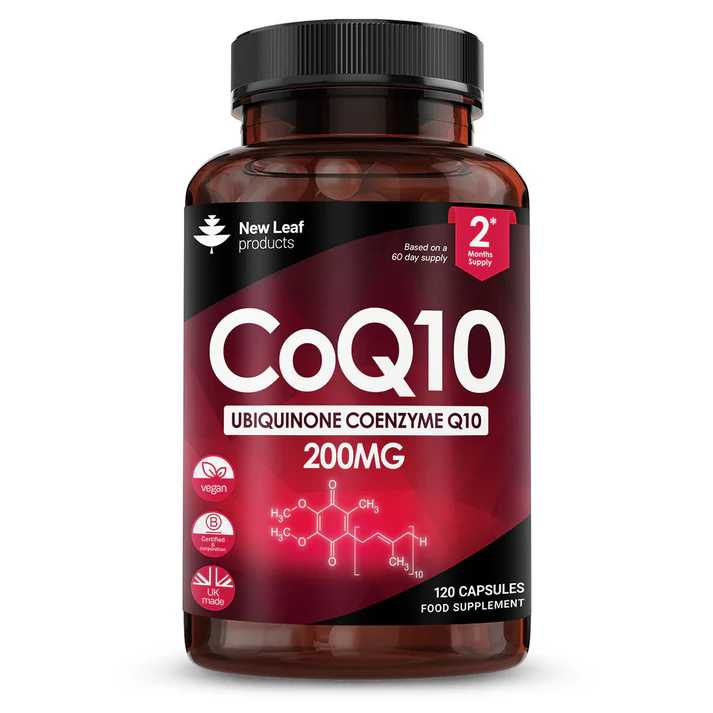
Coenzyme Q10 (CoQ10, ubiquinone) is a fat-soluble, vitamin-like compound present in every cell — with the highest concentrations in energy-demanding tissues: the heart, liver, skeletal muscle, and kidneys. Its role in mitochondria is essential and irreplaceable:
- Electron transport chain function: CoQ10 is the mobile electron carrier in the mitochondrial inner membrane — shuttling electrons from Complexes I and II to Complex III in the respiratory chain. Without CoQ10, ATP synthesis stops. There is no substitute in this pathway
- Antioxidant: CoQ10 is one of the only fat-soluble antioxidants the body synthesises. Its reduced form (ubiquinol) directly quenches reactive oxygen species in mitochondrial membranes — the primary site of oxidative damage in aging
The Age-Related Decline
CoQ10 synthesis peaks in the early 20s and declines steadily thereafter. By age 80, cardiac tissue CoQ10 levels are approximately 58% lower than at peak; skeletal muscle approximately 35% lower. This is not a minor change — it represents a profound reduction in the substrate required for both ATP production and mitochondrial antioxidant protection.
Two additional factors compound this decline: statin drugs (prescribed to approximately 25% of adults over 45 in the UK) inhibit the mevalonate pathway that produces both cholesterol and CoQ10 — reducing blood CoQ10 levels by 40–50% in statin users. This is mechanistically relevant to the muscle pain (myalgia) reported by 5–10% of statin users, and is the basis for the clinical rationale for CoQ10 supplementation in statin-treated patients.
Clinical Evidence for CoQ10
- Heart failure — Q-SYMBIO trial (2014, JACC Heart Failure): 420 patients with moderate-to-severe heart failure randomised to CoQ10 300mg/day or placebo for 2 years. The CoQ10 group had a 43% lower rate of major adverse cardiovascular events (MACE) and significantly lower all-cause mortality. This is Phase III RCT evidence placing CoQ10 among the most evidence-backed cardiac supplements available
- Exercise performance: Multiple RCTs show CoQ10 supplementation (200–300mg/day) improves peak exercise capacity, reduces exercise-induced oxidative damage, and accelerates post-exercise recovery — consistent with improved mitochondrial electron transport efficiency
- Statin myopathy: Meta-analyses show CoQ10 supplementation reduces statin-associated muscle pain symptoms in approximately 60% of affected patients — a clinically meaningful finding for a common adverse effect affecting millions of statin users
- Mitochondrial disease: CoQ10 is a standard-of-care treatment for primary CoQ10 deficiency and mitochondrial disease — the clinical analogue for broader anti-aging mitochondrial support
Ubiquinol vs Ubiquinone: Which Form?
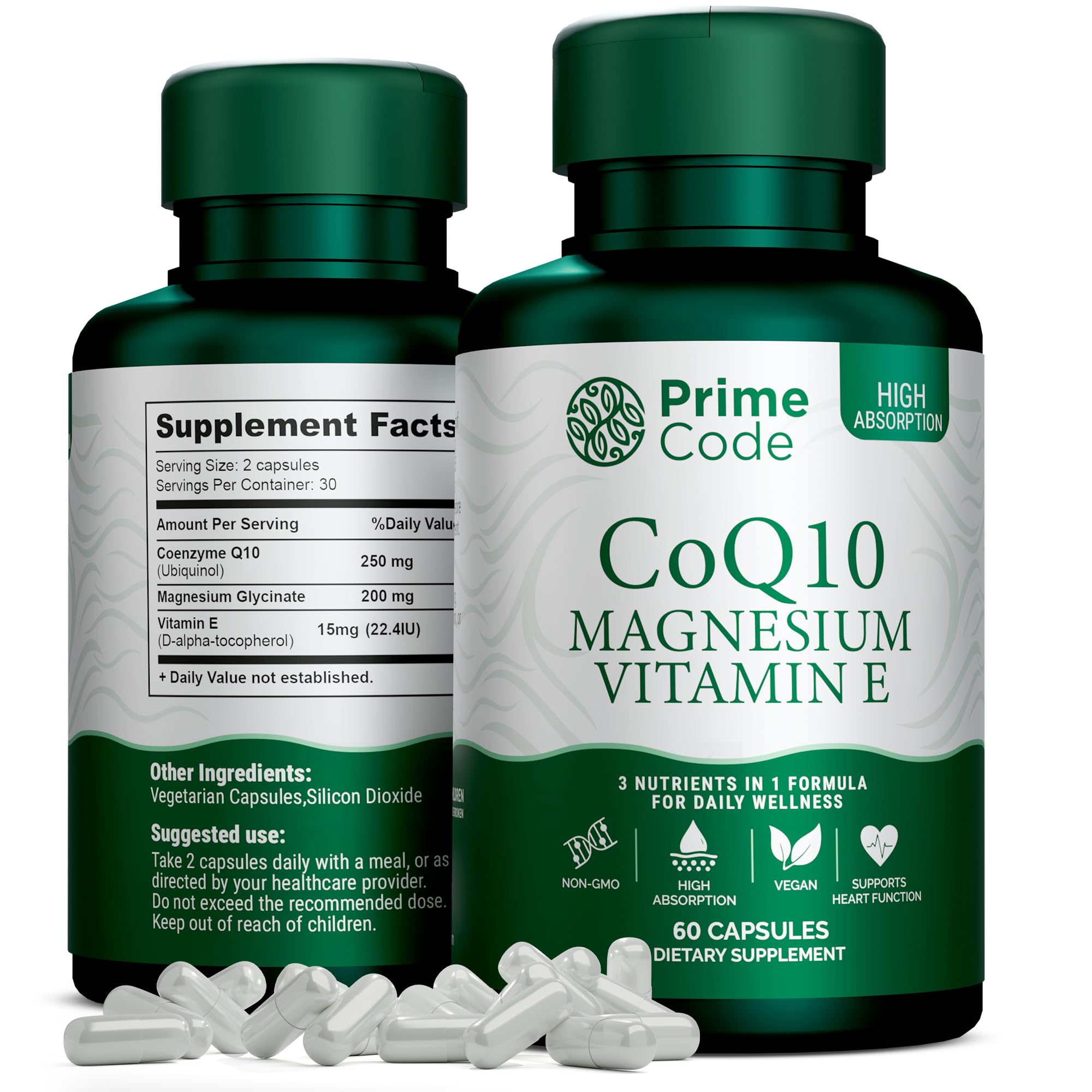
CoQ10 exists in two forms: ubiquinone (oxidised) and ubiquinol (reduced, active antioxidant). Ubiquinol has approximately 3–5 fold higher oral bioavailability than ubiquinone in older adults, whose declining reduction capacity makes converting ubiquinone to ubiquinol less efficient. For adults over 40, ubiquinol is the preferred form. For younger adults, ubiquinone is adequately converted and is more cost-effective.
Dose: 100–300mg daily for general anti-aging support; 300mg for cardiovascular support or statin co-supplementation. Take with a fatty meal — CoQ10 is fat-soluble.
Magnesium: The Mitochondrial Mineral
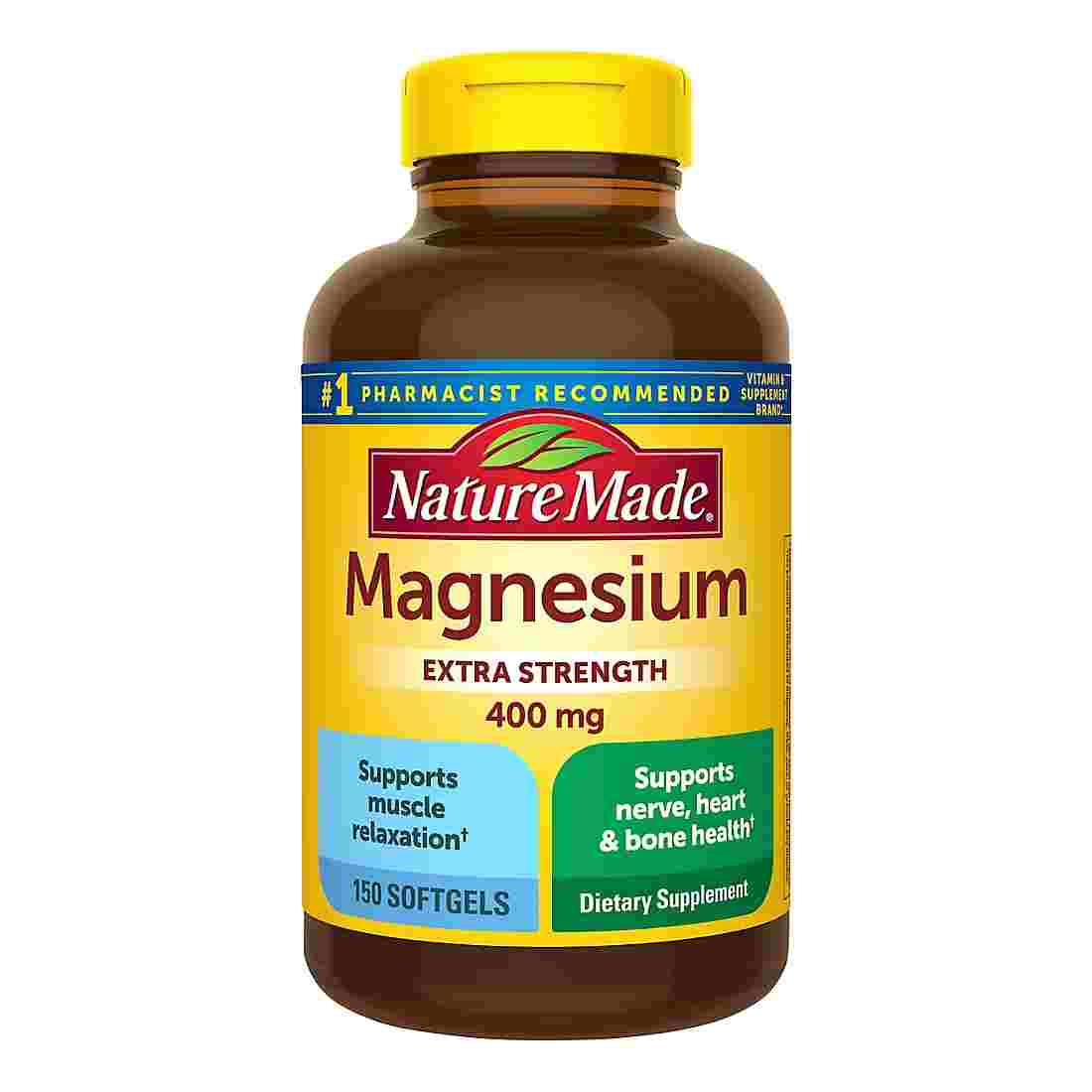
Magnesium is the fourth most abundant mineral in the body and the cofactor for over 300 enzymatic reactions — including every step of ATP synthesis. A molecule of ATP in the cell does not exist as free ATP — it is bound to magnesium (as Mg-ATP). Without adequate magnesium, the cell cannot produce, use, or transfer energy effectively. Magnesium deficiency is therefore a direct driver of mitochondrial dysfunction.
The scale of the deficiency problem is underappreciated: NHANES data consistently shows that approximately 50–60% of US adults consume below the RDA for magnesium, and serum magnesium (the standard clinical test) is a poor indicator of intracellular status — deficiency can exist with normal serum levels. Age compounds this: renal magnesium reabsorption declines with age, insulin resistance (increasingly common with age) impairs magnesium retention, and many medications (diuretics, PPIs) deplete magnesium further.
Clinical Evidence for Magnesium
- Cardiovascular aging: A meta-analysis of 40 prospective cohort studies confirmed higher dietary magnesium intake significantly associated with lower risk of cardiovascular disease (RR 0.78), coronary heart disease (RR 0.85), and stroke (RR 0.78). Blood pressure meta-analyses find magnesium supplementation reduces systolic blood pressure by 2–3 mmHg — modest but consistent
- Type 2 diabetes prevention: A systematic review found higher magnesium intake associated with 23% lower T2DM risk per 100mg/day increment — consistent with magnesium's central role in insulin signalling and glucose transporter function
- Sleep quality: A 2012 RCT in older adults found magnesium glycinate supplementation significantly improved sleep efficiency, sleep time, sleep onset latency, and early morning awakening scores — relevant to anti-aging given sleep's central role in cellular repair and amyloid clearance
- Muscle function: RCTs consistently show magnesium supplementation improves muscle strength and grip strength in deficient older adults — a direct functional anti-aging outcome
- Anxiety and stress: A systematic review of 18 RCTs confirmed magnesium supplementation produces modest but significant reductions in subjective anxiety and stress — particularly in individuals with elevated stress and poor baseline magnesium status
The Best Forms of Magnesium
Magnesium supplement forms vary dramatically in bioavailability and clinical application:
- Magnesium glycinate: Highest bioavailability, minimal laxative effect — best for sleep, anxiety, and general supplementation
- Magnesium malate: Well-absorbed, energising — particularly suitable for fatigue and muscle function support
- Magnesium threonate: The only form demonstrated to cross the blood-brain barrier efficiently — supported by cognitive and sleep studies specifically
- Magnesium oxide: Cheapest, poorly absorbed (<10%) — primarily useful as a laxative, not for magnesium repletion
- Magnesium citrate: Good bioavailability, mild laxative effect — appropriate for constipation but less ideal for general anti-aging supplementation
Dose: 200–400mg elemental magnesium daily. The RDA is 400mg for men and 310–320mg for women. Take in the evening with food — the calming effects complement sleep quality goals.
The CoQ10 + Magnesium Stack
CoQ10 and magnesium address mitochondrial function from two complementary angles — CoQ10 optimising electron transport efficiency and antioxidant protection within the mitochondria, magnesium ensuring the enzymatic machinery for ATP production has its essential cofactor. Neither replaces the other. Together they represent a foundational mitochondrial support protocol that addresses the primary drivers of age-related energy decline and oxidative damage in a clinically well-evidenced combination.
References & Further Reading
- Mortensen SA, et al. (2014). Q-SYMBIO trial: CoQ10 in heart failure. JACC Heart Failure, 2(6), 641–649.
- Sarmiento A, et al. (2016). CoQ10 supplementation and exercise performance: meta-analysis. Nutrition, 32(7), 801–807.
- López-Otín C, et al. (2013). The hallmarks of aging. Cell, 153(6), 1194–1217.
- Qu X, et al. (2013). Magnesium and cardiovascular disease — meta-analysis of 40 cohort studies. PLOS ONE, 8(3), e55875.
- Abbasi B, et al. (2012). Magnesium supplementation and insomnia in the elderly. Journal of Research in Medical Sciences, 17(12), 1161–1169.
- Nielsen FH & Lukaski HC. (2006). Update on the relationship between magnesium and exercise. Magnesium Research, 19(3), 180–189.