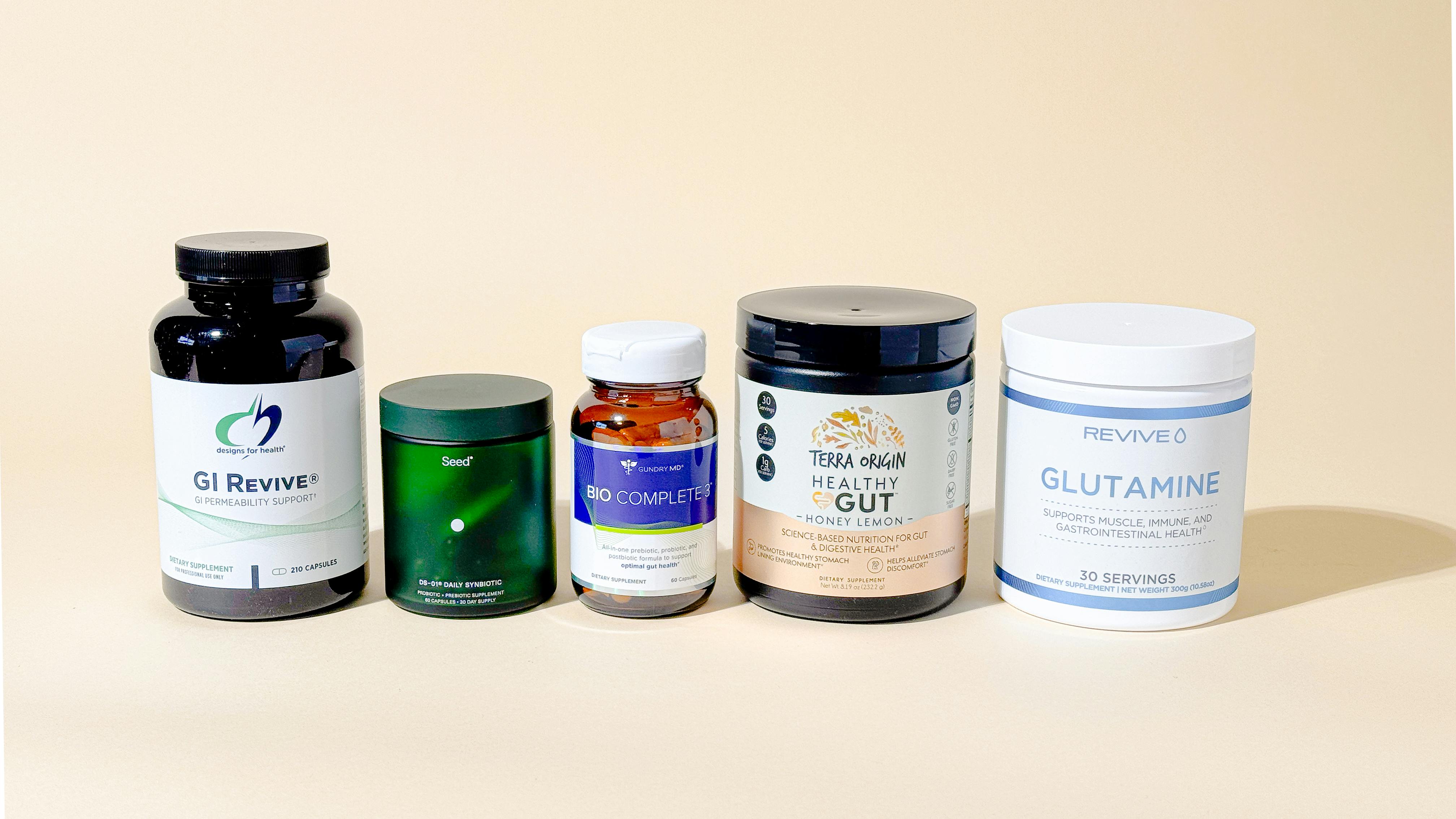
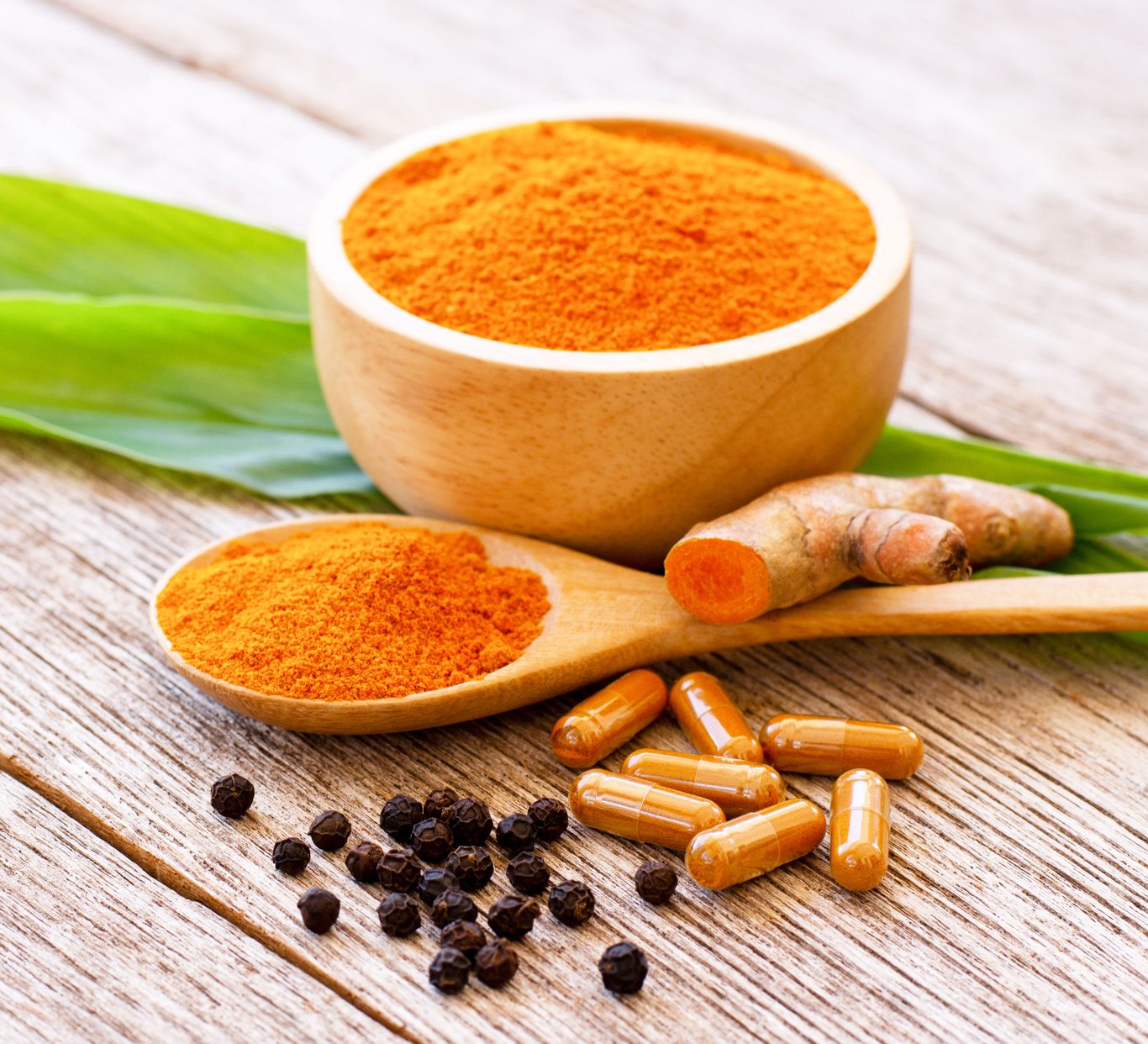
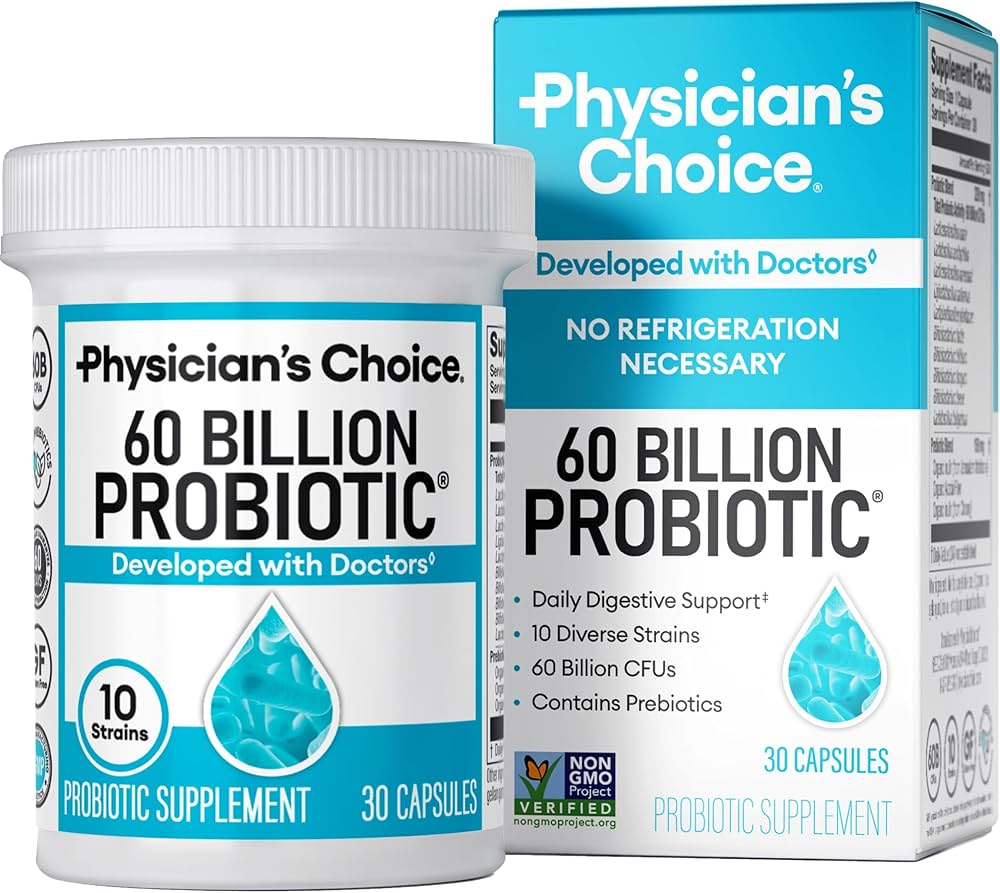
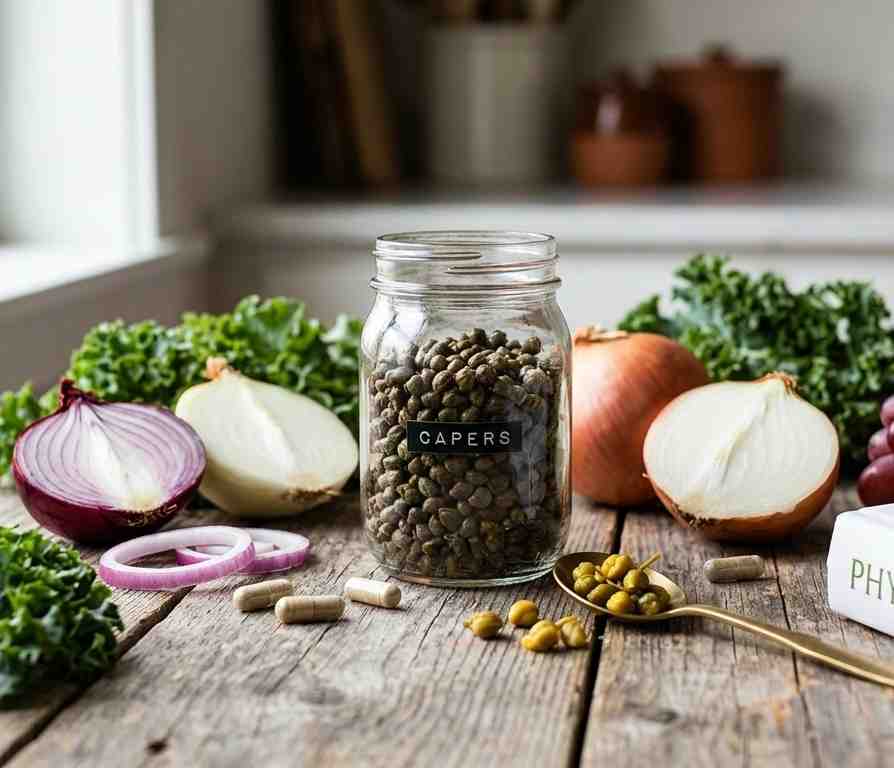
The gut health supplement market is one of the fastest-growing in the natural health sector — but it is also one of the most variable in product quality and evidence quality. A probiotic supplement labelled with billions of CFUs means little if the strains are not evidenced for your specific condition, cannot survive gastric transit, or have insufficient dose relative to the clinical evidence. Understanding which supplements are backed by robust human data — and which are not — is the difference between meaningful gut health intervention and expensive placebo.
The most clinically developed category is probiotic supplements. A three-level meta-analysis of 72 randomised controlled trials covering 8,581 IBS patients (Chen et al.) found probiotics significantly outperformed placebo for overall IBS symptoms, abdominal pain, and quality of life — with Bacillus and Bifidobacterium strains showing the strongest effects. A separate meta-analysis of 46 probiotic and 22 prebiotic studies confirmed that both significantly improve intestinal permeability markers ("leaky gut") versus placebo. These are not marginal effects — the evidence base for specific probiotic strains in specific conditions is now comparable to some pharmaceutical interventions for gut disorders.
The gut health supplement landscape breaks into five main categories: probiotics (live bacteria and yeasts), prebiotics (fermentable fibres that feed beneficial bacteria), synbiotics (combined probiotic + prebiotic products), postbiotics (bioactive compounds produced by bacteria), and gut repair nutrients (L-glutamine, zinc carnosine, collagen, slippery elm — targeting intestinal permeability directly). Each category has a distinct mechanism and evidence profile — and crucially, strain and dose specificity matters enormously for probiotics. LGG for antibiotic-associated diarrhoea, Bifidobacterium longum 35624 for IBS, Saccharomyces boulardii for C. difficile prevention, and L. plantarum 299v for leaky gut are not interchangeable — the evidence is strain-specific, not genus-specific.
This guide covers the evidence for each supplement category, the most-evidenced individual strains and products, practical dosing protocols for common gut health goals, and what to look for on labels to distinguish genuine quality from marketing claims.