Mushroom
Lions Mane Mushroom
Unique nootropic mushroom that stimulates nerve growth factor and cognitive function.
Unique nootropic mushroom that stimulates nerve growth factor and cognitive function.
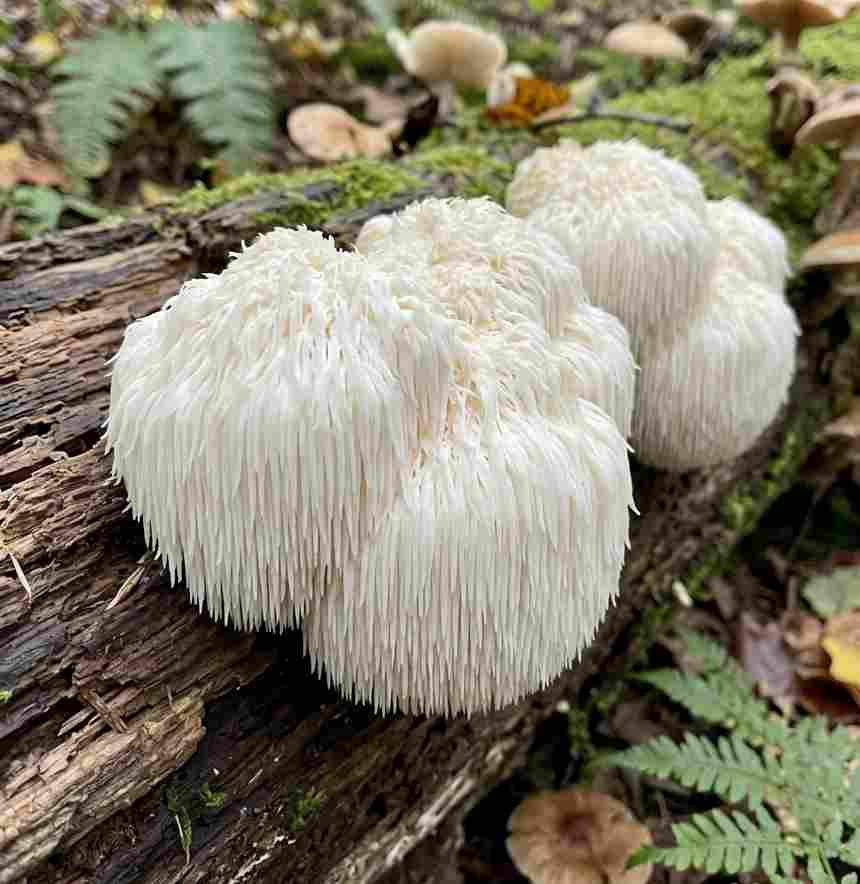
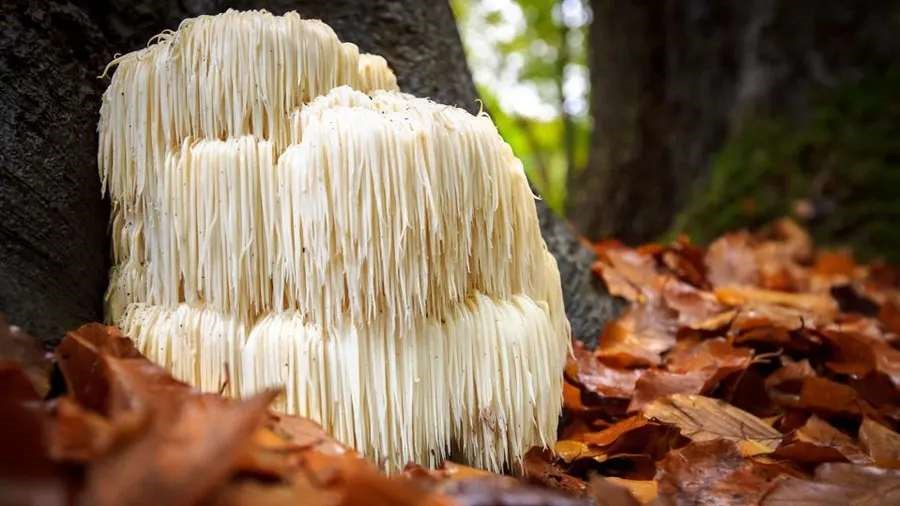
Lion mane (Hericium erinaceus) is a large, white, shaggy mushroom native to North America, Europe, and Asia that resembles a lion mane as it grows. It has a long history of use in traditional Chinese and Japanese medicine — particularly for supporting digestion, the nervous system, and cognitive function. Buddhist monks reportedly consumed it to sharpen focus during meditation.
In modern neuroscience research, lion mane has emerged as one of the most exciting natural nootropics — and the only known food source of compounds that stimulate Nerve Growth Factor (NGF) and Brain-Derived Neurotrophic Factor (BDNF) synthesis in the brain.
Nerve Growth Factor (NGF) is a protein essential for the growth, maintenance, and survival of neurons. It promotes neuroplasticity — the brain ability to form new connections and adapt to new information. NGF declines with age, and low NGF levels are associated with cognitive decline and neurodegenerative conditions.
Lion mane contains two unique classes of compounds — hericenones (from the fruiting body) and erinacines (from the mycelium) — that have been shown to cross the blood-brain barrier and stimulate NGF synthesis in the brain. This is a mechanism not found in any other commonly consumed food or supplement.
A landmark double-blind, placebo-controlled trial published in Phytotherapy Research followed 30 older adults with mild cognitive impairment. Those taking lion mane powder (3g daily) for 16 weeks showed significantly improved cognitive function scores compared to placebo. Scores declined when supplementation was stopped, suggesting active ongoing neurological support.
Laboratory research has shown that erinacines promote the differentiation of neural stem cells into neurons — a process called neurogenesis that was long thought impossible in adult brains. Animal studies have also shown lion mane to protect against amyloid beta toxicity relevant to Alzheimer disease.
A randomised trial published in Biomedical Research found that women taking lion mane cookies for 4 weeks reported significantly reduced anxiety, irritability, and depression scores compared to placebo — an effect attributed to NGF-mediated hippocampal support.
Animal research has shown lion mane erinacines promote regeneration of peripheral nerve fibres — suggesting potential applications for neuropathy and nerve damage repair.
This is the most important quality distinction when buying lion mane. Hericenones (the most potent NGF-stimulating compounds) are found primarily in the fruiting body. Many cheaper products use mycelium grown on grain — which has far lower concentrations of active compounds and high starch content. Always look for products that specify 100% fruiting body or state the beta-glucan content (minimum 25%).
Typical research dose: 500mg-3g daily of a standardised fruiting body extract. Take consistently — benefits accumulate over weeks of regular use.
In-depth science-based articles about this product
Lion's Mane is marketed as a nootropic on the strength of its nerve growth factor mechanism. The one...
Lion's Mane stimulates nerve growth factor in the brain's anxiety-regulating circuits, supports the...
Lion's Mane contains hericenones and erinacines that stimulate nerve growth factor in the enteric ne...
Learn more about how Lions Mane Mushroom supports these health areas