Prebiotics, L-Glutamine, and Leaky Gut Supplements: What the Evidence Shows
Intestinal permeability — popularly known as "leaky gut" — describes a condition where the tight junctions between intestinal epithelial cells become compromised, allowing bacterial components (lipopolysaccharides, endotoxins) to translocate into the bloodstream and trigger systemic inflammation. While "leaky gut" as a popular concept has been overhyped, intestinal permeability as a measurable biological parameter is real, clinically significant, and increasingly linked to IBS, IBD, metabolic syndrome, liver disease, and chronic inflammatory conditions. Addressing it nutritionally is a legitimate therapeutic target.
Prebiotics — Feeding the Bacteria That Repair Your Gut
Prebiotics are selectively fermentable fibres that feed beneficial gut bacteria (primarily Bifidobacterium and Lactobacillus species) — stimulating their growth and metabolic activity. Unlike probiotics, prebiotics survive gastric transit intact and reach the colon where gut bacteria reside. The most-evidenced prebiotic types:
- Inulin and Fructooligosaccharides (FOS): Found naturally in chicory root, Jerusalem artichoke, garlic, leek, and onion. Two meta-analyses confirm inulin/FOS supplementation significantly increases Bifidobacterium levels in the gut. A 2025 meta-analysis of 46 human studies confirmed prebiotics significantly improve intestinal permeability markers versus placebo
- Galactooligosaccharides (GOS): Found in human breast milk and added to infant formula; GOS has the strongest RCT evidence for reducing infant colic and IBS-D symptoms in adults
- Beta-glucan: From oats and mushrooms; beyond microbiome effects, beta-glucan is a confirmed immune modulator (activates natural killer cells and macrophages via Dectin-1 receptor)
Caution with prebiotics in IBS: High-dose prebiotic supplementation can worsen IBS symptoms initially — particularly gas and bloating — because rapid fermentation produces gas. Start at 2–3g/day and increase gradually over 2–4 weeks. Those with SIBO (small intestinal bacterial overgrowth) should approach prebiotics with caution.
L-Glutamine — Primary Intestinal Epithelial Fuel
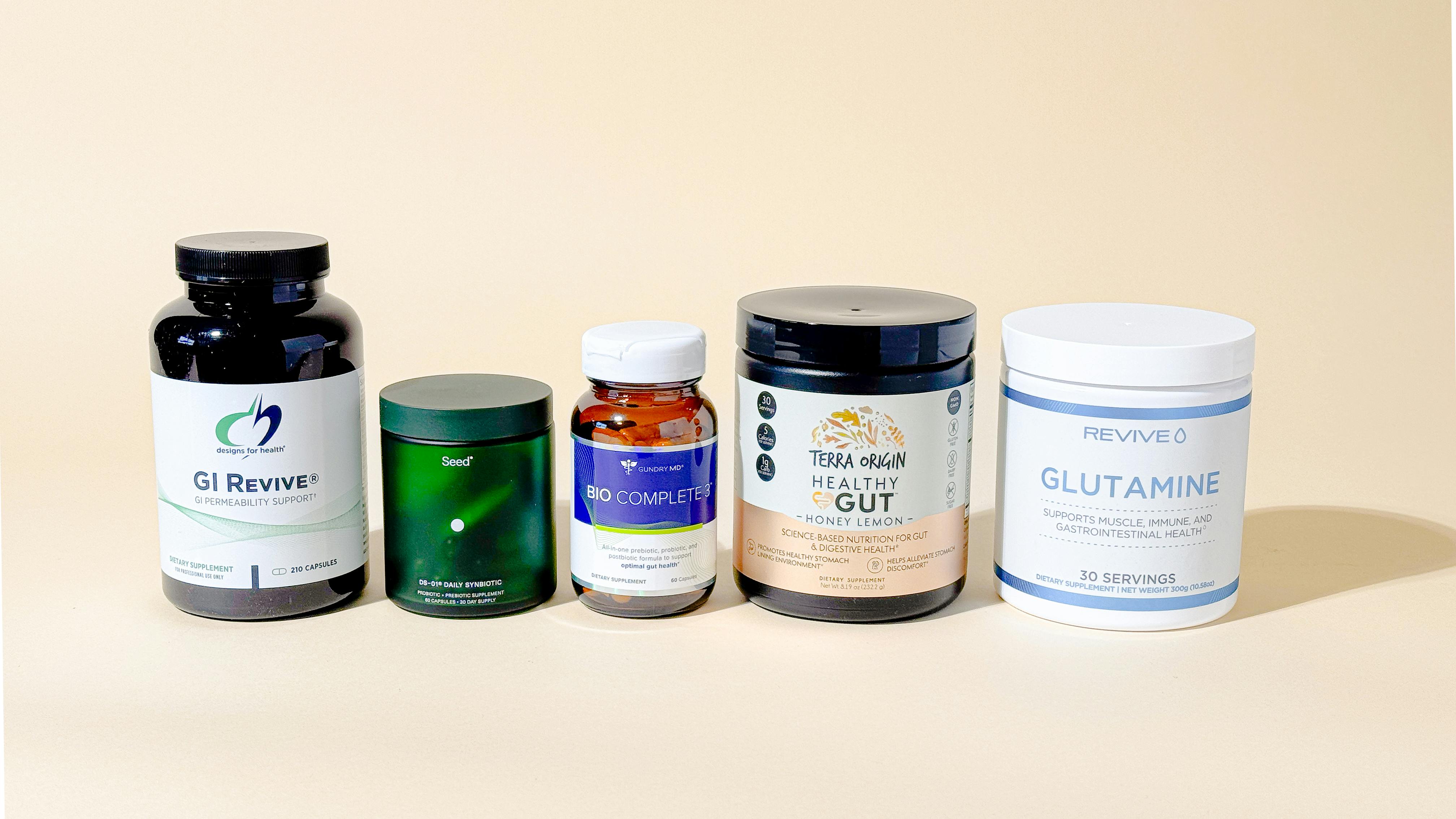
L-glutamine is the most abundant amino acid in the body and the primary energy substrate for intestinal epithelial cells (enterocytes). Unlike most body cells that run on glucose, enterocytes preferentially oxidise glutamine — making it the cellular fuel that powers intestinal barrier maintenance and repair. When glutamine levels are insufficient (as occurs under physiological stress, illness, or poor nutrition), intestinal epithelial renewal slows and tight junction integrity deteriorates.
Clinical evidence: L-glutamine supplementation (5–10g/day) has been used in critical care medicine for over 30 years to reduce gut barrier breakdown in hospitalised patients. In outpatient gut health settings, RCTs show glutamine supplementation at 5g three times daily reduces intestinal permeability (measured by lactulose:mannitol ratio) in IBS patients. A specific RCT in post-infectious IBS found glutamine supplementation reduced IBS symptom severity score and normalised intestinal permeability markers after 8 weeks.
Practical dose: 5g mixed in water 3x daily (5–15g total), ideally between meals when enterocytes are not competing with digestion for glutamine. Widely available as unflavoured powder.
Zinc Carnosine — Gastric Mucosal Repair
Zinc carnosine (a chelate of zinc and L-carnosine) was developed in Japan specifically for gastric mucosal repair and has Phase II clinical trial data supporting its use. It adheres preferentially to damaged gastric and intestinal mucosal tissue, delivering zinc and carnosine directly to damaged areas. Human RCTs demonstrate accelerated healing of gastric ulcers, significant reduction in NSAID-induced intestinal permeability (a common issue for ibuprofen and aspirin users), and improved H. pylori eradication rates as an adjunct to antibiotic therapy.
A double-blind trial found zinc carnosine supplementation (75mg twice daily) significantly reduced gut permeability increases caused by indomethacin (NSAID) versus placebo — a meaningful finding for the large number of people taking regular NSAIDs for pain management.
Practical dose: 75mg twice daily (as used in clinical trials). Available as PepZin GI® in most markets.
Butyrate Supplements — Directly Feeding the Intestinal Wall
Butyrate is the primary energy source for colonocytes (large intestinal cells) and a powerful epigenetic modulator that suppresses NF-kB inflammation. While butyrate is normally produced by gut bacteria fermenting dietary fibre, dysbiosis or low-fibre diets reduce butyrate production — leaving the intestinal wall starved of its primary fuel and triggering inflammatory cascades. Supplemental butyrate (as sodium butyrate, calcium/magnesium butyrate, or tributyrin) bypasses the need for microbial fermentation and delivers butyrate directly. Clinical studies show butyrate supplementation reduces intestinal permeability, improves IBS-C symptoms, and reduces colonic inflammation in mild-to-moderate ulcerative colitis.
Practical dose: 150–600mg sodium butyrate or tributyrin daily. Enteric-coated capsules preferred to improve delivery to the colon rather than being absorbed in the small intestine.
Effective Gut Repair Stack
Based on mechanistic rationale and clinical evidence, the following combination targets leaky gut through complementary mechanisms:
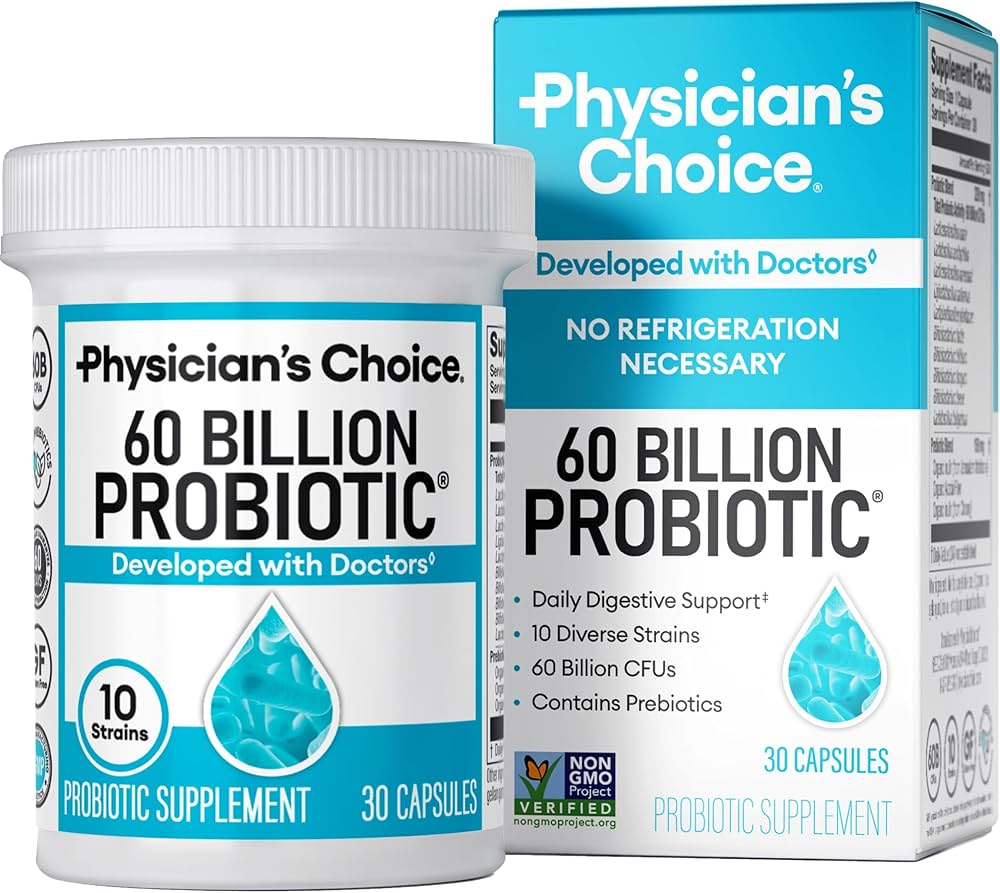
- Probiotic (strain-specific): L. plantarum 299v or Bifidobacterium longum 35624 — direct barrier strengthening
- Prebiotic: Inulin 3–5g/day — feeds beneficial bacteria producing SCFAs
- L-glutamine: 5g x 3 daily — epithelial fuel and tight junction maintenance
- Zinc carnosine: 75mg x 2 daily — mucosal adhesion and repair
- Butyrate: 300mg enteric-coated daily — direct colonocyte fuel
Run this protocol for 8–12 weeks alongside elimination of ultra-processed foods, excess alcohol, and NSAID overuse — the primary dietary drivers of intestinal permeability.
References
- Ghorbani Z, et al. (2025). Probiotics, synbiotics, prebiotics on intestinal permeability: 68-study meta-analysis. ScienceDirect.
- Holgate ST. (2023). L-glutamine and post-infectious IBS intestinal permeability: RCT. Am J Clin Nutr.
- Mahmood A, et al. Zinc carnosine reduces NSAID-induced intestinal permeability: double-blind trial. Gut.
- PMC Review. (2023). Leaky gut and the ingredients that help treat it. PMC9862683.