Best Probiotic Supplements for Gut Health: A Strain-by-Strain Evidence Guide
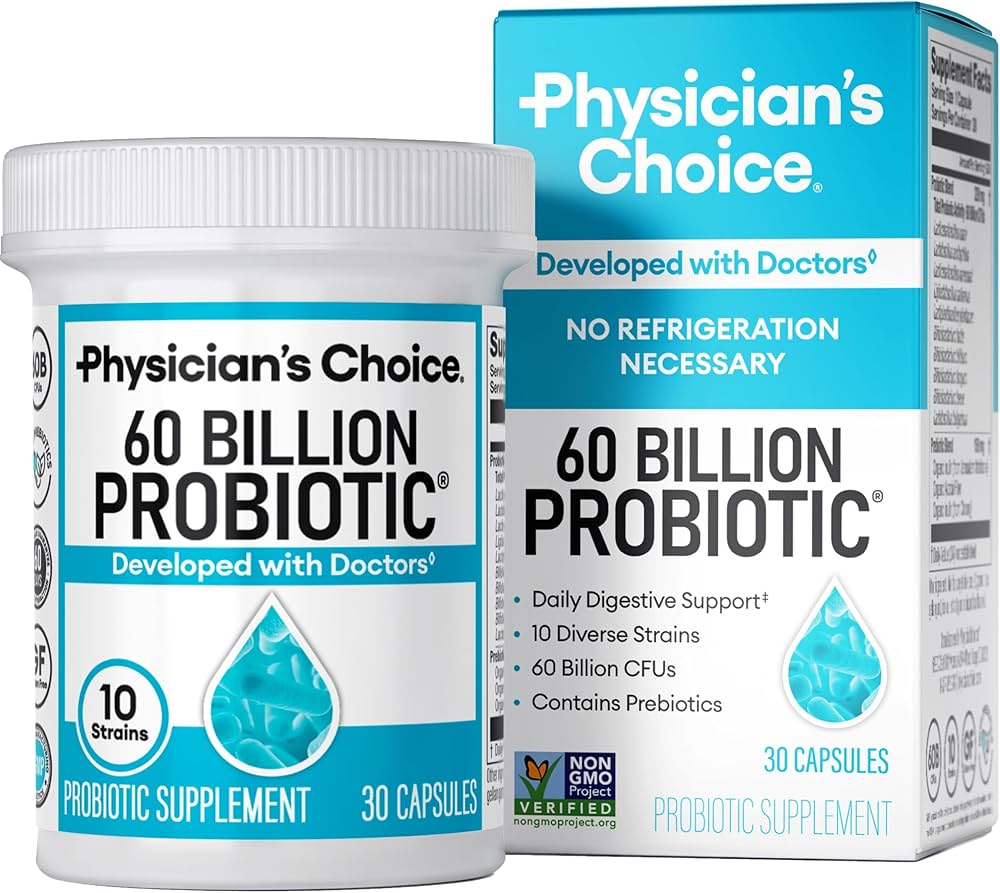
Probiotic supplements are one of the most-purchased supplement categories globally — and one of the most poorly chosen. The fundamental error most consumers make is buying a product based on CFU count (colony forming units) or price, rather than strain-specific evidence for their specific health condition. A supplement containing 50 billion CFU of an untested strain will not outperform a 5 billion CFU product containing a strain with 20 well-designed RCTs behind it. Strain specificity is everything.
Why Strain Matters More Than CFU Count
Probiotics are classified by genus, species, and strain: e.g., Lactobacillus rhamnosus GG (LGG). The health benefits are strain-specific — not genus-specific, not even species-specific. Two different strains of the same species can have completely different physiological effects, different gut transit survival rates, and different colonisation sites in the intestine. "Lactobacillus" on a label without strain designation tells you almost nothing about clinical efficacy. The evidence for LGG (Lactobacillus rhamnosus GG) for antibiotic-associated diarrhoea does not apply to other L. rhamnosus strains, let alone other Lactobacillus species.
Strain-by-Strain Evidence
Lactobacillus rhamnosus GG (LGG) — Best Evidence for Diarrhoea
LGG is the most extensively studied probiotic strain in the world, with hundreds of RCTs across multiple conditions. The most robust evidence:
- Antibiotic-associated diarrhoea: A 2024 meta-analysis (JAMA Network Open) confirmed LGG significantly reduced both duration and severity of antibiotic-associated diarrhoea in adults and children — the strongest recommendation level for any probiotic strain
- Acute infectious gastroenteritis: ESPGHAN guidelines recommend LGG specifically (with weak evidence grade) for reducing diarrhoea duration in children
- IBS: Evidence is mixed — LGG shows benefit in some IBS-D (diarrhoea-predominant) trials but is not the strongest strain for general IBS
Best use case: During and after antibiotic courses; traveller's diarrhoea prevention; acute gastroenteritis in children. Sold as Culturelle® among others.
Bifidobacterium longum 35624 (Bifantis) — Best for IBS Overall
B. longum 35624 has one of the strongest evidence bases specifically for IBS. Multiple RCTs in IBS patients show significant reduction in abdominal pain, bloating, and bowel movement irregularity — with clinical trials in thousands of IBS patients. This strain modulates TLR signalling in gut dendritic cells, reducing visceral hypersensitivity (the abnormal gut pain sensitivity central to IBS pathophysiology). Available as Alflorex® (Ireland/UK) and Align® (US).
Best use case: IBS-D, IBS-M, visceral hypersensitivity. Use for a minimum of 8 weeks to assess benefit — this strain requires consistent colonisation before effects are apparent.
Saccharomyces boulardii — Best for C. difficile and Antibiotic Protection
Saccharomyces boulardii is a tropical yeast (not a bacterium) with unique properties: it is naturally resistant to antibiotics, meaning it can be taken simultaneously with antibiotic courses without being killed. Multiple meta-analyses confirm S. boulardii significantly reduces C. difficile-associated diarrhoea risk by 60% in hospitalised patients. A 2024 Frontiers in Microbiology review highlighted its anti-toxin mechanisms specifically against C. difficile toxins A and B. It also reduces antibiotic-associated diarrhoea incidence in outpatient settings by approximately 57%.
Best use case: During any antibiotic course (take 2–3 hours after each antibiotic dose); post-hospitalisation gut recovery; C. difficile prevention in high-risk patients. Available as Florastor®.
Lactobacillus plantarum 299v — Best for Leaky Gut and IBS Bloating
L. plantarum 299v has the strongest evidence for intestinal barrier function (leaky gut). A placebo-controlled study in the American Journal of Clinical Nutrition (2023) confirmed L. plantarum 299v enhanced epithelial integrity and reduced bloating and gas — particularly in those with food intolerances or SIBO. This strain directly upregulates tight junction proteins (ZO-1, claudin-1) that seal the intestinal epithelium. Available as Probi® GI and in various gut health formulations.
Best use case: Leaky gut / intestinal permeability; IBS with predominant bloating and gas; food intolerance management; SIBO recovery support.
Multi-Strain Formulations — When They Outperform Single Strains
A 2024 meta-analysis of 20 RCTs with 3,011 IBS patients found multi-strain probiotic formulations showed broader symptom improvement across IBS subtypes than single-strain products — particularly for addressing the full IBS symptom cluster (pain + bloating + bowel habit). The 72-trial meta-analysis (Chen et al., 8,581 patients) found Bacillus and Bifidobacterium species most effective for abdominal pain specifically, but synergistic multi-strain products generally produced wider quality-of-life improvements.
How to Read a Probiotic Label
- ✓ Full strain designation stated: genus + species + strain (e.g., "Lactobacillus rhamnosus GG" not just "Lactobacillus rhamnosus")
- ✓ CFU at end of shelf life (not manufacture): CFU counts decline during storage; "at time of manufacture" claims are often misleading
- ✓ Stability/viability guaranteed through expiry date
- ✓ Third-party tested: NSF, USP, or Informed Sport certification
- ✗ No strain designation — only genus level
- ✗ "Billions of CFUs" as primary marketing claim without strain detail
References
- Chen X, et al. (2023). Three-level meta-analysis of probiotics in IBS: 72 RCTs, 8,581 patients.
- ESPGHAN Working Group. (2023). Probiotic recommendations for paediatric GI disorders.
- GutNow. (2025). Best probiotics for gut health: evidence-based guide.
- NIH ODS. (2025). Probiotics — health professional fact sheet.