The Gut-Immune Axis: Why 70% of Your Immune System Lives in Your Digestive Tract
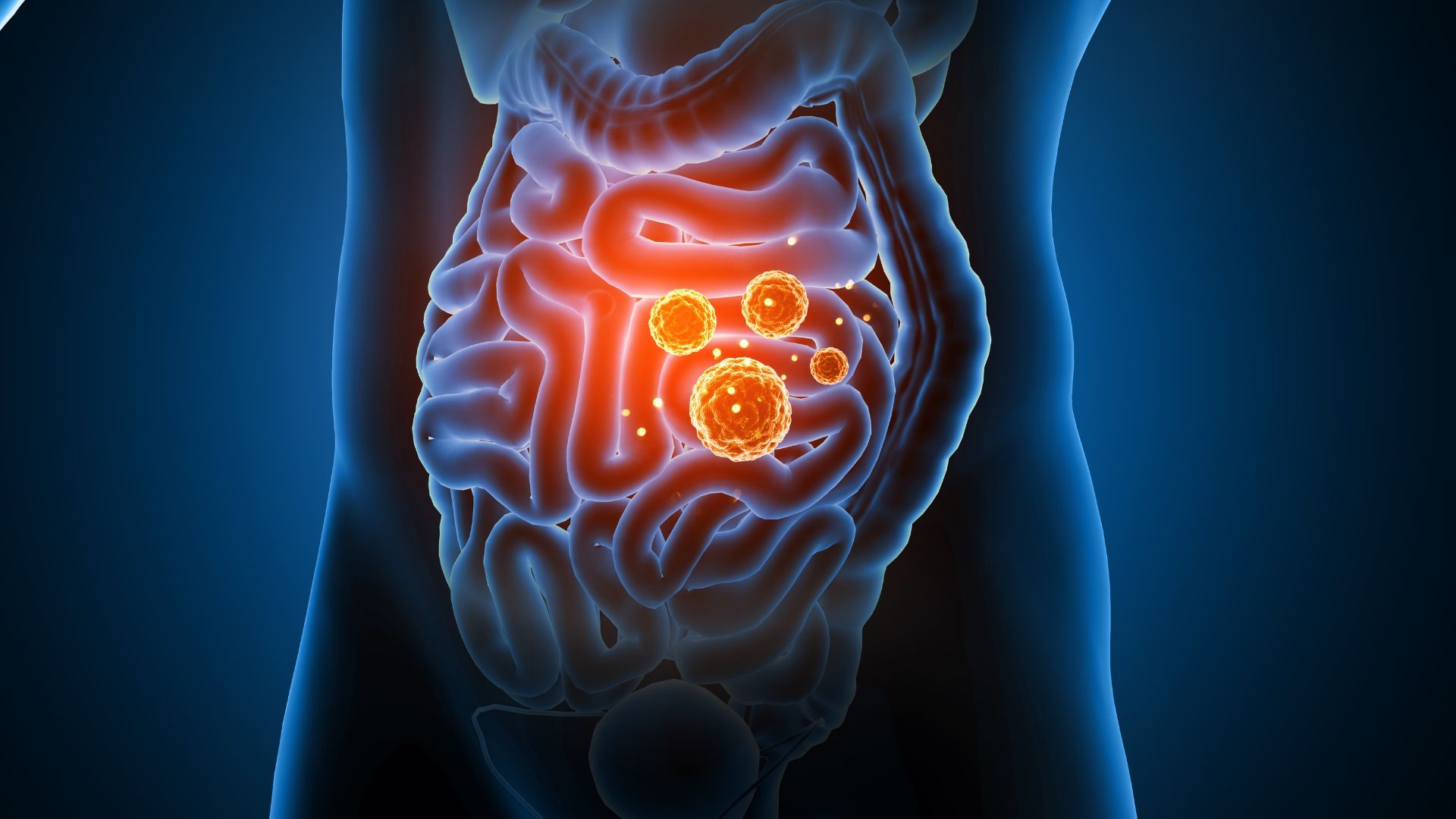
Most people think of the immune system as the white blood cells circulating in their bloodstream — the soldiers that fight infections once they have already entered the body. This is a dangerously incomplete picture. The most important immune structure in the human body is the gut-associated lymphoid tissue (GALT) — a distributed network of immune tissue embedded throughout the intestinal wall that houses approximately 70–80% of all immune cells in the body and makes the majority of the body's secretory IgA (the primary antibody deployed at mucosal surfaces).
Understanding the gut-immune axis is not a wellness trend. It is fundamental immunology — and it has profound practical implications for what you eat.
What the GALT Actually Is
The gut-associated lymphoid tissue includes several distinct structures working in concert:
- Peyer's patches: Clusters of lymphoid follicles in the small intestinal wall that continuously sample the intestinal contents for pathogens, training T and B lymphocytes to recognise and respond to threats entering via the oral route
- Lamina propria lymphocytes: A dense population of T cells, macrophages, dendritic cells, and plasma cells distributed throughout the intestinal lining — the operational immune force that acts on signals from Peyer's patches
- Intraepithelial lymphocytes: T cells embedded within the intestinal epithelial layer itself, providing immediate front-line surveillance at the barrier
- Mesenteric lymph nodes: The largest lymph nodes in the body, processing immune signals from the entire intestinal tract and communicating with systemic immune circulation
Together, this system produces more secretory IgA (sIgA) per day than all other antibody types combined. sIgA coats the mucosal surfaces of the intestinal tract, respiratory tract, and urogenital tract — neutralising pathogens before they can adhere to and penetrate epithelial cells. It is the body's primary first-line defence against the constant microbial challenge of eating, breathing, and existing in a pathogen-filled world.
How the Microbiome Educates the Immune System
The trillions of bacteria, fungi, and viruses residing in the intestinal tract — collectively the gut microbiome — are not merely passive residents. They are active participants in immune education and regulation from birth onwards:
- Immune tolerance training: Commensal (beneficial) bacteria continuously signal to intestinal immune cells that most gut contents are harmless, preventing the chronic inflammatory activation that would result from treating every food particle as a threat. This tolerance training is essential for avoiding food sensitivities, allergies, and inflammatory bowel conditions
- Regulatory T cell induction: Specific gut bacteria — particularly Clostridia species — promote the development of regulatory T cells (Tregs) that suppress excessive immune activation. Treg deficiency is implicated in autoimmune conditions and chronic inflammatory disease
- Th1/Th2 balance: The gut microbiome influences the balance between Th1 immunity (cellular, anti-viral and anti-bacterial) and Th2 immunity (antibody-mediated). Microbiome disruption consistently shifts this balance toward Th2 dominance — associated with increased allergy and atopic disease
- NK cell and macrophage activation: Certain bacterial metabolites directly stimulate natural killer cell activity and macrophage phagocytic capacity — connecting gut bacterial health directly to systemic innate immune function
Butyrate: The Molecule That Holds the Gut-Immune System Together
Short-chain fatty acids (SCFAs) — particularly butyrate, propionate, and acetate — are produced by gut bacteria fermenting dietary fibre. They are the primary mechanism through which the microbiome influences immune function:
- Gut barrier integrity: Butyrate is the primary energy source for colonocytes (intestinal epithelial cells) and is essential for maintaining tight junction proteins that prevent "leaky gut" — the inappropriate passage of bacterial fragments and undigested food particles into systemic circulation that drives chronic low-grade inflammation
- Regulatory T cell induction: Butyrate directly induces Treg differentiation in the colonic environment — one of the most direct mechanisms linking fibre intake to immune regulation
- Macrophage polarisation: Butyrate shifts macrophage polarisation from pro-inflammatory M1 toward regulatory M2 phenotype — reducing systemic inflammatory tone
- Histone deacetylase inhibition: Butyrate is a natural HDAC inhibitor, modifying gene expression in immune cells in ways that reduce inflammatory cytokine production
The dietary implication is direct: butyrate is produced from fermentable fibre. Foods that maximise butyrate production include oats, leeks, onions, garlic, asparagus, bananas, and Jerusalem artichoke — prebiotic-rich foods that feed butyrate-producing bacteria (primarily Faecalibacterium prausnitzii and Roseburia species).
The Best Foods for Gut-Immune Health
Fermented Foods
Fermented foods — yoghurt, kefir, kimchi, sauerkraut, miso, tempeh, kombucha — deliver live bacteria that colonise the gut transiently and produce immediate immunomodulatory effects. A Stanford RCT (Wastyk et al., 2021, Cell) found a high-fermented-food diet significantly increased microbiome diversity and reduced 19 inflammatory proteins compared to a high-fibre diet — the most direct human clinical evidence that fermented food intake measurably alters immune inflammatory status. Kefir is particularly notable: it contains 30+ microbial species vs the 1–2 in standard yoghurt, and its bacteria survive gastric acid passage at higher rates than most commercial probiotics.
Prebiotic-Rich Foods
Garlic, onions, leeks, asparagus, oats, and bananas provide inulin, FOS (fructooligosaccharides), and resistant starch — the preferred substrates for butyrate-producing bacteria. Consuming 5–8g of prebiotic fibre daily consistently increases Faecalibacterium prausnitzii and Bifidobacterium populations associated with healthy gut-immune tone and reduced systemic inflammation.
Moringa
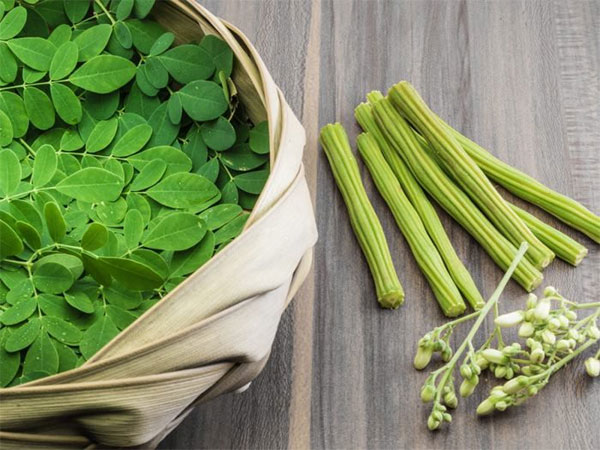
Beyond its micronutrient density, moringa contains glucosinolates and isothiocyanates that have demonstrated prebiotic activity — selectively feeding beneficial gut bacterial populations — alongside direct antimicrobial activity against pathogenic bacteria that disrupt the microbiome. Moringa's quercetin content also supports gut barrier integrity by enhancing tight junction protein expression.
Spirulina
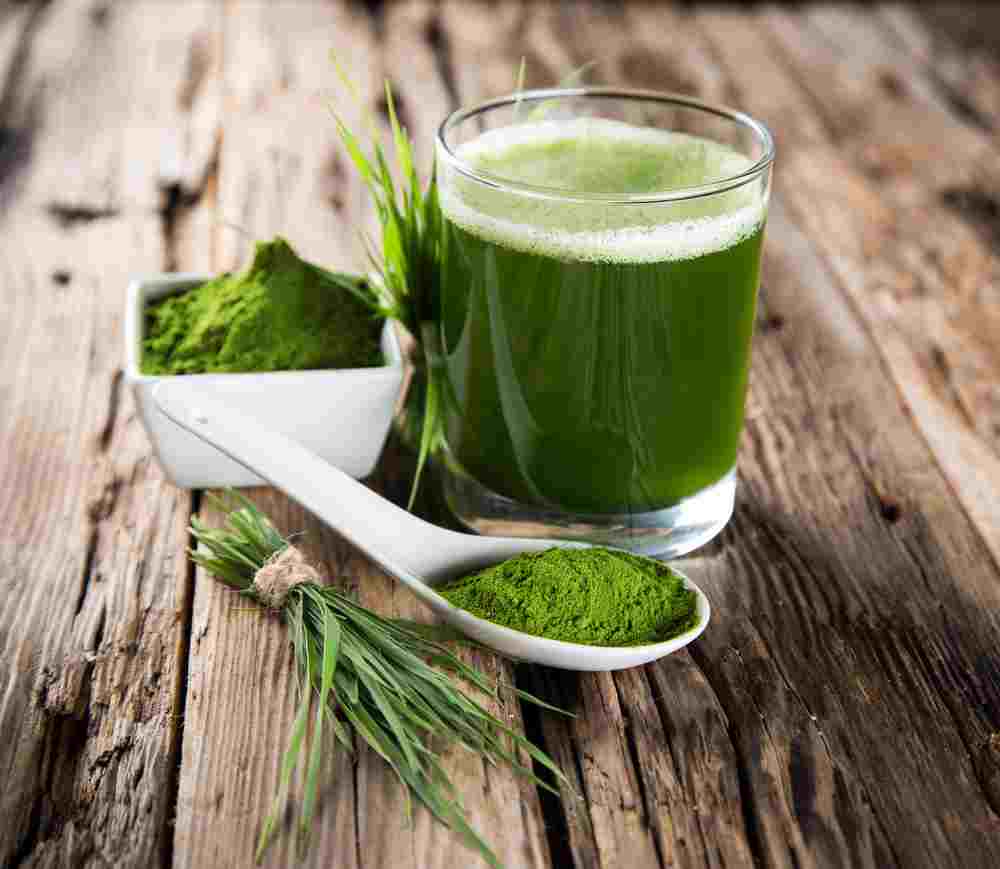
Spirulina has demonstrated prebiotic-like effects in multiple studies, selectively increasing Lactobacillus and Bifidobacterium populations. Its phycocyanin reduces intestinal inflammation through NF-kB inhibition, potentially supporting the reduced intestinal inflammatory tone that allows healthy regulatory immune responses to develop.
The Food vs Supplement Question
Isolated probiotic supplements deliver specific bacterial strains with reasonable evidence for reducing upper respiratory infection incidence. However, fermented whole foods provide the same live bacteria alongside prebiotic compounds, vitamins, bioactive peptides, and organic acids that create a more complete gut-immune environment than isolated organisms can. A diet combining daily fermented foods, high prebiotic fibre intake, and the phytonutrient-rich foods described above provides a more comprehensive gut-immune axis support than any single probiotic supplement can replicate — while also being sustainable, food-based, and cost-effective.
References
- Wastyk HC, et al. (2021). Gut-microbiota-targeted diets modulate human immune status. Cell, 184(16):4137–4153.
- Wiertsema SP, et al. (2021). The interplay between the gut microbiome and the immune system in the context of infectious diseases. Nutrients, 13(3):886.
- Koh A, et al. (2016). From dietary fiber to host physiology: short-chain fatty acids as key bacterial metabolites. Cell, 165(6):1332–1345.