10 Foods That Actually Boost Your Immune System (Backed by Clinical Evidence)
The phrase "immune-boosting foods" has been so badly overused that it has become meaningless. Almost every food article on the internet claims immune-boosting benefits, usually supported by nothing more than the fact that a food contains vitamin C or antioxidants. The reality is more specific and more interesting: certain foods have been tested in randomised controlled trials and shown to measurably alter immune cell activity, reduce infection incidence, or shorten illness duration. These are the ten that have earned that distinction.
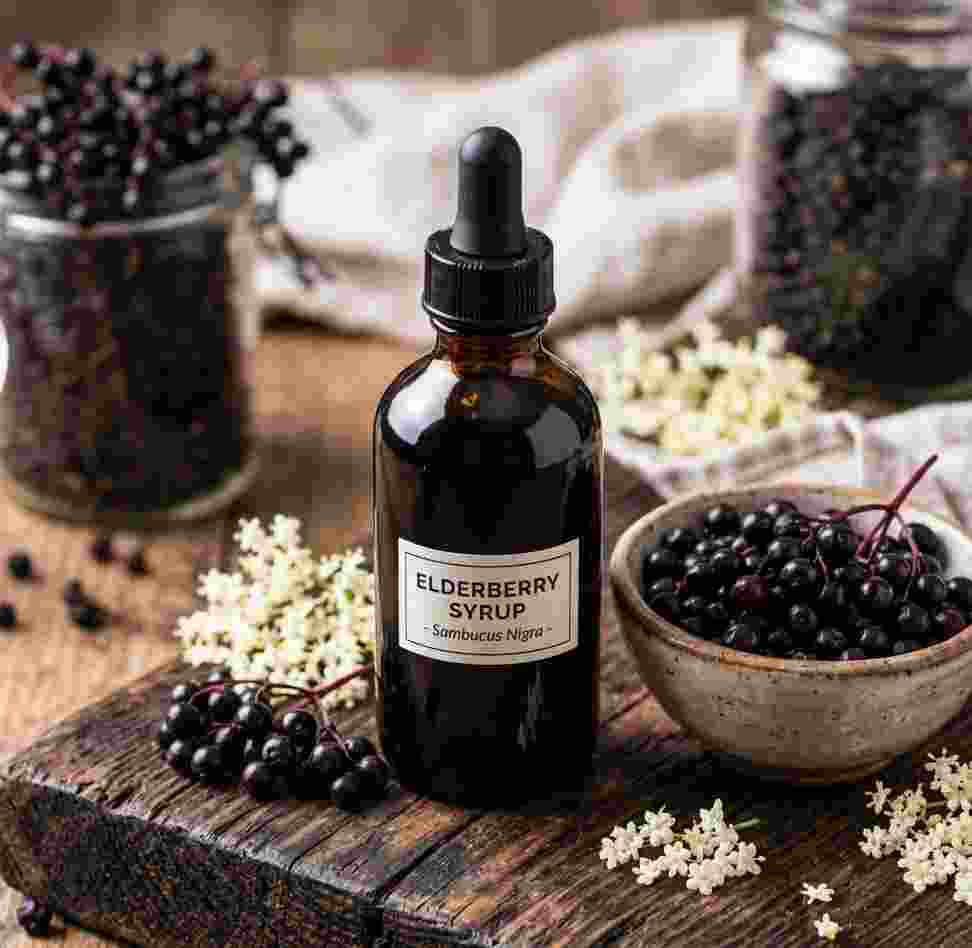
1. Elderberry (Sambucus nigra)
Elderberry has one of the most clinically substantiated immune records of any food. A meta-analysis of randomised controlled trials found that elderberry supplementation substantially reduced upper respiratory symptom duration compared to placebo, with a large mean effect size (Cohen's d = 1.717). A landmark double-blind RCT in Norway found influenza symptoms resolved on average 4 days earlier in the elderberry group vs placebo. An air-travel RCT in 312 participants found the elderberry group accumulated only 57 cold episode days vs 117 in the placebo group — a 51% reduction.
The active compounds are anthocyanins — primarily cyanidin 3-glucoside and cyanidin 3-sambubioside — which block viral glycoproteins from attaching to host cells, inhibit neuraminidase (the same enzyme targeted by Tamiflu), and stimulate secretory IgA production. Standardised extract (≥15% anthocyanins) is the most consistent form for clinical benefit.
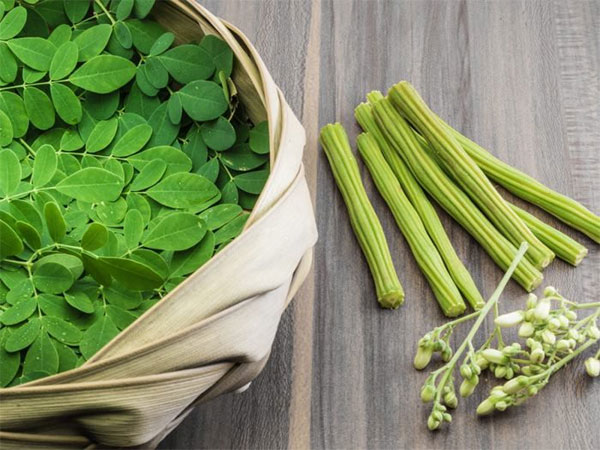
2. Moringa (Moringa oleifera)
Moringa leaf provides a remarkable concentration of immune-relevant micronutrients: gram for gram, more vitamin C than oranges, more beta-carotene than carrots, and significant zinc — all three of which are independently required for normal immune cell function and antibody production. Beyond micronutrients, moringa contains isothiocyanates (particularly moringin) with demonstrated antimicrobial activity against Staphylococcus aureus, E. coli, and Helicobacter pylori, and quercetin with documented NF-kB inhibitory and antiviral properties. Multiple studies confirm moringa extracts significantly increase natural killer cell activity and white blood cell proliferation.
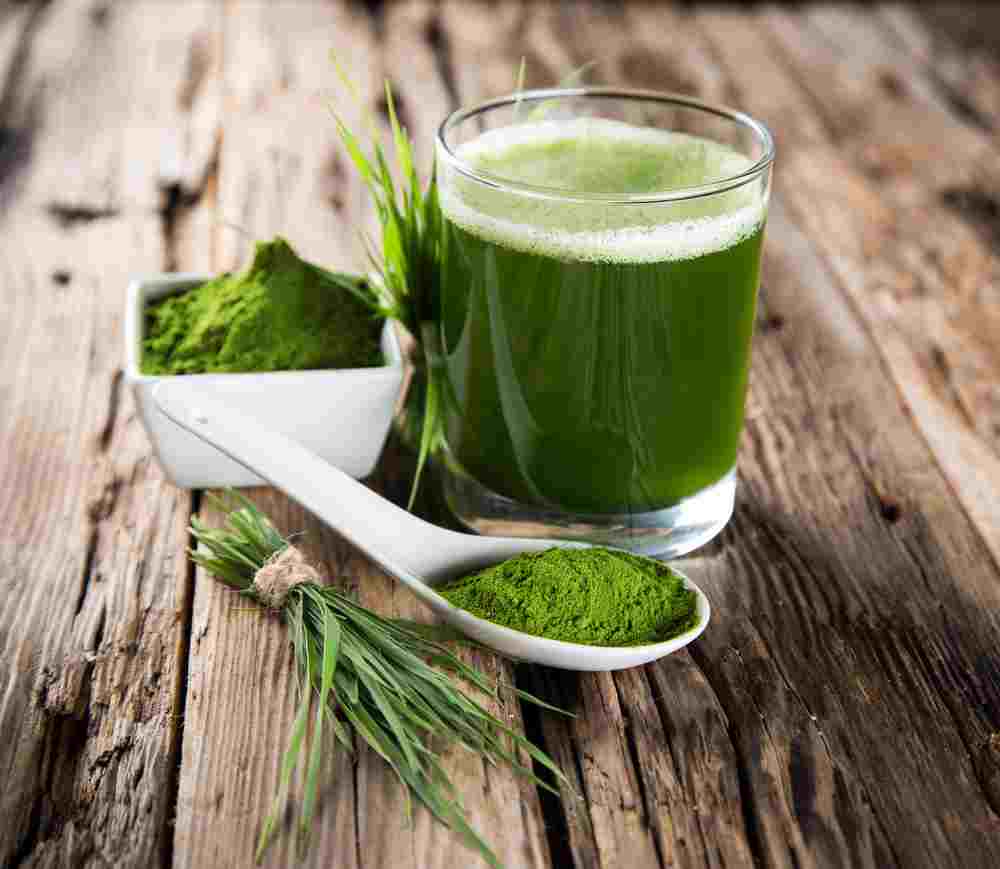
3. Spirulina
Spirulina's immune credential comes primarily from phycocyanin — the blue-green pigment that gives it its distinctive colour. Phycocyanin inhibits NF-kB, the master regulator of inflammatory signalling, and has been shown in controlled trials to increase natural killer cell cytotoxicity, enhance interferon production, and stimulate bone marrow stem cell proliferation (the source of all immune cells). A 12-week RCT found spirulina supplementation significantly increased natural killer cell activity compared to placebo in older adults — a population where NK cell decline is a primary immune vulnerability. Spirulina also provides the highest beta-carotene density of any commonly consumed food, and beta-carotene is the primary dietary precursor to vitamin A — essential for mucosal immune defence.
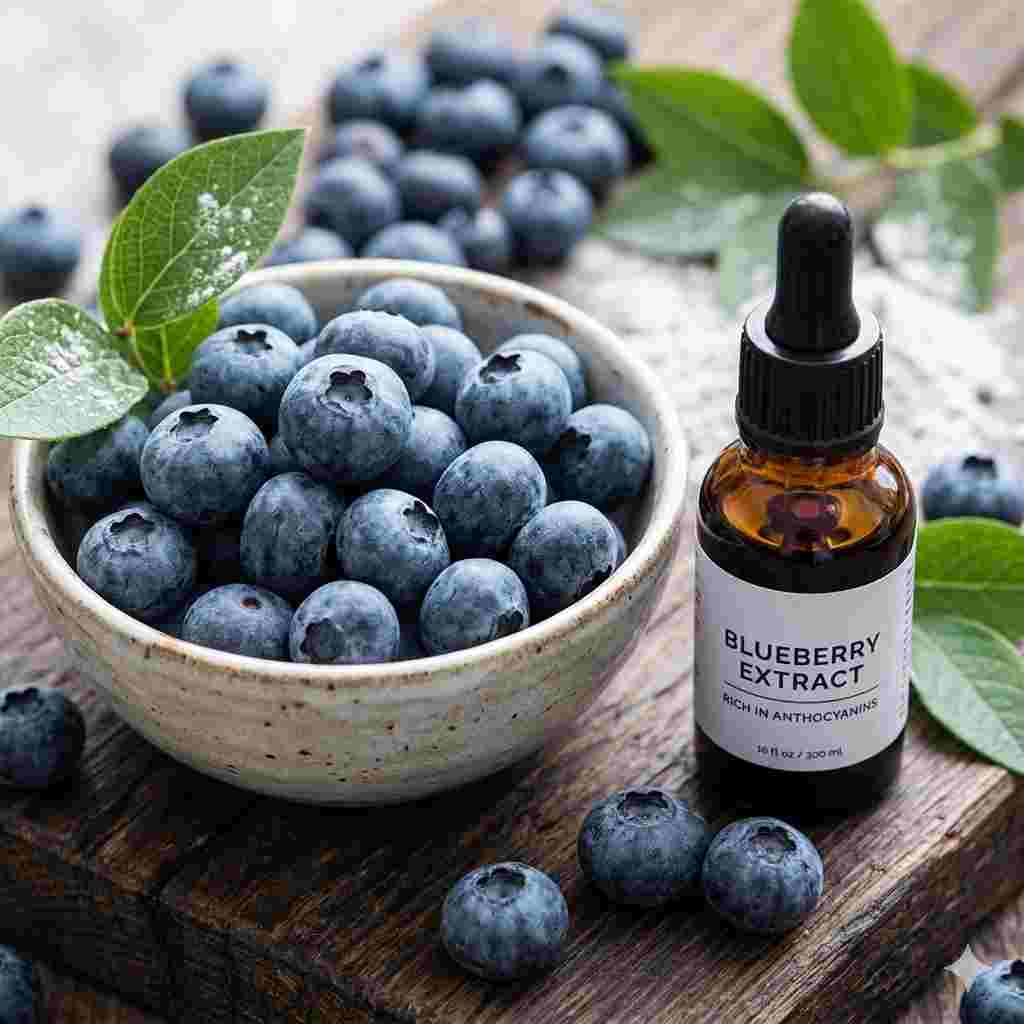
4. Blueberries
Blueberries contain pterostilbene and anthocyanins that activate natural killer cells and upregulate antiviral gene expression. A double-blind RCT in 25 endurance athletes who consumed blueberry smoothies daily for 6 weeks found a 70% reduction in upper respiratory infections compared to the control group — a dramatic finding in a population where heavy training typically suppresses immune function. The mechanism involves pterostilbene-mediated activation of NK cell cytolytic activity and anthocyanin-driven upregulation of interferon-gamma production. Fresh, frozen, and freeze-dried blueberries all preserve the relevant anthocyanins — heat processing (jam, syrup) significantly degrades them.
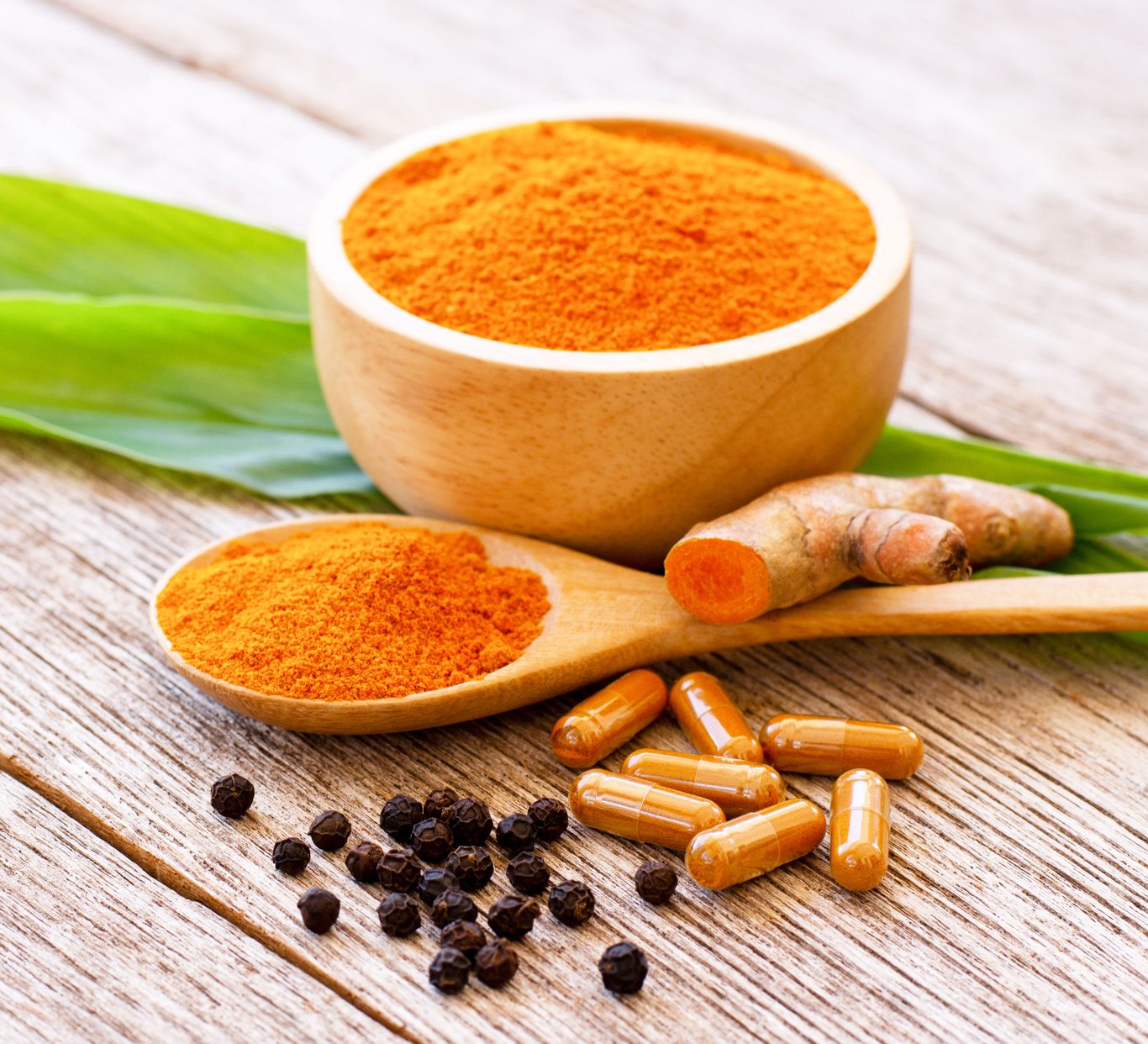
5. Turmeric / Curcumin
Curcumin, turmeric's primary active compound, modulates over 160 molecular targets with immune relevance — most centrally NF-kB, which controls the expression of hundreds of inflammatory genes. By inhibiting NF-kB activation, curcumin reduces chronic low-grade inflammation that dysregulates immune tone, while preserving the acute inflammatory response needed to fight genuine threats. Curcumin also modulates macrophage polarisation (shifting from pro-inflammatory M1 to regulatory M2 phenotype), enhances phagocytosis, and has documented antiviral activity against influenza, adenovirus, and herpes simplex virus in vitro. Bioavailability is the critical caveat: standard curcumin is poorly absorbed. Always combine with black pepper (piperine, 20mg), or use phytosome/liposomal formulations.
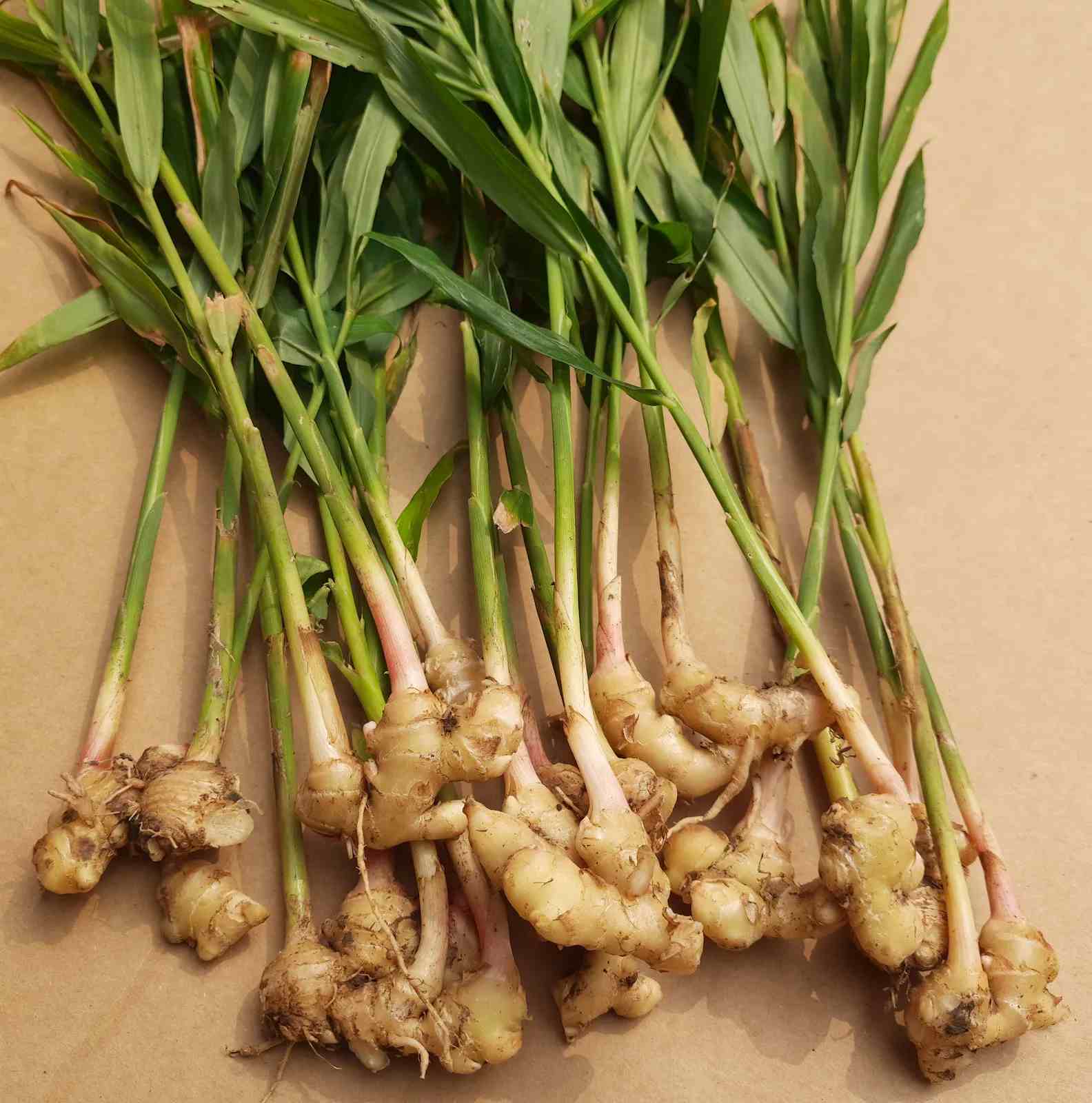
6. Ginger
Gingerols (in fresh ginger) and shogaols (formed during drying) inhibit prostaglandin E2 synthesis via COX-2 inhibition — reducing the inflammatory cytokine cascade that makes respiratory infections feel worse than they are, without suppressing the antiviral immune response itself. Multiple studies have documented ginger's antiviral activity against respiratory viruses including influenza A, respiratory syncytial virus (RSV), and rhinovirus. Fresh ginger has additional antiviral potency from gingerol compounds that break down during drying — making fresh ginger tea during illness a clinically meaningful choice alongside supplemental forms for consistent baseline support.
7. Garlic
Allicin — formed when raw garlic is crushed or chopped — is one of the most studied natural antimicrobial compounds, with activity against bacteria, viruses, and fungi. A well-designed double-blind RCT found that daily allicin supplementation reduced the incidence of colds by 63% and shortened cold duration by 70% compared to placebo. Allicin also stimulates macrophage and NK cell activity and has demonstrated direct antiviral activity against influenza A and B. Allicin is unstable — it degrades rapidly during cooking. For immune benefit, crush raw garlic and let it rest for 10 minutes before consuming, or use an aged garlic extract standardised to allicin yield.
8. Citrus Fruits and Kiwi (Vitamin C Foods)
Vitamin C is one of the few micronutrients with unambiguous, well-mechanised roles in immune function: it accumulates in neutrophils and macrophages at concentrations 50–100 times higher than in plasma, supports epithelial barrier integrity (the first line of defence against respiratory viruses), and is required for T lymphocyte differentiation. A Cochrane review of 29 trials found vitamin C supplementation reduced cold duration by 8% in adults and 14% in children. The food context matters: kiwi provides more vitamin C per 100g than orange, with the advantage of additional flavonoids and actinidin that enhance bioavailability. Citrus flavonoids (hesperidin, naringenin) have independent antiviral activity beyond the vitamin C contribution.
9. Green Tea
Green tea EGCG has a mechanistically well-documented antiviral and immune-enhancing profile. A 2021 meta-analysis of 109 RCTs in 3,748 participants found regular green tea consumption reduced upper respiratory infection risk (RR 0.74) and influenza risk (RR 0.69). Mechanisms include direct viral cell membrane disruption, T-cell and NK cell enhancement, and 5-HT3 receptor antagonism (which may reduce inflammation-driven symptoms). Three to four cups daily maintains plasma EGCG levels within the range associated with immune benefit; green tea extract supplements provide consistent dosing without the caffeine volume.
10. Fermented Foods (Yoghurt, Kefir, Kimchi)
The gut-associated lymphoid tissue (GALT) houses 70–80% of all immune cells in the body. Fermented foods deliver live bacterial cultures that directly interact with these immune populations, enhancing secretory IgA production (the mucosal antibody that intercepts pathogens before they establish infection), modulating Th1/Th2 balance, and supporting regulatory T cell activity that prevents immune overreaction. A meta-analysis of 20 RCTs found probiotic supplementation reduced upper respiratory infection incidence by 47% and duration by approximately 1.9 days. Fermented foods deliver these benefits alongside the prebiotic fibres that feed beneficial bacteria — the food matrix advantage that isolated probiotic supplements partially replicate but cannot fully match.
How to Combine These Foods Effectively
The most evidence-consistent daily immune nutrition pattern combines: dark berries (blueberries, elderberry) for anthocyanin-mediated NK activation; cruciferous or moringa-family greens for isothiocyanates and beta-carotene; turmeric with black pepper and healthy fat (for curcumin absorption) in one meal; fermented foods daily for gut-immune axis support; and green tea as a daily beverage. This pattern covers NF-kB modulation, mucosal IgA support, NK cell activation, and antiviral micronutrient density simultaneously — without relying on any single food as a sole immune solution.
References
- Tiralongo E, et al. (2016). Elderberry for air-travellers: RCT, 312 participants. PMC 4848651.
- Zakay-Rones Z, et al. (2004). Elderberry syrup for influenza: 4-day reduction RCT. PubMed 15080016.
- Hawkins J, et al. (2019). Elderberry meta-analysis: large effect size on upper respiratory symptoms. Complement Ther Med.
- McAnulty LS, et al. (2011). Blueberry consumption and NK cell activity in athletes. Applied Physiology, Nutrition and Metabolism.
- Furushima D, et al. (2021). Green tea EGCG: meta-analysis 109 RCTs, RR 0.74 respiratory infections. Molecules.