Phytonutrients and Immunity: What Blueberries, Spirulina and Colourful Foods Do to Your Immune Cells
The vivid colours of plant foods are not incidental. They are the visual signature of phytonutrients — bioactive compounds plants produce for their own biological purposes (UV protection, pest deterrence, signalling) that happen to have profound and specific effects on human immune function. Understanding the immune biology behind food colour is one of the most practically useful frameworks in nutritional immunology.
Anthocyanins: The Blue-Purple-Red Immune Activators
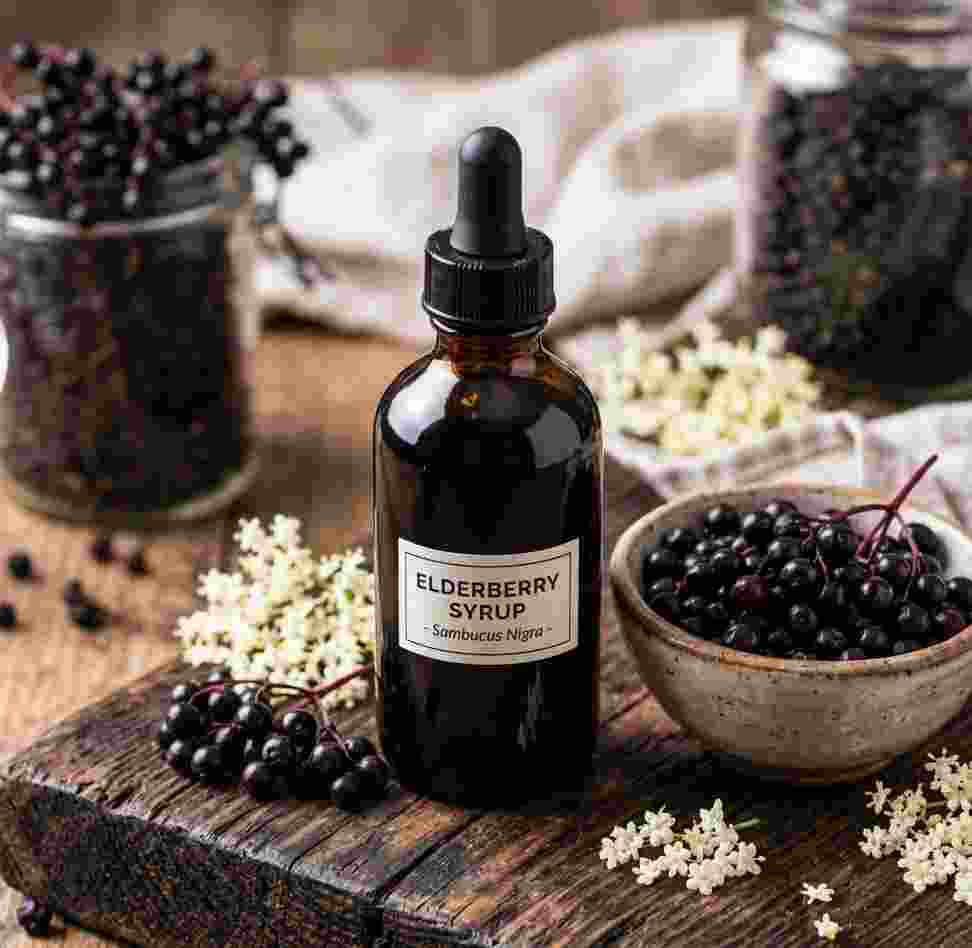
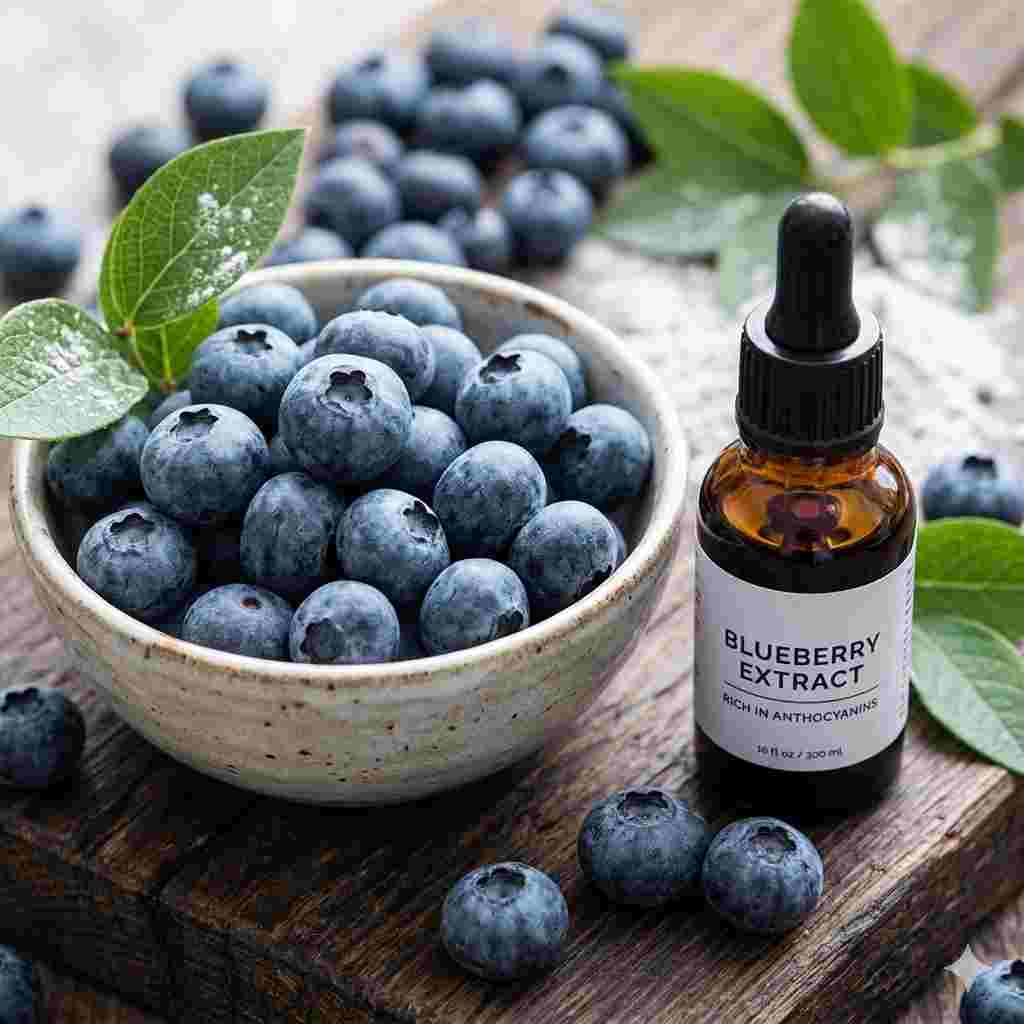
Anthocyanins — the pigments responsible for the deep blue, purple, and red colours of blueberries, elderberry, red cabbage, and black rice — are one of the most extensively studied families of immune-active phytonutrients.
The Blueberry Athletic RCT
A landmark double-blind RCT (McAnulty et al.) examined the effect of daily blueberry consumption on upper respiratory infection (URI) incidence in 25 endurance athletes over 6 weeks of high-intensity training. Endurance athletes in heavy training are an ideal model for immune suppression: the post-exercise period produces a well-documented "open window" of reduced NK cell activity and secretory IgA levels that increases respiratory infection susceptibility.
Results: the blueberry group experienced a 70% reduction in upper respiratory infection incidence compared to controls — a dramatic finding. The mechanism involved anthocyanin-mediated activation of NK cell cytolytic activity, upregulation of interferon-gamma production, and preservation of post-exercise sIgA levels. The anthocyanins responsible — primarily delphinidin, cyanidin, and petunidin glycosides — are present in whole blueberries, frozen blueberries, and freeze-dried blueberry powder at comparable concentrations.
Pterostilbene: The Blueberry Compound That Reaches the Brain
Beyond anthocyanins, blueberries contain pterostilbene — a stilbene compound structurally similar to resveratrol but with significantly higher oral bioavailability (80% vs approximately 20% for resveratrol). Pterostilbene activates NK cells, inhibits NF-kB in immune cells, and has demonstrated antiviral activity in vitro. Its superior bioavailability compared to resveratrol makes blueberries a more efficient source of this stilbene class than red wine or grapes.
Phycocyanin: Spirulina's Blue Immune Pigment
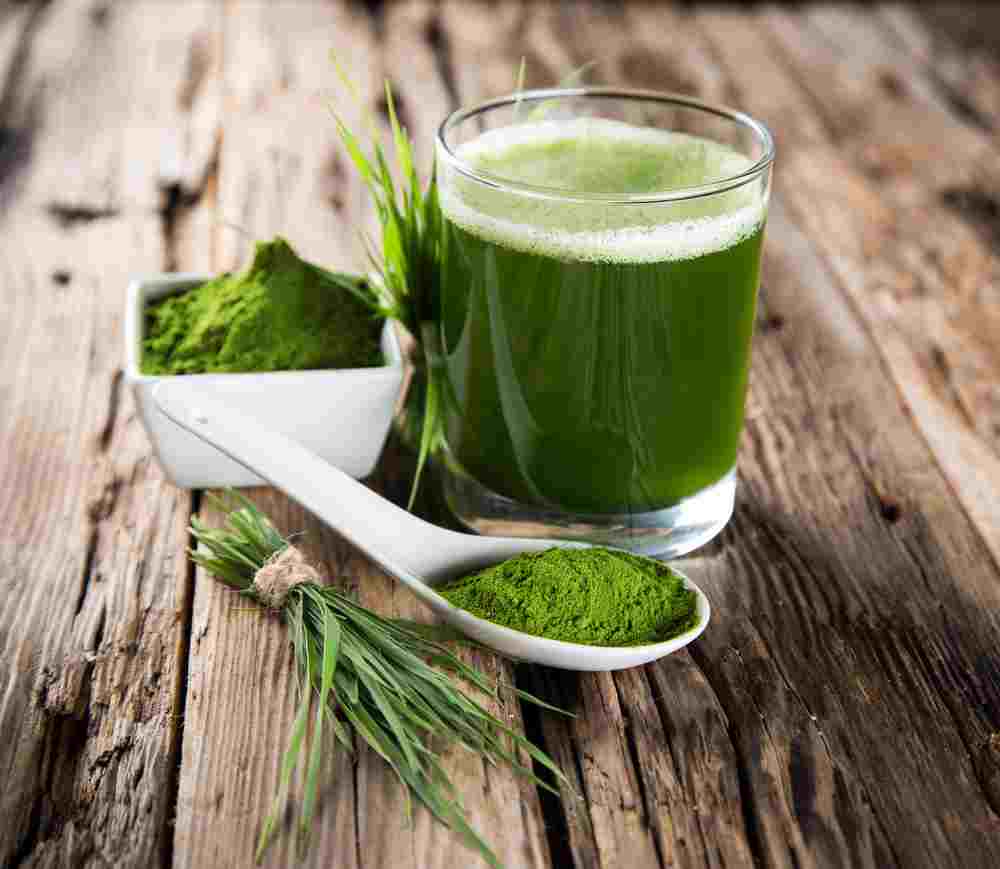
Phycocyanin is the brilliant blue pigment that gives spirulina its distinctive blue-green colour and accounts for 14–20% of spirulina's dry weight. It is one of the most pharmacologically active natural pigments identified to date.
Natural Killer Cell Activation
A randomised, double-blind, placebo-controlled trial in older adults (aged 60–87) found spirulina supplementation for 12 weeks significantly increased natural killer cell activity and haemoglobin levels compared to placebo. NK cells are the innate immune system's primary weapon against viral infections and cancer cells — and their activity declines significantly with age. Enhancing NK cell function in older adults is clinically meaningful for both infectious and oncological immune defence.
NF-kB Inhibition and Interferon Production
Phycocyanin inhibits NF-kB activation through IKK inhibition, reducing pro-inflammatory cytokine production. It also stimulates interferon production — the antiviral signalling molecules that alert neighbouring cells to viral presence and trigger antiviral gene expression programs. The combination of NF-kB inhibition (reducing excessive inflammation) and interferon upregulation (enhancing antiviral response) represents an idealised immune modulation pattern — potentiating the protective response while limiting inflammatory collateral damage.
Beta-Carotene: The Orange-Yellow Immune Foundation
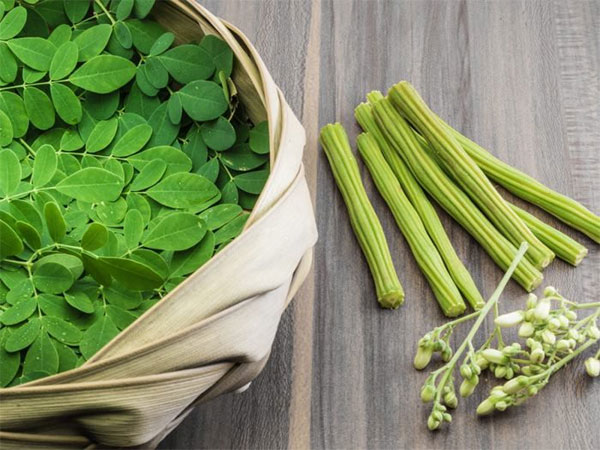
Beta-carotene — the pigment responsible for orange and yellow colours in carrots, pumpkin, sweet potato, and deep greens in moringa and spirulina — is the primary dietary precursor to vitamin A (retinol). Vitamin A is not optional for immune function. It is a structural requirement for:
- Mucosal barrier integrity: Vitamin A maintains the epithelial cell differentiation of respiratory, intestinal, and urogenital mucosae — the physical barriers where most pathogen encounters occur
- Secretory IgA production: The gut and respiratory mucosal IgA system that provides first-line defence against respiratory viruses requires adequate vitamin A for its development and maintenance
- T cell differentiation: Retinoic acid (the active form of vitamin A in immune tissue) is required for the differentiation of naive T cells into regulatory T cells in the intestinal environment — the mechanism underlying the gut-immune axis
- NK cell function: Vitamin A deficiency reduces natural killer cell cytolytic activity — one of the mechanisms through which nutritional deficiency increases susceptibility to viral infection
Spirulina provides approximately 342 mcg beta-carotene per gram — one of the highest concentrations of any food. Moringa leaf powder provides approximately 700 mcg per gram. The conversion rate from beta-carotene to retinol is variable (the body regulates it based on need) — but regular consumption of these foods provides a meaningful contribution to vitamin A status without the toxicity risk of preformed retinol supplementation.
Practical Guide: Eating for Immune Phytonutrient Coverage
- Blue/purple: Blueberries, elderberry, red cabbage, purple sweet potato — anthocyanins, pterostilbene, NK cell activation
- Blue-green: Spirulina — phycocyanin, NF-kB inhibition, NK cell and interferon activation
- Orange/yellow: Moringa, spirulina, sweet potato, carrots, pumpkin — beta-carotene, vitamin A, mucosal immunity
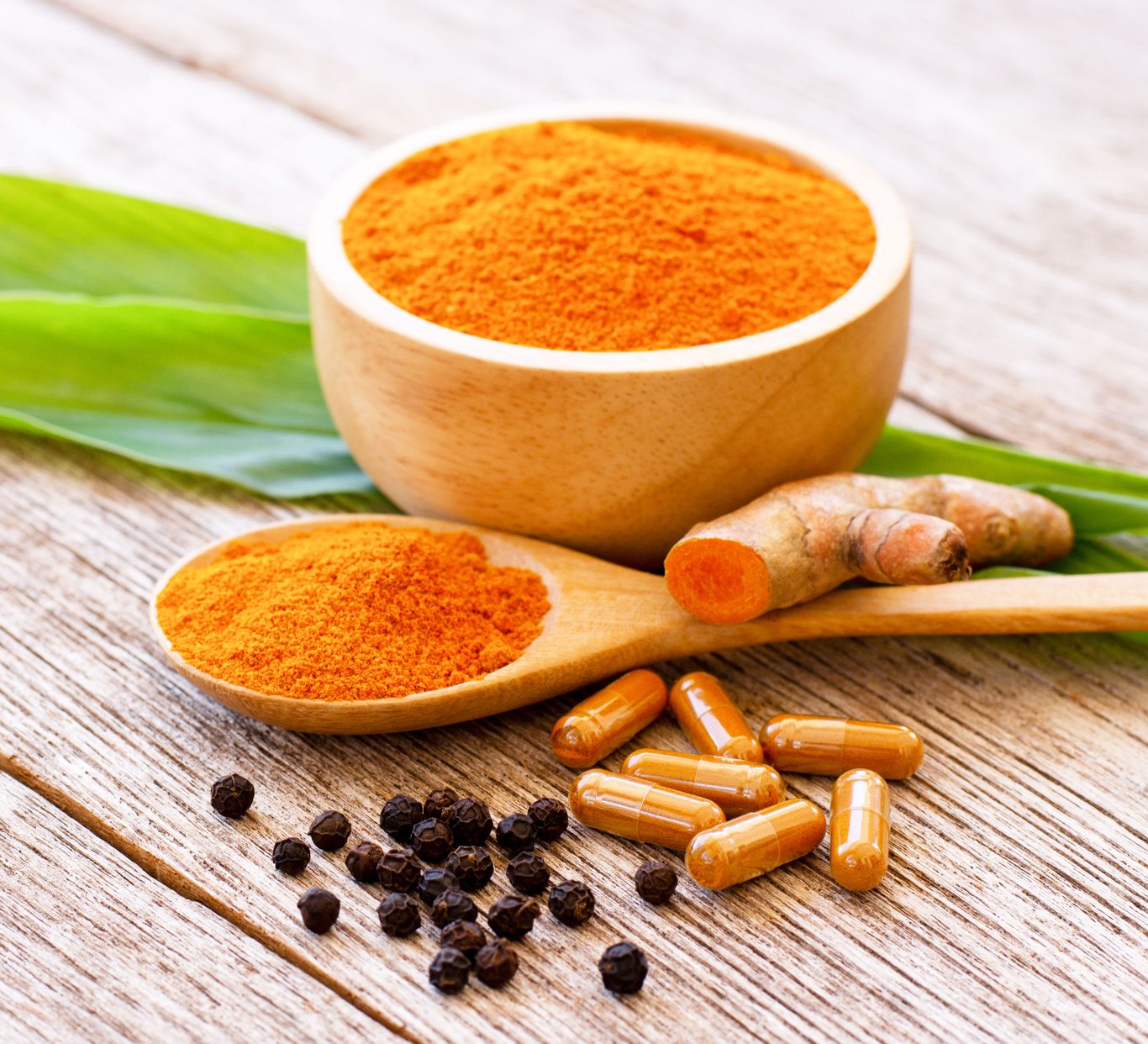
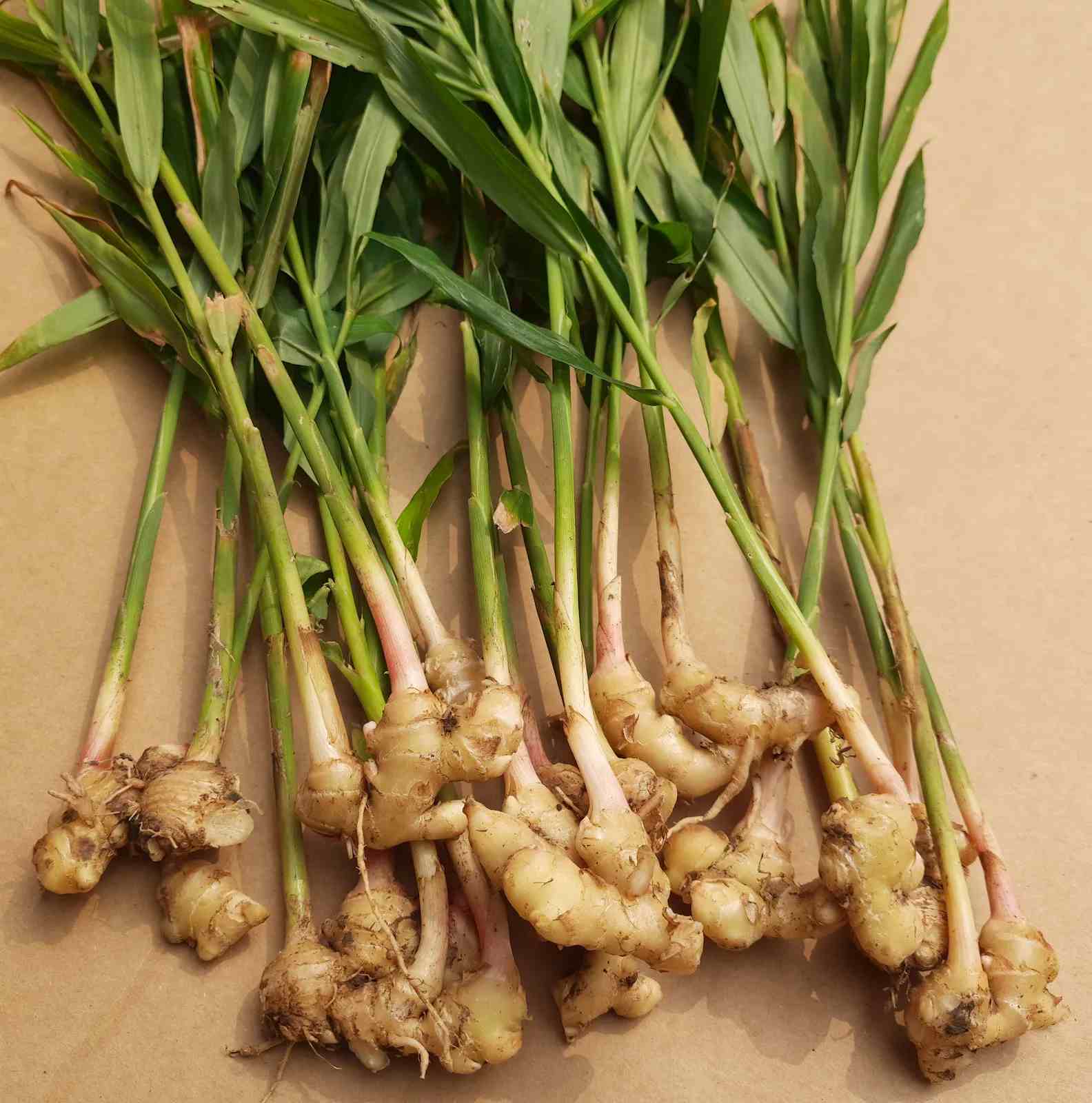
- Yellow-orange-red: Turmeric, ginger — curcumin, gingerols, NF-kB/COX-2 inhibition
- Dark green: Moringa, kale, broccoli — isothiocyanates, quercetin, vitamin C, zinc
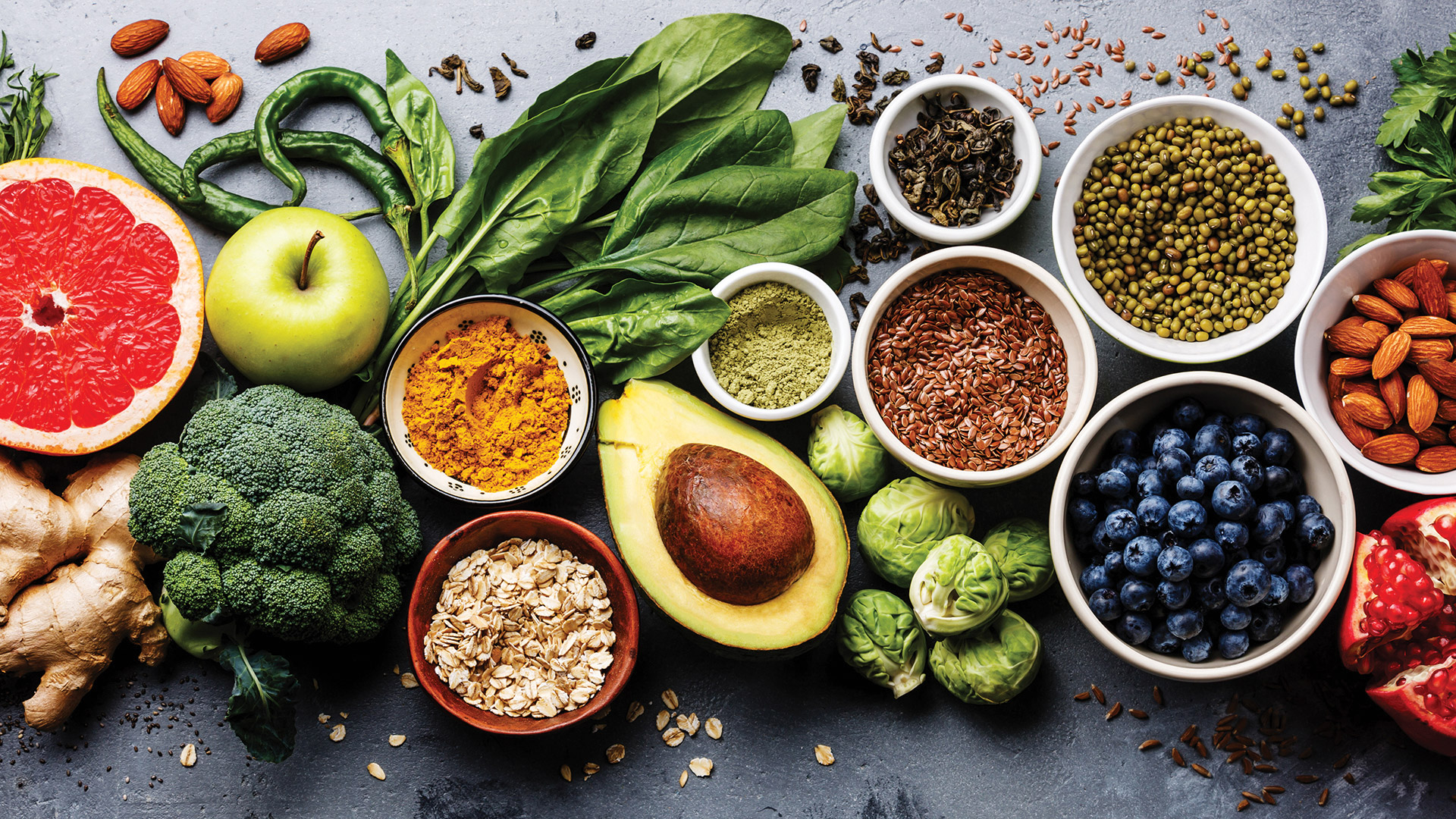
The practical recommendation from this evidence is straightforward: eating a wide range of deeply coloured plant foods daily is not merely aesthetically pleasing — it is the most reliable way to ensure comprehensive phytonutrient coverage across the multiple, complementary immune activation pathways these compounds operate through.
References
- McAnulty LS, et al. (2011). Blueberry consumption and NK cell activity: 70% infection reduction in athletes. Appl Physiol Nutr Metab.
- Mao TK, et al. (2005). Spirulina supplementation and NK cell activity in older adults: double-blind RCT. Cell Mol Immunol.
- Cobb CA & Cole MP. (2015). Oxidative and nitrative stress in neurodegeneration. Neurobiol Dis. [phycocyanin mechanism review]
- Stephensen CB. (2001). Vitamin A, infection, and immune function. Annu Rev Nutr, 21:167–192.