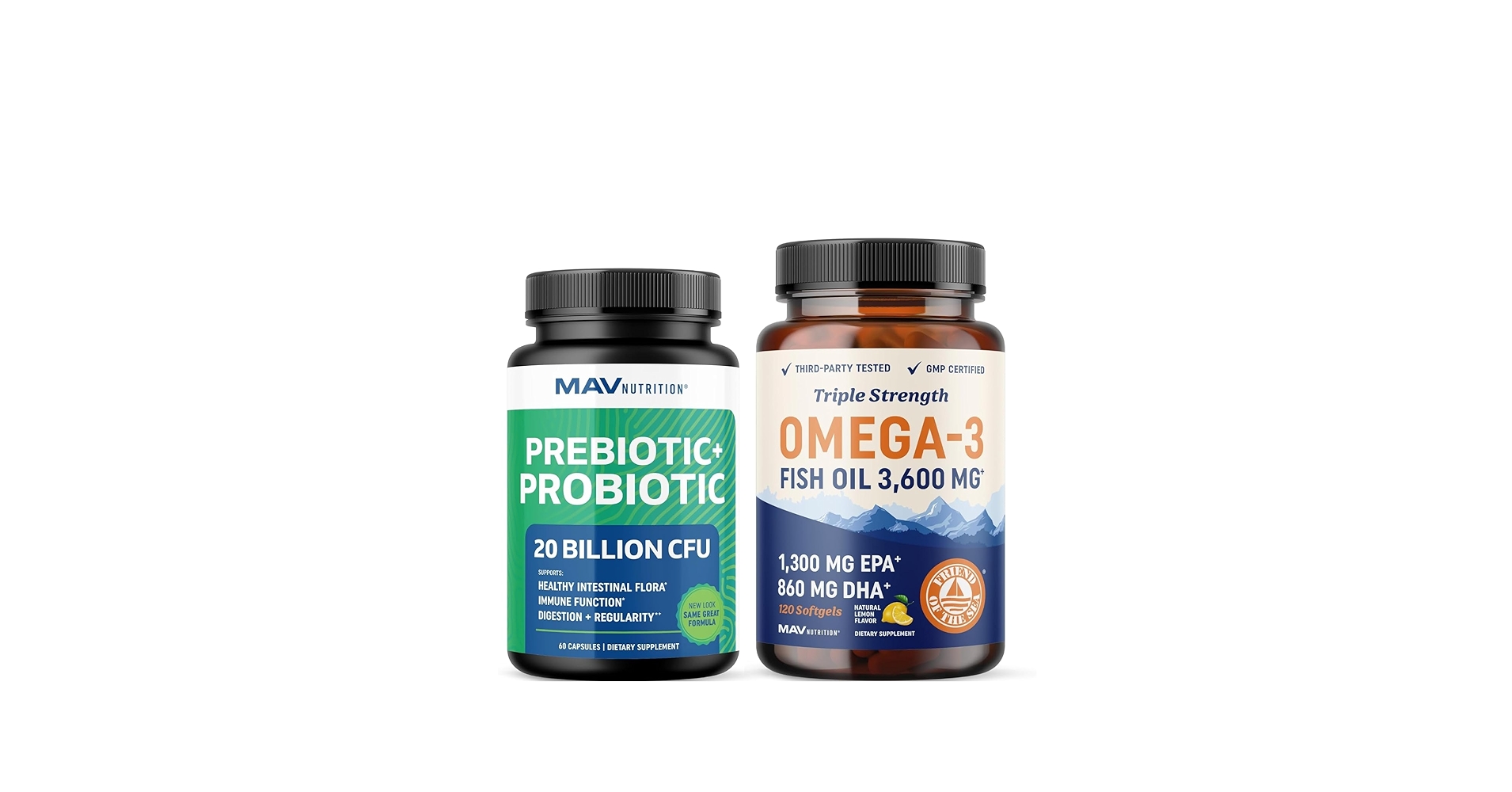
Probiotics and Fish Oil for Immunity: The Gut-Immune Axis and the Science of Immune Resolution
Most immune supplement discussions focus on stimulating the immune response — activating NK cells, increasing antibody production, enhancing macrophage activity. This framing misses two of the most clinically important dimensions of immune health: gut-immune axis function (which determines the baseline tone and regulatory capacity of the entire immune system) and immune resolution (the active process of terminating inflammation after a threat is cleared). Probiotics and fish oil omega-3s address these two neglected dimensions directly — making them among the most strategically important immune supplements available.
Probiotics: The Gut-Immune Axis Intervention
Why the Gut Microbiome Controls Systemic Immunity
The gut-associated lymphoid tissue (GALT) is the largest immune organ in the human body — housing approximately 70–80% of all immune cells and producing the majority of secretory IgA (sIgA), the primary mucosal antibody that intercepts pathogens at respiratory and intestinal surfaces. The composition of the gut microbiome directly determines the functional state of this immune tissue through multiple mechanisms: butyrate-mediated regulatory T cell induction, microbial pattern recognition by dendritic cells that shapes adaptive immune responses, and the microbiome-dependent maintenance of gut barrier integrity that prevents systemic immune activation from bacterial fragment translocation.
When the microbiome is disrupted — by antibiotics, poor diet, stress, age, or illness — these regulatory mechanisms are impaired: sIgA production falls, Treg populations decline, gut barrier permeability increases, and systemic inflammatory tone rises. The result is an immune system that is simultaneously less effective at mounting rapid, specific responses to genuine pathogens and more prone to inappropriate chronic activation.
The Cochrane Meta-Analysis: 47% Fewer Respiratory Infections
A Cochrane systematic review and meta-analysis of 20 RCTs examining probiotic supplementation for prevention of acute upper respiratory tract infections found:
- Probiotic supplementation reduced the incidence of acute upper respiratory infections by 47% compared to placebo across the pooled analysis
- Duration of illness was reduced by approximately 1.9 days in those who did develop infections
- Antibiotic prescription rates were significantly lower in the probiotic groups — a clinically important secondary finding given antibiotic-associated microbiome disruption
- Benefits were most pronounced in adults over 60 and individuals under high physical or psychological stress — both populations where gut-immune axis disruption is most severe
Which Strains Matter
Probiotic immune benefits are strain-specific — not all Lactobacillus or Bifidobacterium species produce the same immune effects. The strains with the most consistent respiratory immunity evidence include:
- Lactobacillus rhamnosus GG (LGG): The most extensively studied probiotic strain for respiratory infection prevention; documented benefits in multiple RCTs across age groups
- Lactobacillus plantarum: Demonstrated enhancement of NK cell activity and interferon-gamma production in RCTs
- Bifidobacterium longum: Shown to reduce cold and flu symptom duration and severity in double-blind RCTs in healthy adults
- Lactobacillus acidophilus: Broad immune modulation including sIgA enhancement and Treg induction
Multi-strain products combining Lactobacillus and Bifidobacterium species consistently outperform single-strain products in immune outcome trials — reflecting the multi-mechanism nature of gut-immune interaction.
Practical Probiotic Protocol
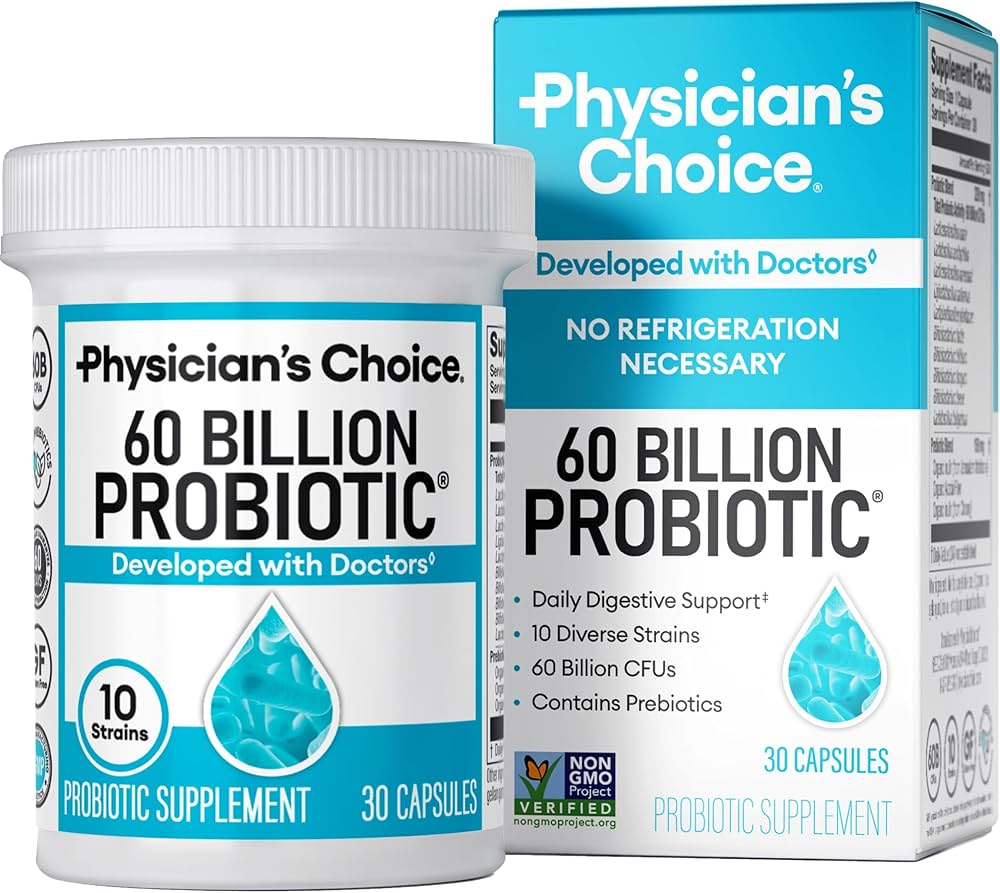
- CFU: ≥10 billion CFU per dose — lower counts are unlikely to produce consistent immune effects
- Strains: Multi-strain with both Lactobacillus and Bifidobacterium species
- Storage: Refrigerated products maintain viability better than room-temperature; check expiry date for guaranteed CFU count (not at manufacture date)
- With prebiotics: Probiotic effects are enhanced when combined with prebiotic foods (garlic, onions, oats, kefir) that feed and sustain the bacteria after supplementation
- After antibiotics: Double the duration of probiotic use — microbiome restoration after antibiotic disruption requires at least 4–6 weeks of consistent supplementation
Fish Oil / Omega-3: The Immune Resolution Supplement
The Resolution Problem Nobody Talks About
Immune activation is only half of a complete immune response. The other half — equally important and far less discussed — is immune resolution: the active, energy-requiring process of terminating inflammation, clearing cellular debris, and restoring tissue homeostasis after the threat is eliminated. Without effective immune resolution, the inflammatory response that fought the infection persists as chronic low-grade inflammation — the underlying driver of cardiovascular disease, metabolic dysfunction, accelerated ageing, and impaired future immune responses.
Immune resolution is not a passive process of inflammation simply "fading." It is actively coordinated by a recently discovered family of lipid mediators called specialised pro-resolving mediators (SPMs) — specifically resolvins, protectins, and maresins. These molecules are synthesised from EPA and DHA (the omega-3 fatty acids in fish oil) via enzymatic pathways that are directly upregulated during the resolution phase of an immune response.
What Resolvins and Protectins Do
- Resolvins (from EPA and DHA): Actively inhibit neutrophil migration into inflamed tissue, stimulate macrophage clearance of cellular debris (efferocytosis), suppress pro-inflammatory cytokine production, and stimulate counter-regulatory IL-10 production
- Protectins (from DHA): Protect neural and epithelial tissue from inflammatory damage, inhibit T cell migration into inflamed tissue, and promote tissue repair signalling
- Maresins (from DHA): Potent stimulators of macrophage phagocytosis and pro-repair gene expression; found at particularly high concentrations in the resolution phase of acute infections
Omega-3 deficiency impairs SPM production — meaning the immune response cannot be effectively resolved after activation. The consequence is not simply "more inflammation" but specifically impaired immune resolution: lingering post-infection fatigue, prolonged recovery, and the progressive accumulation of low-grade inflammatory tissue changes that characterise immune ageing.
The Clinical Evidence
Meta-analyses of omega-3 supplementation consistently confirm:
- Significant reductions in circulating inflammatory markers (CRP, IL-6, TNF-α) at doses of 1.5–3g EPA+DHA/day
- Measurable increases in SPM production within 4–8 weeks of supplementation
- Improved resolution indices in inflammatory challenge models — including post-exercise inflammation and post-infection recovery
- Specific benefits in populations with impaired immune resolution: older adults, individuals with metabolic syndrome, and those under chronic stress
Choosing the Right Fish Oil
- Form: Triglyceride form has significantly better absorption than ethyl ester form — look for "natural triglyceride" or "re-esterified triglyceride" on the label. The majority of mass-market fish oils are ethyl ester form
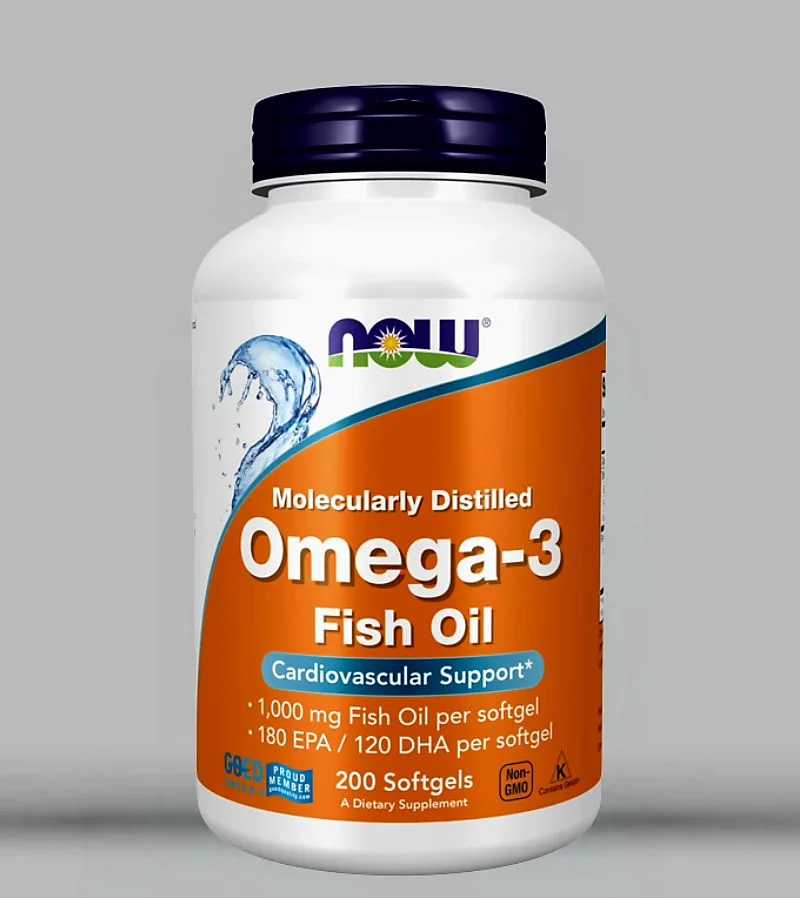
- EPA and DHA content: Always check the actual EPA and DHA content per capsule, not the total fish oil dose. A "1000mg fish oil" capsule may contain only 180mg EPA + 120mg DHA — three capsules would be needed to reach the 1g EPA+DHA threshold
- Molecular distillation: Removes heavy metals, PCBs, and dioxins concentrated in fish tissue
- Freshness: Oxidised fish oil is pro-inflammatory rather than anti-inflammatory. Check for freshness certification (IFOS, Friends of the Sea) and store in the refrigerator after opening
- Dose: 1–2g EPA+DHA daily for general immune health; up to 3g/day for active inflammatory conditions or significant omega-3 deficiency
The Synergistic Stack: Probiotics + Fish Oil
Probiotics and fish oil operate through entirely complementary mechanisms with no overlap — making them a natural combination for comprehensive immune support. Probiotics address immune activation and regulation through the gut-immune axis (GALT, sIgA, Treg induction, microbiome diversity). Fish oil addresses immune resolution through SPM production (resolvin, protectin, maresin synthesis from EPA/DHA). Together, they cover both the initiation/regulation and the termination/resolution phases of the immune cycle — the two aspects most commonly neglected in standard immune supplement approaches focused solely on stimulation.
References
- Hao Q, et al. (2015). Probiotics for prevention of acute upper RTIs: Cochrane meta-analysis 20 RCTs. Cochrane Database Syst Rev.
- Serhan CN. (2014). Pro-resolving lipid mediators are leads for resolution physiology. Nature, 510:92–101.
- Wastyk HC, et al. (2021). Fermented-food diet reduces inflammatory proteins. Cell, 184(16):4137–4153.
- Calder PC. (2020). Omega-3 fatty acids and inflammatory processes: nutrition or pharmacology? Br J Clin Pharmacol, 75(3):645–662.