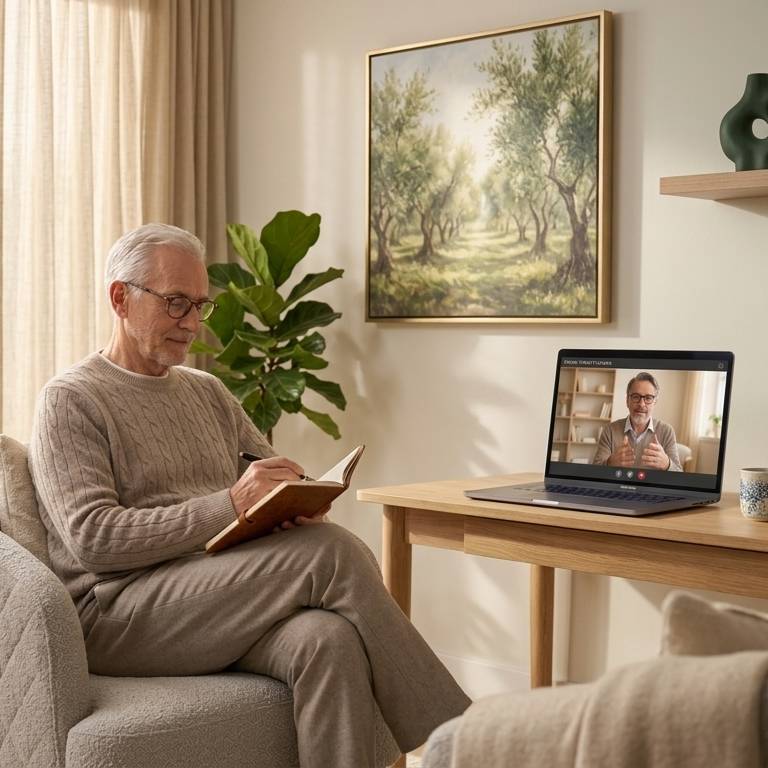
Online Sex Therapy: What It Is, Who It Helps, and How to Start
Sexual difficulties are far more common than most people realise — and far more treatable than most people assume. Studies suggest that between 40–45% of women and 30–35% of men experience a sexual dysfunction at some point in their lives. Yet the combination of shame, stigma, and limited access to appropriately trained therapists means the vast majority never receive treatment. Online sex therapy offers confidential, evidence-based support from home — removing the most significant barriers to accessing professional help for sexual health concerns.
What Is Sex Therapy?
Sex therapy is a specialised form of psychological therapy addressing sexual difficulties, concerns, and dysfunctions. It is not sexual in nature — sessions involve talking with a trained therapist, not any form of physical contact. Modern sex therapy is typically integrative, combining elements of CBT (targeting the thoughts, beliefs, and behavioural patterns that maintain sexual difficulties), psychoeducation (providing accurate information about sexual response and functioning), communication skills training, and where relevant, sensate focus exercises (structured partner exercises completed at home that gradually rebuild physical intimacy without performance pressure).
A certified sex therapist has training in sexual medicine, psychology, and relationship dynamics beyond standard counselling or psychotherapy qualifications. On platforms like Online-Therapy.com, therapists in the sex therapy programme are matched based on specialisation, ensuring you work with someone with specific expertise in sexual health rather than a generalist.
What Conditions Does Online Sex Therapy Address?
Sex therapy is appropriate for a wide range of sexual concerns, including:
Sexual Performance Anxiety
Performance anxiety — concern about sexual performance, typically focused on erectile function in men and arousal or orgasm in women — is one of the most common sexual difficulties. The anxiety cycle it creates is self-perpetuating: anticipatory anxiety activates the sympathetic nervous system, which physiologically inhibits the parasympathetic processes required for arousal and erection. CBT addresses the catastrophic thinking and avoidance patterns that maintain performance anxiety, breaking the cycle at the cognitive and behavioural level.
Low Sexual Desire (Hypoactive Sexual Desire Disorder)
Persistently low or absent sexual desire, causing personal distress, is the most prevalent sexual dysfunction in both men and women. Psychological contributors include relationship difficulties, stress, anxiety, depression, negative body image, and sexual shame — all of which are appropriate targets for sex therapy. The CBT approach addresses the cognitive barriers to desire (negative automatic thoughts about sex, the self, and the body) alongside the behavioural patterns (avoidance, absence of sexual cues in daily life) that maintain low desire.
Vaginismus and Genito-Pelvic Pain
Vaginismus — involuntary vaginal muscle contractions that make penetration painful or impossible — has a significant psychological component involving conditioned fear responses, catastrophic thoughts about pain, and anticipatory anxiety. CBT-informed sex therapy, combined with graded physical desensitisation exercises, has strong evidence for vaginismus treatment. Dyspareunia (painful intercourse) with a psychological component similarly benefits from a combined psychological and physical approach.
Difficulties with Orgasm
Anorgasmia — difficulty reaching orgasm — is common in women and less commonly affects men. Psychological contributors include performance focus (spectating — mentally observing rather than experiencing sex), anxiety, negative beliefs about sexuality, and insufficient stimulation due to communication difficulties with a partner. Sex therapy addresses these through directed masturbation exercises, sensate focus, and CBT targeting the cognitive patterns that interfere with orgasmic response.
Sexual Shame and Guilt
Deeply held shame or guilt about sexuality — often arising from religious background, past experiences, or cultural messages — can significantly inhibit sexual functioning and relationship intimacy. Sex therapy provides a non-judgmental therapeutic space to examine and restructure these beliefs, and to develop a more integrated and positive relationship with sexuality.
Intimacy and Relationship Sexual Difficulties
Sexual difficulties frequently arise within the relational context — communication difficulties about sex, mismatched desire levels, and accumulated resentment or emotional distance affecting intimacy. Couples sex therapy addresses both the individual and relational dimensions of these difficulties.
What to Expect from Online Sex Therapy
A first session with an online sex therapist follows the same structure as any first therapy session — assessment of your presenting concerns, relevant history, and goals. You set the pace entirely. A good sex therapist will not push you to discuss anything you are not ready for, and will take care to create a safe, non-judgmental therapeutic relationship before moving into more sensitive territory.
Sessions are confidential. The therapist has professional obligations of confidentiality and will not share your information with anyone without your consent, except in the specific circumstances (risk of harm to self or others) that apply to all therapy. The online format adds an additional layer of privacy — you are in your own home, you do not encounter anyone in a waiting room, and your records are not held at a local clinic.
Therapy typically includes exercises to complete at home between sessions — these might include written reflection exercises, communication exercises with a partner, or gradual physical desensitisation exercises. The between-session work is where much of the actual change happens, with sessions providing guidance, feedback, and adjustment of the programme based on how the exercises are going.
The Evidence for Sex Therapy
Sex therapy has a strong evidence base for most of the conditions it addresses. A comprehensive review published in the Journal of Sex and Marital Therapy found CBT-based sex therapy produced significant improvements in sexual function, satisfaction, and distress across a wide range of sexual dysfunction presentations. For erectile dysfunction with a significant psychological component, CBT produces response rates of 60–70%. For vaginismus, combined CBT and graded exposure approaches produce response rates of 80–90%. For low desire, research shows meaningful improvements in both desire frequency and sexual satisfaction with structured therapy compared to waitlist control.
How to Access Online Sex Therapy
Online-Therapy.com offers a specialist sex therapy programme with licensed therapists who have specific training in sexual health. The platform provides confidential access from any device, with unlimited messaging and live session options. If you are concerned about privacy on a shared device, the platform can be accessed through a private browser window, and you can set up a separate email address for communication if preferred.
You do not need a referral, a diagnosis, or any specific level of difficulty to access sex therapy — if sexual difficulties or concerns are affecting your wellbeing or relationship satisfaction, that is sufficient reason to seek support.
References & Further Reading
- Laumann EO, et al. (1999). Sexual dysfunction in the United States: prevalence and predictors. JAMA, 281(6), 537–544.
- ter Kuile MM, et al. (2010). Cognitive-behavioral therapy for women with lifelong vaginismus. Archives of Sexual Behavior, 39(1), 158–170.
- Brotto LA & Luria M. (2014). Sexual interest/arousal disorder in women. Annual Review of Clinical Psychology, 10, 549–574.
- Heiman JR & Meston CM. (1997). Empirically validated treatment for sexual dysfunction. Annual Review of Sex Research, 8, 148–194.
- Melnik T, et al. (2012). Psychosocial interventions for erectile dysfunction. Cochrane Database of Systematic Reviews, 6, CD004825.
- Masters WH & Johnson VE. (1970). Human Sexual Inadequacy. Little, Brown and Company.