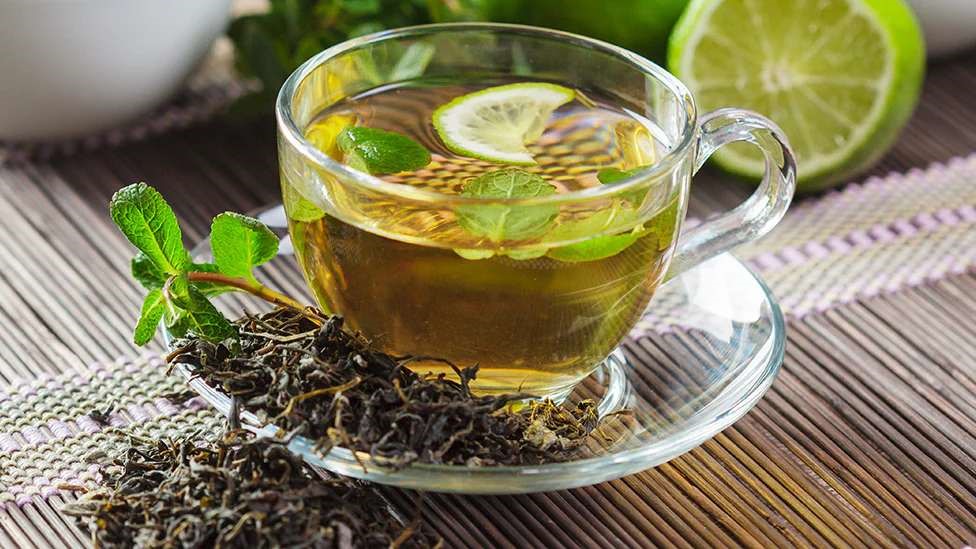
Green Tea Extract for Anxiety: L-Theanine, EGCG, GABA Modulation and the Clinical Evidence
Green tea produces a qualitatively distinct mental state from other caffeinated beverages — calm alertness without the jitteriness and anxiety that caffeine alone produces. This characteristic experience is the product of two bioactive compounds working in concert: L-theanine (an amino acid found almost exclusively in tea) and EGCG (epigallocatechin-3-gallate). L-theanine produces rapid anxiolytic effects through alpha brain wave induction and GABA modulation; EGCG produces slower but sustained anxiety reduction through cortisol normalisation and neuroinflammation reduction. Green tea extract — providing concentrated amounts of both compounds — offers a meaningful natural anxiety intervention with a uniquely well-characterised mechanism.
L-Theanine: The Primary Anxiolytic Compound
L-theanine is structurally similar to glutamate and crosses the blood-brain barrier within 30-60 minutes of ingestion. Its anxiolytic mechanisms are unusually well-documented for a dietary compound:
- Alpha wave induction: A double-blind RCT (Nobre et al., 2008) found L-theanine supplementation (50mg) significantly increased alpha wave activity (8-14 Hz) across the posterior scalp — EEG-confirmed within 45 minutes of ingestion. Alpha waves are associated with relaxed alertness, the mental state characterised by calm focus without drowsiness. This is the neurophysiological basis for the "calm alertness" subjectively reported by green tea drinkers.
- GABA modulation: L-theanine increases brain GABA levels by approximately 20% — through both increased GABA synthesis and inhibition of GABA transporter-mediated reuptake. This GABAergic effect contributes to the anxiolytic activity without the sedation associated with direct GABA-A receptor agonists.
- Glutamate antagonism: L-theanine partially antagonises NMDA glutamate receptors — reducing the excitatory glutamate signalling that contributes to anxiety, hypervigilance, and cognitive overactivation in anxious states.
- Dopamine and serotonin modulation: L-theanine increases dopamine release in the limbic system and modulates serotonin synthesis — contributing to mood stabilisation alongside the direct anxiolytic mechanisms.
Research: L-Theanine Anxiety RCTs
A systematic review of 9 RCTs (Lardner, 2014) found consistent evidence that L-theanine (100-200mg) significantly reduces anxiety measures including the State-Trait Anxiety Inventory (STAI), self-reported stress, and physiological stress markers (heart rate, salivary alpha-amylase — a sympathetic nervous system marker). A specific double-blind RCT in healthy adults found L-theanine significantly attenuated the cortisol and anxiety response to a standardised psychological stress task (Stroop test and arithmetic) — demonstrating acute anxiolytic activity under real stress conditions rather than only at rest.
EGCG: Sustained Anxiety Reduction Through Cortisol and Neuroinflammation
EGCG contributes to green tea's anxiolytic profile through mechanisms that complement L-theanine's rapid effects:
- Cortisol reduction: EGCG inhibits 11-beta-hydroxysteroid dehydrogenase type 1 (11β-HSD1) — the enzyme that activates cortisone to cortisol in peripheral tissues and the brain. By reducing local cortisol activation, EGCG reduces cortisol's anxiety-promoting effects in the amygdala and hippocampus independently of HPA axis changes.
- Neuroinflammation reduction: EGCG inhibits microglial NF-kB activation, reducing neuroinflammatory cytokine production (IL-6, TNF-alpha, IL-1beta) in the brain. Neuroinflammation is increasingly recognised as a driver of anxiety disorders — reducing it supports the GABAergic and serotonergic balance that anxiolytic interventions depend on.
- BDNF upregulation: EGCG upregulates BDNF in the hippocampus through AMPK and SIRT1 activation — supporting the hippocampal neuroplasticity that enables lasting anxiety reduction.
The L-Theanine + Caffeine Synergy
Whole green tea provides L-theanine and caffeine in a ratio of approximately 1:2 — and multiple RCTs have confirmed that this combination produces better cognitive and anxiety outcomes than either compound alone. L-theanine selectively reduces the anxiety and jitteriness components of caffeine's effects while preserving its attention and alertness benefits — producing the calm, focused alertness that makes green tea uniquely suited to situations requiring sustained concentration without elevated anxiety. Green tea extract supplements that include both EGCG and L-theanine replicate this synergistic profile.
Research: Stress and Anxiety in Specific Populations
A double-blind RCT in high-stress professionals found green tea catechin supplementation (400mg daily for 4 weeks) significantly reduced self-rated stress, improved sleep quality, and reduced salivary cortisol compared to placebo. A Japanese cohort study of 42,093 adults found those consuming 5+ cups of green tea daily had significantly lower rates of psychological distress and depressive symptoms — consistent with sustained anxiolytic effects from regular L-theanine and EGCG exposure.
Extract vs Whole Tea for Anxiety
Whole green tea (3-5 cups daily) provides meaningful L-theanine (25-50mg per cup) and EGCG alongside the caffeine synergy and ritual benefits. Green tea extract supplements provide higher, more consistent doses of both EGCG and L-theanine without caffeine (if decaffeinated) — more appropriate for caffeine-sensitive individuals or those requiring higher doses for more significant anxiety presentations.
Dosage for Anxiety
- L-theanine (isolated): 100-200mg for acute anxiety relief — onset within 30-60 minutes
- Green tea extract with L-theanine + EGCG: 300-500mg extract daily providing 100-200mg EGCG and 50-100mg L-theanine
- Decaffeinated extract: Preferred for anxiety where caffeine sensitivity is a concern or for evening use
- Whole tea: 3-5 cups daily provides a meaningful combined L-theanine and EGCG dose with natural caffeine synergy
References & Further Reading
- Nobre AC, et al. (2008). L-theanine, a natural constituent in tea, and its effect on mental state. Asia Pacific Journal of Clinical Nutrition, 17(S1), 167–168.
- Lardner AL. (2014). Neurobiological effects of the green tea constituent theanine and its potential role in the treatment of psychiatric and neurodegenerative disorders. Nutritional Neuroscience, 17(4), 145–155.
- Kimura K, et al. (2007). L-Theanine reduces psychological and physiological stress responses. Biological Psychology, 74(1), 39–45.
- Nathan PJ, et al. (2006). The neuropharmacology of L-theanine: a possible neuroprotective and cognitive enhancing agent. Journal of Herbal Pharmacotherapy, 6(2), 21–30.
- Kuriyama S, et al. (2006). Green tea consumption and cognitive function: a cross-sectional study. American Journal of Clinical Nutrition, 83(2), 355–361.