What is Resveratrol?
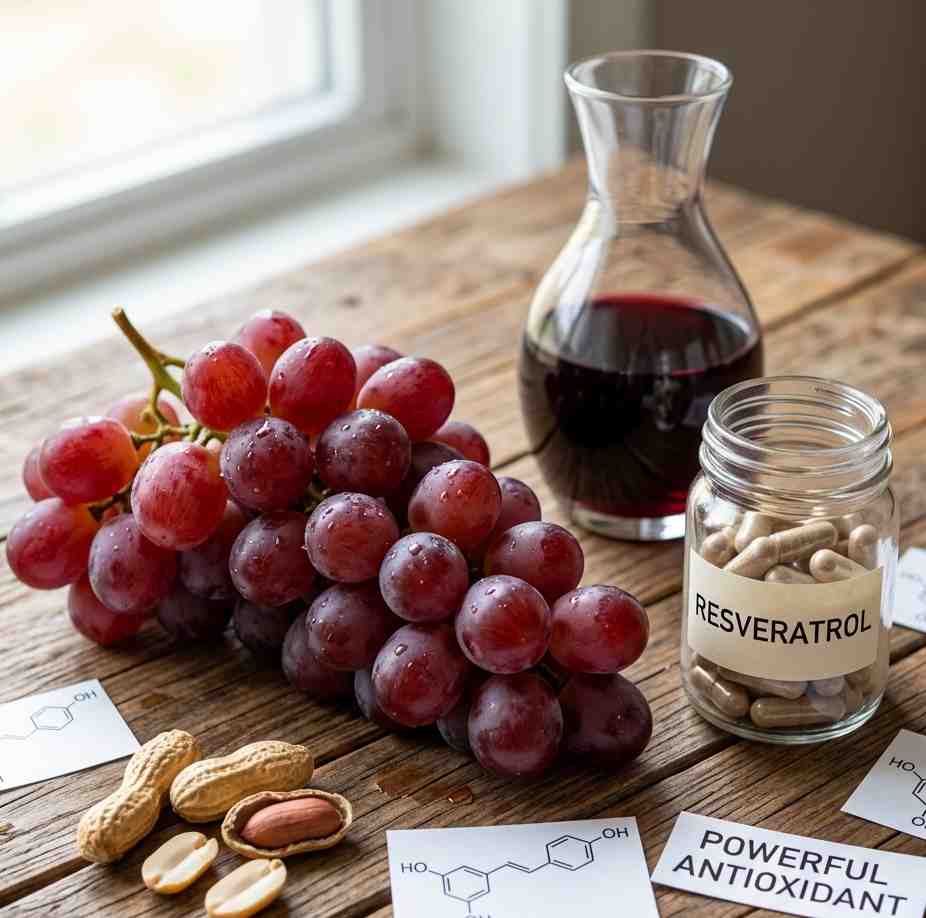
Resveratrol is a stilbene polyphenol produced by plants as a defence compound against pathogens, UV radiation, and injury. It is found in the skin of red grapes, red wine, Japanese knotweed (Polygonum cuspidatum — the most concentrated commercial source), peanuts, and some berries. It first attracted scientific attention through the "French Paradox" — the observation that French populations consuming red wine showed unexpectedly low cardiovascular disease rates despite high saturated fat diets. Since then, it has become the most extensively studied longevity polyphenol, with over 13,000 publications and nearly 200 clinical trials across 24 health indications.
SIRT1 Longevity Pathway — The Core Mechanism
Resveratrol's primary mechanism is activation of SIRT1 — a NAD⁺-dependent deacetylase and the most prominent member of the sirtuin family of "longevity genes." SIRT1 is implicated as a major mediator of the health benefits of caloric restriction and exercise — two of the most robust life-extending interventions known. Sirtuins regulate metabolism, epigenetic modification, DNA repair, inflammatory signalling, circadian rhythms, and cellular senescence. By activating SIRT1, resveratrol essentially mimics aspects of caloric restriction at the molecular level without requiring reduced food intake. The 2024 Frontiers in Genetics review (Rogina and Tissenbaum) confirmed SIRT1 as a major longevity mediator across multiple species, with resveratrol as the most potent polyphenolic SIRT1 activator identified.
Cardiovascular Evidence
The strongest clinical evidence for resveratrol is in cardiovascular health. A comprehensive meta-analysis found high-dose resveratrol (≥150mg/day) reduced systolic blood pressure by an average of 11.90 mmHg — a clinically meaningful reduction equivalent to many antihypertensive medications. Resveratrol improves endothelial function by activating eNOS (endothelial nitric oxide synthase) through SIRT1-mediated deacetylation — increasing nitric oxide production, reducing arterial stiffness, and improving vascular relaxation. It also reduces LDL oxidation, triglycerides, and inflammatory markers via NF-kB suppression — addressing multiple cardiovascular risk factors simultaneously. Nearly 200 clinical studies confirm consistent improvement in metabolic and inflammatory biomarkers.
Bioavailability Challenge
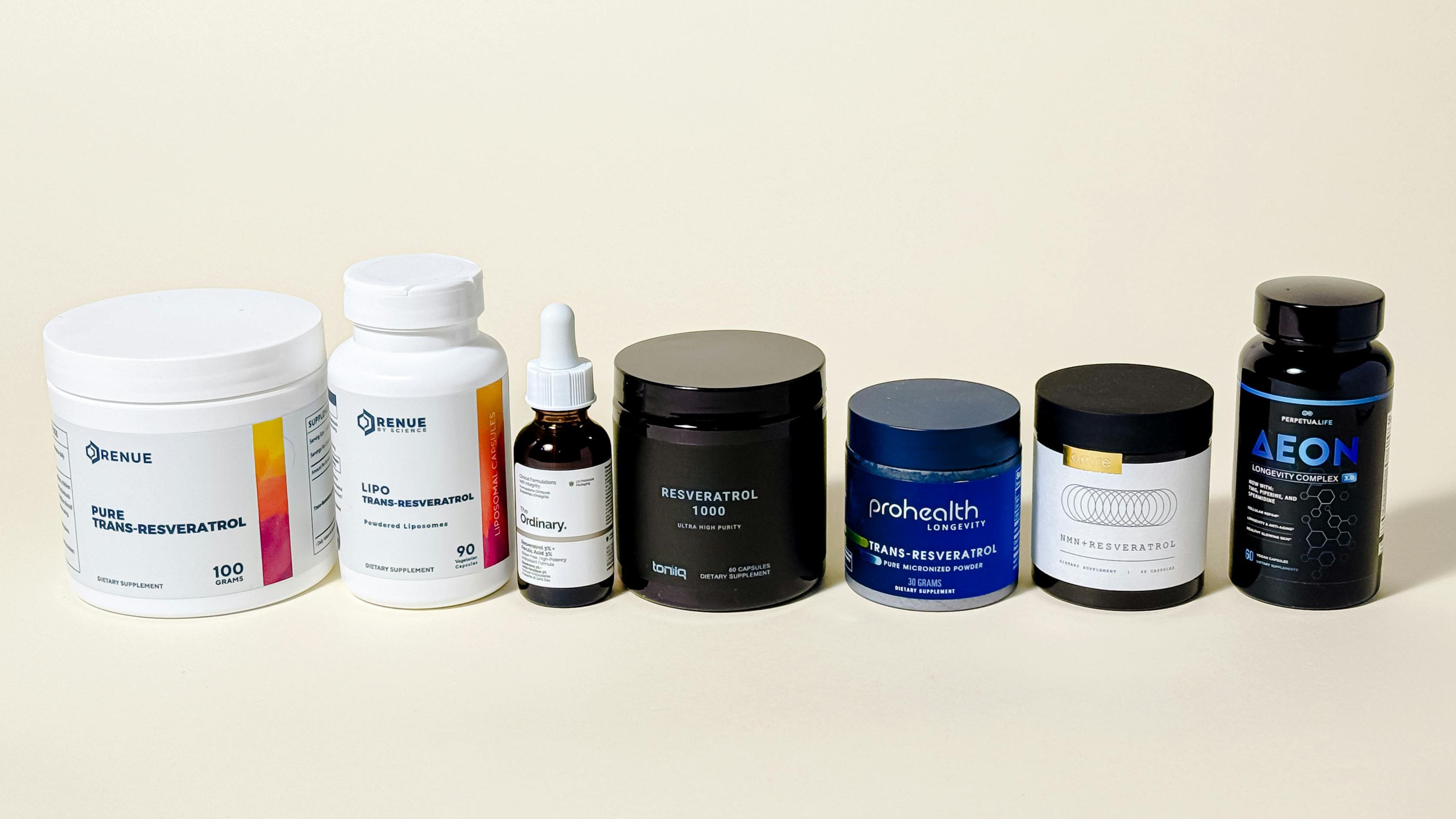
Resveratrol's major limitation is poor oral bioavailability: it is rapidly metabolised by the liver and intestinal microbiome, with peak plasma concentrations declining within hours of dosing. This bioavailability problem explains why the dramatic lifespan extensions seen in animal models have not fully translated to human clinical evidence. A 2025 meta-analysis on resveratrol's effect on human SIRT1 levels found the effect more modest than animal studies suggested. Solutions include micronised formulations (smaller particle size improves absorption), Quercetin Phytosome-type complexes, and combination with piperine (black pepper extract). Dosing frequency matters: divided daily doses maintain more consistent plasma levels than single large doses.
Dosing Guidelines
- Cardiovascular/metabolic: 150–500mg daily in divided doses with food
- Longevity/anti-aging: 200–500mg daily — consistent daily use more important than high single doses
- Look for: Trans-resveratrol (the active isomer), micronised or phytosome formulations, Japanese knotweed source for highest potency
- Well-tolerated up to 1g/day; no serious adverse events reported in clinical trials at these doses