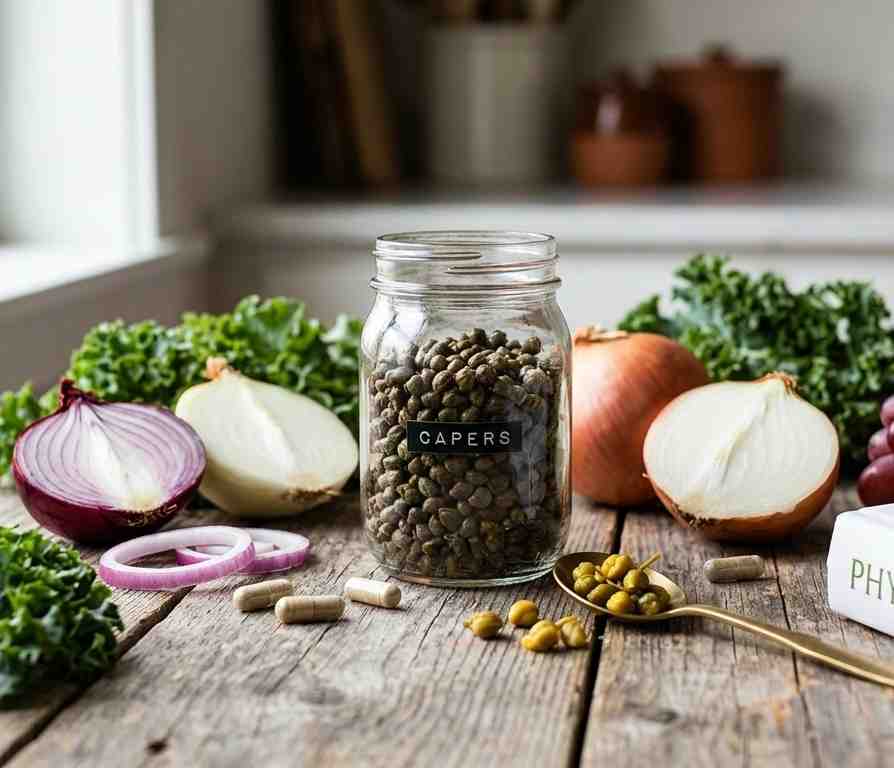
Cancer prevention supplements occupy a difficult space between genuine scientific evidence and aggressive marketing claims that far outrun the data. The most important starting point is an honest framing: no supplement prevents cancer in the way a vaccine prevents an infectious disease. What the evidence does support — for a select group of compounds — is meaningful reduction in cancer risk across large populations, measured in prospective cohort studies and, increasingly, randomised controlled trials.
The distinction matters. Risk reduction is probabilistic and population-level: a supplement that reduces colorectal cancer risk by 20% in epidemiological studies is genuinely important from a public health perspective, but it does not guarantee any individual will or will not develop cancer. Understanding this framing helps set realistic expectations — and also helps avoid the cynical dismissal that no dietary supplement could possibly matter for cancer prevention, when the evidence clearly shows some do.
The Standard of Evidence
This section applies a strict evidence hierarchy:
- Mechanistic evidence alone (cell studies, animal models) is noted but treated as hypothesis-generating, not confirmatory
- Epidemiological associations (cohort studies, case-control studies) establish risk correlations but cannot prove causation
- Randomised controlled trials provide the strongest evidence and are weighted most heavily — even when they complicate the picture
- Meta-analyses of RCTs are the gold standard and are cited wherever available
Applying this hierarchy means some compounds with impressive laboratory profiles receive cautious assessments here, while others with less dramatic mechanisms but robust human trial data receive stronger recommendations.
The Strongest Evidence — What Actually Makes the Cut
The supplements with the most credible human evidence for cancer risk reduction include:
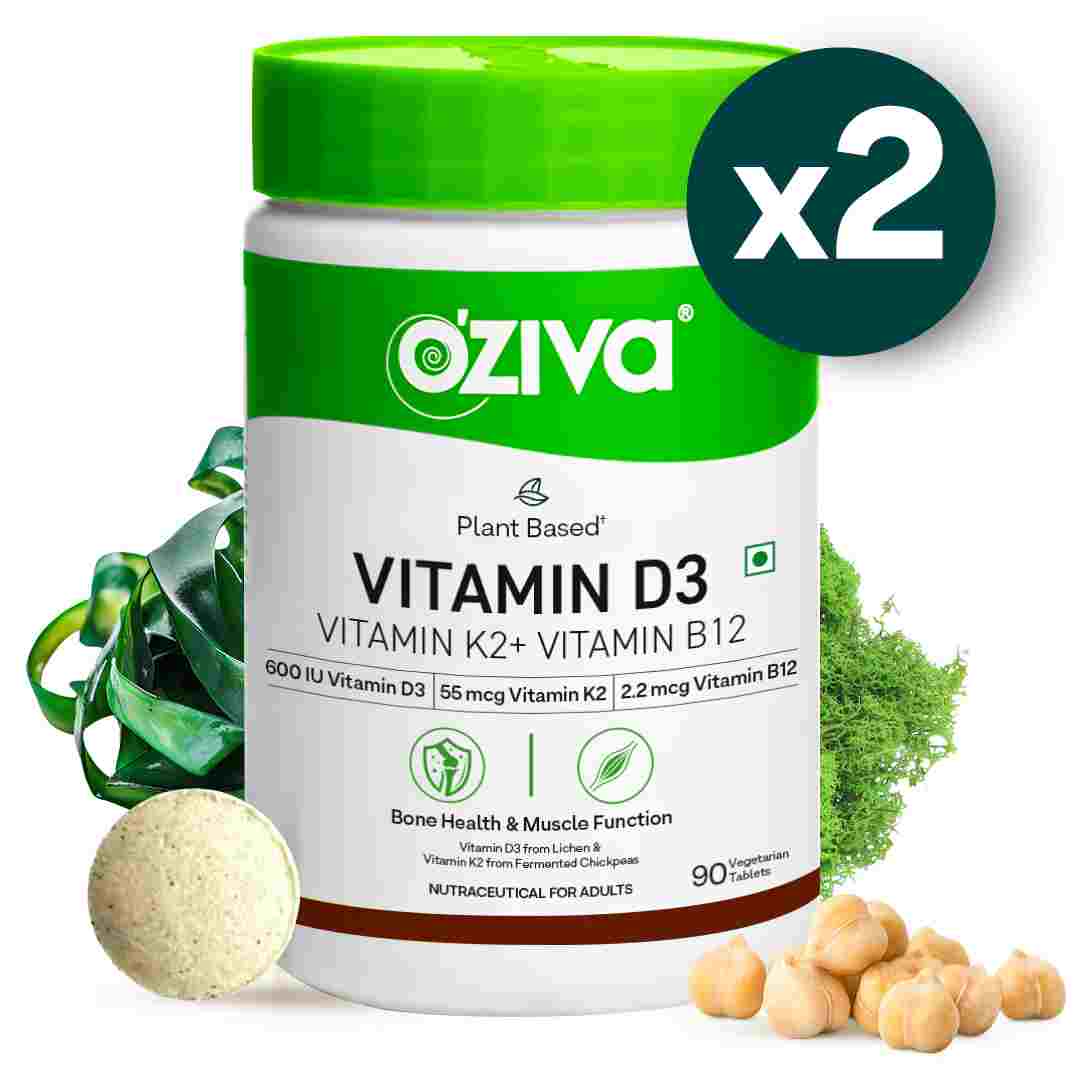
- Vitamin D3: Large cohort meta-analyses associate optimal vitamin D status (75–150 nmol/L) with 20–40% lower colorectal and breast cancer risk; the VITAL trial RCT showed significant reduction in cancer mortality (25%)
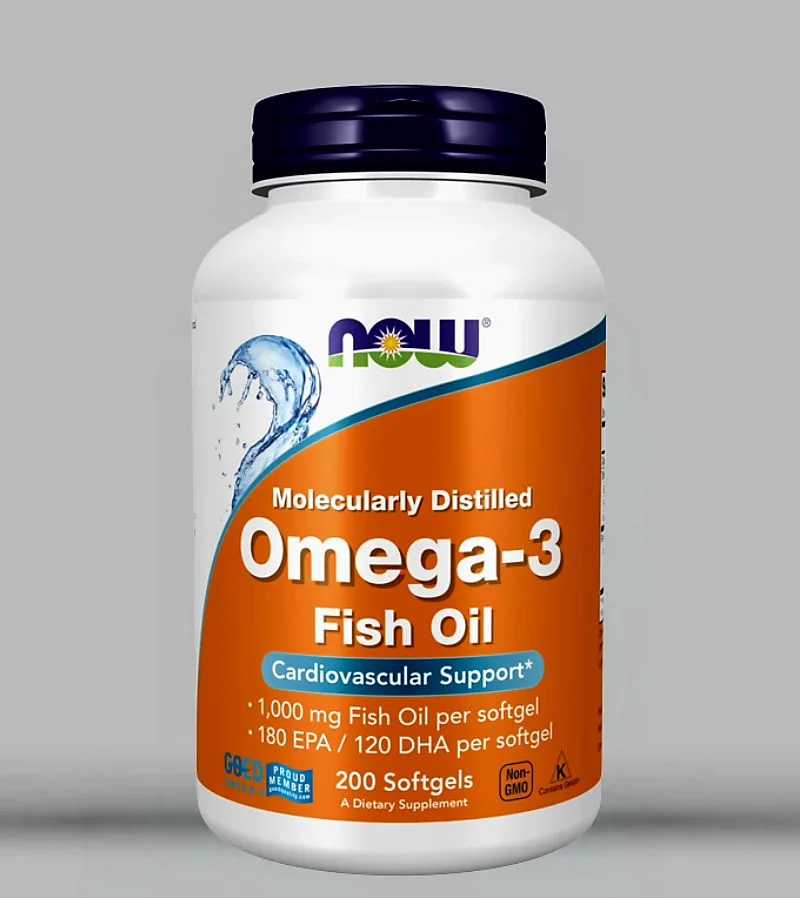
- Omega-3 EPA/DHA: VITAL trial also found a significant 28% reduction in cancer mortality at 1g/day fish oil — an effect driven largely by the first 2 years of supplementation
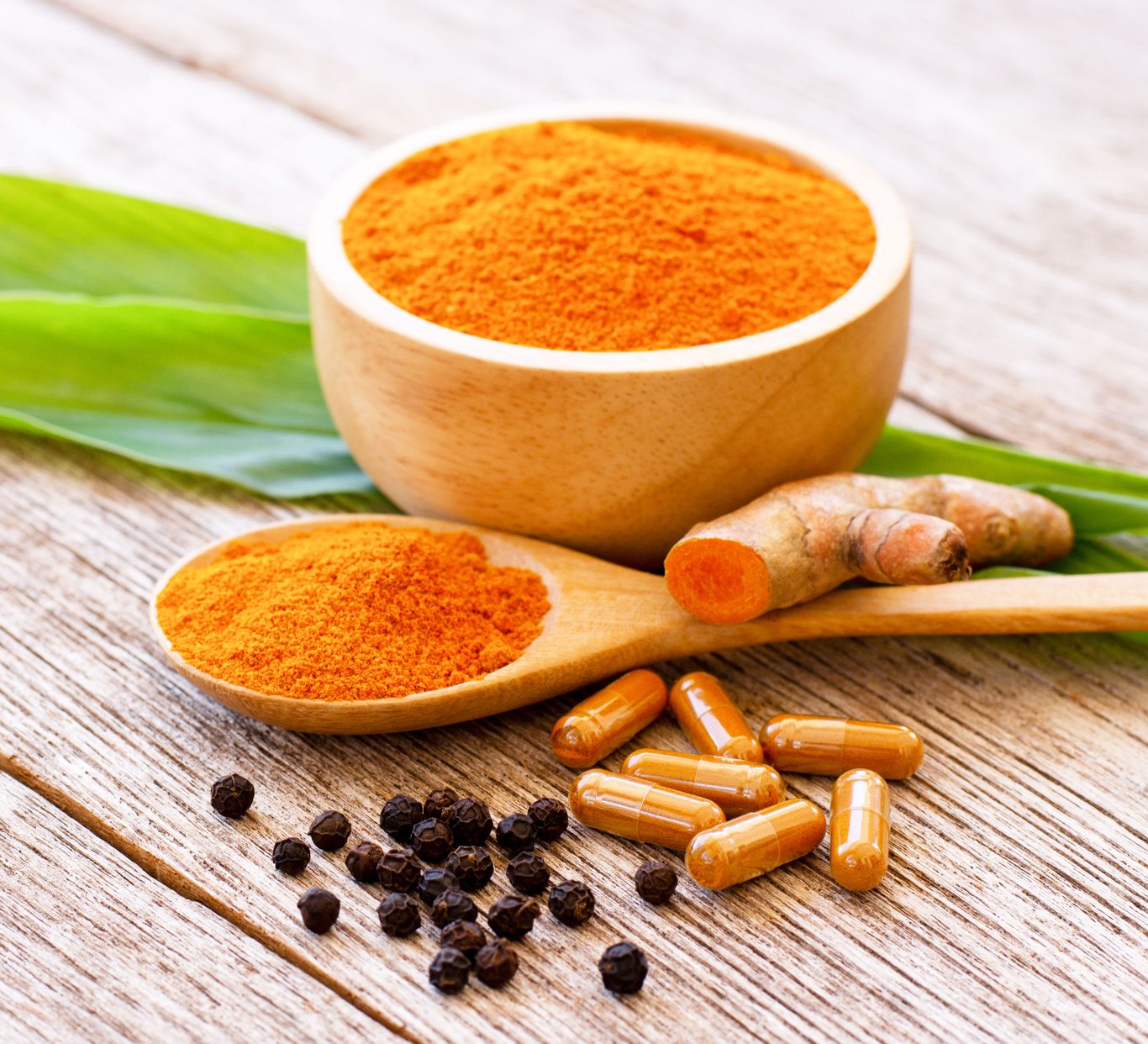
- Curcumin/turmeric extract: Phase II clinical trials have demonstrated anti-cancer activity in colorectal, pancreatic, and breast cancer; multiple mechanisms including NF-kB and COX-2 inhibition
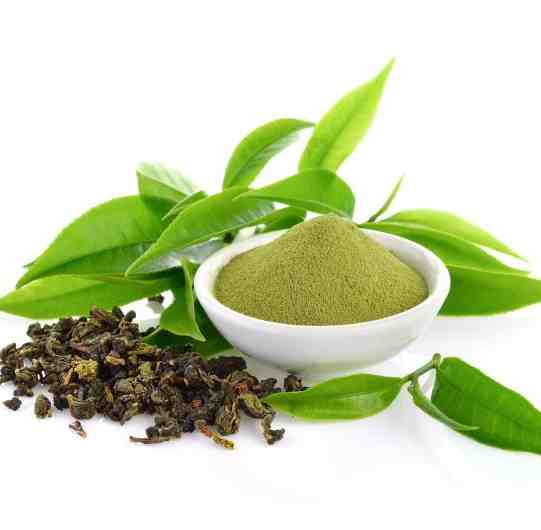
- EGCG (green tea extract): Consistent epidemiological data from Japanese cohort studies; Phase II trials in prostate cancer and colorectal adenoma prevention
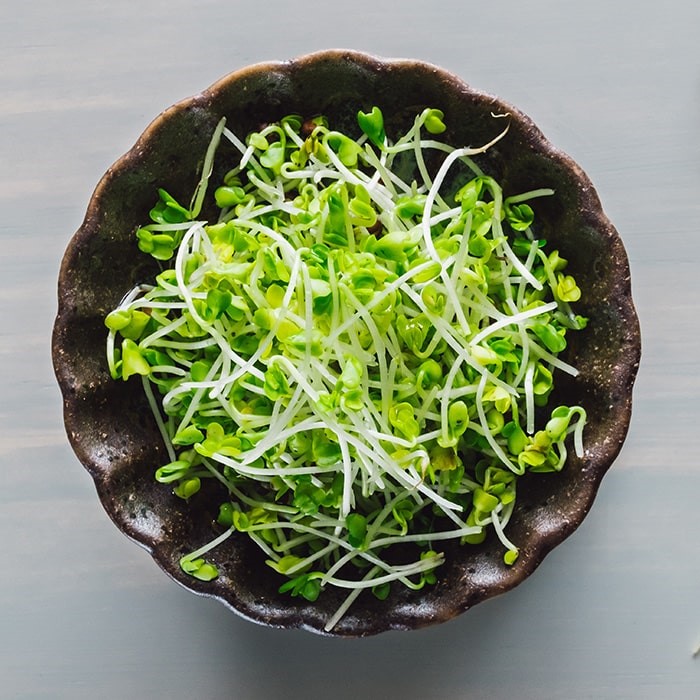
- Sulforaphane (broccoli extract): Phase I/II trials in prostate, breast, bladder, and colorectal cancer; strongest Nrf2-activating compound available as a supplement
The articles below cover each of these compounds in detail — the mechanisms, the clinical trial evidence, the doses used in studies, what the evidence realistically supports, and where the research still has gaps.